
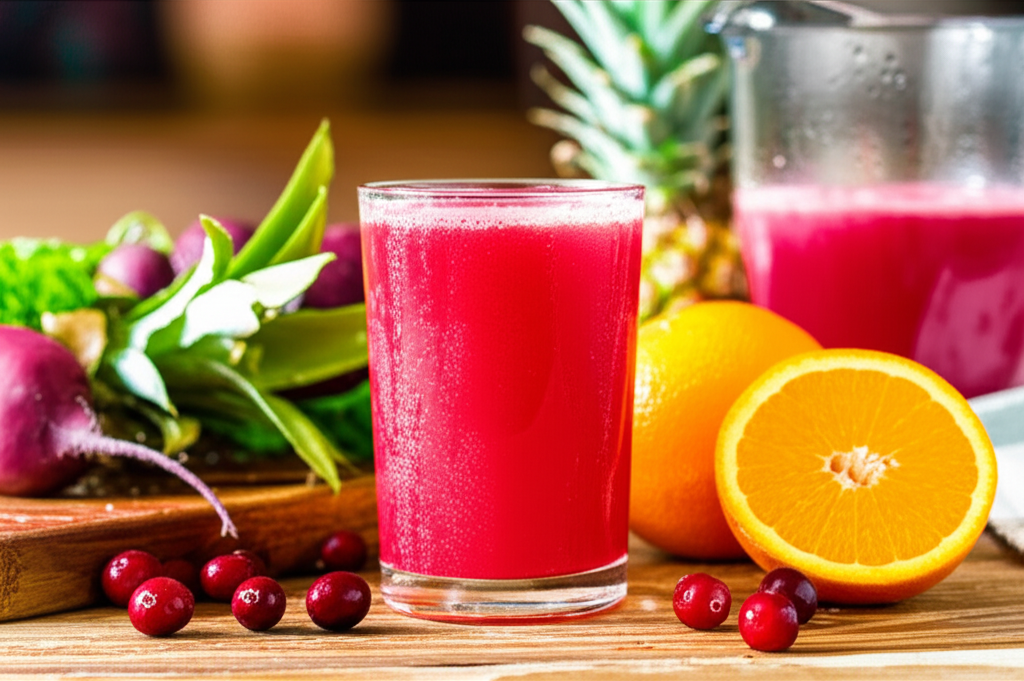
Cranberry juice is often touted for its detoxifying properties, but the reality is more nuanced. While it can support your body’s natural detoxification processes, especially kidney health, it’s not a magic bullet. Pure, unsweetened cranberry juice offers benefits like antioxidants and can help prevent UTIs, but sugary versions can be counterproductive.
Have you ever reached for a glass of cranberry juice, hoping it will help your body feel refreshed and renewed? Many of us have heard whispers that cranberry juice is a fantastic way to “detox.” It’s a lovely thought, isn’t it? To sip on something delicious and have it magically cleanse your system. But like many popular health claims, the truth about cranberry juice and detox can be a little surprising. We’re here to clear the air and give you the facts, served up simply and honestly, just like our freshest juices at The Honey Pot Bakery. Get ready to discover what cranberry juice can truly do for your well-being!
The Buzz About Cranberry Juice and Detox
Cranberry juice has earned a reputation as a health powerhouse, and for good reason. Its vibrant color hints at the potent compounds within. But when it comes to “detox,” it’s important to understand what that really means for our bodies.
Detoxification is a natural, ongoing process your body performs constantly. Your liver, kidneys, lungs, and skin all work together to eliminate waste products and toxins. When people talk about “detox” in the context of juices or diets, they’re often referring to supporting these natural processes and reducing the burden on these organs.
So, does cranberry juice fit into this picture? The short answer is: it can, but not in the way you might think. It’s less about a juice doing the detoxing and more about how it can support your body’s own incredible detox systems.
Understanding Cranberry Juice: What’s Inside?
To grasp how cranberry juice might help, let’s peek at what makes it so special.
Key Nutrients and Compounds in Cranberry Juice:
- Antioxidants: Cranberries are packed with antioxidants, especially proanthocyanidins (PACs). These compounds help fight off harmful free radicals in your body, which can contribute to cellular damage.
- Vitamins: They offer a good dose of Vitamin C, an important nutrient for immune function and skin health.
- Fiber (in whole cranberries): While juicing removes much of the fiber, whole cranberries are a good source. Fiber is crucial for digestive health and helps move waste through your system.
- Acids: Cranberry juice contains natural acids, like citric acid and quinic acid.
It’s the unique combination of these elements that gives cranberry juice its distinctive profile and potential health benefits.
Cranberry Juice and Your Kidneys: A Natural Partnership
One of the most well-researched areas where cranberry juice shines is in supporting kidney health and urinary tract function. This is where its “detox” connection often stems from.
How Cranberry Juice Supports Urinary Tract Health:
Cranberries contain specific compounds called A-type proanthocyanidins (PACs). These PACs are thought to prevent certain bacteria, most notably E. coli, from adhering to the walls of the urinary tract. Think of it like a slippery shield that makes it harder for bacteria to set up shop.
By helping to keep bacteria from sticking, cranberry juice can play a role in preventing urinary tract infections (UTIs). Since your kidneys are responsible for filtering waste from your blood and producing urine, maintaining a healthy urinary tract is vital for their proper function.
According to the National Institute of Diabetes and Digestive and Kidney Diseases (NIDDK), proper kidney function is essential for removing waste products from the body. By supporting urinary tract health, cranberry juice indirectly aids in this waste removal process.
The Kidney Detox Connection:
When your urinary tract is clear and functioning well, your kidneys can more efficiently filter waste products from your blood and excrete them through urine. In this sense, cranberry juice can be seen as supporting the body’s natural detoxification pathways, particularly those involving the kidneys and bladder.
What About Other “Detox” Claims?
While the urinary tract benefits are quite clear, other “detox” claims associated with cranberry juice are less scientifically supported.
Liver Detox: Your liver is the primary detoxification organ, processing a vast array of substances. While antioxidants found in cranberries can help protect liver cells from damage, there’s no direct evidence that cranberry juice actively “detoxes” the liver in the way some marketing might suggest. A healthy diet and lifestyle are key to supporting liver function.
Gut Detox: A healthy gut microbiome is crucial for overall well-being, and some believe certain foods can “detox” the gut. Cranberries do contain some fiber (especially if you consume whole cranberries or certain juice blends), which can support digestion. However, the primary benefit for the gut comes from a balanced diet rich in various fibers and probiotics.
Skin Detox: Radiant skin is often seen as a sign of internal health. The antioxidants in cranberry juice can help combat oxidative stress, which can contribute to skin aging. However, achieving glowing skin involves a holistic approach including diet, hydration, and skincare, not just one juice.
Choosing the Right Cranberry Juice: The Sweetener Dilemma
This is a crucial point, especially for those looking for genuine health benefits. Not all cranberry juice is created equal.
The Problem with Most Commercial Cranberry Juices:
Many cranberry juices you find in the store are heavily sweetened. They are often made from cranberry juice concentrate mixed with water and a significant amount of added sugar, corn syrup, or artificial sweeteners. This is primarily because pure cranberry juice is very tart and not very palatable on its own.
Why Sugar Undermines Detox Efforts:
Consuming too much added sugar can actually work against your body’s natural processes. High sugar intake can contribute to inflammation, negatively impact gut health, and place a greater burden on your liver as it processes the excess sugar. This is the opposite of what you want when aiming for a “detoxifying” effect.
The “Shocking Truth”: Pure vs. Sweetened
The shocking truth, then, is that the benefits you might associate with cranberry juice for detox are primarily found in pure, unsweetened cranberry juice.
Pure Cranberry Juice: This is 100% cranberry juice, with no added sugars or other fruit juices. It is very tart and has a strong flavor. This is the type that contains the highest concentration of beneficial PACs and antioxidants.
“Cranberry Juice Cocktail” or “Cranberry Drink”: These products typically contain a small percentage of actual cranberry juice, with the rest being water, high-fructose corn syrup, sugar, and often other fruit juices like apple or grape to sweeten it. These are much less beneficial and can even be detrimental if you’re trying to avoid added sugars.
Table 1: Cranberry Juice Varieties and Their Sugar Content (Approximate per 8 oz serving)**
| Type of Cranberry Juice | Added Sugars (grams) | Potential Health Benefits |
|---|---|---|
| 100% Pure Unsweetened Cranberry Juice | 0-2 (naturally occurring) | Supports urinary tract health, rich in antioxidants. |
| Cranberry Juice Cocktail/Blend | 25-40+ | May offer some antioxidants, but high sugar can negate benefits and contribute to inflammation. |
| Diet Cranberry Juice (with artificial sweeteners) | 0 | Avoids sugar, but the long-term effects of artificial sweeteners are debated. May still have limited cranberry content. |
*Note: Sugar content can vary significantly by brand. Always check the nutrition label.
How to Incorporate Pure Cranberry Juice Safely
If you’re looking to experience the potential benefits of cranberry juice, especially for your urinary tract, opting for pure, unsweetened juice is key. But how do you make it enjoyable?
Step-by-Step Guide to Enjoying Pure Cranberry Juice:
- Purchase Pure Cranberry Juice: Look for labels that clearly state “100% Cranberry Juice” or “Pure Cranberry Juice” and check the ingredients list to ensure there are no added sugars or sweeteners. You can usually find this in the refrigerated section of your grocery store or in health food stores.
- Dilute It: Since pure cranberry juice is very tart, most people find it best to dilute it with water. Start with a 1:1 ratio (one part cranberry juice to one part water) and adjust to your taste preference. You can use still or sparkling water.
- Naturally Sweeten (Sparingly): If you still find it too tart, add a tiny amount of natural sweetener. A small drizzle of honey (especially raw honey) or a few drops of stevia can make it more palatable without adding excessive sugar. Remember, the goal is to support your body, so moderation is key.
- Mix with Other Juices: Blend pure cranberry juice with other, milder juices like apple, white grape, or pear juice. This can help mask the tartness while still providing a good dose of cranberry benefits. Aim for a blend where cranberry is a significant component, not just a splash.
- Add to Smoothies: A splash of pure cranberry juice can add a tangy boost to your favorite smoothies, especially those with berries or citrus fruits.
- Stay Hydrated: Drink your diluted cranberry juice as part of your overall hydration for the day.
Beyond the Juice: A Holistic Approach to Detoxification
While cranberry juice can be a helpful addition to your wellness routine, it’s essential to remember that true detoxification is a lifestyle.
Key Pillars of Natural Detoxification:
- Hydration: Drinking plenty of water is fundamental. Water helps your kidneys flush out waste and keeps your entire system running smoothly.
- Balanced Diet: Focus on whole, unprocessed foods, plenty of fruits and vegetables (rich in antioxidants and fiber), and lean proteins. Limit processed foods, excessive sugar, and unhealthy fats.
- Regular Exercise: Physical activity helps improve circulation, supports lymphatic drainage, and encourages sweating, which is another way your body eliminates toxins.
- Adequate Sleep: Your body repairs and regenerates during sleep, including processes that aid detoxification.
- Stress Management: Chronic stress can negatively impact your body’s ability to function optimally, including its detox pathways.
For more information on supporting your body’s natural functions, the National Institute on Aging offers excellent resources on maintaining a healthy lifestyle as you age, which naturally supports your body’s systems.
Frequently Asked Questions About Cranberry Juice and Detox
Q1: Can cranberry juice really “detox” my body?
A1: Cranberry juice, especially pure unsweetened varieties, can support your body’s natural detoxification processes, particularly by promoting urinary tract health and providing antioxidants. However, it’s not a standalone “detox” solution. A healthy lifestyle is key.
Q2: What’s the difference between pure cranberry juice and cranberry juice cocktail?
A2: Pure cranberry juice is 100% juice with no added sugars. Cranberry juice cocktail typically contains added sugars, high-fructose corn syrup, and a smaller percentage of actual cranberry juice, making it less beneficial.
Q3: How much pure cranberry juice should I drink daily?
A3: For general urinary tract support, many sources suggest around 8-16 ounces of pure cranberry juice per day, often diluted with water. It’s always a good idea to consult with a healthcare professional for personalized advice.
Q4: Is cranberry juice good for kidney stones?
A4: While hydration is crucial for preventing kidney stones, the effect of cranberry juice specifically on kidney stones is not definitively proven. Some research suggests it might increase urinary citrate levels, which can help prevent certain types of stones, but more studies are needed. Staying well-hydrated with water is the most recommended approach.
Q5: Can cranberry juice help with a UTI?
A5: Pure cranberry juice may help prevent UTIs by making it harder for bacteria to stick to the urinary tract walls. However, it is not a treatment for an active UTI. If you suspect you have a UTI, it’s important to see a doctor for proper diagnosis and treatment.
Q6: Can I use cranberry juice for a juice cleanse?
A6: While pure cranberry juice can be part of a healthy diet, relying solely on it for a “cleanse” is not recommended. A balanced approach with a variety of fruits, vegetables, and proper hydration is more effective and sustainable for supporting your body’s well-being.
The Final Sip: Embracing Cranberry Juice for Natural Support
So, there you have it! The truth about cranberry juice and detox is that it’s a wonderfully supportive beverage, especially when you choose the pure, unsweetened variety. It’s not a magical elixir that will instantly cleanse your body, but rather a natural ally that can contribute to your overall health and well-being, particularly in supporting your urinary tract.
By understanding what’s in your juice and making mindful choices, you can harness the goodness of cranberries. Remember, the best way to support your body’s natural detoxification is through a balanced diet, plenty of water, regular movement, and adequate rest.
At The Honey Pot Bakery, we believe in simple, honest goodness. Embrace the tart, refreshing taste of pure cranberry juice, dilute it, enjoy it, and let it be a delicious part of your journey towards a healthier, happier you. Your body will thank you for it!
