
Yes, Clamato juice absolutely can go bad, but with proper storage and understanding its shelf life, you can enjoy it safely and deliciously for a long time. We’ll reveal the simple signs to watch for and how to keep your Clamato fresh!
Ever reached for that vibrant red bottle of Clamato, ready to whip up a Bloody Caesar or a refreshing mocktail, only to pause and wonder, “Is this still good?” It’s a common kitchen question! That distinctive blend of tomato juice, clam broth, and spices is a beloved staple for many, but like all good things, it has a lifespan. Don’t let spoilage worries spoil your fun. We’re here to demystify the shelf life of Clamato juice, guide you through identifying if it’s past its prime, and share the best ways to store it so it stays wonderfully fresh. Get ready to become a Clamato expert!
The Shocking Truth: When Does Clamato Juice Actually Go Bad?
It’s a question that pops up in kitchens across the country: “Does Clamato juice go bad?” The short answer is a resounding yes. While it’s not as fleeting as fresh-squeezed juice, Clamato, like any food product containing liquid and natural ingredients, will eventually spoil if not stored correctly or if it’s kept for too long. Understanding the signs of spoilage and the recommended storage practices is key to enjoying its unique flavor without any unpleasant surprises.
Think of it this way: Clamato contains tomato juice, which is acidic, and clam broth, which is a source of protein. Over time, even with preservatives, these components can break down. Bacteria and mold can begin to grow, especially once the seal is broken. This is why paying attention to both the “best by” date and how the juice looks, smells, and tastes is crucial.
Decoding the Dates: “Best By” vs. “Use By”
Before we dive into the practicalities of spoilage, let’s clarify those dates printed on the bottle. Understanding these can save you from discarding perfectly good juice or, worse, consuming something that’s no longer safe.
- Best By/Best Before: This date indicates when the manufacturer guarantees the product will be at its peak quality – taste, texture, and nutritional value. It’s a guideline for optimal enjoyment, not a strict safety deadline. Clamato juice is likely safe to consume past this date if stored properly and shows no signs of spoilage.
- Use By: This date is typically found on more perishable items and is a safety recommendation. For products like Clamato, you’re more likely to see a “Best By” date. If a “Use By” date were present, it would be more critical to adhere to it for safety reasons.
For Clamato juice, the “Best By” date is your primary indicator. We’ll explore how to interpret it and what to do if you’re past it.
How to Tell if Your Clamato Juice Has Gone Bad: The Essential Checklist
Spotting spoiled Clamato juice is usually straightforward if you know what to look for. Your senses are your best tools here! Before you pour, take a moment to inspect the juice.
1. Visual Inspection: What to See
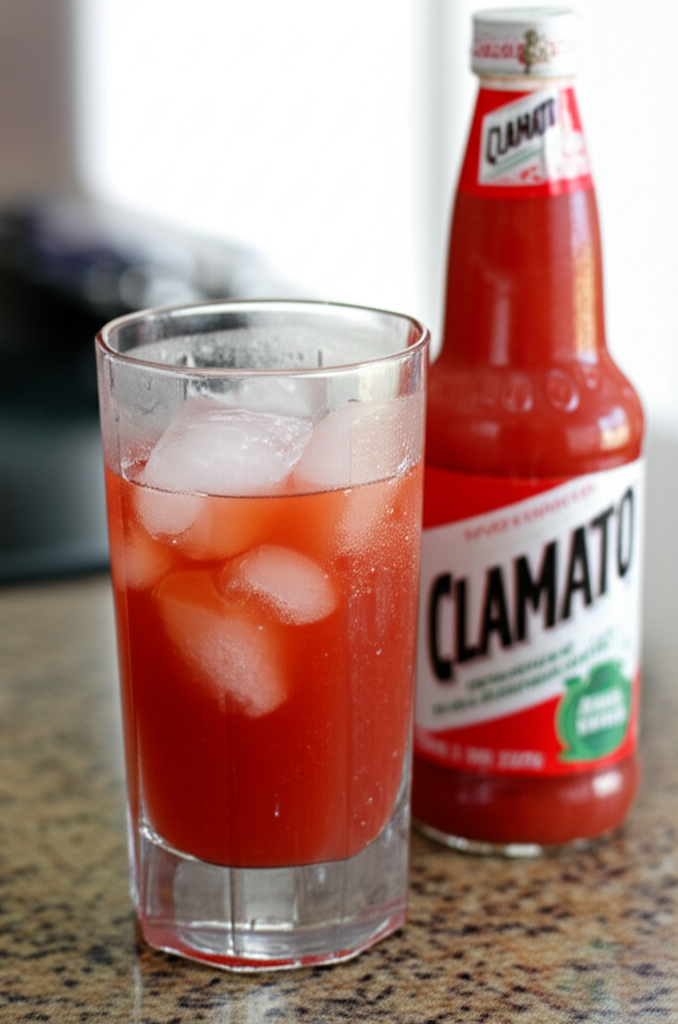
The first step is always a good look at the juice. What might indicate it’s no longer good?
- Mold Growth: This is the most obvious sign. Look for fuzzy patches, discoloration (often green, white, or black), or any unusual film on the surface or around the opening.
- Color Change: While Clamato has a vibrant color, a significant or unusual darkening or lightening might be a subtle indicator of spoilage.
- Cloudiness or Sediment: Some natural sediment can occur, but excessive cloudiness or a thick, unusual layer at the bottom could be a warning.
- Bulging or Leaking Cap/Container: If the bottle or can looks swollen, it could indicate gas production from bacterial activity, a clear sign of spoilage. Leaks are also a big red flag.
2. The Sniff Test: What to Smell
Your nose knows! Spoiled Clamato juice will likely have a distinct, off-putting odor.
- Sour or Fermented Smell: Instead of its usual savory, slightly tangy aroma, spoiled juice might smell sour, vinegary, or like something has started to ferment.
- Putrid or Rancid Odor: Any smell that is genuinely unpleasant, rotten, or rancid is a definite sign to discard the product immediately.
3. The Taste Test (Use with Caution!): What to Taste
If the visual and smell tests pass, you might consider a tiny taste. However, if either of the first two checks raised any doubts, it’s best to skip this step and err on the side of caution.
- Off-Flavors: If the juice tastes sour, bitter, metallic, or just “wrong” compared to its usual flavor, it’s gone bad.
- Fizz or Unnatural Carbonation: If the juice is unexpectedly fizzy, it means fermentation has occurred, producing gases. This is a definite sign of spoilage.
Important Note: When in doubt, throw it out! Your health is always more important than saving a bottle of juice.
Storage Secrets: Keeping Your Clamato Fresh for Longer
Proper storage is the golden ticket to extending the life and maintaining the quality of your Clamato juice. Whether it’s unopened or already opened, these tips will help.
Unopened Clamato Juice Storage
Before you crack open that bottle, storage is simple:
- Pantry Power: Store unopened bottles in a cool, dry place away from direct sunlight and extreme temperatures. A pantry or cupboard is ideal.
- Avoid Extremes: High heat can accelerate spoilage, while freezing can affect the texture and potentially damage the container.
An unopened bottle of Clamato juice can typically last for months, often well past its “Best By” date, as long as it has been stored correctly and the seal remains intact.
Opened Clamato Juice Storage: The Crucial Steps
Once opened, Clamato juice becomes more susceptible to spoilage. Here’s how to keep it fresh:
- Refrigerate Immediately: This is the most critical step. Always transfer opened Clamato juice to an airtight container and keep it in the refrigerator. Don’t just put the opened bottle back in the fridge if it has a pour spout that’s been exposed.
- Airtight is Key: Use the original bottle if it seals tightly, or better yet, pour it into a clean glass jar or a BPA-free plastic container with a secure lid. This prevents contamination and oxidation.
- Keep it Cold: Store it in the main part of your refrigerator, not in the door where temperatures fluctuate more.
- Use Promptly: For the best quality and safety, aim to consume opened Clamato juice within 7-10 days. While it might last a bit longer, its flavor and quality will start to decline.
By following these simple steps, you can significantly extend the usability of your opened Clamato juice.
How Long Does Clamato Juice Really Last? A Handy Guide
Let’s break down the expected shelf life for both unopened and opened Clamato juice. This will help you plan your purchases and consumption.
Here’s a general guideline:
| Condition | Shelf Life | Notes |
|---|---|---|
| Unopened (Pantry Storage) | 18-24 months past “Best By” date (if stored properly) | Quality may slightly decrease over time, but generally safe. |
| Opened (Refrigerated, Airtight) | 7-10 days | Best quality and flavor within this window. Always check for spoilage signs. |
Remember, these are estimates. Always trust your senses (sight, smell) to determine if the juice is still good to consume. Factors like the specific preservatives used by Mott’s (the primary manufacturer) and the initial quality of ingredients can influence actual shelf life. For more detailed information on food safety guidelines, the U.S. Food and Drug Administration (FDA) offers comprehensive resources on their website.
Clamato in Your Diet: Beyond the Bloody Caesar
While famously known as the base for the Bloody Caesar, Clamato juice offers more versatility than you might think. Its savory, slightly briny, and tomato-forward flavor can enhance various dishes and drinks. Understanding its benefits can also be encouraging!
Nutritional Perks of Clamato
Clamato juice is a good source of several vitamins and minerals, primarily thanks to its tomato base:
- Vitamin C: An antioxidant that supports immune function.
- Vitamin A: Important for vision and skin health.
- Potassium: Helps maintain fluid balance and blood pressure.
- Lycopene: A powerful antioxidant found in tomatoes, linked to various health benefits.
It’s also relatively low in calories and can be a hydrating beverage option, especially when consumed in moderation. For those looking for electrolytes, it can also contribute to your intake.
Creative Ways to Use Clamato Juice
Don’t let your Clamato go to waste! Here are some ideas:
- Savory Smoothies: Blend with other vegetables like celery, cucumber, and a hint of spice for a unique, nutrient-packed smoothie.
- Marinades: Its acidity and flavor can tenderize meats and add depth to marinades for chicken, fish, or shrimp.
- Soups and Stews: Use it as a base or an addition to tomato-based soups, stews, or chili for an extra layer of savory flavor.
- Cocktail Mixer (Non-Alcoholic & Alcoholic): Beyond the Caesar, try it in a Michelada (beer cocktail) or as a base for a spicy tomato-based mocktail.
- Glazes: Reduce it with some spices and a touch of sweetener to create a flavorful glaze for grilled or roasted meats.
Exploring these uses can help you enjoy Clamato juice fully and reduce potential waste.
When Life Gives You Lemons (or Spoiled Juice): What to Do
It happens to the best of us. You discover your Clamato juice has turned. Don’t panic! Here’s the simple, straightforward action:
Discard it Safely.
Pour the contents into your sink or toilet. Rinse the container thoroughly before recycling or discarding it according to your local guidelines. Never taste juice you suspect has gone bad. It’s not worth the risk of foodborne illness.
If you’re concerned about how quickly it spoiled, review your storage habits. Was it left out at room temperature for too long? Was the cap not sealed properly? Identifying the cause can help prevent future waste.
Frequently Asked Questions About Clamato Juice Freshness
Here are some common questions we hear about keeping Clamato juice fresh and safe:
Q1: Can I drink Clamato juice if it’s a few weeks past its “Best By” date?
A1: Generally, yes, if it has been properly stored (unopened in a cool, dry place, or opened and refrigerated in an airtight container) and shows no signs of spoilage (mold, off smell, unusual appearance). Always perform a visual and olfactory check first.
Q2: What happens if I accidentally drink spoiled Clamato juice?
A2: Consuming spoiled juice can lead to symptoms of food poisoning, such as nausea, vomiting, diarrhea, and stomach cramps. If you experience these symptoms after drinking suspect juice, stay hydrated and consult a healthcare professional if symptoms are severe or persistent.
Q3: Does freezing Clamato juice extend its shelf life?
A3: While freezing can preserve food, it’s not ideal for Clamato juice. The texture can change significantly upon thawing, often becoming watery and separating. It’s best to store it in the refrigerator after opening.
Q4: My opened Clamato juice smells a little “off,” but looks fine. Should I drink it?
A4: If it smells “off,” it’s best not to drink it. The sense of smell is a highly reliable indicator of spoilage. Even if visual cues are minimal, an unpleasant odor suggests bacterial activity has begun.
Q5: How long can I keep Clamato juice in the refrigerator after opening it?
A5: For optimal quality and safety, it’s recommended to consume opened Clamato juice within 7 to 10 days when stored properly in an airtight container in the refrigerator.
Q6: Can I reuse an opened bottle of Clamato if I’ve only poured some out?
A6: It’s safer to transfer opened Clamato juice to a clean, airtight container. If the original bottle’s seal is compromised or if it has been left out, it’s best to store it in a dedicated airtight container.
Q7: Is Clamato juice safe to consume if it has a lot of sediment at the bottom?
A7: A small amount of natural sediment can be normal. However, if the sediment is excessive, unusually colored, or accompanied by an off smell or appearance, it’s a sign the juice may have spoiled.
Conclusion: Sip with Confidence!
So, does Clamato juice go bad? Yes, it does, but with the knowledge we’ve shared, you’re now equipped to handle it like a pro! By paying attention to those “Best By” dates, performing simple visual and smell checks, and adhering to proper refrigeration practices, you can confidently enjoy the unique, savory flavor of Clamato juice. Whether you’re crafting the perfect Bloody Caesar, experimenting with new recipes, or simply looking for a hydrating drink, knowing how to store and assess your Clamato ensures you’re always sipping on quality. Cheers to fresh, flavorful experiences!
