
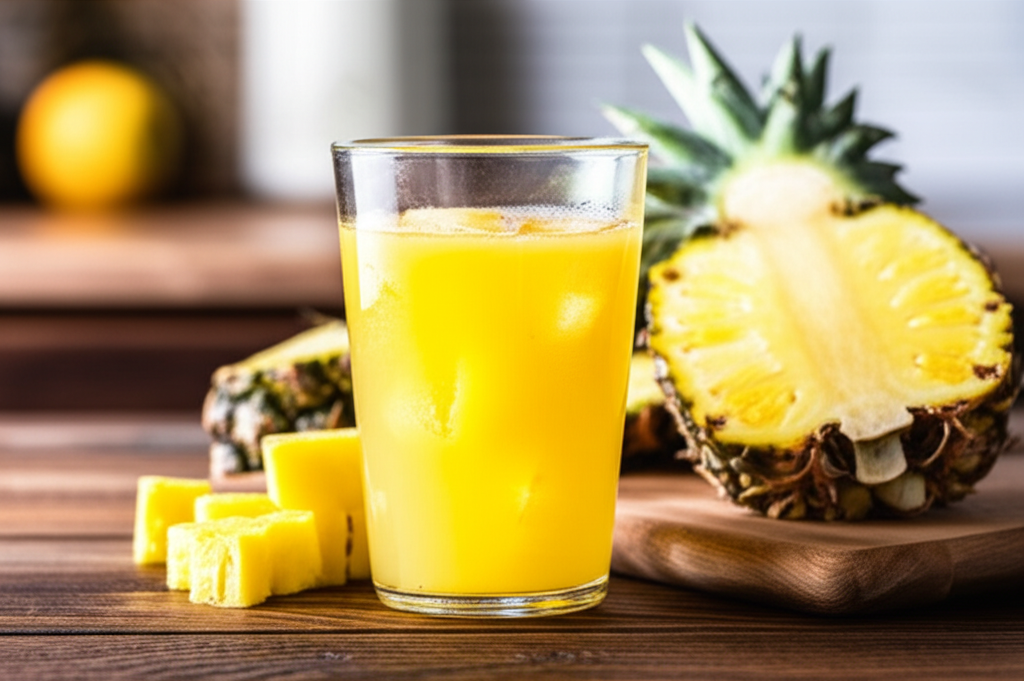
Yes, canned pineapple juice can go bad, but it has a surprisingly long shelf life if stored properly. Understanding the signs of spoilage and proper storage will help you enjoy its sweet, tropical flavor safely.
Ever stared at a can of pineapple juice in your pantry, wondering if it’s still good to sip? You’re not alone! That sunny, tropical flavor is delightful, but food safety is always a top priority. It can be frustrating to guess whether that can is still perfectly fine or if it’s time to toss it. But don’t worry! We’re here to reveal the simple truths about canned pineapple juice and how to tell if it’s past its prime. Get ready to feel confident about your pantry staples!
The Shocking Truth: Does Canned Pineapple Juice Go Bad?
Let’s dive right into the heart of the matter. The short answer is yes, canned pineapple juice can go bad. However, the “shocking truth” is that its shelf life is often much longer than many people realize, thanks to the canning process. Canning is a method of preserving food by sealing it in airtight containers and then heating them to a temperature that destroys microorganisms like bacteria, yeasts, and molds. This process effectively halts spoilage and extends the product’s usability significantly.
When we talk about canned pineapple juice going “bad,” we’re usually referring to two main things: spoilage that makes it unsafe to consume, and degradation of quality, where the taste, aroma, or nutritional value diminishes. Understanding the difference is key to making informed decisions in your kitchen.
Understanding Shelf Life: Best By vs. Expiration Dates
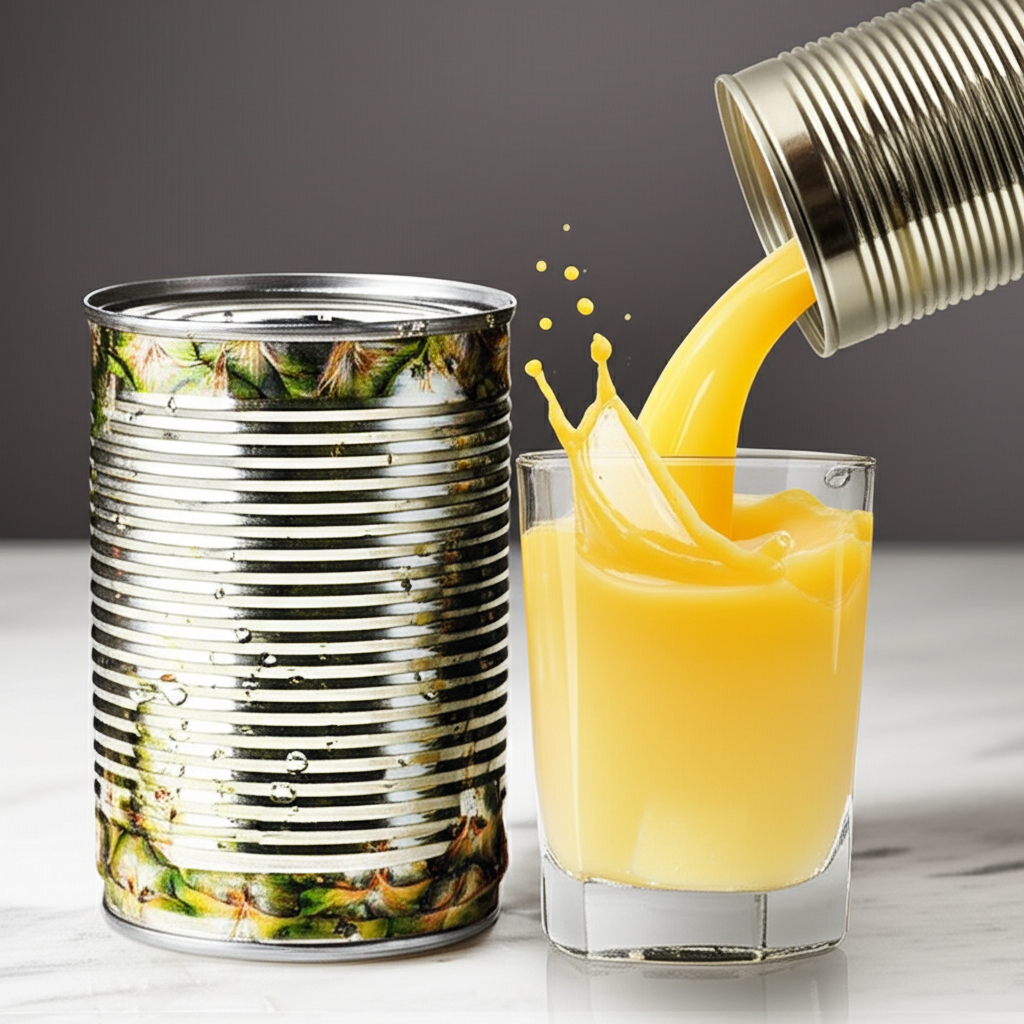
It’s important to differentiate between “best by” dates and actual expiration dates on canned goods. The “best by” or “best if used by” date printed on a can is an indicator of peak quality. After this date, the juice might not taste as fresh, and its nutritional content could slightly decrease, but it is generally still safe to consume if the can is in good condition. An actual “expiration date,” though less common on canned goods like pineapple juice, signifies a point after which the product is no longer considered safe or of acceptable quality.
The canning process is incredibly effective. According to the U.S. Department of Agriculture (USDA), properly canned foods can last for years. However, factors like storage conditions and the integrity of the can itself play a crucial role. So, while the juice inside is protected, the container is the potential weak link.
How to Tell if Canned Pineapple Juice Has Gone Bad
Spotting spoiled canned pineapple juice is all about observing the can and the juice itself. Your senses – sight and smell – are your best allies here. Before you even open the can, a quick inspection can save you from a less-than-pleasant experience.
Visual Cues: Inspecting the Can
The container is your first line of defense. Look for any of these warning signs:
- Bulging or Swollen Can: This is a major red flag. A bulging can often indicates the presence of gas produced by bacteria, meaning the food inside has likely spoiled. Do not open or consume the contents.
- Dented Can (especially on seams): While minor dents on the side might not be an issue, deep dents, particularly those on the top or bottom seams or along the rim, can compromise the seal, allowing air and bacteria to enter.
- Rust or Corrosion: Significant rust on the can, especially if it’s deep enough to cause pitting or holes, can indicate that the protective coating has failed, potentially leading to spoilage.
- Leaking: Any sign of liquid seeping from the can is a clear indication that the seal has been broken and the product is no longer safe.
Sensory Checks: What to Look (and Smell) For After Opening
If the can passes your visual inspection, it’s time to check the juice itself. Always open the can in a well-ventilated area.
- Off Odor: Fresh pineapple juice has a sweet, tropical aroma. If you open the can and detect a sour, fermented, yeasty, or otherwise unpleasant smell, discard the juice immediately.
- Unusual Color: While canned pineapple juice is typically golden yellow, a significant darkening or the presence of mold (which might appear as fuzzy spots of various colors) indicates spoilage.
- Foaming or Bubbling: If you notice any fizzing or bubbling when you open the can or pour the juice, it’s a sign of fermentation, meaning the juice has spoiled.
- Cloudiness or Sediment: While some natural settling can occur, excessive cloudiness or a slimy texture is not normal.
If you encounter any of these issues, err on the side of caution and discard the entire can. It’s not worth the risk of foodborne illness.
Proper Storage for Maximum Shelf Life
Storing your canned pineapple juice correctly is crucial for maintaining its quality and safety. The goal is to protect the can from damage and maintain a stable environment.
Unopened Cans: The Pantry’s Best Friend
For unopened cans of pineapple juice, the ideal storage location is a cool, dry, dark place. Think of your pantry or a cupboard away from heat sources.
- Temperature Stability: Aim for a consistent temperature between 50°F and 70°F (10°C and 21°C). Avoid extreme temperature fluctuations, which can stress the can and its seal.
- Avoid Humidity: High humidity can lead to rust on the can, so choose a dry spot.
- Keep it Dark: Sunlight and fluorescent lighting can degrade the quality of canned goods over time.
- Store Upright: While not strictly necessary for safety, storing cans upright can help prevent rust from forming on the bottom if there’s any moisture.
Opened Cans: What to Do Next
Once you’ve opened a can of pineapple juice, it needs to be handled differently. The protective seal is broken, and the juice is now exposed to air, which can cause oxidation and promote bacterial growth.
- Transfer to a New Container: Never store leftover juice in the opened can. Transfer it to a clean, airtight glass or plastic container.
- Refrigerate Promptly: Refrigeration is essential for opened canned pineapple juice. Place the covered container in the refrigerator immediately after opening.
- Consume Quickly: Opened canned pineapple juice should typically be consumed within 3 to 7 days. The exact timeframe can vary depending on the brand and how it was stored.
For example, the FDA FoodSafety.gov advises that opened canned goods, when properly refrigerated, are generally safe to consume within a few days. Always use your best judgment and the sensory checks we discussed earlier.
How Long Does Canned Pineapple Juice Last?
This is where the “shocking truth” really comes into play! Canned pineapple juice, when stored properly in its unopened state, can last for a remarkably long time.
Unopened Shelf Life
Most commercially canned pineapple juice has a “best by” date that is typically 18 to 24 months from the manufacturing date. However, even after this date, the juice is often still safe to drink for an additional 1 to 2 years, provided the can remains in excellent condition and has been stored correctly. This is thanks to the acidity of the pineapple juice itself, which acts as a natural preservative.
Opened Shelf Life
Once opened and properly refrigerated in an airtight container, canned pineapple juice typically lasts for about 3 to 7 days. It’s best to consume it within this window to ensure the best quality and safety.
Factors Affecting Shelf Life
Several factors can influence how long your canned pineapple juice remains good:
- Storage Temperature: Consistent, cool temperatures are best.
- Can Integrity: Any damage to the can compromises its shelf life.
- Acidity: The natural acidity of pineapple helps preserve it.
- Processing Method: The quality of the initial canning process matters.
Nutritional Benefits and Uses
Beyond just being a delicious beverage, pineapple juice offers some wonderful benefits. It’s a good source of Vitamin C, manganese, and contains bromelain, an enzyme that has been studied for its anti-inflammatory properties and its potential to aid digestion.
Hydration and Digestion
Pineapple juice is a great way to stay hydrated. Its natural sugars provide a quick energy boost, and its electrolyte content can be beneficial after physical activity. The bromelain in pineapple juice can help break down proteins, potentially aiding digestion, especially after a heavy meal. This makes it a popular choice for those looking for natural digestive support.
Wisdom Teeth Recovery and GERD
For individuals recovering from wisdom teeth removal, the smooth, cool liquid of pineapple juice can be soothing and provide essential hydration and nutrients without requiring chewing. Its natural anti-inflammatory properties may also be beneficial. However, for those with GERD or acid reflux, pineapple juice’s acidity can sometimes exacerbate symptoms. It’s often recommended to consume it in moderation or opt for less acidic juices if this is a concern.
Creative Culinary Uses
Canned pineapple juice isn’t just for drinking! It’s a fantastic ingredient in the kitchen:
- Marinades: The acidity and enzymes in pineapple juice can tenderize meats like chicken, pork, and beef.
- Smoothies: It adds a tropical sweetness and liquid base to your favorite smoothie recipes.
- Sauces and Glazes: Reduce it down to create delicious glazes for grilled or baked dishes.
- Baking: Use it as a liquid component in cakes, muffins, or even to moisten gingerbread.
Tips for Enjoying Canned Pineapple Juice Safely
To make sure you’re always enjoying your canned pineapple juice at its best, follow these simple tips:
- Check the Can First: Always perform a visual inspection of the can before purchasing and before opening.
- Store Properly: Keep unopened cans in a cool, dry, dark place.
- Refrigerate Leftovers: Transfer opened juice to an airtight container and refrigerate immediately.
- Use Within a Week: For opened juice, aim to consume it within 3-7 days.
- When in Doubt, Throw it Out: If you have any doubts about the safety or quality of the juice, it’s always best to discard it.
Frequently Asked Questions about Canned Pineapple Juice
Here are some common questions juice enthusiasts often ask:
Q1: Can I drink canned pineapple juice past its “best by” date?
A1: Yes, you often can, as long as the can is undamaged and properly stored. The “best by” date refers to peak quality, not safety. However, always check for signs of spoilage before consuming.
Q2: What does it mean if my canned pineapple juice is fizzy?
A2: Fizzing or bubbling in canned pineapple juice is a sign of fermentation, usually caused by bacteria or yeast. This means the juice has spoiled and should not be consumed.
Q3: How should I store opened canned pineapple juice?
A3: Always transfer opened pineapple juice from the can to an airtight glass or plastic container and store it in the refrigerator. Do not store it in the original can.
Q4: How long does opened canned pineapple juice last in the refrigerator?
A4: Opened and properly refrigerated canned pineapple juice should be consumed within 3 to 7 days for the best quality and safety.
Q5: Is it safe to eat pineapple from a dented can?
A5: If the dent is minor and on the side seam, it might be okay. However, if the dent is deep, on the top or bottom seam, or if there’s any rust, it’s safer to discard the can, as the seal may be compromised.
Q6: Can I freeze canned pineapple juice?
A6: Yes, you can freeze canned pineapple juice. Transfer it to a freezer-safe container, leaving some headspace for expansion, and it can last for several months. Thaw it in the refrigerator.
Conclusion: Sip with Confidence!
So, does canned pineapple juice go bad? Absolutely, but with the right knowledge, you can confidently enjoy its tropical goodness for a long time. By paying attention to the condition of the can and performing simple sensory checks after opening, you can ensure that your pineapple juice is always safe and delicious. Remember, proper storage in a cool, dry place for unopened cans and prompt refrigeration for opened ones are your best allies. Whether you’re sipping it straight, blending it into a smoothie, or using it in your culinary creations, canned pineapple juice remains a versatile and tasty pantry staple. Keep these tips in mind, and you’ll be sipping with confidence, knowing exactly when your juice is at its peak and when it’s time to let it go. Happy juicing!
