
Cranberry juice won’t “cleanse” your system in the way many believe, but it does offer powerful benefits for urinary tract health and hydration. This guide demystifies the hype, focusing on what cranberry juice truly does for your body and how to enjoy it safely and effectively.
Have you ever reached for cranberry juice hoping for a magical internal reset? You’re not alone! Many of us have heard whispers about cranberry juice “cleaning out” our system, but what does that really mean? It can be confusing to separate the myths from the genuine health perks. We’re here to help clear the air and show you the simple, delicious truth about what this vibrant juice can do for your well-being. Get ready to discover how to enjoy cranberry juice the right way, for real results you can feel!
Unpacking the “Clean Out” Myth: What Does Cranberry Juice Really Do?
Let’s dive straight into the big question: can cranberry juice clean out your system? The honest answer is no, not in the way a “detox” drink might promise. Cranberry juice doesn’t magically flush out toxins or reset your entire body. Your liver and kidneys are your body’s natural filtration system, and they do a fantastic job on their own!
However, this doesn’t mean cranberry juice isn’t beneficial. It’s just that its power lies in a more specific, well-researched area: supporting your urinary tract health.
The Science Behind Cranberry’s Power
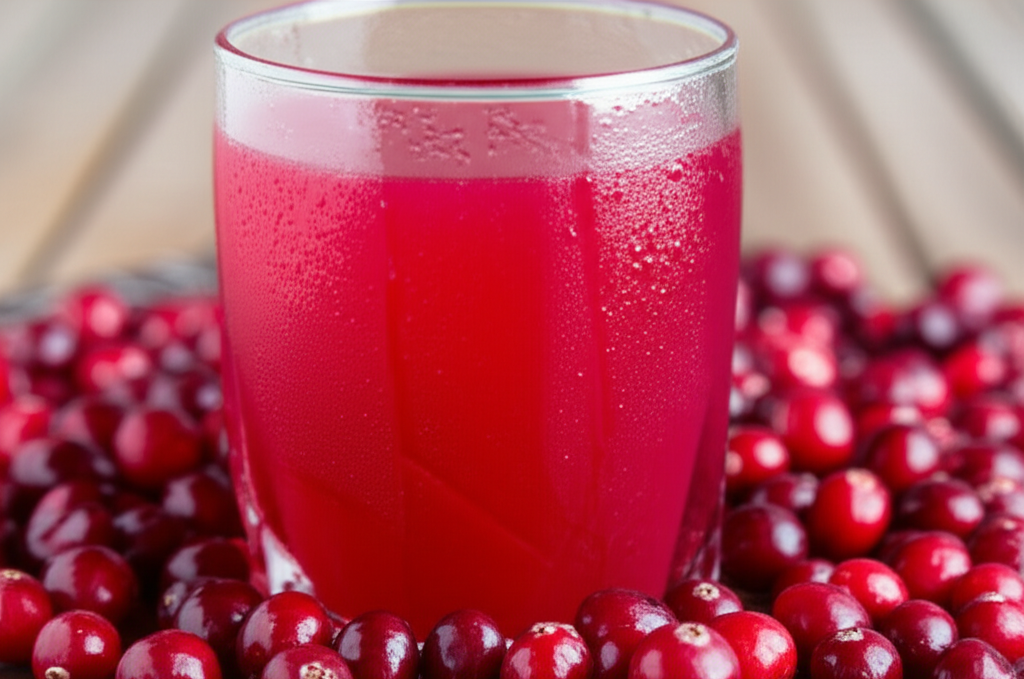
Cranberries are packed with compounds called proanthocyanidins (PACs). These are special antioxidants that have a unique ability to prevent certain bacteria, most notably Escherichia coli (E. coli), from sticking to the walls of your urinary tract. Think of it like a slippery coating that makes it harder for unwelcome guests to set up shop.
This mechanism is particularly helpful in preventing urinary tract infections (UTIs), a common and uncomfortable issue for many. By inhibiting bacterial adhesion, cranberry juice can help maintain a healthier urinary environment.
Hydration: A Simple Yet Crucial Role
Beyond PACs, cranberry juice is, well, juice! This means it contributes to your daily fluid intake. Staying hydrated is fundamental for overall health, supporting everything from digestion to kidney function. So, while not a “cleanse” in the detox sense, drinking cranberry juice is a tasty way to boost your hydration levels.
Decoding Cranberry Juice: What to Look For
Not all cranberry juice is created equal. To get the most benefit, especially for urinary tract support, you need to be a savvy shopper!
100% Cranberry Juice vs. Cranberry Juice Cocktail
This is where the confusion often starts. Many products labeled “cranberry juice” are actually cranberry juice cocktails. These are typically loaded with added sugars and often contain very little actual cranberry juice.
Why it matters: The high sugar content can counteract some of the natural benefits and isn’t ideal for overall health. For urinary tract benefits, you want to maximize PACs and minimize added sugar.
Key Differences at a Glance
| Feature | 100% Cranberry Juice | Cranberry Juice Cocktail |
|---|---|---|
| Cranberry Content | 100% | Often 10-25%, diluted with other juices |
| Sweetener | Naturally tart, may have no added sugar | High in added sugars (corn syrup, cane sugar) |
| Flavor | Tart, sometimes very sour | Sweeter, more palatable |
| Primary Benefit Focus | Urinary tract health, antioxidant support | Hydration, general beverage |
Choosing the Best Option
Read the label carefully: Look for “100% Cranberry Juice” or “Pure Cranberry Juice.”
Check the ingredients: The shorter, the better! Ideally, it should just be cranberries and water.
Beware of “from concentrate”: This is fine, but still check for added sugars.
Consider unsweetened: If you find unsweetened 100% cranberry juice, it’s your best bet for maximum PACs. You can then sweeten it yourself with a touch of honey or a natural sweetener if needed.
How to Incorporate Cranberry Juice for Real Benefits
Ready to enjoy cranberry juice for its actual, science-backed perks? Here’s how to do it effectively.
Step-by-Step Guide to Enjoying Cranberry Juice
1. Select your juice: As discussed, opt for 100% pure cranberry juice.
2. Dilute if necessary: Unsweetened cranberry juice can be quite tart. Mix it with an equal part of water or a splash of another natural juice (like apple or white grape) to make it more palatable. A common starting point is a 4-6 ounce serving per day.
3. Consider your goals: If you’re drinking it for urinary tract support, consistency is key. Many studies suggest drinking it daily.
4. Listen to your body: Some people find cranberry juice can cause stomach upset or diarrhea, especially in larger quantities. Start with a smaller amount and see how you feel.
5. Enjoy it as part of a balanced diet: Cranberry juice is a supplement to a healthy lifestyle, not a replacement for good eating habits and adequate hydration from water.
Creative Ways to Use 100% Cranberry Juice
Morning Elixir: Mix 2 oz of 100% cranberry juice with 6 oz of warm water and a squeeze of lemon for a refreshing morning drink.
Smoothie Booster: Add a splash of cranberry juice to your favorite fruit and vegetable smoothies for an antioxidant kick.
Hydration Infusion: Freeze cranberry juice into ice cubes and add them to your water for a hint of flavor and color.
Natural Marinade: The acidity of cranberry juice can tenderize meats. Use it as a base for marinades for chicken or pork.
Cranberry Juice and Specific Health Needs
While it’s not a cure-all, cranberry juice can be particularly helpful for certain individuals and conditions.
Urinary Tract Health
This is cranberry juice’s superpower. The PACs in 100% juice can help prevent bacteria from adhering to the bladder wall, potentially reducing the risk of UTIs. It’s important to note that while studies show promise, cranberry juice is not a substitute for medical treatment if you have a UTI.
For more information on preventing UTIs, resources like the National Institute of Diabetes and Digestive and Kidney Diseases (NIDDK) offer valuable insights into kidney and urinary tract health.
Hydration for Recovery
For those recovering from dental procedures like wisdom tooth removal, staying hydrated is crucial for healing. A diluted, pure cranberry juice can be a gentle and flavorful way to increase fluid intake. Its tartness can also be appealing when appetite is low.
Digestive Support (with Caution)
Some people find the natural acidity of cranberry juice aids their digestion. However, for individuals with acid reflux or GERD, the acidity might exacerbate symptoms. It’s always best to consult with a healthcare provider about whether cranberry juice is suitable for your specific digestive needs.
What About “Detox” and “Cleansing” Claims?
The term “detox” is thrown around a lot in the wellness world, and cranberry juice is often caught in the crossfire. Let’s be clear:
Your Body Detoxes Itself: Your liver, kidneys, skin, and lungs are constantly working to eliminate waste products and toxins.
No Scientific Evidence for “Detox” Juices: There’s no scientific proof that specific juices or juice blends can “detox” your system more effectively than your body’s natural processes.
Focus on Sustainable Habits: True well-being comes from consistent, healthy habits like a balanced diet, adequate hydration, regular exercise, and sufficient sleep.
While cranberry juice supports specific bodily functions, it doesn’t perform a system-wide “cleanse.” Understanding this distinction helps you make informed choices about your health.
Potential Side Effects and When to Be Cautious
While generally safe for most people in moderation, cranberry juice isn’t without potential downsides.
Sugar Content
As we’ve stressed, cranberry juice cocktails are high in sugar. Excessive sugar intake can lead to weight gain, increased risk of type 2 diabetes, and other health issues. Always check labels!
Digestive Upset
Some individuals may experience stomach upset, nausea, or diarrhea, particularly when consuming large amounts of cranberry juice. This is often due to the natural acidity or the concentration of certain compounds.
Interactions with Medications
Cranberry juice can potentially interact with certain medications, including blood thinners like warfarin. If you are on medication, it’s crucial to speak with your doctor before making cranberry juice a regular part of your diet.
Kidney Stones
Cranberries contain oxalates. For individuals prone to calcium oxalate kidney stones, consuming very large amounts of cranberry juice might increase the risk. Moderation is key, and consulting a doctor is advised if you have a history of kidney stones.
Making Your Own Cranberry Juice: The Ultimate Freshness
Want complete control over your cranberry juice? Making it at home is easier than you think and ensures you’re getting pure, unadulterated goodness.
Simple Homemade Cranberry Juice Recipe
This recipe focuses on pure cranberry flavor without added sugar.
Yields: Approximately 4 cups
Prep time: 5 minutes
Cook time: 10-15 minutes
Ingredients:
- 1 pound (about 4 cups) fresh or frozen cranberries
- 6 cups water, plus more for rinsing
- Optional: 1-2 tablespoons honey or maple syrup (for serving, if desired)
Equipment:
- Large saucepan
- Fine-mesh sieve or cheesecloth
- Bowl
Instructions:
- Rinse Cranberries: Thoroughly rinse the fresh or frozen cranberries under cool water. Discard any stems or soft berries.
- Simmer Cranberries: Place the rinsed cranberries in a large saucepan. Add 6 cups of water. Bring the mixture to a boil over medium-high heat, then reduce the heat to low, cover, and simmer for 10-15 minutes, or until the cranberries have popped open.
- Strain the Juice: Place a fine-mesh sieve over a large bowl. Carefully pour the cranberry mixture into the sieve. Gently press the berries with the back of a spoon to extract as much juice as possible. For an even clearer juice, line the sieve with cheesecloth before pouring.
- Cool and Store: Let the strained juice cool completely. Once cool, transfer it to an airtight container or bottle.
- Sweeten (Optional): Taste the juice. If it’s too tart for your liking, stir in honey or maple syrup to taste. Start with a small amount and add more as needed.
Homemade cranberry juice is best stored in the refrigerator and consumed within 5-7 days.
Frequently Asked Questions About Cranberry Juice
Q1: Can cranberry juice help with kidney stones?
While cranberry juice is known for urinary tract health, its oxalate content means very large amounts could potentially increase risk for certain individuals prone to calcium oxalate kidney stones. It’s best to consult your doctor if you have a history of kidney stones.
Q2: How much cranberry juice should I drink daily for UTIs?
For urinary tract health, many studies use amounts ranging from 8 to 16 ounces of 100% cranberry juice per day, often divided into smaller servings. However, it’s crucial to remember that cranberry juice is for prevention, not treatment. If you suspect a UTI, see a healthcare professional.
Q3: Is cranberry juice good for weight loss?
Pure cranberry juice itself isn’t a magic weight-loss drink. However, it’s lower in calories than many other juices and can be a healthier, flavorful alternative to sugary sodas, contributing to better hydration and potentially satisfying sweet cravings in moderation as part of a balanced diet.
Q4: Can I drink cranberry juice if I have diabetes?
It’s essential to choose 100% pure cranberry juice with no added sugars. Even then, it contains natural sugars. Monitor your blood sugar levels and consult with your doctor or a registered dietitian to see if and how it can fit into your diabetes management plan.
Q5: Does cranberry juice help with a hangover?
Cranberry juice can help with hydration, which is beneficial after drinking alcohol. Its antioxidants might offer some support, but it won’t “sober you up” or eliminate alcohol from your system. Water is still the most important fluid for hangover recovery.
Q6: Can I drink cranberry juice if I’m pregnant?
Pure cranberry juice is generally considered safe during pregnancy for hydration and potential UTI prevention. However, always discuss dietary changes and supplements with your healthcare provider during pregnancy to ensure they are appropriate for you and your baby.
The Sweet Truth: A Balanced Conclusion
So, can cranberry juice clean out your system? The short answer is no, it doesn’t perform a magical “detox.” Your body has its own efficient system for that. However, the real story of cranberry juice is far more exciting: it’s a potent ally for your urinary tract health, thanks to its unique compounds.
Choosing 100% pure cranberry juice, understanding its benefits beyond the “cleanse” myth, and enjoying it in moderation as part of a balanced lifestyle is the key. Whether you drink it diluted, add it to smoothies, or even make your own at home, you’re embracing a delicious way to support your body’s natural functions. Remember to always listen to your body and consult healthcare professionals when needed. Here’s to embracing the vibrant, healthful power of cranberry juice, the real* way!
