
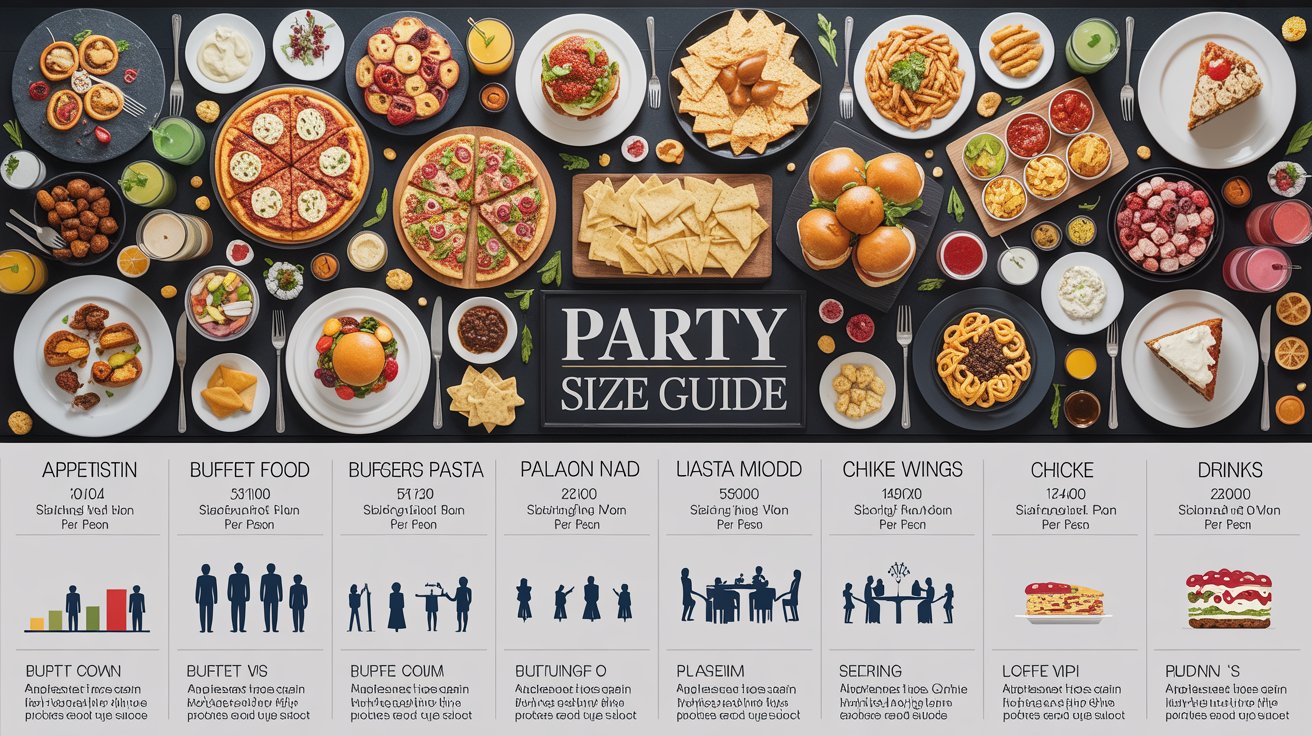
Planning food for a party can be stressful, especially when you’re unsure how much to prepare. Too little food may leave guests hungry, while too much can create unnecessary waste and extra expense. Understanding serving sizes for parties helps you estimate food quantities more accurately and create a balanced menu for any gathering. Whether you’re hosting a birthday, barbecue, office event, or holiday celebration, knowing standard serving portions makes party planning much easier.
Why Party Serving Sizes Matter
Serving sizes are important because guests eat differently depending on the type of event, time of day, and available food options. A casual dinner party usually requires larger portions than an afternoon snack gathering.
Proper portion planning also helps with budgeting, grocery shopping, and reducing leftovers. Caterers and event planners rely on serving guides to estimate food quantities and ensure guests have enough variety without excessive waste.
Understanding standard serving sizes creates a smoother and more enjoyable party experience for everyone.
Standard Party Food Serving Sizes
Different foods require different portion estimates. Here are the most common serving guidelines used for parties and gatherings.
Party Serving Size Chart
| Food Type | Standard Serving Per Person | Best For |
|---|---|---|
| Appetizers | 4–6 pieces | Short parties or starters |
| Main Course Protein | 150–225g | Lunches and dinners |
| Side Dishes | 1/2–1 cup | Pasta, rice, vegetables |
| Salad | 1 cup | Buffets and dinners |
| Chips/Snacks | 30–50g | Casual gatherings |
| Cake/Dessert | 1 slice or serving | Birthdays and celebrations |
| Drinks | 2–3 beverages per hour | Most parties |
Serving sizes vary depending on party length and guest appetite.
Choosing The Right Portions For Different Party Types
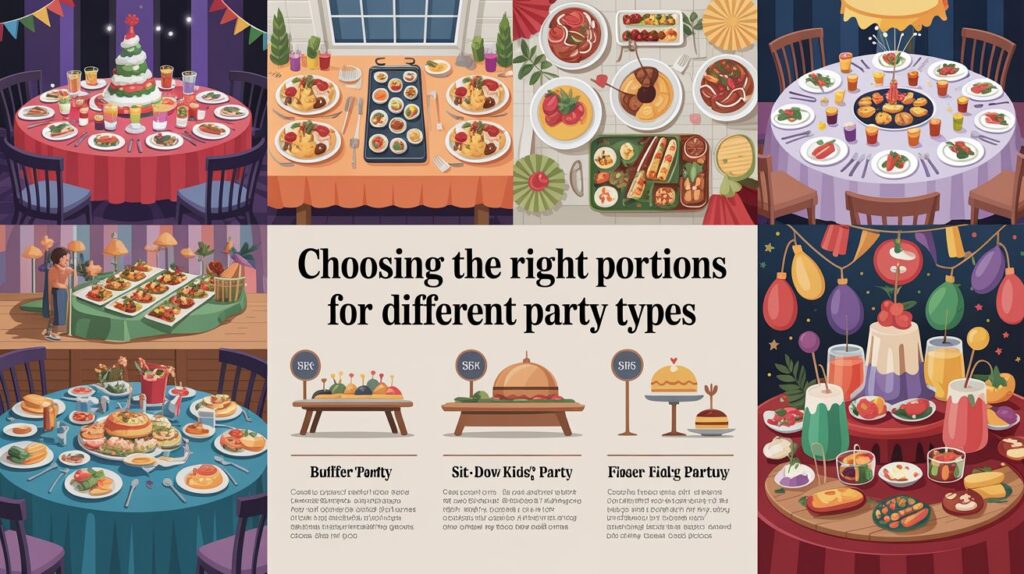
The best serving sizes depend on the style of event you’re hosting. Here are some general recommendations:
- Cocktail Parties: Focus on appetizers and finger foods.
- Buffets: Plan slightly larger portions because guests serve themselves.
- Sit-Down Dinners: Standard meal portions work best.
- Kids’ Parties: Smaller portions are usually enough.
- Holiday Gatherings: Guests often eat more because of variety.
If alcohol is served, guests may snack more frequently throughout the event.
Party Serving Size Comparison: Buffet Vs. Plated Meals
Serving style changes how much food people typically eat.
Buffet vs Plated Party Portions
| Serving Style | Portion Size | Food Waste Risk |
|---|---|---|
| Buffet | Larger guest portions | Higher |
| Plated Meals | Controlled portions | Lower |
Buffets often require 10–15% more food because guests take larger portions.
Serving Sizes For Popular Party Foods
Different party foods require different portion planning.
Popular Party Food Portion Guide
| Food Item | Serving Per Person |
|---|---|
| Pizza | 2–3 slices |
| Pasta | 1–1.5 cups |
| Chicken Wings | 6–10 wings |
| Burgers | 1–2 burgers |
| Chips & Dip | 1–2 handfuls |
| Cupcakes | 1–2 cupcakes |
Adjust portions depending on how many menu options are available.
Visual Guide: Party Serving Sizes
Visual comparisons can make party planning easier.
Party Portion Visual Chart
| Food Type | Visual Comparison | Typical Portion |
|---|---|---|
| Meat/Protein | Deck of cards size | Standard serving |
| Pasta/Rice | Baseball-sized portion | 1 cup |
| Chips/Snacks | Small handful | Snack serving |
| Cake Slice | Smartphone width | Dessert serving |
Tips For Estimating Party Food Portions
- Know your guest count: Accurate estimates start with attendance.
- Consider event length: Longer parties require more food.
- Offer variety: Multiple dishes reduce demand for each item.
- Plan extra snacks: Finger foods disappear quickly.
- Account for leftovers carefully: Some leftovers are useful, but too much creates waste.
Balanced planning helps guests feel satisfied without overspending.
Common Mistakes When Planning Party Servings
- Underestimating appetizers: Guests often eat more snacks than expected.
- Ignoring beverage needs: Drinks are commonly underestimated.
- Serving oversized desserts: Smaller dessert portions usually work well.
- Not adjusting for guest age: Children and adults eat different amounts.
Understanding portion sizes improves both budgeting and guest satisfaction.
How Party Size Affects Food Portions
Larger parties often require slightly smaller portions per person because guests usually sample more dishes instead of eating full portions of everything.
Smaller gatherings may require larger portions because guests focus on fewer menu items.
Balancing food quantity with menu variety creates better events overall.
The Evolution Of Party Portion Planning
Traditional parties often relied on large buffet spreads with generous portions. Modern party planning focuses more on balanced serving sizes, food variety, and reducing waste.
Today, caterers and hosts commonly use serving charts and calculators to estimate portions more accurately.
Frequently Asked Questions
How Much Food Should I Prepare Per Person For A Party?
It depends on the event type, but most dinner parties require one main serving plus sides and dessert per guest.
How Many Appetizers Do I Need Per Person?
Plan about 4–6 appetizer pieces per guest for shorter events and more for longer cocktail parties.
How Much Pizza Do I Need For A Party?
Most adults eat about 2–3 pizza slices each.
Should Buffets Have Extra Food?
Yes, buffets usually require slightly more food because guests serve themselves larger portions.
How Many Drinks Should I Plan Per Guest?
Plan about 2–3 drinks per guest for each hour of the party.
Serving sizes for parties may seem like a small detail, but they greatly affect budgeting, food waste, and guest satisfaction. Whether you’re hosting a casual gathering or a large celebration, understanding proper party serving sizes helps ensure everyone leaves happy and well-fed.
