
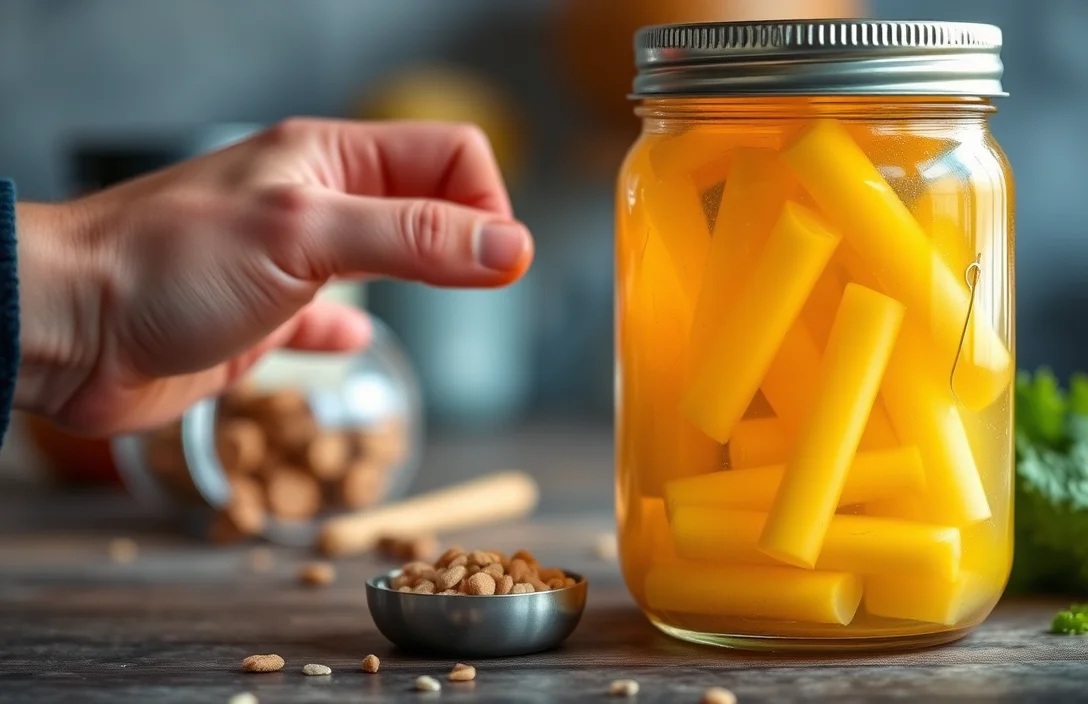
Seventy percent of home cooks express anxiety about opening canned jars safely. Proper techniques can enhance your cooking experience and ensure food safety, making canning an enjoyable hobby. Mastering this skill is essential for anyone looking to preserve their favorite foods efficiently.
Follow these key points: Always check the seal before opening, use a can opener for jars with metal lids, and ensure proper sanitation throughout the process. Understanding these basics will build your confidence in canning.
Understanding Types of Canned Jar Lids
Metal lids serve as the most common choice for canning. These lids feature a rubber seal that creates an airtight environment once processed. Understanding their function is crucial, as a proper seal ensures the safety and longevity of your canned goods.
Plastic lids offer a reusable alternative, typically found on jars meant for freezing rather than canning. While convenient, they may not provide the same airtight seal as metal options, making them less suitable for long-term storage of low-acid foods.
Two-piece lids consist of a flat metal lid and a separate screw band. This design allows for easy opening and resealing. The lid creates the seal during processing, while the band holds it in place. Proper handling of both components is vital for effective preservation.
Specialized lids exist for fermentation and other preservation methods, like vacuum-seal lids. Each type serves a unique function, so choosing the right lid is essential for successful canning. Familiarizing yourself with these options enhances your understanding of safe canning practices.
Using a Jar Key Tool Effectively
Start by positioning the jar key beneath the lid’s edge. This tool is designed to help break the seal without damaging the jar. Ensure you have a firm grip on the jar to prevent it from moving while you work.
- Insert the blade of the jar key under the lid’s edge, aiming for a spot where the seal meets the jar.
- Gently push the handle down, which will create a small gap. Listen for a pop sound indicating that the seal has broken.
- Remove the jar key and check for any remaining tightness in the lid. If necessary, repeat the process in another area of the lid.
- Once the seal is fully broken, carefully twist off the lid by hand. If it resists, use the jar key again to assist.
- After removing the lid, inspect the sealing surface for any residue or damage that could affect future use.
Following these steps will ensure you can open jars safely and efficiently. Mastering this technique will enhance your canning experience.
Recognizing Importance of Safety Seals
Safety seals play a crucial role in food preservation. They ensure that the contents of your jars remain uncontaminated and safe for consumption. A properly sealed jar indicates that the vacuum seal is intact, preventing air and bacteria from entering. Before opening, always inspect the jar for any signs of damage or breaks.
Visual checks are essential for safety. Look for a tight seal, indicated by a flat lid that doesn’t pop when pressed. If the lid flexes, the seal has been compromised, and the contents may not be safe to eat. Trust your instincts; if anything seems off, it’s best to discard the jar.
Understanding the importance of proper sealing techniques can greatly enhance your canning success. Employing methods like water bath canning or pressure canning helps create a reliable seal. Following these practices ensures the longevity of your preserved foods while maintaining their safety.
Lastly, remember that safety seals are your first line of defense. Always prioritize checking seals before opening any canned jar. This simple step can prevent foodborne illnesses and keep your canning experience enjoyable and secure.
Employing Best Methods for Opening
Using a can opener designed for jars ensures a safe opening process. Place the jar on a stable surface and position the opener’s blade on the lid’s edge. Squeeze the handle gently until the blade pierces the lid, then turn the handle to cut through the seal. This method minimizes the risk of glass breakage and keeps the integrity of the jar intact.
Maintaining a firm grip on the jar prevents slipping during the process. If you notice any resistance, stop and reassess the placement of the opener. An improper angle can lead to uneven cutting or damage. Always keep your hands dry to avoid accidents; moisture can make the jar more difficult to handle.
Employing a rubberized jar grip can enhance your control while opening. These grips provide additional traction, helping you maintain a steady hold. When using this tool, place it over the lid before applying pressure with the can opener. This extra layer of security supports a more effective opening without risking injury.
Inspecting the jar for any signs of damage is crucial before attempting to open it. Cracks or chips can lead to serious accidents and spoilage. If the jar appears compromised, discard it immediately. Safety should always be your top priority during the food preservation process.
Strategies for Dealing with Stuck Lids
Warmth can often help loosen stubborn jar lids. Submerging the lid in hot water for a few minutes allows the metal to expand slightly, making it easier to twist off. Ensure that the jar itself does not get too hot, so hold it carefully while applying this method.
Pressure can also be applied using various tools. Consider these options:
- Rubber grip pads increase friction and enhance grip when twisting the lid.
- Jar openers come in various designs; select one that fits comfortably in your hand.
- Using a spoon, gently pry under the lid’s edge to break the vacuum seal.
Another effective trick involves tapping the lid gently. Use the handle of a wooden spoon to tap around the edges of the lid. This can help break any tight seal that has formed, allowing for easier removal.
Safety is essential while attempting these methods. Always ensure you are not applying excessive force that could lead to injury or breakage. Keeping your hands dry and using a cloth for grip can further prevent slipping during the process.
Preventing Jar Breakage During Opening
Support the jar with a towel when attempting to open it. This simple technique provides stability and reduces the risk of slipping, which can lead to breakage. Ensure your grip is firm but gentle to avoid applying excessive pressure on the glass.
- Use a towel to wrap around the jar, offering both grip and protection.
- Hold the jar firmly with one hand, using the towel to cushion against any sudden movements.
- Apply gentle pressure to the lid with your other hand, rotating it slowly to break the seal.
Taking these precautions will help prevent accidents and ensure a safe opening process. Remember, patience is key when dealing with sealed jars.
Cleaning Jar Edges After Opening
Cleaning jar edges is crucial for safety. After opening a canned jar, inspect the rim for any food residue or sharp edges. Use a clean cloth or paper towel to wipe the rim thoroughly. This process ensures that no contaminants mix with the food you’re about to consume, maintaining both hygiene and flavor quality.
Inspecting the rim should be done carefully. Examine the edges for any signs of damage or sharp metal pieces that could cause injury. If you notice any irregularities, discard the jar immediately to avoid potential harm. Ensuring a clean and safe opening is essential for a positive canning experience.
Rinsing the jar before use can prevent cross-contamination. If you’re reusing jars for canning, make sure to wash them in hot, soapy water, including the lids. This extra step guarantees that your food remains safe and free from any harmful bacteria that could have lingered from previous contents.
Storing opened jars properly is just as important. After cleaning, cover the jar with a clean lid or plastic wrap and refrigerate any leftovers promptly. This prevents spoilage and keeps your food fresh for longer periods, allowing you to enjoy your preserved items safely.
Quick Summary
- Ensure you have the right tools: a can opener or a jar opener.
- Inspect the jar for any damage or broken seals before opening.
- Hold the jar firmly on a stable surface to prevent slipping.
- If using a can opener, position it correctly and apply even pressure.
- For jars with vacuum seals, tap the lid gently to release the pressure before opening.
- Use a towel or rubber grip for better traction if the lid is stuck.
- Store opened jars in the refrigerator and consume them within the recommended time frame.
Frequently Asked Questions
How do I safely open a canned jar?
To safely open a canned jar, first ensure that the lid is not bulging or damaged. Use a can opener to remove the lid carefully, applying even pressure. If using a jar with a screw-on lid, twist it counterclockwise until it loosens.
What should I do if the lid is stuck?
If the lid of your canned jar is stuck, try running the jar under warm water for a few minutes. The heat can help expand the metal, making it easier to twist off. You can also use a rubber grip or jar opener for better leverage.
Can I use a knife to pry open a sealed jar?
It is not recommended to use a knife to pry open a sealed jar, as this can be dangerous and may break the jar. Instead, use proper tools such as a can opener or a specialized jar opener designed for safe and effective opening.
What are the signs that a canned jar is unsafe to open?
Look for signs such as bulging lids, leaks, or any off odors when opening the jar. If the jar is damaged or shows signs of spoilage, do not attempt to open it, as it could be unsafe to consume the contents.
How do I store leftover contents after opening a canned jar?
After opening a canned jar, transfer any unused contents to a clean, airtight container and store it in the refrigerator. Make sure to consume the leftovers within a few days for optimal freshness and safety.
