
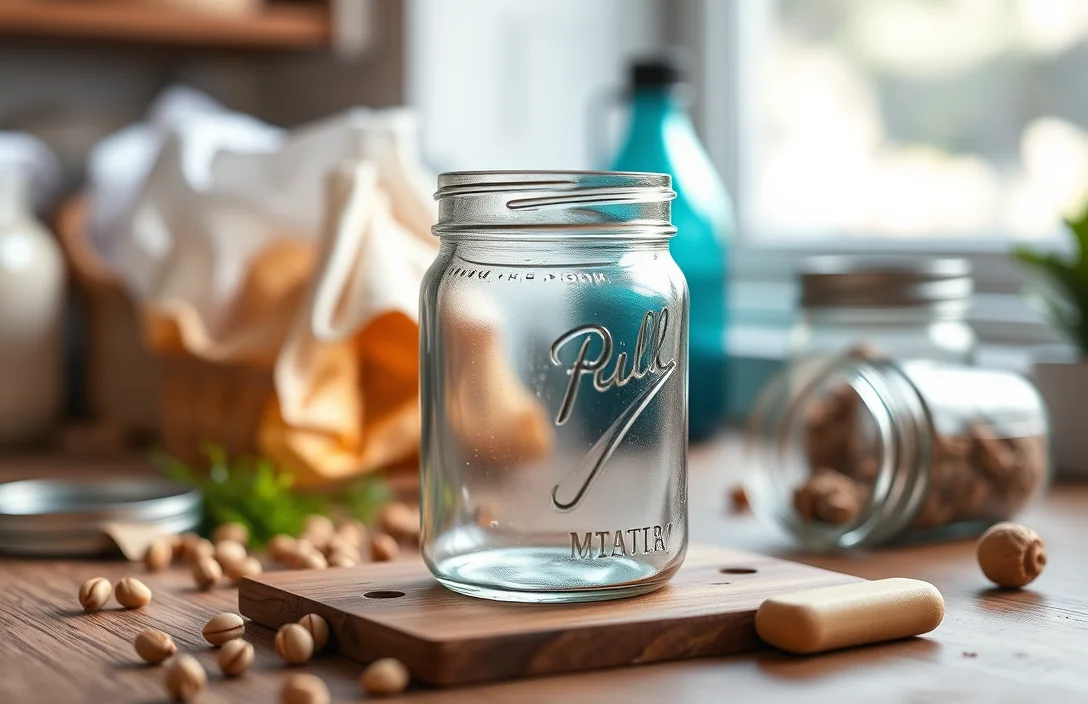
Seventy-five percent of adults struggle with opening tight jars at least once in their lifetime. This common household frustration often leads to wasted ingredients and time, but with the right techniques, you can conquer any stubborn lid effectively and efficiently.
Mastering this skill involves using hot water, rubber grips, or tapping the lid. These methods can significantly increase your chances of success, ensuring you enjoy your favorite foods without hassle.
Understanding Common Jar Types
Glass jars are the most common type used for food storage, preserving, and canning. Their airtight seals maintain freshness and prevent spoilage. Typically, these lids are metal or plastic, which fit tightly to create a vacuum seal. Understanding the seal type can help you determine the best techniques to open them.
Plastic jars, often used for items like peanut butter or sauces, feature screw-on lids that can become stuck over time. These lids are generally easier to manipulate than glass, but old food residue can cause them to jam. Knowing how to handle these lids is essential for a successful opening.
Specialized jars, such as those used for pickling or fermenting, often have rubber gaskets and clamps. These jars create a stronger seal, making them tougher to open. Identifying the jar type allows you to apply the right techniques, ensuring a smoother process.
Wide-mouth jars offer greater accessibility for reaching contents but might have tighter seals. Conversely, narrow-mouth jars can be more challenging to grasp while attempting to open them. Recognizing these differences helps you prepare for the task ahead.
Effective Grip Techniques for Jars
Gripping the jar securely is crucial. Use both hands to create a solid hold. Place one hand on the lid and the other around the jar’s body. This dual grip stabilizes the jar, preventing it from slipping while you twist the lid. Ensure your hands are dry, as moisture can reduce grip strength significantly.
Employing a rubber mat or jar opener can enhance grip. These tools provide extra friction, making it easier to twist stubborn lids. Simply place the mat between your hands and the jar for added traction. This method is particularly effective for those with limited hand strength or dexterity.
Utilizing the palm of your hand efficiently aids in grip. Instead of twisting with fingers alone, press your palm against the lid while turning. This technique distributes pressure evenly across the lid, reducing the risk of slipping. Make sure to apply consistent, firm pressure as you turn.
Alternating grip positions can yield better results. Shift your grip from palm to fingertips and back again as needed. This variation prevents fatigue and allows for different angles of force application. Experimenting with grip positions can reveal the most effective way to open each specific jar.
Applying Heat to Loosen Lids
Heat effectively expands metal lids, making them easier to remove. To implement this technique, run the jar lid under hot water for about 30 seconds. The heat will cause the metal to expand slightly, reducing the grip on the glass jar. Always ensure the jar itself is not exposed to extreme temperature changes to avoid cracking.
Using a hairdryer can also achieve similar results. Direct the heat at the lid for about 15-20 seconds. Keep the dryer about 6 inches away to prevent overheating any one spot. After heating, immediately try to twist the lid off, as the expansion will assist in loosening it.
Microwave heating is another option for some jars. Remove the lid and place the jar (without any metal) in the microwave for a few seconds. Monitor closely, as overheating can ruin the contents. After microwaving, the jar should be easier to open thanks to the heat applied to the glass.
Applying heat via a towel soaked in hot water is also effective. Wrap the towel around the lid for a minute, allowing the warmth to penetrate. This method works well for jars that are difficult to grip, as the heat helps the lid loosen while adding friction to your grip.
Kitchen Tools to Open Jars
Various tools exist specifically designed to assist in jar opening. Jar openers, often featuring rubber grips or ergonomic handles, can provide the necessary leverage to break stubborn seals. They come in different styles, including handheld models and more complex devices that clamp around the jar’s lid. Investing in one can greatly simplify the task.
Grip pads are another practical option. These flexible, textured pads can be placed over the jar lid, allowing for a firmer hold. By enhancing the friction between your hand and the lid, they reduce the chances of slipping. They are lightweight, easy to clean, and can be stored conveniently in kitchen drawers.
Wrench-style openers can tackle larger jars. Designed to grip the lid firmly, these tools help apply even pressure while turning, minimizing the risk of injury. Most models allow for adjustable sizes, accommodating various jar lid diameters. They can be particularly useful for stubborn lids that resist standard methods.
Electric jar openers are also available. These battery-operated devices automatically twist the lid off with the push of a button. Although they require an initial investment, they can be a great option for those with limited hand strength or arthritis. Convenience and ease of use are their key benefits.
Rubber Band Hacks for Better Grip
Rubber bands significantly enhance grip strength. Wrapping a thick rubber band around the jar lid provides additional friction, making it easier to twist open. This simple yet effective hack can be a game-changer when facing stubborn jars. Select a band that is wide enough to cover the entire lid for optimal results.
Adding multiple bands can increase effectiveness. If one band doesn’t provide enough grip, stacking two or more around the lid will amplify the friction. Experiment with different sizes and thicknesses to find the best combination for your specific jar. Testing various configurations can lead to successful results in opening tightly sealed containers.
Positioning your hands correctly matters. After securing the rubber band around the lid, ensure your grip is firm and fingers are well-positioned. Use your palm to apply pressure while twisting the lid. This technique distributes force more evenly, allowing you to exert more torque without slipping.
Keeping the jar stable is vital. Placing the jar on a non-slip surface, like a dish towel or rubber mat, helps prevent it from moving while you work on the lid. Stability increases your ability to apply the necessary force to break the seal, making it easier to achieve victory over the tight jar.
Tapping and Other Physical Methods
Tapping the lid effectively helps. Hold the jar securely in one hand. With the other hand, gently tap the lid’s edge against a hard surface, like a countertop. This action creates vibrations that can help loosen the seal. Repeat this several times, focusing on the edges, which are most likely to break the vacuum seal.
Applying force with a tool works well. Use a wooden spoon or a rubber mallet to strike the lid gently. The impact can help break the tight seal but be careful not to damage the jar. Ensure you’re using enough force without risking injury or breaking the jar.
Warming the lid can also assist. Run hot water over the lid for 30 seconds to expand the metal. Alternatively, place the jar in a bowl of hot water for a few minutes. This method can make the lid expand slightly, making it easier to twist off.
Gripping the jar firmly matters. Place the jar on a stable surface, and use your body weight to push down as you turn the lid. This technique can leverage your strength more effectively than just using your hands alone.
Water Submersion Techniques
Submerging the jar in hot water effectively loosens tight lids. The heat expands the metal lid, creating space between the lid and the jar. This simple method is often overlooked but can yield quick results.
- Fill a bowl or sink with hot water. Ensure the water temperature is high enough to be effective but not boiling to avoid burns.
- Place the jar upside down in the hot water, ensuring the lid is submerged. Allow it to sit for about 5 to 10 minutes.
- Remove the jar from the water and dry it off. Grip the jar firmly using a towel to prevent slipping.
- Twist the lid counterclockwise while applying steady pressure. The combination of heat and moisture should have loosened the lid, making it easier to open.
Applying this technique is particularly useful for jars that haven’t been opened in a while or have been stored in a cold environment. Always exercise caution and ensure the jar is stable to prevent any accidents.
Quick Summary
- Tap the lid gently with a spoon to break the seal.
- Use hot water to expand the metal lid, making it easier to open.
- Wrap a rubber band around the lid for better grip.
- Try using a jar opener tool for extra leverage.
- Run the jar under cold water to shrink the glass and loosen the lid.
- Apply pressure to the bottom of the jar while twisting the lid.
- Use a towel for added grip and to prevent slipping.
Frequently Asked Questions
What are some easy methods to open a tight jar?
One common method is to tap the lid gently with a spoon to break the seal. Another option is to run hot water over the lid for a few minutes to expand the metal, making it easier to twist off.
Can I use rubber gloves or a jar opener tool?
Yes, wearing rubber gloves can provide a better grip and help you twist the lid more easily. Additionally, jar opener tools are specifically designed to provide leverage and grip, making it easier to open stubborn jars.
Is there any risk of breaking the jar or spilling its contents?
While most jars are sturdy, excessive force can lead to breakage or spillage. It’s best to use gentle pressure and try multiple techniques to avoid causing damage or injury.
What should I do if the jar is still stuck after trying several methods?
If the jar remains stuck, consider using a rubber band around the lid for added grip or tapping the lid with a wooden spoon. If you still can’t open it, asking someone for help might be the safest option.
Are there any preventative measures to avoid jars getting stuck in the first place?
To prevent jars from becoming too tight, try to store them in a cool, dry place and avoid extreme temperature changes. Additionally, ensure that the lids are not overtightened during sealing.
