
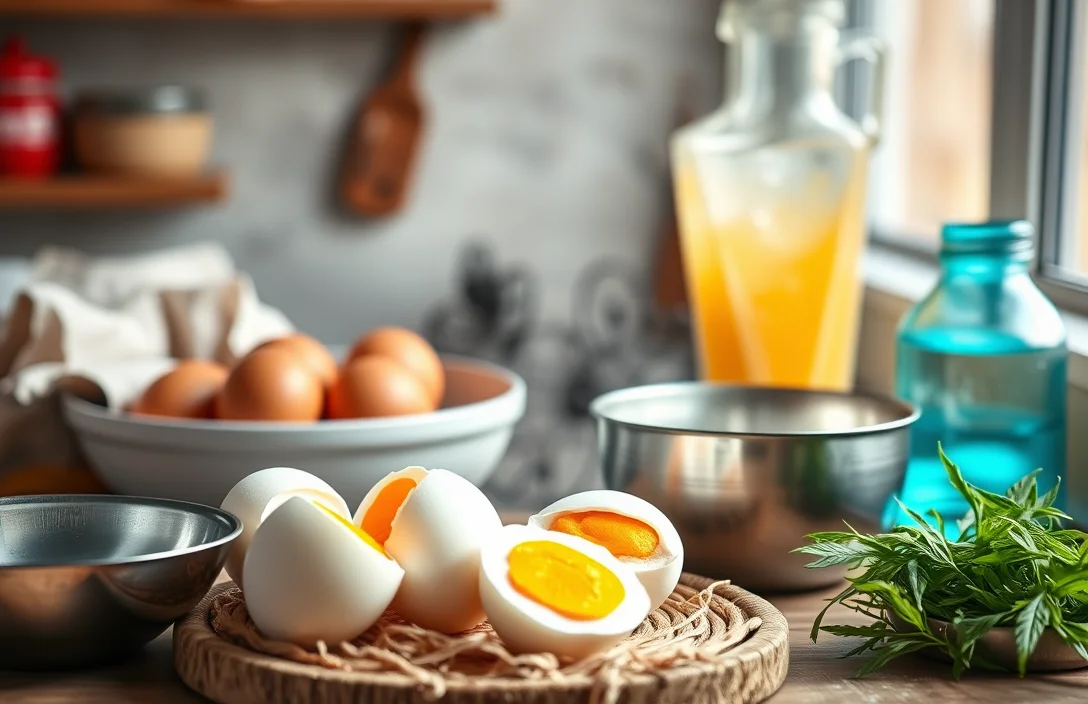
Boiling eggs seems simple, yet 30% of home cooks struggle with achieving the perfect consistency. YouTube offers countless tutorials that can save time and frustration, making the process easier than ever. Watching just one video can transform your egg-cooking skills dramatically.
Follow these key points for perfect boiled eggs: time your cooking accurately, cool them in ice water afterward, and choose the right size of eggs for optimal results. Videos illustrate these steps clearly, ensuring you replicate the method effortlessly.
Choosing the Right Egg Types
Fresh eggs are ideal for boiling. They provide a firm white and a vibrant yolk, resulting in a visually appealing and tasty dish. Look for eggs that are clean, uncracked, and stored in a refrigerated environment. A fresh egg will have a slightly elevated position in water, while stale eggs tend to float.
Medium-sized eggs often yield the best results. Their size strikes a balance between cooking time and texture. While large eggs are common, they can sometimes lead to overcooked whites or undercooked yolks if the boiling time is not adjusted properly.
Organic and free-range eggs are excellent choices. These options typically come from hens raised in healthier environments, which can enhance flavor and nutrient content. Many enthusiasts prefer their taste, believing it surpasses that of conventional eggs.
Specialty eggs, such as quail or duck eggs, can also be boiled. These types require different cooking times due to their size and shell thickness. Experimenting with various types adds a unique twist to traditional boiled eggs.
Local farm eggs often present superior quality. Sourcing them directly from farmers allows you to ensure freshness and flavor. Many local farmers sell their eggs with a guarantee of quality, making them a reliable choice for boiling.
Essential Preparation and Tools Needed
Gathering the right tools ensures a smooth boiling process. Essential items include a pot, water, and eggs. A medium-sized pot should suffice for boiling up to a dozen eggs at once. Selecting the right pot prevents overcrowding and promotes even cooking.
- Fill a pot with water. Aim for enough water to cover the eggs by about an inch. This measurement allows for proper cooking and prevents the eggs from bouncing around during boiling.
- Place the eggs gently in the pot. Careful placement reduces the risk of cracking. Position them in a single layer for consistent heat distribution.
- Check for cracks before boiling. Inspect each egg carefully. Discard any with visible cracks, as they may leak during cooking, affecting the boiling process.
- Consider using a lid for boiling. Covering the pot helps retain heat and speeds up the boiling process. This method saves energy and time.
- Prepare an ice bath in a separate bowl. Fill it with ice and cold water. This step is crucial for stopping the cooking process and ensuring easy peeling.
Guidelines for Boiling Time
Boiling eggs requires precise timing to achieve your desired doneness. Generally, the cooking times vary based on the size and freshness of the eggs, as well as your preference for hard or soft yolks. Below are recommended boiling times for different outcomes.
Soft-boiled eggs need about six to seven minutes in simmering water. This timeframe results in a warm, runny yolk surrounded by a tender white. For those who appreciate a slightly firmer texture, aim for seven to eight minutes.
Medium-boiled eggs achieve a creamier yolk after eight to nine minutes of boiling. This method yields a soft center that is not completely liquid but still pleasantly moist. Ideal for salads, these eggs can enhance various dishes.
Hard-boiled eggs require ten to twelve minutes of boiling time. At this point, the yolk is fully set, firm, and perfect for slicing, mashing, or using in egg salad recipes. Adjusting the time slightly can yield different textures, so experiment to find your preference.
For optimal results, refer to instructional videos on how to boil eggs. Visual demonstrations can clarify timing and techniques, ensuring your eggs turn out just right every time.
Benefits of Using an Ice Bath
Cooling boiled eggs in an ice bath immediately stops the cooking process. This method ensures that the eggs do not continue to cook in their residual heat, preventing overcooking and resulting in a more desirable texture. By using this technique, you achieve a perfect, tender egg white and a creamy yolk.
Rapid temperature drop aids in easier peeling. The shock of the cold water creates a slight contraction of the egg white, which helps to separate it from the shell. This separation minimizes the risk of tearing the egg while peeling, leading to a more pleasing presentation.
- Enhanced texture by halting cooking.
- Improved appearance due to cleaner shells.
- Prevention of green rings around yolks.
Implementing an ice bath is a simple yet effective technique. After boiling, transfer the eggs directly to ice water for about 5-10 minutes. This method not only enhances quality but also makes the overall boiling process more efficient.
Effective Peeling Techniques
Cracking the shell properly is essential for easy peeling. Start by tapping the egg gently on a hard surface to create small cracks around the shell. This helps loosen the shell without damaging the egg inside. Ensure to cover the entire surface for optimal results.
Rolling the egg can also assist in peeling. After cracking, place the egg on the counter and roll it gently with your palm. This action can help break more of the shell, making it easier to peel off in larger pieces.
Using cold water can aid in separating the shell from the egg. Hold the egg under cold running water while peeling. The water can get between the shell and the egg, allowing the shell to slide off effortlessly.
Employing a spoon can provide a unique method for peeling. Once the shell is cracked, slide the spoon under the shell and gently lift it away from the egg. This technique is particularly effective for eggs that may have stubborn shells.
Considering freshness, older eggs tend to peel more easily than fresh ones. If you plan to boil eggs, buy them a week in advance. This simple tip can save you from frustrating peeling experiences and ensure a smoother process.
Storage Tips for Boiled Eggs
Boiled eggs require proper storage to maintain freshness and flavor. Keeping them in the right conditions can extend their shelf life and ensure they remain safe to eat. Following these steps will help you effectively store your boiled eggs.
- Refrigerate boiled eggs promptly. Cooling them quickly helps prevent bacterial growth. Place them in the refrigerator within two hours after cooking.
- Store eggs in their shells. Keeping the shells intact provides a natural barrier against bacteria and helps preserve moisture.
- Use airtight containers. For added protection, transfer the boiled eggs to an airtight container if you’ve already peeled them. This prevents them from absorbing odors from other foods.
- Label containers with dates. Marking the storage date on the container helps track freshness. Ideally, consume boiled eggs within one week.
- Freeze for long-term storage. If you want to keep boiled eggs longer, consider freezing them. However, it’s best to peel them first, as the shells can crack during freezing.
Following these storage tips will ensure your boiled eggs stay fresh and ready for your next meal. This knowledge complements your skills from watching “how to boil eggs youtube,” allowing you to enjoy your hard work longer.
Common Mistakes to Avoid When Boiling
Ignoring cooking time can lead to disastrous results. Precise timing is crucial for achieving the perfect boiled egg. Overcooking results in a greenish yolk and rubbery texture, while undercooking leaves the egg soft and unsafe to eat. Use a timer and follow a reliable method to ensure consistent results.
Skipping the ice bath is a common error. An immediate transfer to ice water stops the cooking process and helps maintain the desired texture. This technique also makes peeling easier by contracting the egg from the shell. Always prepare an ice bath before boiling to ensure success.
Using cold eggs straight from the fridge often causes uneven cooking. For better results, allow eggs to reach room temperature before boiling. This simple step can help achieve a more uniform cooking process, leading to a better overall texture and taste.
Failing to use enough water can impact boiling efficiency. Ensure that the eggs are fully submerged in water to cook evenly. Insufficient water can lead to hot spots, resulting in unevenly cooked eggs. Always fill the pot with adequate water before bringing it to a boil.
Rushing the cooling process can ruin the outcome. Allowing eggs to cool completely in the ice bath ensures they stop cooking. Patience here pays off; removing them too early can lead to overcooked eggs. Wait until they are fully chilled before peeling or storing.
Quick Summary
- Choose the right eggs: Fresh eggs are best for boiling.
- Use a pot large enough to hold the eggs in a single layer.
- Fill the pot with water to cover the eggs by about an inch.
- Bring the water to a rolling boil before adding the eggs gently.
- Adjust the heat to maintain a gentle boil and set a timer for desired doneness.
- Cool the eggs in ice water immediately after boiling to stop cooking.
- Peel the eggs under running water for easier shell removal.
Frequently Asked Questions
How long should I boil eggs for soft, medium, and hard-boiled?
For soft-boiled eggs, cook them for about 4-6 minutes. Medium-boiled eggs take around 7-9 minutes, and hard-boiled eggs should be boiled for 10-12 minutes. Adjust the timing based on your stove and preferred doneness.
What is the best way to prevent eggs from cracking while boiling?
To prevent eggs from cracking, start with room temperature eggs and gently place them in the pot. Adding a teaspoon of vinegar or salt to the water can also help minimize cracking.
Should I cover the pot while boiling eggs?
Yes, covering the pot can help the water come to a boil faster and maintain a consistent temperature. However, once the water reaches a boil, it’s best to remove the lid to prevent overboiling.
How do I know when the eggs are done?
You can set a timer based on your desired doneness, but for extra assurance, you can gently spin the egg on a flat surface. If it spins smoothly, it’s likely hard-boiled; if it wobbles, it may still be soft inside.
What is the best method for peeling boiled eggs?
To peel boiled eggs easily, let them cool in ice water for at least 5 minutes after boiling. Gently tap the egg on a hard surface to crack the shell, and then roll it to loosen the shell before peeling it under running water for easier removal.
