
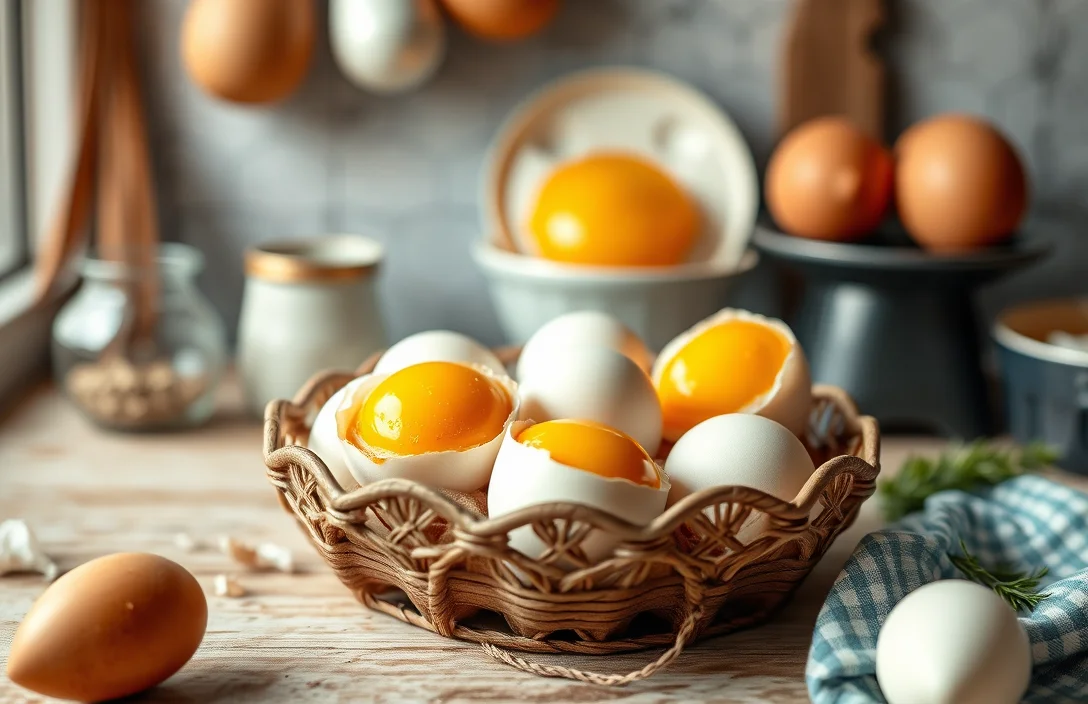
Eggs contain nearly all the essential nutrients your body needs, making them a powerhouse of protein and vitamins. Cooking them correctly can elevate any meal, whether you’re whipping up breakfast or adding them to a dish. Mastering the art of eggs can transform your culinary skills.
Key points include: choosing fresh eggs, controlling cooking temperature, experimenting with techniques like poaching or frying, and seasoning properly. Each method offers unique textures and flavors, ensuring your eggs are always delicious and satisfying.
Types of Eggs to Use for Cooking
Fresh eggs are essential for cooking delicious dishes. Look for eggs labeled as “farm-fresh” or “organic” to ensure quality. These options typically have richer yolks and better flavor, making them ideal for various recipes. Always check the expiration date and inspect for any cracks before purchasing.
Brown and white eggs offer similar nutritional value, with the primary difference being the breed of the hen. Some people claim that brown eggs taste better, but this is subjective. Consider trying both types to determine your preference. Ultimately, the freshness and quality are what truly matter.
Free-range and pasture-raised eggs are excellent choices for those prioritizing animal welfare. Hens that roam freely tend to produce eggs with a deeper flavor and vibrant yolks. Investing in higher-quality eggs can elevate your dishes, particularly in recipes where eggs are the star ingredient.
Specialty eggs, such as duck or quail eggs, can add unique flavors to your meals. Duck eggs are richer and creamier, while quail eggs are often used for garnishing or in appetizers. Experimenting with these varieties can enhance your culinary repertoire and impress your guests.
Essential Cooking Methods for Eggs
Match method to desired texture: boil for seven to nine minutes for firm yolks, four to six minutes for jammy centers; poach in gently simmering water with one tablespoon vinegar for three to four minutes for tender whites; fry over medium heat in one teaspoon butter until whites set and edges brown; bake at 325°F for twelve to fifteen minutes for sheet eggs.
Creating Perfect Scrambled Eggs
Whisk eggs with 1 tablespoon water per egg until homogenous; vigorous whisking adds air for fluff. Add a pinch of salt early to break proteins and improve texture. Melt butter in a nonstick pan over low heat and pour eggs in; cook slowly, stirring continuously for small soft curds, then remove from heat slightly underdone to finish off-stove.
- Beat eggs and 1 tablespoon water per egg vigorously for 20 seconds to introduce light volume and uniformity.
- Season eggs immediately with fine salt so the proteins relax and seasoning disperses evenly.
- Melt butter in nonstick pan over low heat until it foams but before browning to provide silkiness.
- Stir constantly with silicone spatula, scraping the pan bottom and folding curds gently to create small creamy curds.
- Remove pan from heat at glossy, slightly undercooked stage and let carryover heat finish cooking for creamy texture.
Mastering Fried Egg Techniques
Frying eggs offers various styles, each with unique textures and flavors. Start by selecting your preferred method: sunny-side up, over-easy, or over-hard. Each style requires specific techniques to achieve that perfect egg.
Sunny-side up eggs need gentle cooking. Heat a non-stick skillet over medium-low heat and add a bit of oil or butter. Crack the egg carefully into the pan, allowing the whites to set without flipping. Cover the skillet to steam the whites while keeping the yolk runny.
Over-easy eggs combine the best of both worlds. Follow the sunny-side method but flip the egg carefully after the whites have set. Cook briefly on the other side to firm the yolk slightly while maintaining some runniness.
Over-hard eggs require a firmer yolk. Use the same method as over-easy, but cook longer on the second side until the yolk is fully set. This method works well for those who prefer a fully cooked yolk.
- Use fresh eggs for better flavor.
- Maintain consistent heat to prevent burning.
- Experiment with different fats like olive oil or ghee.
- Season with salt and pepper immediately after cooking.
Practice will improve your frying skills. Focus on timing and temperature to master each style effectively, ensuring delicious results every time.
Timing for Perfectly Boiled Eggs
Perfectly boiled eggs rely on precise timing. For soft, medium, and hard-boiled eggs, different cooking durations yield distinct results. Follow these guidelines to achieve your desired egg consistency every time.
- Soft-boiled eggs require 6 minutes. Bring water to a gentle boil, add eggs, and set a timer. Once the time is up, immediately transfer the eggs to an ice bath to stop cooking.
- Medium-boiled eggs take 8 to 9 minutes. Follow the same boiling process, adjusting the timer accordingly. This timing results in a creamy yolk that’s not fully set.
- Hard-boiled eggs need 10 to 12 minutes. For fully cooked yolks, ensure the water is boiling before adding the eggs. After cooking, cool them in an ice bath to prevent overcooking.
Consistency matters in the boiling process. Always start timing once the water is boiling and maintain a gentle simmer for best results. Using a timer helps avoid overcooking and ensures perfect eggs each time.
Omelette Variations and Tips
Classic French omelettes are soft and tender. To prepare, beat eggs gently and cook them in a non-stick skillet over medium heat. Stir continuously while shaking the pan until the edges begin to set. Fold in fresh herbs or cheese before serving for a traditional touch.
Spanish omelettes, or tortillas, feature potatoes and onions. Slice thin potatoes and sauté them until soft. Mix with beaten eggs and cook until set. Finish under the broiler for a crispy top, making it a hearty option for any meal.
Vegetable-packed omelettes provide a nutritious twist. Sauté your choice of vegetables, such as bell peppers, mushrooms, or spinach, before adding the beaten eggs. Cook until firm and fold over for a delicious, colorful dish.
Cheese enthusiasts can explore various options. Feta, cheddar, or goat cheese can enhance flavor profiles. Sprinkle cheese on top or mix it into the egg mixture before cooking for a cheesy delight.
Herb-infused omelettes elevate taste significantly. Chopped chives, parsley, or basil can be added for freshness. Incorporate herbs into the egg mixture or garnish before serving to enhance aroma and flavor.
Egg Storage and Freshness Tips
Refrigerator placement matters: store eggs in their original carton on a constant-temperature middle shelf, not the door. Keep blunt end up to preserve the air cell and reduce spoilage. Label carton with purchase date and use within three to five weeks; perform a simple float test if freshness is uncertain.
- Keep eggs in original carton upright to limit moisture loss and prevent odor transfer; keep carton closed.
- Place carton on middle refrigerator shelf away from the door where temperature is most stable and bacterial growth slows.
- Label carton with purchase date and rotate stock so oldest eggs are used first; discard after recommended timeframe or if quality declines.
- Test questionable eggs with a float test: sink = fresh, stand = use soon, float = discard immediately.
Quick Summary
- Choose fresh eggs for the best flavor and texture.
- Use the right cooking technique: boiling, scrambling, frying, or poaching can yield different results.
- Control cooking temperature to avoid overcooking; low and slow is often best.
- Add seasoning, such as salt and pepper, to enhance flavor before or during cooking.
- Experiment with additional ingredients like cheese, herbs, or vegetables for variety.
- Practice proper timing to ensure eggs are cooked to your preferred doneness.
- Serve immediately for the best taste and texture.
Frequently Asked Questions
1. What are the best types of eggs to use for cooking?
Fresh, organic eggs are generally recommended for the best flavor and texture. Look for eggs with a bright yolk and a firm white, as these indicate freshness.
2. How do I properly scramble eggs?
To scramble eggs, crack them into a bowl, whisk until combined, and season with salt and pepper. Cook in a non-stick skillet over medium heat, stirring gently until they are just set but still creamy.
3. What is the secret to making fluffy omelets?
For fluffy omelets, whisk the eggs vigorously to incorporate air. Cook over low heat and cover the pan with a lid to help the omelet cook evenly and rise.
4. How do I poach an egg perfectly?
To poach an egg, bring a pot of water to a gentle simmer and add a splash of vinegar. Crack the egg into a small bowl, then gently slide it into the water, cooking for about 3-4 minutes until the whites are set but the yolk remains runny.
5. What cooking techniques can I use to make hard-boiled eggs?
To make hard-boiled eggs, place them in a pot, cover with cold water, and bring to a boil. Once boiling, cover the pot, remove it from heat, and let the eggs sit for about 9-12 minutes before transferring them to an ice bath to cool.
