
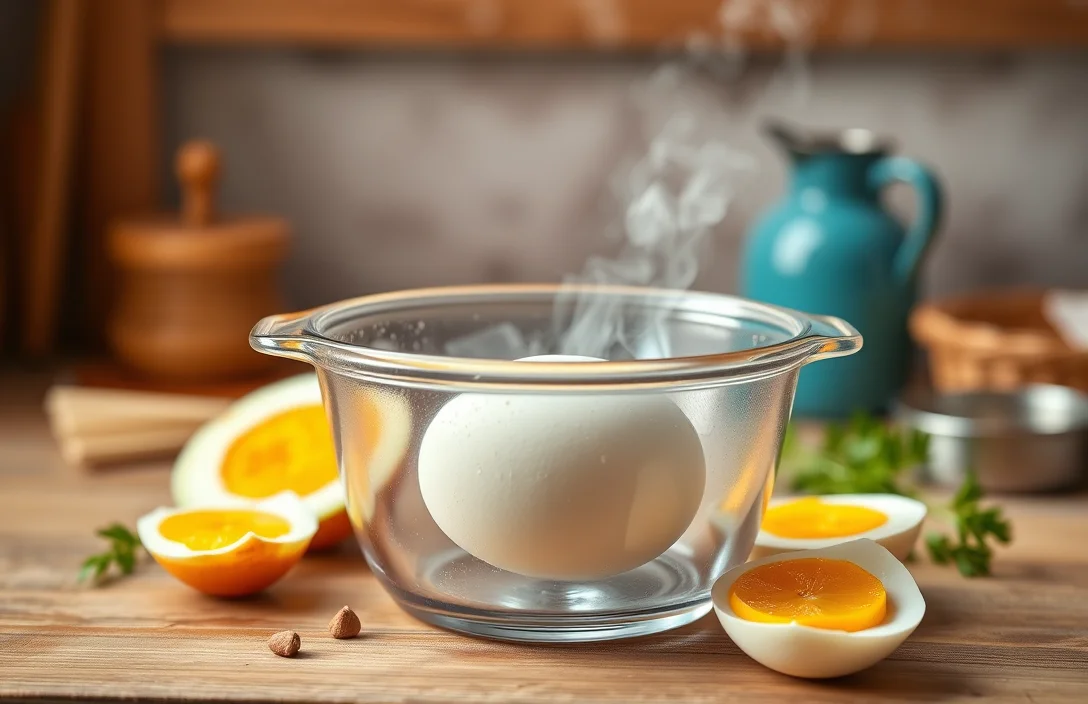
Seventy percent of eggs are thrown away due to overcooking, making perfect boiling an essential skill for every cook. Mastering this technique can elevate your breakfast, bringing consistency to your meals and ensuring you enjoy the ideal flavor and texture every time.
Boiling eggs perfectly requires timing, temperature, and freshness. Start with cold water, bring it to a boil, and adjust the time based on your desired doneness. Follow these guidelines for hard, medium, or soft-boiled eggs.
Choosing Fresh and Quality Eggs
Fresh eggs significantly improve boiling results. Look for eggs that have a firm shell and an unbroken surface. Freshness can often be determined by the packing date found on the carton. Eggs packed within the past week are ideal for perfect boiling.
Quality matters as much as freshness. Organic or free-range eggs typically offer richer flavor and better texture. These types often come from hens that are fed a varied diet, enhancing the overall quality of the eggs.
Shell color does not affect quality. Regardless of whether the eggs are brown or white, focus on their freshness and quality instead. Always inspect for any cracks or unusual spots, which may indicate spoilage.
Storage conditions influence egg quality. Store eggs in the refrigerator to maintain their freshness and prevent bacterial growth. Keeping them in their original carton helps prevent absorption of odors from other foods.
Local sources often provide the freshest options. Visit farmers’ markets or local farms to find eggs that have been laid recently, ensuring the best flavor and texture for boiling.
Setting the Right Boiling Water Temperature
Optimal water temperature for boiling eggs ranges between 185°F to 212°F (85°C to 100°C). Maintaining this range ensures that the eggs cook evenly and achieve the desired texture without overcooking. Start with cold water and gradually heat it to avoid cracking the shells due to thermal shock.
Monitoring the water temperature is crucial. A gentle simmer, just below boiling, prevents vigorous bubbling that can cause the eggs to bounce around and crack. Adjust the heat as necessary, keeping an eye on the water to maintain a consistent temperature throughout the cooking process.
Utilizing a kitchen thermometer can help achieve accuracy. If you don’t have one, look for small bubbles forming at the bottom of the pot, indicating that the water is heating up properly. Once it reaches a steady state, you can then add your eggs carefully to the pot.
Achieving the right boiling temperature significantly impacts the cooking outcome. Perfectly boiled eggs will have a tender white and a creamy yolk, while incorrect temperatures can lead to rubbery whites or chalky yolks. Mastering this step sets a strong foundation for the perfect boiled egg experience.
Timing for Soft, Medium, and Hard Boiled Eggs
Precise timing is crucial for achieving the desired egg consistency. Follow the guidelines below to boil eggs perfectly, whether you want them soft, medium, or hard. Adjust cooking times based on your stove and pot characteristics as needed.
- Soft-boiled eggs require 4 to 6 minutes of cooking time. This will give you a runny yolk and slightly set whites. Start the timer once the water reaches a rolling boil.
- Medium-boiled eggs need 7 to 9 minutes. Expect a creamy yolk with a firmer texture. Ideal for salads or as a topping on various dishes.
- Hard-boiled eggs should be cooked for 10 to 12 minutes. Yolk will be fully set and firm, perfect for deviled eggs or egg salads. After the time is up, remove them from heat immediately.
Adjustments may be necessary based on egg size and altitude. Consider using a timer for accuracy and consistency. This simple technique will help you master the art of boiling eggs, ensuring perfect results every time.
Cooling Eggs Quickly After Boiling
Rapidly cooling boiled eggs is essential to halt the cooking process. Overcooked eggs can lead to a greenish ring around the yolk and a rubbery texture. To achieve the best results, prepare an ice bath before boiling. Fill a bowl with ice and cold water, ensuring it’s ready to go as soon as the eggs finish cooking.
Immediately transfer boiled eggs into the ice bath. Allow them to sit in the ice water for at least five to ten minutes. This quick cooling method effectively stops the cooking process and makes peeling easier later. Ensure the entire egg is submerged for even cooling.
After the cooling period, gently remove the eggs from the ice bath. Pat them dry with a clean towel to remove excess moisture. Proper cooling not only improves texture but also enhances flavor, making it easier to enjoy your eggs in any dish. Follow this step to achieve perfectly boiled eggs for your recipes.
Easy Peeling Techniques for Boiled Eggs
Chilling boiled eggs in ice water significantly eases the peeling process. After boiling, transfer the eggs directly into a bowl filled with ice and cold water. This rapid cooling causes the egg to contract slightly, creating space between the egg white and shell, making the shell easier to remove.
Rolling the egg on a hard surface gently can also help. Apply light pressure while rolling to crack the shell uniformly. Once cracked, start peeling from the wider end where the air pocket is usually located, facilitating easier access to the egg white.
Using a spoon can simplify the task as well. After cracking the shell, slide a spoon between the shell and the egg white, gently rotating it to separate the two. This technique is particularly useful for preserving the egg’s shape while removing stubborn bits of shell.
Applying vinegar or baking soda to boiling water can further aid in peeling. Both substances help soften the eggshell, allowing for smoother peeling. Adding about a tablespoon of either to the water before boiling will make a noticeable difference in the peeling process.
Avoiding Common Boiling Mistakes
Overcooking eggs results in rubbery textures. Precision in timing is crucial for achieving the desired doneness. Set a timer as soon as the water reaches a rolling boil. Adjust cooking times based on egg size and preference for soft or hard-boiled results.
Monitoring water levels is essential during the boiling process. As water evaporates, it can lead to inconsistent cooking. Always ensure the eggs are fully submerged and add more water if necessary to maintain the cooking environment.
Using cold eggs directly from the refrigerator can cause cracking. Gradually warming them by letting them sit at room temperature for about 15 minutes can prevent this unfortunate mishap. Another effective method is to place them in warm water prior to boiling.
Ignoring the cooling process can affect the final texture. After boiling, immediately transfer eggs to an ice bath to stop the cooking process. This helps maintain the perfect consistency and simplifies peeling afterward.
Relying solely on visual cues can lead to errors. Instead, use a thermometer if possible, aiming for specific internal temperatures to ensure optimal results. This method guarantees eggs are cooked to perfection without the risk of overcooking.
Storing and Flavoring Boiled Eggs
Store boiled eggs properly for maximum freshness. Keep them in their shells until ready to eat, as the shell helps preserve moisture and flavor. Place them in a covered container in the refrigerator, where they can last up to one week. If peeled, store them submerged in water to maintain moisture and cover the container to prevent odors.
Flavoring boiled eggs enhances their taste significantly. Experiment with different seasonings, like salt, pepper, or paprika, to add a kick. For a gourmet touch, try marinating them in soy sauce or vinegar-based mixtures for several hours. This method infuses delicious flavors, transforming a simple egg into a culinary delight.
Consider adding toppings for variety. Chopped herbs, crumbled bacon, or grated cheese can elevate your boiled eggs. Additionally, serve them alongside dipping sauces like hummus or sriracha for an exciting flavor experience. Mixing textures and flavors can turn your eggs into a star dish at any meal.
Ensure proper cooling before storing. After boiling, place the eggs in ice water for several minutes to stop the cooking process. This not only helps prevent overcooking but also makes peeling easier. Following these tips will guarantee your eggs remain flavorful and enjoyable long after the boiling process.
Quick Summary
- Start with eggs at room temperature for even cooking.
- Place eggs in a single layer in a pot and cover with cold water.
- Bring the water to a boil, then reduce heat and let simmer for desired time.
- For soft-boiled eggs, simmer for 6-7 minutes; for hard-boiled, simmer for 9-12 minutes.
- Immediately transfer eggs to an ice bath to stop cooking.
- Peel eggs under running water for easier shell removal.
- Store peeled or unpeeled eggs in the refrigerator for up to one week.
Frequently Asked Questions
1. What is the best method to boil an egg perfectly?
The best method involves placing eggs in a single layer in a pot, covering them with cold water, and bringing the water to a rolling boil. Once boiling, cover the pot, remove it from heat, and let the eggs sit for 9 to 12 minutes depending on your desired doneness.
2. How do I know when my eggs are done boiling?
You can determine if your eggs are done by the time they have been in hot water after removing from the heat. For soft-boiled eggs, let them sit for about 6-7 minutes, while for hard-boiled eggs, aim for 9-12 minutes.
3. Should I start with cold or hot water?
It is recommended to start with cold water. This allows the eggs to heat gradually, helping to prevent cracks and ensuring even cooking throughout the egg.
4. How can I peel boiled eggs easily?
To peel boiled eggs easily, let them cool in an ice bath for at least 5 minutes after boiling. This helps to contract the egg inside the shell, making it easier to remove the shell without damaging the egg white.
5. Can I boil eggs straight from the fridge?
Yes, you can boil eggs straight from the fridge. However, starting with eggs at room temperature may help prevent cracking and can lead to more even cooking.
