
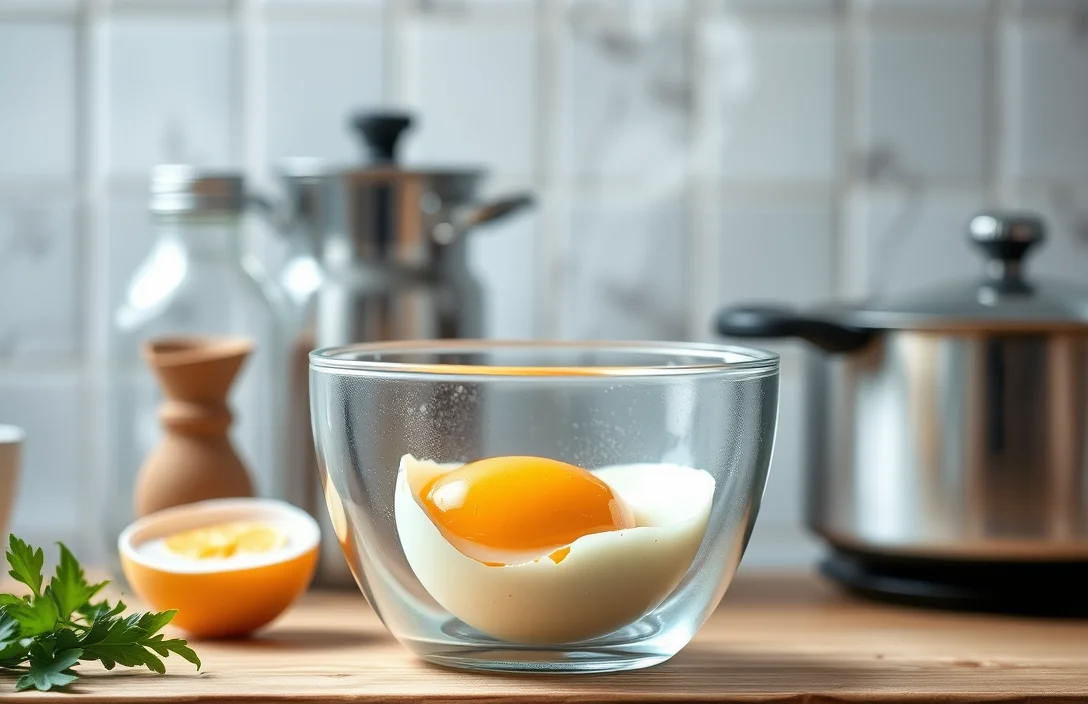
Forty-six percent of Americans prefer their eggs boiled, making this cooking method incredibly popular. Mastering the art of boiling an egg can elevate your breakfast and ensure perfect results every time. Discover how simple techniques can lead to deliciously cooked eggs, tailored to your taste.
Boiling an egg requires fresh eggs, consistent heat, and timing. Start with cold water, bring it to a boil, and then adjust the heat. Cooking times vary for soft or hard-boiled eggs, so precision is key.
Understanding Types of Eggs
Different egg varieties affect boiling results significantly. Chicken, duck, quail, and goose eggs all have unique properties that influence cooking times and textures. For example, duck eggs typically have a thicker shell and richer yolk, requiring slightly longer boiling times than chicken eggs. Understanding these differences is crucial for achieving the perfect boil.
Farm-fresh eggs often yield better results than store-bought ones. Fresh eggs have firmer whites and thicker yolks, which can enhance overall texture when boiled. On the contrary, older eggs are easier to peel after boiling, making them preferable for hard-boiled preparations. Knowing the freshness can guide your boiling technique.
Size also plays a role in boiling. Large eggs may require an additional minute or two compared to medium or small eggs. Keep in mind that boiling times can vary based on the egg type and size, so adjusting accordingly is essential for achieving your desired doneness.
Cooking methods differ among eggs as well. Soft-boiled duck eggs might need more time than soft-boiled chicken eggs due to their size and richness. Experimenting with various types will help fine-tune your boiling process and enhance your culinary skills.
Preparing Boiling Water Correctly
Heat water in a pot until it reaches a rolling boil, which is essential for cooking eggs evenly. Start with enough water to cover the eggs by at least an inch. Using a larger pot allows for better circulation and ensures all eggs receive the same heat. Avoid overcrowding, as this can lead to uneven cooking and cracking.
Monitor the temperature closely. Once the water reaches a boil, reduce the heat slightly to maintain a steady simmer. This prevents the eggs from bouncing around too harshly, which can lead to cracks. A gentle simmer is ideal for achieving the perfect boiled egg without compromising its shell.
Use a lid to cover the pot while boiling. Covering helps retain heat and maintains the water temperature, making the cooking process more efficient. This practice also minimizes water evaporation, ensuring you have enough to keep the eggs submerged throughout the cooking time.
Salt can be added to the boiling water. Adding salt not only enhances the flavor but also helps prevent eggs from cracking. In case of any cracks, salt works to seal them, reducing the risk of messy cooking. Aim for about a tablespoon of salt for a standard pot of boiling water.
Timing for Perfect Soft-Boiled Eggs
Achieving soft-boiled eggs requires precise timing. For a perfectly cooked egg with a runny yolk, follow these specific cooking times: place medium to large eggs in boiling water and simmer for exactly 6 to 7 minutes. Adjust the time slightly based on the size of the egg and your desired consistency.
Monitoring the cooking process is essential. Begin timing as soon as the eggs go into the boiling water. If you prefer a firmer yolk, extend the cooking time to 8 minutes. Remember, every second counts in getting that ideal texture.
Using a timer ensures accuracy. An alarm will prevent overcooking, which leads to a rubbery texture. Once the timer goes off, remove the eggs immediately and prepare for cooling.
Experimenting with these times is encouraged. Different stove types may affect boiling efficiency, so adjusting your cooking time may be necessary for your specific setup. Eventually, you will find the perfect balance suited to your preferences.
Cooling Methods for Quick Results
Ice water baths provide rapid cooling. Immediately after boiling, transfer the eggs into a bowl filled with ice and cold water. This method stops the cooking process, ensuring the yolks remain perfectly soft or hard, depending on your preference. Allow the eggs to sit in the ice bath for at least five minutes for optimal results.
Submerging eggs in cold water effectively reduces temperature. The contrast between the hot eggs and cold water creates a swift cooling effect. Make sure the water is deep enough to fully cover the eggs. This method also helps in preventing the greenish layer from forming around the yolk.
Chilling boiled eggs speeds up peeling. Once cooled, the shells loosen and separate more easily from the egg white. This technique results in less frustration during peeling, leading to smoother, more presentable eggs for your dishes. The quicker you cool them, the better your peeling experience will be.
Timing during cooling affects overall texture. If you prefer firmer whites, cooling for a shorter duration may be beneficial. Experiment with cooling times to find your ideal balance between texture and ease of peeling, ensuring your eggs meet your desired preferences every time.
Effective Peeling Techniques
Cracking the shell properly simplifies peeling. Start by gently tapping the egg on a hard surface, creating small fractures. This method helps the shell separate from the egg white, making it easier to remove without damaging the egg itself.
Rolling the egg can also aid in peeling. Place the egg on a flat surface and roll it back and forth gently. This action loosens the membrane beneath the shell, allowing for a more straightforward removal. Achieving a smooth peel often depends on this technique.
Utilizing cold water enhances the peeling process. After boiling, immerse the eggs in an ice bath or cold running water. This temperature shock causes the egg to contract slightly, which can create space between the egg and its shell, easing the peeling effort.
Choosing older eggs simplifies peeling. Fresh eggs tend to stick to their shells due to a lower pH level in the egg whites. Using eggs that are at least a week old often yields better results, as the pH increases over time, making the shells easier to remove.
Storage Tips for Boiled Eggs
Store boiled eggs in their shells if possible. Keeping the shell intact helps protect the egg from bacteria and minimizes moisture loss. Place them in a clean container or carton to avoid any potential contamination from other foods in the refrigerator.
Label your storage container with the date. Knowing when the eggs were boiled is crucial for tracking freshness. Boiled eggs typically last about one week in the refrigerator, so this simple step can help you avoid consuming expired eggs.
Keep boiled eggs in the coldest part of your refrigerator. The back of the fridge is usually the coldest area, which helps maintain optimal temperature and freshness. Avoid storing them in the door, as this area experiences temperature fluctuations.
Consider freezing boiled eggs if you have surplus. While not ideal for all uses, freezing can extend their shelf life. To do this, peel the eggs, slice them, and place them in an airtight container or freezer bag. Thaw them in the refrigerator before using.
Monitor for signs of spoilage. If you notice any off smells or unusual textures, discard the egg immediately. Freshness is key to enjoying boiled eggs safely and deliciously, so always trust your senses.
Common Mistakes in Egg Boiling
Overcooking leads to rubbery eggs. Timing is crucial; even a minute can make a significant difference. Follow a consistent method to achieve the perfect texture. Start with cold water and monitor the boil closely, adjusting the heat as necessary. Aim for precise cooking times based on the desired doneness for optimal results.
Underestimating cooling time affects peeling. Once boiled, transfer eggs to an ice bath immediately to halt cooking and ease peeling. Allow at least 10 minutes for the eggs to cool sufficiently. Skipping this step often results in frustratingly difficult-to-peel eggs, ruining the presentation.
Ignoring freshness impacts quality. Fresh eggs are harder to peel due to the lower pH of their whites. For easier peeling, purchase eggs at least a week old. This small adjustment can lead to a more satisfying cooking experience and better final results.
Neglecting to prick eggs can cause cracks. Before boiling, use a pin to make a small hole in the larger end of each egg. This simple action allows steam to escape, preventing cracking during cooking and leading to a neater egg once boiled.
Rushing the process results in inconsistency. Allow enough time for the water to reach a rolling boil before adding eggs. Attempting to add eggs to cold water can lead to uneven cooking. Follow a methodical approach for the best outcome, ensuring each egg is cooked to perfection.
Quick Summary
- Choose the right eggs: Fresh eggs are harder to peel, while older eggs peel easier.
- Place eggs in a single layer in a saucepan and cover with cold water.
- Bring the water to a rolling boil over medium-high heat.
- Once boiling, cover the pot and remove it from heat; let it sit for the desired time (6-12 minutes depending on preferred doneness).
- Transfer the eggs to an ice bath immediately after cooking to stop the cooking process.
- Peel the eggs under running water for easier removal of the shell.
- Store unpeeled boiled eggs in the refrigerator for up to one week.
Frequently Asked Questions
How long does it take to boil an egg?
The cooking time for boiling an egg depends on how you like your yolk. For soft-boiled eggs, cook for about 4-6 minutes, and for hard-boiled eggs, aim for 9-12 minutes.
Should I start with cold or hot water?
It’s best to start with cold water when boiling eggs. Place the eggs in a pot, cover them with cold water, and then bring the water to a boil to ensure even cooking and prevent cracking.
How can I tell when my eggs are done?
You can tell if the eggs are done by using a timer based on your desired doneness. Alternatively, you can remove one egg and place it in cold water; if it’s cooked to your liking, it will feel firm.
How do I prevent my eggs from cracking while boiling?
To prevent cracking, make sure the eggs are at room temperature before boiling. You can also add a pinch of salt or vinegar to the water, which can help stabilize the eggs during cooking.
What’s the best way to peel a boiled egg?
To peel a boiled egg easily, it’s best to cool it immediately in ice water after boiling. Cracking the shell gently all over and rolling it can also help loosen the shell for easier peeling.
