
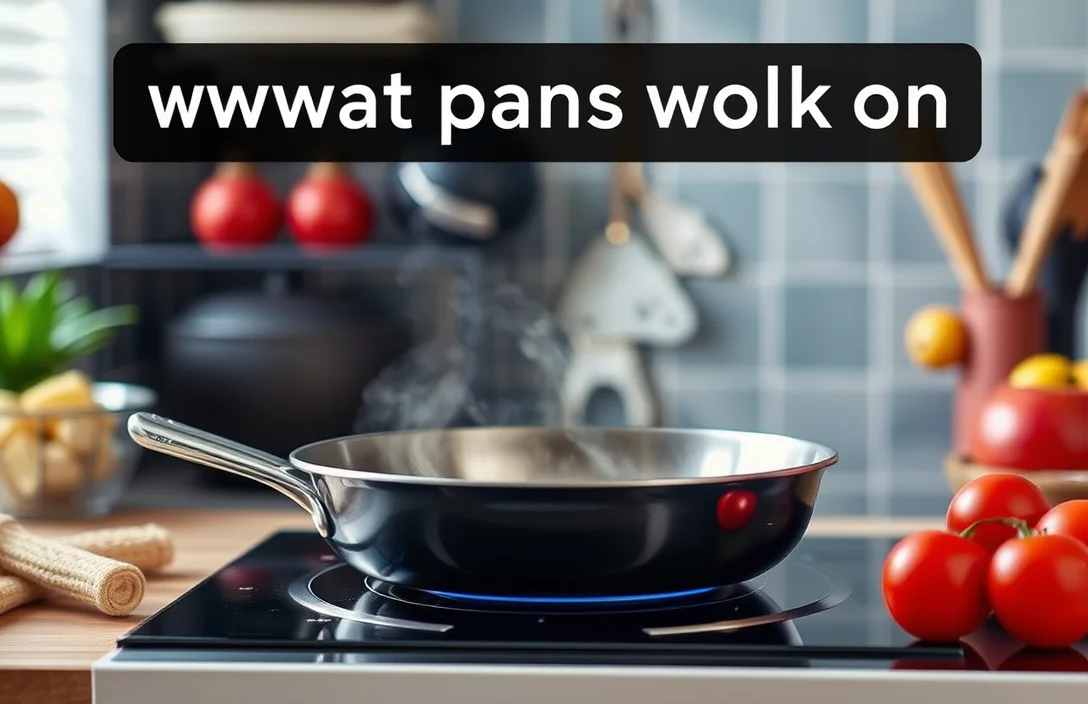
Induction cooking requires specific cookware; only pans with magnetic properties will work on induction stovetops. Interestingly, around 90% of cookware on the market is not induction-compatible. Understanding the right materials can save you time and money in the kitchen.
Cast iron, enameled cast iron, and some stainless steel pans are induction-compatible. Non-magnetic materials like aluminum and glass will not work. Always check for a magnet test to ensure your cookware is suitable.
Understanding Induction Cookware Basics
Induction cooking operates using electromagnetic energy, which generates heat directly within compatible cookware. This method requires specific materials in pans for effective performance. Standard cookware, such as aluminum or glass, will not work unless they feature a magnetic base.
Magnetic properties determine whether a pan is suitable. If a magnet sticks to the bottom, it indicates compatibility with induction cooktops. Always test your existing cookware before purchasing new items to ensure optimal cooking efficiency.
Cookware varieties include stainless steel, cast iron, and enameled cast iron, all of which function well with induction. Non-stick options are available too but must meet the magnetic criteria. Selecting the right materials aids in achieving quick and uniform heating on induction surfaces.
Efficiency stands out as a primary benefit of induction cooking. Pans heat up faster than traditional methods, reducing cooking time and energy consumption. Learning to identify suitable cookware will enhance your culinary experience and improve meal preparation.
Materials That Are Compatible with Induction
Cast iron skillets excel on induction cooktops due to their magnetic properties. These heavy-duty pans retain heat exceptionally well, making them ideal for searing and browning. Ensure that the base is smooth for optimal contact with the cooktop. Many cast iron pans also come with enamel coatings, adding versatility.
Stainless steel offers another excellent choice for induction cooking. High-quality stainless steel pans often incorporate magnetic materials to work effectively. Look for options with a thick, layered base for even heating. This material is durable and resistant to corrosion, making it a long-lasting investment for your kitchen.
Carbon steel is similar to cast iron but lighter and more responsive to temperature changes. Chefs appreciate its ability to heat quickly and uniformly, which is essential for tasks like stir-frying. Ensure the pan has a magnetic base to guarantee compatibility with induction cooktops.
Some copper cookware also functions on induction, provided it has a magnetic layer. While copper excels at heat conductivity, the magnetic layer is crucial. Check the product specifications to ensure compatibility before purchasing.
Finally, certain non-stick options now feature induction-compatible bases. Brands have developed pans with non-stick coatings over magnetic materials, providing the convenience of easy food release while working well on induction surfaces. Always verify the label to confirm this compatibility.
Magnetic Properties That Ensure Compatibility
Magnetic properties directly affect cookware effectiveness on induction cooktops. Induction cooking relies on magnetic fields to generate heat, so only certain materials work well. Cookware must contain ferromagnetic materials, which include iron and some stainless steels. Testing your pans for magnetism is essential; if a magnet sticks, it’s likely suitable for induction.
- Cast iron pans offer excellent compatibility due to their strong magnetic properties. These durable tools provide even heat distribution, making them ideal for various cooking techniques.
- Magnetic stainless steel cookware is another popular choice. Look for labels indicating compatibility with induction. High-quality stainless steel often has a magnetic base, enhancing performance.
- Enamel-coated cast iron also works effectively. This combination retains heat well while providing a non-stick surface, perfect for braising and simmering.
- Carbon steel pans serve as lightweight alternatives. Similar to cast iron, they heat evenly and can achieve high temperatures quickly, suitable for stir-frying and searing.
- Non-magnetic materials, such as aluminum and copper, require special consideration. While these materials can work with induction, they need a magnetic base to ensure compatibility.
Top Cookware Brands for Induction Cooking
Reliable brands provide high-quality induction-compatible pans. Popular choices include brands like All-Clad, T-fal, and Cuisinart. Each offers unique features that meet various cooking needs, ensuring optimal performance on induction cooktops.
All-Clad is known for its superior construction and thermal conductivity. Their stainless steel cookware often features an aluminum core for even heat distribution, making it ideal for professional chefs and home cooks alike.
T-fal offers budget-friendly options without sacrificing quality. Their non-stick induction cookware ensures easy food release and cleaning, making it a practical choice for everyday cooking.
Cuisinart combines style and functionality. Their induction-compatible stainless steel collection boasts a polished finish and ergonomic handles, providing both aesthetic appeal and ease of use while cooking.
Scanpan emphasizes eco-friendly materials. Their ceramic-titanium non-stick surface is both durable and safe, making it a great option for those looking to reduce their environmental impact without compromising on performance.
Calphalon is another noteworthy brand. Known for its hard-anodized aluminum construction, their induction cookware offers long-lasting durability and resistance to warping, ensuring consistent cooking results.
Methods for Testing Pan Compatibility
Magnet test: place small magnet on the pan base; if it sticks firmly the cookware contains ferromagnetic material and will work on induction. Test across center and edges; several strong contact points predict consistent induction heating. Weak attraction, warped bottoms, or ultra-thin construction indicate poor performance even if magnetic. Label checks and manufacturer specs give final confirmation.
Debunking Common Misconceptions About Induction Cookware
Magnetic materials are essential for induction compatibility. Many assume only specific brands or types work, but in reality, any cookware made with ferrous metals can function on induction cooktops. Stainless steel, cast iron, and some non-stick options fit this criterion, ensuring versatility in your kitchen.
Cookware thickness impacts induction heating efficiency. Thicker bases generally provide better heat distribution, leading to more even cooking. Invest in quality pans with a solid, magnetic base to enhance performance and longevity, ensuring your meals are cooked to perfection.
Non-stick surfaces can be induction-compatible. Many consumers believe that non-stick cookware cannot be used, but various manufacturers produce induction-safe non-stick versions. Always check for a magnetic base when selecting these options to guarantee optimal functionality on induction cooktops.
Size and shape matter for effective cooking. While most pans will work on induction, their size should ideally match the induction burner’s diameter for optimal heat transfer. Using appropriately sized cookware maximizes efficiency and minimizes cooking time.
Quality cookware is worth the investment. Cheaper pans may not provide the same level of heat conduction and durability as higher-end options. Prioritizing quality ensures a better cooking experience and reduces the need for frequent replacements, saving money in the long run.
Cleaning and Maintenance of Induction Cookware
Regular cleaning ensures longevity for your induction-compatible pans. After cooking, allow them to cool before cleaning. Avoid using abrasive sponges or harsh chemicals that could scratch the surface. Instead, opt for a soft cloth or sponge with warm, soapy water to gently wipe away residues.
Persistent stains may require a specialized cleaner designed for induction surfaces. Apply the cleaner according to the manufacturer’s instructions, allowing it to sit for a few minutes before wiping clean. For tough, burnt-on food, soaking the pan in warm water can help loosen the debris.
Periodic inspections help identify any wear or damage. Check the bottom of the cookware for scratches or warping, which can affect performance. If you notice any significant damage, consider replacing the pan to maintain efficient cooking.
Proper storage protects your cookware. Stack pans with a protective barrier, like a soft cloth, to prevent scratches. Hanging pots and pans can also save space while keeping them in prime condition.
Lastly, follow manufacturer guidelines for specific care instructions. Each brand may have unique recommendations, ensuring optimal performance and durability of your cookware.
Quick Summary
- Induction cooking requires cookware made of ferrous (magnetic) materials.
- Common materials that work on induction include cast iron, stainless steel, and some carbon steel.
- Cookware must have a flat, smooth base for optimal contact with the induction cooktop.
- Aluminum, copper, and glass pans do not work on induction unless they have a magnetic base.
- Check for an induction symbol on the bottom of the pan to confirm compatibility.
- Some manufacturers offer induction-compatible versions of traditionally non-induction materials.
- Using the right pans maximizes efficiency and cooking performance on induction stoves.
Frequently Asked Questions
What types of pans work on induction cooktops?
Pans that are magnetic will work on induction cooktops. This includes stainless steel, cast iron, and some types of enameled cookware. Non-magnetic materials like aluminum and copper will not work unless they have a magnetic base.
How can I tell if my pan is induction compatible?
You can check if your pan is induction compatible by using a magnet. If the magnet sticks to the bottom of the pan, it is suitable for induction cooking. If it does not stick, the pan will not work on an induction cooktop.
Are there any specific brands known for induction cookware?
Yes, several brands are well-known for their induction-compatible cookware, including Tefal, Cuisinart, and All-Clad. It’s important to look for labels or descriptions that specify “induction-ready” when purchasing new pans.
Can I use my existing cookware on induction if it’s not marked?
If your existing cookware is made from ferrous materials, it may still work on induction, even if it’s not marked. However, if your pots and pans are made from non-magnetic materials, they will not function on an induction cooktop.
Is induction cookware more expensive than regular cookware?
Induction cookware can be slightly more expensive than traditional cookware due to the materials used and the technology involved. However, there are many affordable options available, so it’s possible to find induction-compatible pans within various price ranges.
