
Are you wondering how to tell if your zucchini is the right size for cooking or planting? Knowing the perfect zucchini size can make a big difference in taste, texture, and even how you use it in your recipes.
Whether you’re growing zucchini in your garden or picking some at the store, this zucchini size chart will help you choose the best ones every time. Keep reading to discover the key sizes and tips that will make your zucchini experience easier and more enjoyable.
Zucchini Growth Stages
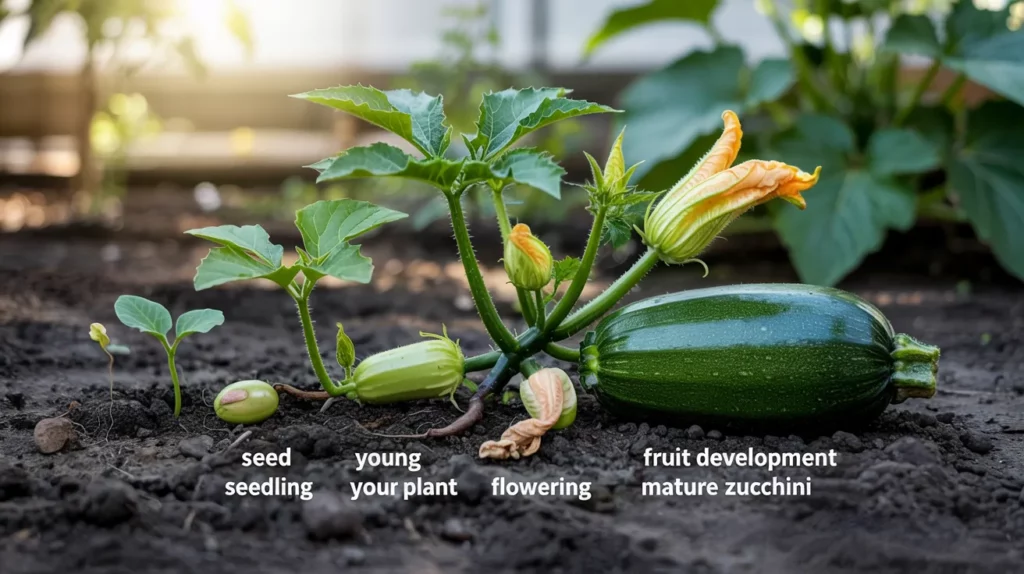
Zucchini grows in clear stages from seed to harvest. Knowing these stages helps gardeners pick the right time to harvest. Each stage shows different size and shape changes. Understanding these changes improves your zucchini yield and quality.
Seedling To Mature Fruit
First, zucchini starts as a small seedling. It grows two or three leaves in the first week. The plant then grows larger leaves and a strong stem. Flower buds appear after about 4 weeks.
Once flowers bloom, pollination happens. After pollination, the fruit starts to form. The young zucchini grows quickly in size. It reaches mature size in about 6 to 8 weeks after planting. Mature zucchini are usually 6 to 8 inches long.
Factors Affecting Growth Rate
Temperature plays a big role in growth speed. Warm weather helps zucchini grow faster. Cold weather slows growth and can damage plants.
Soil quality also affects growth. Rich, well-drained soil helps plants grow strong. Poor soil leads to smaller fruits and slower growth.
Water is important too. Zucchini needs regular watering but not too much. Too much water causes root problems and weak fruits.
Sunlight is essential. Zucchini plants need full sun for at least six hours daily. Less sun results in slower growth and poor fruit development.
Ideal Harvest Sizes
Harvesting zucchini at the right size improves taste and texture. Ideal harvest sizes depend on the zucchini’s intended use. Smaller zucchinis are tender and great for salads. Larger ones work well for cooking and stuffing. Knowing the dimensions helps pick the best zucchini for your needs.
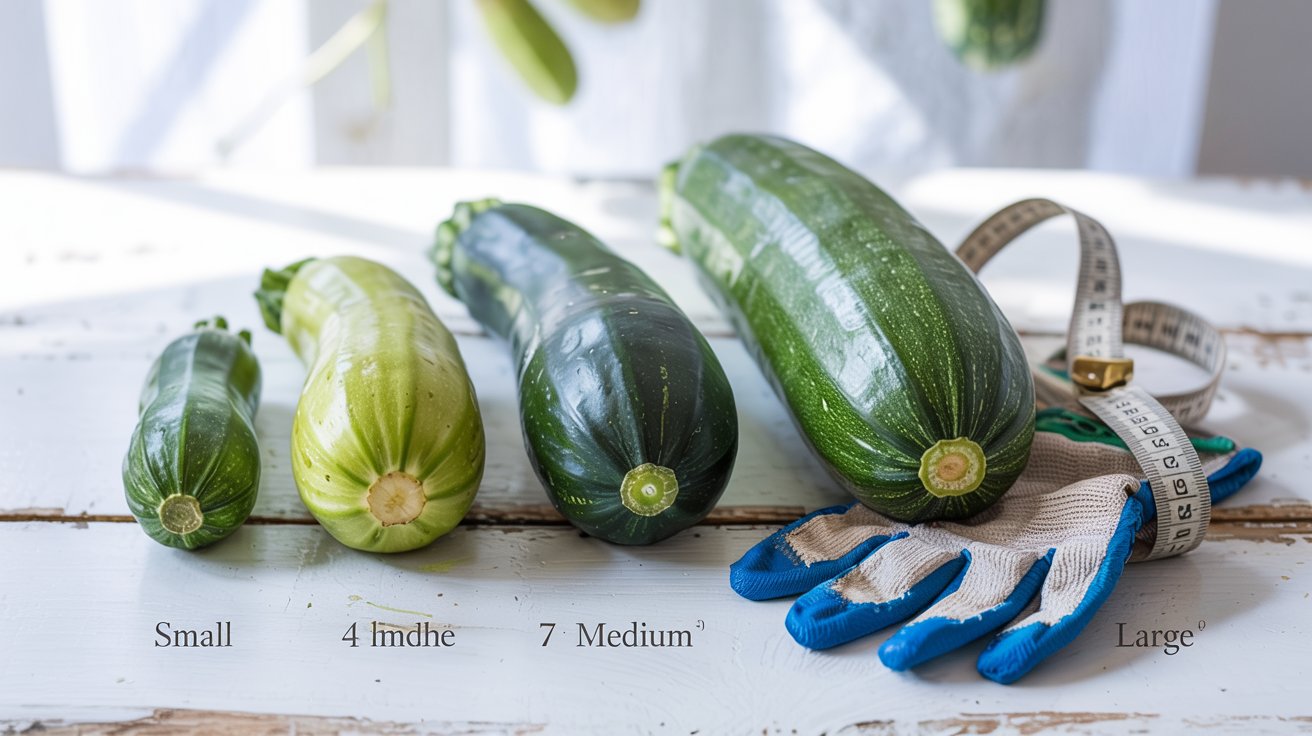
Small Zucchini Dimensions
Small zucchinis measure about 4 to 6 inches long. They are thin and firm with tender skin. This size is perfect for fresh eating. Small zucchinis have a mild flavor and soft seeds. They cook quickly and blend well in dishes.
Medium Zucchini Dimensions
Medium zucchinis range from 6 to 8 inches in length. They have slightly tougher skin and firmer flesh. This size suits grilling, sautéing, and baking. Medium zucchinis keep shape during cooking. Their flavor is more developed but still mild.
Large Zucchini Dimensions
Large zucchinis grow 8 to 10 inches or longer. They have thick skin and larger seeds inside. This size is good for stuffing or making zucchini boats. Large zucchinis need longer cooking times. Their flavor is stronger and more earthy.
? Zucchini Size Chart
| Zucchini Size | Length Range | Average Weight | Best Uses |
|---|---|---|---|
| Small Zucchini | 4 – 6 inches | 4 – 6 oz | Salads, sautéing, snacking, quick cooking |
| Medium Zucchini | 6 – 8 inches | 7 – 12 oz | Grilling, baking, stir-fries, fritters |
| Large Zucchini | 8 – 10+ inches | 1 – 2 lbs+ | Stuffing, baking, zucchini boats, casseroles |
Visual Size Guide
The Visual Size Guide helps you understand zucchini sizes quickly. It shows how long and heavy zucchinis usually are. This guide makes it easy to pick the right zucchini for recipes or growing.
Seeing actual sizes helps avoid confusion. You learn what small, medium, and large zucchinis look like. This way, you can choose zucchinis that fit your needs perfectly.
Length Comparison
Zucchini lengths vary from 4 to 12 inches. Small zucchinis measure about 4 to 6 inches long. Medium zucchinis range from 7 to 9 inches. Large zucchinis grow up to 10 to 12 inches or more. Using this guide, you can compare your zucchini to these sizes. It helps you pick zucchinis by length for cooking or planting.
Weight Benchmarks
Weight differs with zucchini size and type. Small zucchinis weigh around 4 to 6 ounces. Medium ones can weigh 7 to 12 ounces. Large zucchinis might weigh 1 to 2 pounds or more. Knowing weight helps with portion control and recipes. This benchmark guide helps you estimate zucchini weight at a glance.
Harvest Timing Tips
Harvesting zucchini at the right time is very important. Picking them too early or too late affects taste and texture. Good timing helps you enjoy fresh, tender zucchini. Learn how to know when to harvest and how to avoid common mistakes.
Signs Of Readiness
Zucchini is ready to pick when it reaches about 6 to 8 inches long. The skin should look shiny and feel firm. Soft spots or dull skin means the zucchini is overripe. The blossom end should be small and dry, not wet or mushy.
Check the color. It should be deep green or yellow, depending on the variety. If zucchini feels light for its size, it is ready for harvest. Regularly check your plants to catch the best time to pick.
Avoiding Overgrowth
Letting zucchini grow too large makes them tough and bitter. Large zucchini have hard seeds inside. They lose their sweet, mild flavor. Pick zucchini early to keep them tender and tasty.
Harvesting often also helps plants produce more fruit. Don’t wait too long between picking. Check your plants every two to three days. This keeps zucchini at the best size and quality.
Impact Of Size On Flavor
Zucchini size plays a big role in its flavor. Different sizes bring out different tastes. Small zucchinis often taste sweeter and milder. Larger zucchinis can have a stronger, more bitter flavor. Understanding these differences helps in choosing the right zucchini for your dish.
Taste Differences By Size
Small zucchinis are tender and have a light, sweet flavor. They work well in raw dishes or quick cooking. Medium-sized zucchinis have a balanced taste, neither too strong nor too mild. Large zucchinis often taste more bitter. Their flavor can be less fresh and more watery. This size suits recipes that require long cooking times.
Texture Variations
Texture changes with zucchini size. Small zucchinis are firm and crisp. They hold their shape well in salads and stir-fries. Medium zucchinis are softer but still maintain some crunch. Large zucchinis often become mushy and spongy when cooked. Their seeds grow bigger and tougher. These zucchinis are best for baking or stuffing.
Using Zucchini By Size
Zucchini varies in size, and each size works best for different recipes and uses. Choosing the right size helps you cook better and enjoy the flavor. Small, medium, and large zucchinis have unique qualities. Understanding these can improve your cooking experience.
Best Recipes For Small Zucchini
Small zucchinis are tender and sweet. They cook quickly and stay firm. Use them in salads, stir-fries, or as snacks. Stuffed small zucchinis with cheese and herbs make a great appetizer. They also work well grilled or roasted whole.
Cooking With Medium Zucchini
Medium zucchinis are the most common size. They have a balance of tenderness and firmness. Slice them for sautés, soups, or pasta dishes. Grated medium zucchini adds moisture to baked goods. They are perfect for zucchini fritters or ratatouille.
Large Zucchini Uses
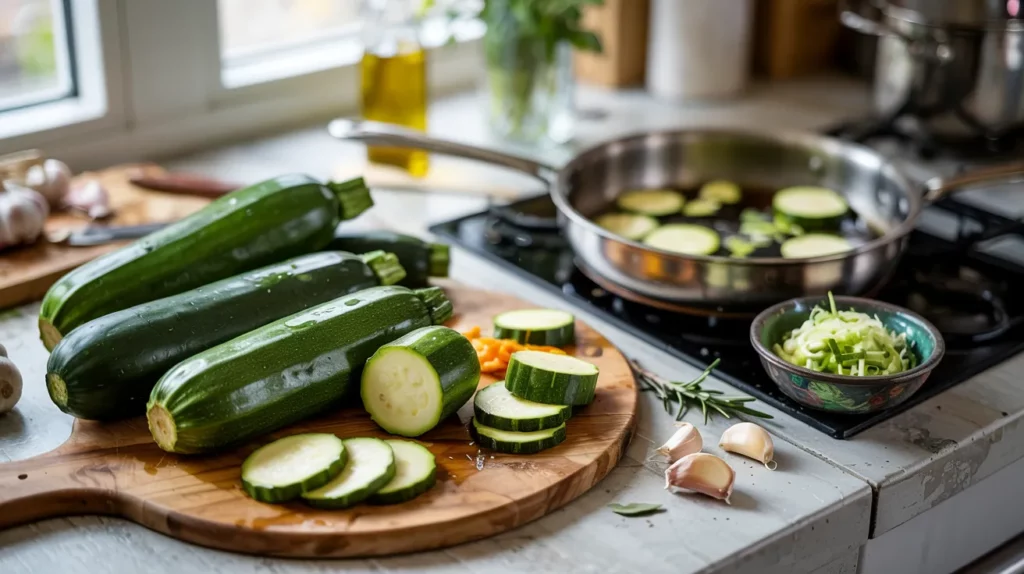
Large zucchinis have more seeds and softer flesh. They are best for baking or stuffing. Use them to make zucchini boats filled with meat or veggies. Large zucchini can also be spiralized for noodles. They work well in casseroles and gratins, adding bulk and nutrition.
Common Size-related Issues
Zucchini size affects taste and texture. Many gardeners face issues with zucchini size. These problems can affect harvest and cooking.
Understanding common size-related issues helps improve zucchini growth. Identifying causes leads to better care and bigger harvests. Two main problems are undersized and oversized zucchini.
Undersized Zucchini Causes
Undersized zucchini usually results from poor pollination. Without enough bees or insects, fruit does not develop fully.
Another cause is lack of nutrients. Zucchini needs nitrogen and potassium to grow well. Weak soil can stunt growth.
Water stress also makes zucchini small. Too little or too much water harms plants. Consistent watering helps zucchini reach good size.
Pests and diseases attack plants and reduce fruit size. Aphids and squash bugs are common zucchini pests.
Oversized Zucchini Problems
Oversized zucchini can become tough and bitter. Large fruits often have more seeds and less flavor.
Letting zucchini grow too long reduces quality. Harvesting early keeps zucchini tender and tasty.
Big zucchini also wastes plant energy. The plant may stop producing new fruits.
Large fruits can be hard to cook. Many recipes work best with medium-sized zucchini.
Tools For Measuring Zucchini
Measuring zucchini helps track growth and decide the best harvest time. Using the right tools makes this task simple and accurate. Some tools are basic, while others offer more precise results. Knowing which tools to use saves time and avoids guesswork.
Simple Measurement Methods
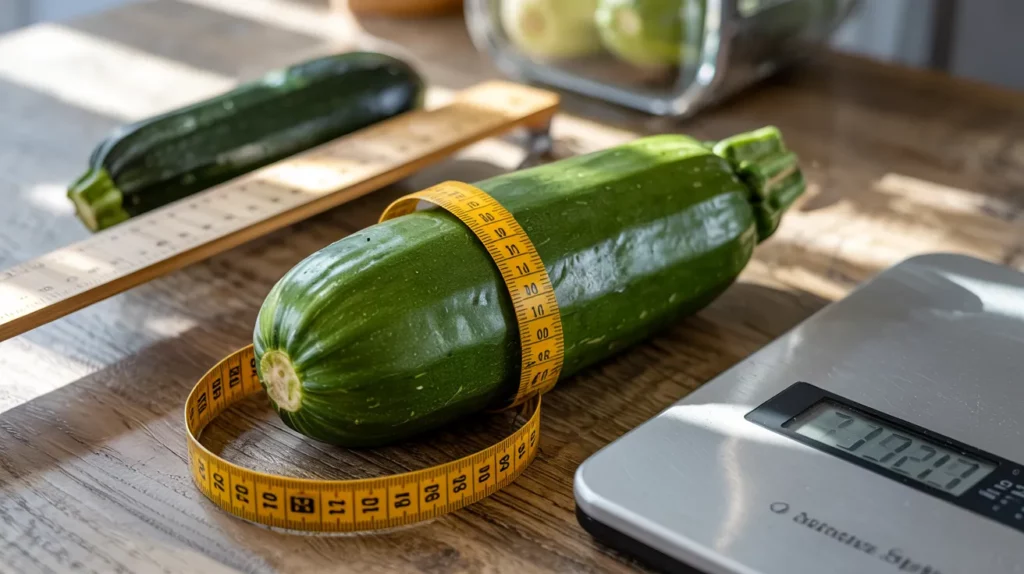
A common way to measure zucchini is with a ruler or tape measure. These tools show length in inches or centimeters. Use the ruler to check the zucchini from end to end. This method works well for small and medium zucchinis. Another simple method is using your hand as a guide. Compare the zucchini size to your fingers or palm. This gives a quick size estimate without tools.
Recommended Tools
A flexible tape measure is ideal for curved zucchinis. It wraps easily around the vegetable to measure circumference. A digital caliper offers precise width and thickness readings. This is useful for growers who want detailed size data. A kitchen scale helps track zucchini weight. Weight is another sign of maturity and quality. These tools help gardeners and cooks pick zucchinis at the perfect size.
Frequently Asked Questions
What Is The Ideal Zucchini Size For Harvesting?
The ideal zucchini size for harvesting is between 6 to 8 inches. At this size, zucchinis are tender and flavorful. Larger zucchinis can become tough and less tasty. Harvesting early promotes continuous growth and better yield.
How To Measure Zucchini Size Accurately?
Use a ruler or measuring tape to measure zucchini length. Measure from the stem end to the blossom end. For consistency, measure zucchinis at the same growth stage. Size helps determine the best culinary use and harvest time.
Why Does Zucchini Size Matter In Cooking?
Zucchini size affects texture and flavor in recipes. Smaller zucchinis are tender and better for grilling or salads. Larger zucchinis work well for stuffing or baking. Knowing size helps optimize cooking methods and dish quality.
Can Zucchini Size Indicate Its Maturity?
Yes, zucchini size indicates maturity and readiness for harvest. Young zucchinis are 4 to 6 inches and very tender. Mature zucchinis are 8 to 10 inches but may be less tender. Size guides optimal harvesting for best taste.
Conclusion
Knowing zucchini sizes helps you pick the best for your needs. Small zucchinis are tender and great for salads or snacks. Medium ones work well for cooking and grilling. Large zucchinis fit recipes needing more volume or baking. Use the chart to understand size and weight easily.
This way, you avoid surprises in cooking or shopping. Enjoy fresh, tasty zucchini dishes every time you cook. Keep the chart handy for quick reference whenever you buy or grow zucchini. Simple, clear, and useful for all your zucchini uses.
