
Are you curious about the perfect size of ziti noodles for your recipes? Whether you’re cooking a classic baked ziti or trying out a new pasta dish, knowing the right noodle size can make all the difference.
This ziti noodles size chart will help you choose the best fit for your meal, ensuring your dish turns out just right every time. Keep reading to discover how the size of your noodles can affect cooking time, texture, and overall taste—so you can impress everyone at your next dinner.
Ziti Noodles Basics
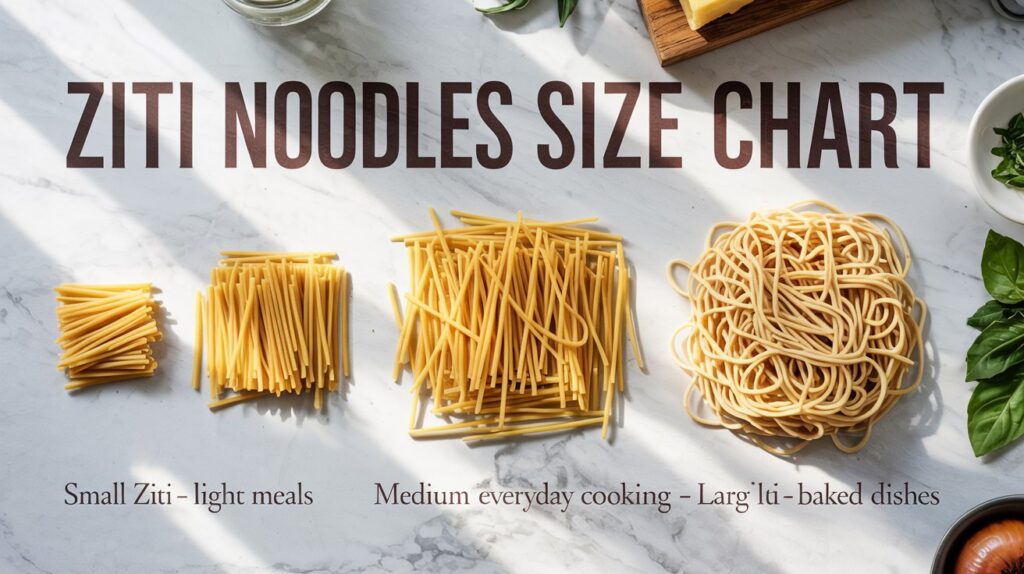
Ziti noodles are a popular type of pasta with a unique shape and texture. They are tube-shaped and smooth, making them different from other pasta types. Understanding ziti noodles helps in choosing the right size for recipes. This knowledge improves cooking results and meal enjoyment.
Each ziti noodle size serves a different purpose in cooking. Knowing these sizes helps with portion control and recipe success. Let’s explore what makes ziti noodles special and where they fit in your kitchen.
What Makes Ziti Unique
Ziti noodles are short, hollow tubes. Their smooth surface holds sauces well. The hollow center allows heat to cook them evenly. This shape also traps cheese and sauce inside. Ziti is thicker than penne but lacks ridges. This gives it a distinct texture and feel.
Common Uses In Recipes
Ziti noodles are perfect for baked dishes. They work well in casseroles and pasta bakes. Their shape holds chunky sauces and melted cheese. Ziti is often used in baked ziti, a classic Italian dish. They also cook nicely in soups and pasta salads. This versatility makes ziti a favorite in many kitchens.
Ziti Noodle Sizes
Ziti noodles come in various sizes that affect cooking and recipes. Understanding these sizes helps in choosing the right noodle for your dish. Each size has unique features that influence texture and taste.
? Ziti Noodles Size Chart
| Ziti Type | Length (inches) | Diameter (inches) | Texture | Cooking Time | Best For |
|---|---|---|---|---|---|
| Small Ziti | 2 inches | 0.20–0.22 | Firm | 7–9 min | Soups, light sauces |
| Standard Ziti | 2.5 inches | 0.25 | Balanced | 9–11 min | Baked ziti, casseroles |
| Large Ziti | 3 inches | 0.28–0.30 | Chewy | 11–13 min | Chunky sauces, cheese bakes |
| Thick Ziti | 3 inches | 0.30+ | Very firm | 12–14 min | Heavy, layered pasta dishes |
Tip: Larger ziti holds more sauce and cheese, while smaller sizes cook faster and feel lighter.
Length Variations
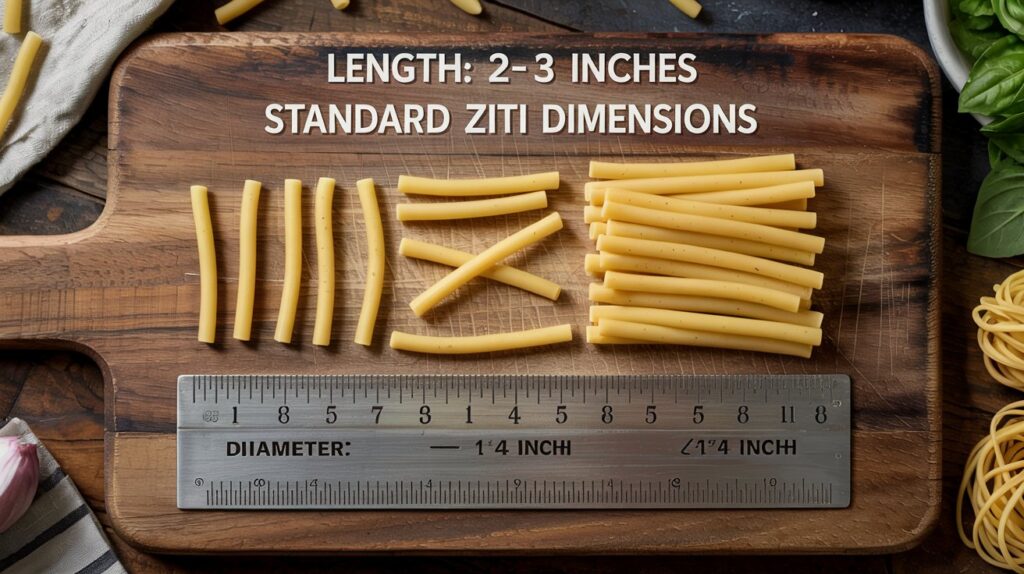
Ziti noodles vary in length from short to medium. Most ziti measure about 2 to 3 inches long. Some brands offer slightly longer pieces. Length affects cooking time and how the noodles hold sauce. Shorter ziti works well in baked dishes. Longer ziti is good for tossing with sauces.
Diameter Differences
The diameter of ziti noodles ranges from thin to thick. Thin ziti cooks faster and has a lighter texture. Thick ziti offers a chewier bite and holds sauce better. The diameter also changes the cooking time. Choose diameter based on your recipe and preference.
Shape And Texture
Ziti noodles are tubular and smooth on the outside. Some versions have ridges to hold sauce better. Smooth ziti creates a silky texture in dishes. Ridged ziti adds extra grip for thick sauces. The shape and texture influence the overall eating experience.
Measuring Ziti Portions
Knowing how to measure ziti portions helps control serving sizes. It also ensures the right amount of pasta for your meal. Proper measurement avoids waste and keeps your dish balanced.
Understanding the difference between dry and cooked ziti is key. The size and weight of ziti change after cooking. This guide will help you measure portions correctly every time.
Dry Vs Cooked Weight
Dry ziti noodles weigh less than cooked noodles. Cooking makes the pasta absorb water and swell. On average, cooked ziti weighs about two to three times the dry weight. For example, 100 grams of dry ziti becomes 200 to 300 grams after cooking. Use a kitchen scale to measure dry pasta for accuracy.
Portion Size For One Serving
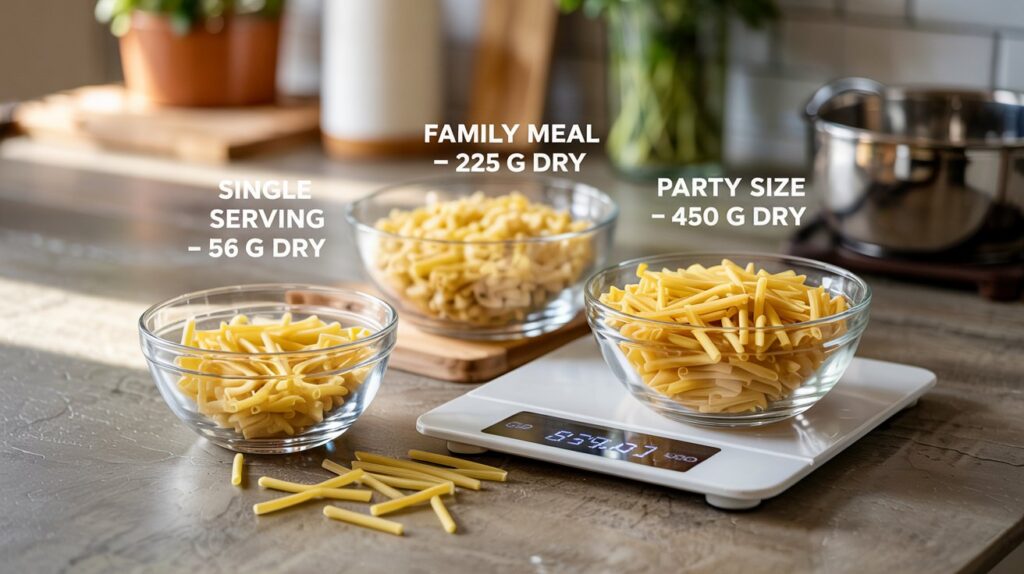
One serving of dry ziti is about 56 grams or 2 ounces. This amount will yield roughly 1 cup of cooked pasta. This portion fits well for one adult meal. Adjust serving sizes based on hunger and dish type. For a pasta bake, use slightly larger portions.
Adjusting Portions For Groups
Multiply the single serving size by the number of guests. For example, five people need 280 grams (10 ounces) of dry ziti. Add a little extra to avoid running short. Consider appetites and side dishes when planning portions. Using a measuring cup helps keep servings consistent.
Cooking Impact On Size
Cooking changes the size of ziti noodles quite a bit. Dry ziti looks small and firm. After boiling, the noodles swell and grow soft. This change affects the volume and texture of your dish. Understanding how cooking alters size helps you plan portions well.
How Water Absorption Affects Volume
Ziti noodles soak up water during cooking. The water makes the noodles expand. As they absorb more water, their volume increases. This is why cooked ziti looks much bigger than dry pasta. The amount of water absorbed depends on cooking time and temperature.
More water absorption means softer, larger noodles. Less absorption keeps noodles firmer and smaller. This balance changes the texture and feel of your meal.
Timing For Perfect Texture
The cooking time controls the noodle’s final size and texture. Cook ziti too long and it becomes mushy and very large. Cook it too short and the noodles stay hard and small. Finding the right timing gives you tender noodles that hold their shape.
Boil ziti for about 8 to 12 minutes for best results. Check noodles often to stop cooking at the right moment. Perfect timing makes your dish delicious and visually appealing.
Tools For Portion Accuracy
Getting the right portion of ziti noodles is key for cooking and serving. Using the right tools helps measure the noodles accurately. This saves food and ensures consistent cooking. Tools for portion accuracy make it simple to get the right amount every time.
Measuring Cups And Scales
Measuring cups are common kitchen tools for dry or cooked noodles. They show volume in cups or milliliters. Use them to scoop the right amount of noodles for your recipe.
Kitchen scales measure weight in grams or ounces. They give precise noodle portions. Place a bowl on the scale, tare it to zero, and add noodles until you reach the desired weight.
Visual Portion Guides
Visual guides help estimate noodle size without tools. For example, a fist or a handful can represent one serving of dry ziti noodles. This method is quick and useful when tools are not available.
Some cooks use common objects like a tennis ball or a deck of cards to compare portion sizes. These guides make it easier to judge noodle amounts at a glance.
Common Portion Mistakes
Portion control can be tricky with ziti noodles. Many people make simple mistakes that lead to too much or too little pasta on the plate. Understanding common portion errors helps cook better meals and avoid waste. Here are two frequent mistakes to watch out for.
Overestimating Dry Pasta
It is easy to think that a large amount of dry ziti means a big meal. Dry pasta looks smaller than it actually is. Many cook too much because they guess rather than measure. This causes leftovers or overeating. Using a size chart helps pick the right amount before cooking.
Ignoring Cooking Expansion
Ziti noodles absorb water and grow while cooking. One cup of dry pasta can double or triple in size. People often forget this and serve too much. This mistake can fill the pot but leave too much food on the plate. Remember to account for the increase in size after boiling.
Tips For Perfect Pasta Portions
Getting pasta portions right makes meals more enjoyable and less wasteful. Knowing how much ziti noodles to cook helps you serve the perfect amount. This way, every plate has a good balance of noodles and sauce. You avoid cooking too much or too little.
Balancing Sauce And Pasta
Too much pasta can dry out the dish. Too little pasta makes the sauce overpowering. Aim for a good pasta-to-sauce ratio. For ziti noodles, use about 1 cup of cooked pasta per serving. Pair it with enough sauce to coat the noodles lightly. This keeps the flavors balanced and tasty.
Adjusting For Appetite And Occasion
People eat different amounts. Consider appetite when measuring portions. Larger appetites may need 1.5 cups of cooked ziti. Smaller appetites may prefer 3/4 cup. Think about the meal too. For a main dish, serve more pasta. For a side dish, reduce the portion size. This helps fit the meal to the event and guests.
Frequently Asked Questions
What Is The Typical Size Of Ziti Noodles?
Ziti noodles are usually about 2 to 3 inches long and ¼ inch in diameter. They are tubular and hollow, perfect for holding sauces.
How Do Ziti Noodle Sizes Affect Cooking Time?
Smaller Ziti noodles cook faster, usually in 7 to 9 minutes. Larger sizes require more time to become tender and absorb sauce.
Can Ziti Noodle Size Impact Recipe Texture?
Yes, thicker Ziti noodles provide a chewier texture. Thinner noodles offer a lighter bite and better sauce absorption.
Are There Different Ziti Noodle Size Variations?
Yes, Ziti comes in various lengths and thicknesses. Some brands offer smaller, bite-sized pieces, ideal for baked dishes.
Conclusion
Knowing the sizes of ziti noodles helps you cook better meals. Choose the right size for your recipes every time. This chart makes picking easier and saves cooking guesswork. Enjoy making pasta dishes with confidence and ease. Simple steps lead to tastier, well-cooked ziti noodles.
Keep this guide handy for your next pasta night. Cooking becomes more fun and less stressful with clear info. Try different sizes to find your favorite pasta style.
