
Orange juice tastes metallic and bitter after brushing your teeth because the toothpaste ingredients, particularly sodium lauryl sulfate (SLS), temporarily alter your taste buds, creating a chemical reaction that makes sweet flavors seem unpleasant and bitter ones more pronounced.
Have you ever taken a sip of your favorite orange juice right after brushing your teeth, only to be met with a shockingly unpleasant, metallic taste? It’s a common experience that can leave you feeling confused and a little disappointed. Why does something so delicious turn so sour? Don’t worry, you’re not alone in this puzzling dilemma! We’re here to uncover the simple, science-backed reason behind this taste bud betrayal and assure you that your taste buds (and your OJ) will be back to normal soon.
Unraveling the Taste Bud Mystery: Why Does OJ Turn Sour?
It’s a question that has baffled many a morning routine: you brush your teeth, ready for a refreshing glass of orange juice, and BAM! Your taste buds are sending out distress signals. That vibrant, sweet citrus flavor is replaced by something metallic, bitter, and frankly, quite off-putting. This isn’t a sign that your orange juice has gone bad, nor is it a personal failing on your part. It’s all about a fascinating, albeit sometimes inconvenient, interaction between your toothpaste and your tongue.
The Culprit Behind the Taste Shift: Toothpaste Chemistry
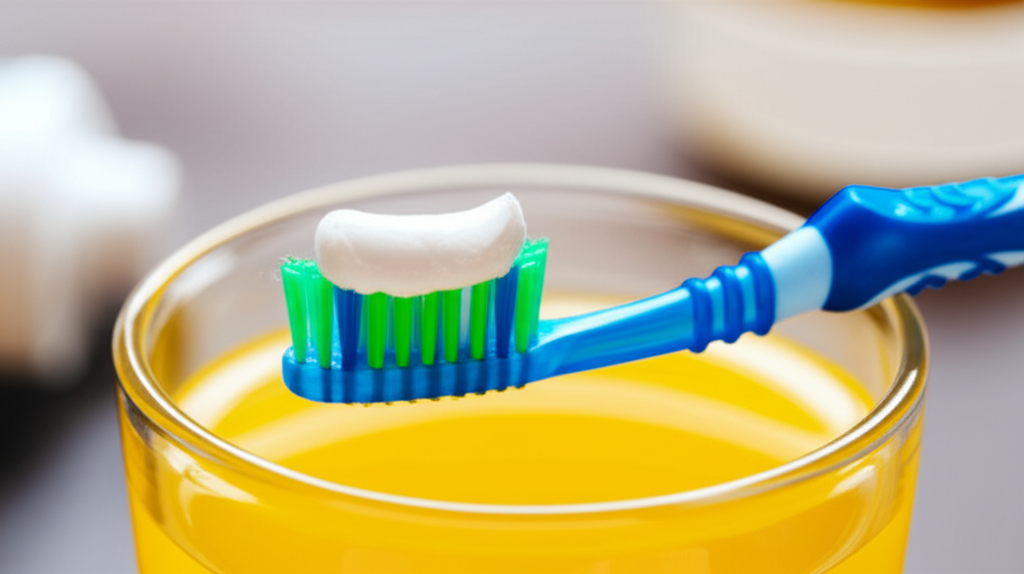
The primary reason your beloved orange juice tastes so bad after brushing your teeth lies within the ingredients of your toothpaste. While toothpastes are designed to clean and protect your teeth, some common components can temporarily mess with your perception of flavor.
Sodium Lauryl Sulfate (SLS): The Taste Bud Disruptor
The biggest troublemaker in most toothpastes is an ingredient called Sodium Lauryl Sulfate, or SLS. You’ll find SLS in many foaming products, not just toothpaste, because it’s excellent at creating that satisfying lather we associate with cleaning.
How SLS Works: SLS is a surfactant, meaning it lowers the surface tension of liquids. In toothpaste, this helps distribute the paste evenly and creates foam.
The Taste Bud Interaction: Here’s where it gets interesting. SLS is known to temporarily suppress the receptors on your tongue that detect sweetness. At the same time, it can enhance the receptors that detect bitterness. This dual action is what flips the flavor script on your orange juice. The natural sugars in the juice are less noticeable, while any underlying bitterness, which is normally masked by the sweetness, is amplified.
Other Toothpaste Ingredients to Consider
While SLS is the main culprit, other ingredients in toothpaste can also play a minor role:
Flavoring Agents: Many toothpastes contain strong mint or menthol flavors. These powerful tastes can linger on your tongue and, even after rinsing, can compete with or alter the perception of other flavors, like citrus.
Abrasives and Other Chemicals: While less directly linked to taste alteration, the overall chemical composition of toothpaste is designed to cleanse. This can leave a temporary film or change the surface of your taste buds in a way that makes certain foods taste different.
The Science of Sweet and Bitter Receptors
Our tongues have various taste receptors, each designed to detect a specific taste: sweet, sour, salty, bitter, and umami. When you brush your teeth, the SLS in the toothpaste interacts with these receptors.
Sweet Suppression: SLS molecules can bind to sweet taste receptors, effectively blocking them from interacting with sugar molecules from your food or drink. This makes sweet things taste less sweet.
Bitter Enhancement: Simultaneously, SLS seems to make bitter taste receptors more sensitive. So, any subtle bitter notes naturally present in foods, like the compounds in orange juice, are perceived more strongly.
This combination leaves your taste buds in a state where the sweetness of orange juice is muted, and its inherent, often mild, bitterness is magnified, resulting in that characteristic metallic or unpleasant taste.
The Orange Juice Experience Explained: A Chemical Reaction
Think of it like this: your taste buds are tiny sensors on your tongue. When you brush your teeth, you’re essentially giving those sensors a temporary chemical coating. This coating changes how they respond to the molecules in your orange juice.
How Toothpaste Interferes with Flavors
The interaction is quite direct. The ingredients from the toothpaste remain on your tongue and mouth for a short period even after rinsing.
1. Brushing: Toothpaste, especially containing SLS, coats your tongue.
2. Rinsing: While rinsing removes most of the toothpaste, residual molecules remain.
3. Sipping OJ: When you drink orange juice, its flavor compounds interact with these residual toothpaste molecules.
4. Taste Alteration: The suppressed sweet receptors and heightened bitter receptors send mixed signals to your brain, resulting in the “bad” taste.
This is why the effect is temporary. As saliva continues to dilute and wash away the toothpaste remnants, your taste buds gradually return to their normal functioning, and orange juice starts tasting like orange juice again.
Why Some Juices Are Worse Than Others
Not all juices are affected equally. Highly acidic and sweet beverages like orange juice are particularly susceptible to this taste alteration.
Acidity: The acidity in orange juice can sometimes interact with the chemicals left from toothpaste, further amplifying the bitter or metallic notes.
Sugar Content: While higher sugar content usually makes juice taste sweeter, the SLS in toothpaste works to cancel out that sweetness, leaving the less desirable flavors more prominent.
Navigating Your Morning Routine Without the Taste Shock
Experiencing that unpleasant taste is a common frustration, but thankfully, there are simple strategies to enjoy your breakfast beverages without the taste bud confusion.
Choosing the Right Toothpaste
The easiest way to avoid the post-brushing taste problem is to select a toothpaste that doesn’t contain SLS. Many brands now offer SLS-free options.
Look for “SLS-Free”: Many natural or specialty toothpaste brands explicitly label themselves as SLS-free.
Check the Ingredients: If it’s not labeled, look for Sodium Lauryl Sulfate on the ingredient list.
Alternatives: Other foaming agents or natural cleansers are used in SLS-free toothpastes, which don’t have the same taste-altering effects.
Alternative Toothpaste Flavors
Sometimes, even without SLS, strong mint flavors can clash with other foods. Consider:
Mild Mint: Opt for toothpastes with a milder mint flavor.
Non-Mint Flavors: Some toothpastes come in fruit or cinnamon flavors, which might be less likely to interfere with the taste of orange juice.
Timing is Everything: The Rinsing Trick
If switching toothpaste isn’t an option, timing your juice consumption can help.
Thorough Rinsing: After brushing, rinse your mouth very thoroughly with plain water. Swish the water around vigorously for at least 30 seconds to remove as much toothpaste residue as possible.
Wait a Bit: Ideally, wait at least 15-20 minutes after brushing before drinking your orange juice. This gives your saliva time to neutralize any remaining toothpaste elements.
Drink Water First: Some people find that drinking a glass of plain water immediately after brushing and before their juice helps to rinse away the toothpaste residue more effectively.
Alternative Morning Drinks
If you’re craving something other than orange juice right after brushing, consider these alternatives that are less likely to be affected by toothpaste residues:
Water: Pure and simple, water is always a safe bet.
Herbal Teas: Unsweetened herbal teas, especially those with subtle flavors, are less likely to clash.
Milk or Plant-Based Milks: The creaminess and different flavor profile of milk can often mask any lingering toothpaste tastes.
The Benefits of Fresh Juice and Oral Hygiene
Maintaining good oral hygiene is crucial for overall health, and so is incorporating nutritious juices into your diet.
Why Fresh Juice is Great for You
Freshly squeezed juices, like those from The Honey Pot Bakery, are packed with vitamins, minerals, and antioxidants.
Nutrient Powerhouse: They provide a concentrated dose of essential nutrients that can boost your immune system and energy levels.
Hydration: Juices contribute to your daily fluid intake, helping to keep your body hydrated and functioning optimally.
Digestive Aid: Many fruits and vegetables used in juicing contain fiber and enzymes that can support healthy digestion. For instance, citrus fruits themselves are a good source of Vitamin C, which is an antioxidant. You can learn more about the amazing benefits of Vitamin C on the National Institutes of Health (NIH) Office of Dietary Supplements.
Oral Hygiene Best Practices
Brushing your teeth twice a day is a cornerstone of good oral health, helping to prevent cavities, gum disease, and bad breath.
Regular Brushing: Use a fluoride toothpaste and brush for two minutes each time.
Flossing: Don’t forget to floss daily to remove plaque and food particles from between your teeth.
* Regular Dental Check-ups: Visit your dentist for regular check-ups and cleanings to ensure your teeth and gums are healthy.
Balancing Juice and Dental Care
It’s entirely possible to enjoy the benefits of fresh juices without compromising your oral health, and without experiencing that odd taste phenomenon. The key is understanding how your toothpaste and your favorite drinks interact.
Frequently Asked Questions
Why does my orange juice taste metallic after brushing my teeth?
This is most commonly due to an ingredient in toothpaste called Sodium Lauryl Sulfate (SLS). SLS can temporarily suppress your sweet taste receptors and enhance your bitter taste receptors, causing sweet drinks like orange juice to taste metallic or bitter.
Is SLS bad for you?
For most people, SLS is safe in the concentrations found in toothpaste. However, it can cause irritation or canker sores in some individuals. Its primary issue in this context is its effect on taste perception.
Are there toothpastes without SLS?
Yes, absolutely! Many brands now offer SLS-free toothpastes. You can find them by looking for “SLS-Free” on the packaging or checking the ingredients list for Sodium Lauryl Sulfate.
How long does the taste effect last?
The taste alteration is temporary. It typically lasts for a short period after brushing, usually from a few minutes to an hour, depending on how well you rinse and how quickly your saliva works to remove the toothpaste residue.
Will other foods taste bad too?
Yes, other sweet or acidic foods and drinks can also taste different. Beverages like coffee, tea, and even water can sometimes taste altered. Highly flavored foods might also be affected, though the effect is most pronounced on sweet and bitter tastes.
Can I drink orange juice before brushing my teeth?
Yes, drinking orange juice before brushing is generally fine. However, dentists often recommend waiting about 30-60 minutes after consuming acidic foods or drinks like orange juice before brushing. This is because the acid can soften tooth enamel, and brushing too soon might wear it away. So, it’s best to enjoy your juice, rinse your mouth with water, and then wait a bit before brushing.
What if I don’t use toothpaste? Will orange juice taste normal?
If you don’t use toothpaste or use a type that doesn’t contain taste-altering ingredients like SLS, your orange juice should taste normal after cleaning your teeth with water or a gentle mouthwash. The chemical interaction is specifically triggered by toothpaste ingredients.
Summary of Taste Alteration
| Toothpaste Ingredient | Effect on Taste Buds | Result with Orange Juice |
|---|---|---|
| Sodium Lauryl Sulfate (SLS) | Suppresses sweet receptors, enhances bitter receptors | Orange juice tastes metallic, bitter, less sweet |
| Strong Mint Flavors | Lingering taste interferes with other flavors | Can clash with or mask citrus notes |
| Other Chemicals/Abrasives | Temporary changes to tongue surface | Minor alterations in flavor perception |
Conclusion: Enjoy Your Juices and Your Smile!
The mystery of why orange juice tastes so peculiar after brushing your teeth is solved! It’s a simple, chemical reaction involving common toothpaste ingredients, most notably SLS, that temporarily alters how your taste buds perceive sweetness and bitterness. This is a normal phenomenon, and it doesn’t mean anything is wrong with your juice or your oral health.
By understanding the science behind it, you can easily navigate this common quirk. Whether you choose an SLS-free toothpaste, practice thorough rinsing, or simply wait a little longer before enjoying your morning beverage, there are simple steps to ensure your orange juice tastes just as delicious as it should. At The Honey Pot Bakery, we believe in the joy of fresh, wholesome juices, and we want to empower you to enjoy them fully, alongside a bright, healthy smile. So go ahead, embrace your morning routine with confidence, and savor every sip!
