
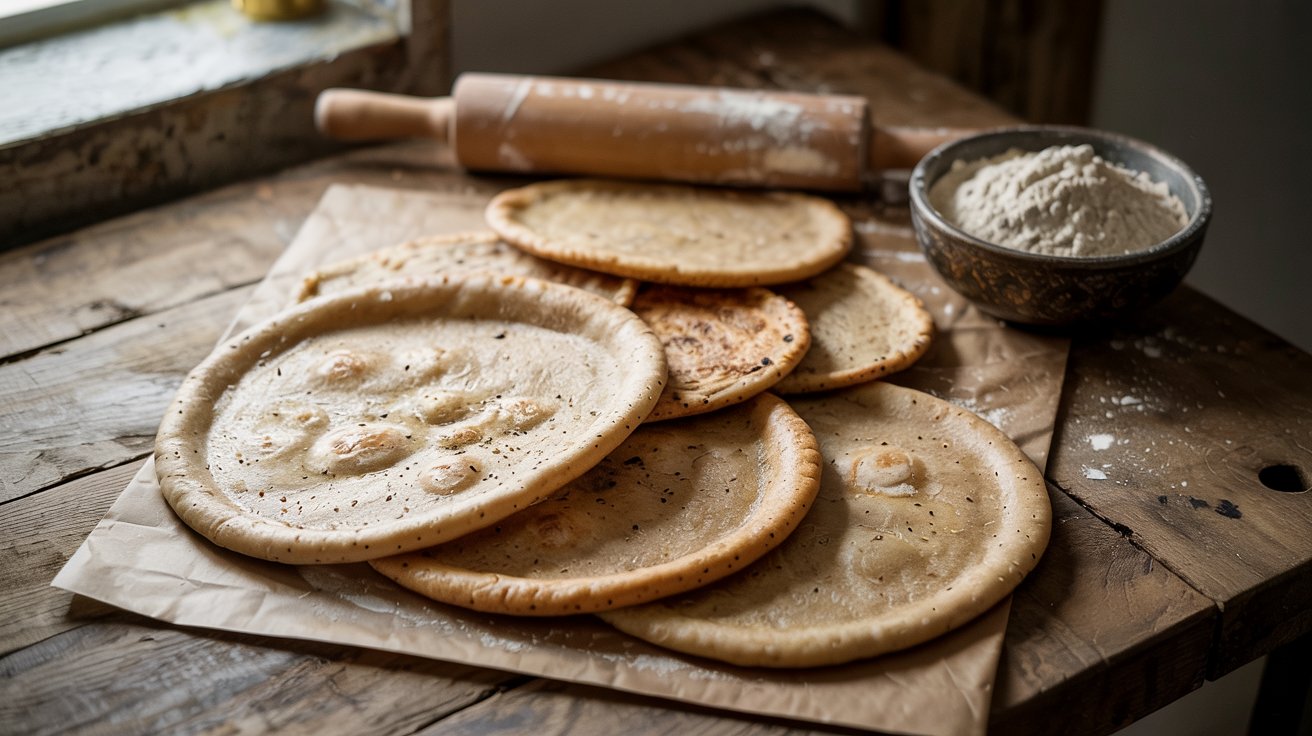
Are you tired of guessing the right size for your whole wheat flatbread? Whether you’re baking at home or ordering for a group, knowing the exact size can make all the difference.
Your meals will look better, taste better, and fit perfectly with your favorite fillings. In this guide, you’ll find a clear, easy-to-follow whole wheat flatbread size chart that takes the guesswork out of the equation. Keep reading to discover the perfect size for every occasion and make your flatbread experience truly satisfying.

Whole Wheat Flatbread Basics
Whole wheat flatbread is a simple, healthy choice for meals. It offers a nutty flavor and a chewy texture. This flatbread is perfect for wraps, dips, or as a side. Understanding the basics helps you make better flatbreads at home.
? Whole Wheat Flatbread Size Chart
| Flatbread Size | Diameter (Inches) | Dough Weight | Best Use |
|---|---|---|---|
| Small | 4–6 inches | 45–60 g | Dips, sides, kids’ meals |
| Medium | 7–9 inches | 80–100 g | Wraps, sandwiches, daily meals |
| Large | 10–12 inches | 120–150 g | Pizzas, burritos, sharing meals |
Key Ingredients
Whole wheat flour is the main ingredient. It adds fiber and nutrients. Water helps form the dough. A pinch of salt enhances flavor. A little oil makes the flatbread soft. Yeast or baking powder may be used for fluffiness.
Dough Preparation Tips
Mix ingredients until the dough is smooth. Let the dough rest to relax gluten. This makes the flatbread easier to roll. Use a light dusting of flour to avoid sticking. Roll dough evenly for consistent cooking. Cook on a hot pan until golden spots appear.
Common Flatbread Sizes
Whole wheat flatbreads come in different sizes. Knowing common flatbread sizes helps with cooking and serving. Sizes vary from small to large. Each size fits different meals and occasions. Here is a guide to common flatbread sizes.
Small Flatbreads
Small flatbreads usually measure 4 to 6 inches in diameter. They are perfect for snacks or small wraps. Kids often enjoy small flatbreads. They cook quickly and are easy to handle. Small flatbreads work well for appetizers.
Medium Flatbreads
Medium flatbreads range from 7 to 9 inches wide. They suit regular sandwiches and wraps. Many people prefer medium size for lunch or dinner. These flatbreads offer a good balance of size and ease. They fit well on standard plates.
Large Flatbreads
Large flatbreads measure 10 inches or more. They are ideal for sharing or larger meals. Large flatbreads can serve as pizza bases. They hold plenty of fillings and toppings. Great for family meals or group gatherings.
Choosing Size For Different Uses
Choosing the right size of whole wheat flatbread matters for different meals. Size affects how well your dish turns out. It also impacts how easy it is to eat and share. Knowing the best size for each use helps avoid waste and improves taste.
Wraps And Sandwiches
Medium-sized flatbreads work best for wraps and sandwiches. They hold fillings without breaking or spilling. Too small means less filling and less satisfaction. Too large makes wrapping tricky and messy. Choose sizes around 8 to 10 inches for a perfect wrap.
Dipping And Sides
Smaller flatbreads suit dipping and side dishes. They are easy to break into pieces. Ideal sizes range from 4 to 6 inches. These sizes fit well on the plate. They also make sharing simple and clean.
Pizza And Main Dishes
Large flatbreads are perfect for pizzas and main dishes. Sizes over 10 inches provide enough space for toppings. They bake evenly and hold ingredients well. Pick bigger flatbreads for meals that feed more people.
Measuring And Rolling Techniques
Measuring and rolling techniques help create perfect whole wheat flatbreads. Proper size and thickness ensure even cooking and good texture. Using the right tools and methods leads to consistent results every time.

Tools For Accurate Sizing
Use a ruler or tape measure to check dough size. A round cutter or plate helps shape flatbreads evenly. Measuring tools keep flatbreads uniform, aiding in cooking and presentation.
Rolling Even Thickness
Roll dough from the center outward for uniform thickness. Use a rolling pin with thickness guides or bands. Check thickness often to avoid thick or thin spots. Even thickness ensures flatbreads cook through without burning.
Baking Times By Size
Baking times for whole wheat flatbreads vary by size. Different sizes need different baking times to cook properly. Knowing the right baking time helps achieve soft, warm flatbreads with a perfect texture. Overbaking can make them dry and hard. Underbaking leaves them doughy. Below are baking times based on the size of your flatbread.
Small Flatbread Baking
Small flatbreads usually measure around 6 inches in diameter. Bake these at 375°F (190°C) for 5 to 7 minutes. Keep a close eye to avoid burning. They cook fast because of their size. The edges should turn golden brown but not too dark.
Medium Flatbread Baking
Medium flatbreads are about 8 to 10 inches wide. Bake at 375°F (190°C) for 8 to 10 minutes. This size needs a bit more time to cook through. The surface should look evenly browned. The center must feel soft but firm to touch.
Large Flatbread Baking
Large flatbreads measure 12 inches or more. Bake at 375°F (190°C) for 12 to 15 minutes. Larger size means longer baking time. Watch for even color all over. The flatbread should be cooked fully but stay flexible.
Troubleshooting Size Issues
Size problems with whole wheat flatbread can affect taste and texture. Knowing how to fix these issues saves time and ingredients. This section helps you spot and solve common size troubles.
Flatbread Too Thick Or Thin
Flatbread that is too thick cooks unevenly and feels doughy. Too thin flatbread can tear or burn easily. Use a rolling pin to spread dough evenly. Check size charts to get the right thickness. Aim for about 1/8 to 1/4 inch thick for best results.
Uneven Cooking
Uneven cooking happens when flatbread size is inconsistent. Thicker parts cook slower, thinner parts burn faster. Flatten dough evenly before cooking. Rotate flatbread during cooking to heat all sides. Use medium heat to cook flatbread gently and evenly.
Adjusting Recipe For Size
Changing flatbread size means adjusting ingredient amounts. Larger flatbreads need more dough; smaller ones need less. Measure ingredients carefully for consistent dough. Use the size chart to decide dough weight per flatbread. Adjust cooking time based on flatbread thickness and size.
Storage And Reheating Tips
Storing and reheating whole wheat flatbreads properly keeps them soft and tasty. Flatbreads can dry out quickly without the right care. Simple steps help maintain their fresh texture and flavor. Proper storage slows down staleness and mold growth. Reheating brings back warmth and softness, making them ready to eat again.
Keeping Flatbreads Fresh
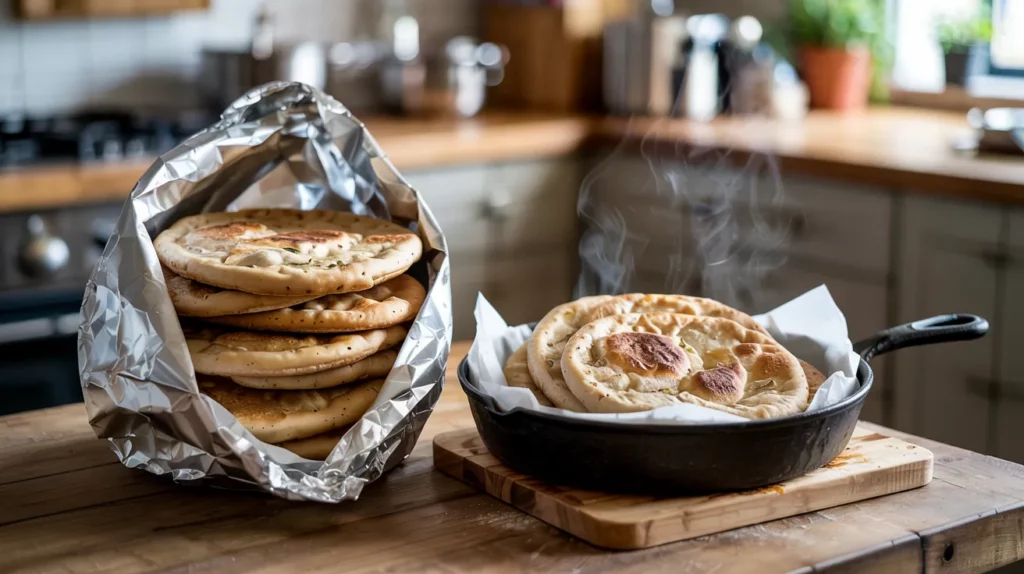
Wrap flatbreads in plastic wrap or foil to keep air out. Store them in an airtight container or resealable bag. Keep flatbreads at room temperature if you plan to eat them within two days. For longer storage, freeze flatbreads by placing parchment paper between each piece. Freeze in a sealed bag to avoid freezer burn. Thaw frozen flatbreads slowly at room temperature before reheating.
Best Reheating Methods
Use a skillet on medium heat for soft, warm flatbreads. Heat each side for about 30 seconds. Wrap flatbreads in foil and warm them in a low oven for 10 minutes. Avoid microwaving flatbreads without moistening them first. Spray or sprinkle a little water before microwaving to keep flatbreads moist. Reheat quickly to avoid drying out or becoming tough.
Frequently Asked Questions
What Are Common Sizes Of Whole Wheat Flatbreads?
Whole wheat flatbreads usually range from 6 to 12 inches in diameter. Smaller sizes suit wraps and snacks. Larger sizes are perfect for pizzas or meals. Size choice depends on recipe and serving needs.
How To Measure Whole Wheat Flatbread Size Accurately?
Use a ruler or measuring tape across the flatbread’s widest point. Measure diameter for round breads and length/width for rectangular ones. Accurate measurement helps select correct packaging or recipe portion sizes.
Does Flatbread Size Affect Cooking Time?
Yes, larger flatbreads generally require longer cooking times. Thickness and oven temperature also impact cooking. Monitor closely to avoid undercooking or burning. Adjust time based on size for best results.
Why Is A Size Chart Useful For Whole Wheat Flatbreads?
A size chart helps choose the right flatbread for recipes or meal portions. It ensures consistency in cooking and presentation. This reduces waste and improves customer satisfaction in commercial settings.
Conclusion
Whole wheat flatbreads come in many sizes to fit your needs. Knowing the size helps you plan meals and servings better. This chart makes it easier to choose the right flatbread. Enjoy cooking and sharing delicious, healthy flatbreads with family and friends.
Keep this guide handy for quick size reference anytime. Simple and clear, it supports your cooking adventures well.
