
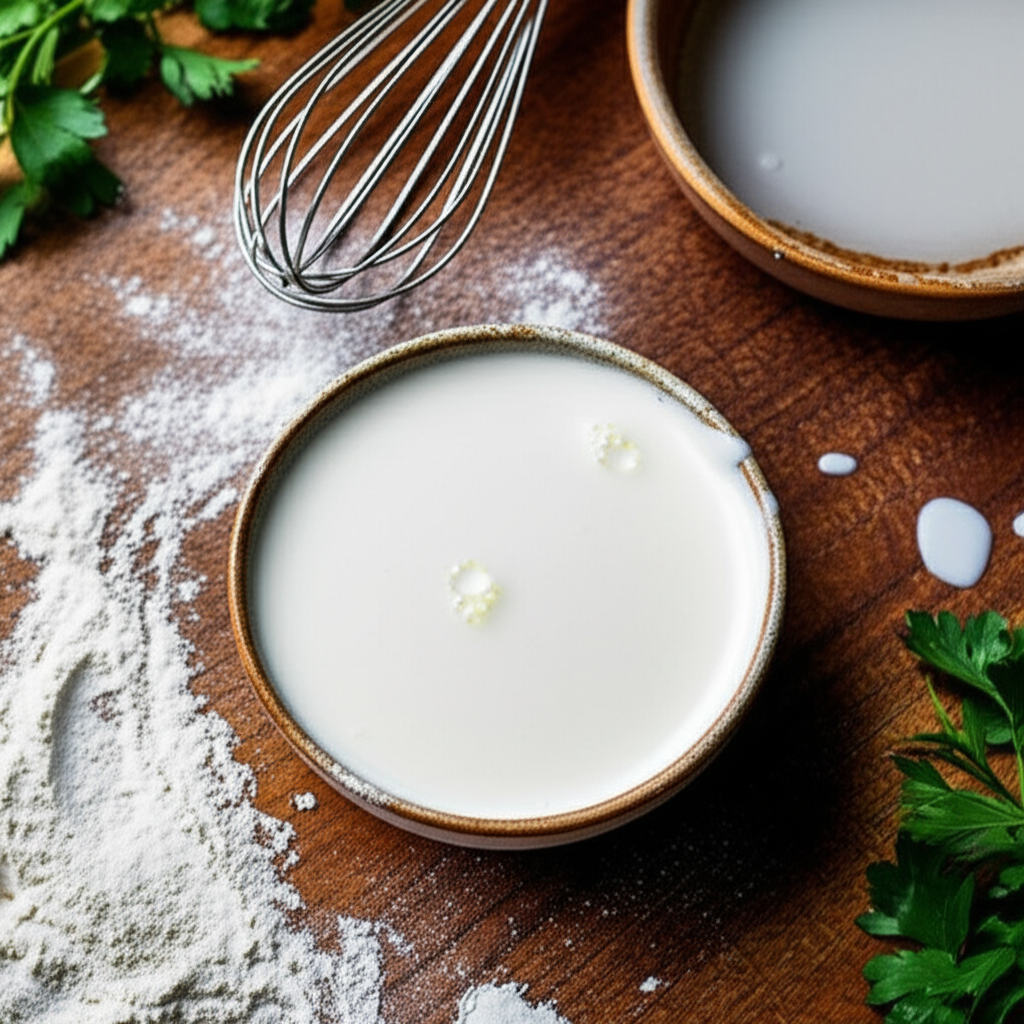
Sour milk in a recipe is often a secret ingredient for tender baked goods, not a mistake! It occurs when milk ferments, creating a slightly tangy liquid that reacts with leavening agents like baking soda to produce a lighter, fluffier texture. Don’t toss it; use it to your baking advantage!
Ever cracked open the fridge and found your milk looks a little…off? Maybe it’s got a faint tang or a slightly thicker texture. Before you pour it down the drain, let’s talk about a common kitchen mystery: what is sour milk in a recipe, and can you actually use it? Many home bakers accidentally create “sour milk” and worry they’ve ruined their ingredients. But guess what? In many baking situations, that slightly soured milk is actually a baking superpower! We’re here to demystify this, show you how it works, and give you the confidence to embrace it. Get ready to discover how a little tang can lead to wonderfully tender cakes and fluffy pancakes!
The Shocking Truth: Sour Milk is Often a Baking Friend!
The “shocking truth” about sour milk in a recipe is that it’s not always a sign of spoilage, and it can be a fantastic ingredient for enhancing the texture and flavor of baked goods. When milk begins to sour, lactic acid is produced. This acid is the key player. It interacts beautifully with baking soda, a common leavening agent, creating a more vigorous reaction that results in a lighter, more tender crumb in your cakes, muffins, and quick breads. Think of it as a natural buttermilk substitute, offering a similar tenderizing effect.
Many recipes specifically call for “soured milk” or “clabbered milk.” Even if your recipe doesn’t explicitly state it, if your milk has just begun to sour (meaning it’s still safe to consume and doesn’t have mold or a truly foul odor), it can often be used successfully. The key is understanding the difference between slightly soured and truly spoiled milk.
Understanding “Slightly Soured” vs. “Spoiled” Milk
This is where most home bakers get confused and anxious. It’s crucial to know the difference so you don’t accidentally use milk that’s gone too far.
- Slightly Soured Milk: This milk will have a faint tangy smell and taste, perhaps a slightly thicker consistency, and might have small curds. It’s still liquid enough to pour and doesn’t smell or look repulsive. This is the kind you can often use in baking.
- Spoiled Milk: This milk will have a strong, unpleasant, rancid odor and taste. It will likely be lumpy, curdled, and may even have visible mold. It will also likely have separated into distinct watery and solid components that cannot be easily mixed back together. This milk is definitely not safe for consumption or baking.
When in doubt, always trust your senses. If it smells bad, looks truly unpleasant, or you’re unsure, it’s best to discard it. However, if it’s just a subtle change, you might be in luck!
How Does Sour Milk Work in Baking? The Science Explained
The magic behind sour milk in baking lies in a simple chemical reaction. Milk contains lactose, a sugar. When milk begins to sour, bacteria convert lactose into lactic acid. This lactic acid is what makes the milk taste tangy.
In baking, this lactic acid is a fantastic partner for baking soda (sodium bicarbonate). When baking soda is combined with an acid and moisture, it produces carbon dioxide gas. This gas creates bubbles within your batter, causing it to rise and become light and fluffy. The reaction with lactic acid is often more potent than using baking soda with an acidic ingredient like lemon juice or vinegar alone, leading to a superior rise and a more tender texture.
Here’s a simplified look at the reaction:
Baking Soda (Sodium Bicarbonate) + Lactic Acid (from sour milk) + Heat → Carbon Dioxide Gas + Water + Sodium Lactate
The carbon dioxide gas is trapped by the gluten in the flour, creating airy pockets. The result? A wonderfully tender and light baked good. This is why sour milk is often a secret weapon for bakers aiming for that perfect texture.
When Can You Use Sour Milk? Common Baking Scenarios
Sour milk isn’t just for accidental discoveries; it’s a valuable ingredient in many traditional and modern recipes. Here are some common scenarios where it shines:
- Pancakes and Waffles: The acidity helps create incredibly tender and fluffy pancakes and waffles.
- Muffins and Quick Breads: It contributes to a softer crumb and a slight tang that complements flavors like berries or spices.
- Scones: Similar to muffins, sour milk can make scones more tender and delicate.
- Cakes: Especially in recipes like chocolate cake, the slight tang can deepen the chocolate flavor and improve texture.
- Biscuits: For a more tender biscuit, soured milk can be a great addition.
Think of any recipe that calls for buttermilk or yogurt. If your milk has just begun to sour, it can often be used as a substitute for buttermilk in these types of recipes.
DIY Sour Milk: When You Need That Tangy Kick
Sometimes, you might not have milk that has naturally soured, but your recipe calls for it, or you want to achieve that tenderizing effect. Don’t worry! You can easily make your own “soured milk” at home. This is a fantastic trick to have up your sleeve.
How to Make Sour Milk (DIY Buttermilk Substitute)
This is a simple process that mimics the effect of naturally soured milk. It’s a lifesaver when you realize your milk isn’t quite right but you need that ingredient!
What You’ll Need:
- Fresh milk (any fat content will work, though whole milk is generally preferred for richness)
- An acid: white vinegar or lemon juice
- A measuring cup
- A spoon
Step-by-Step Guide:
- Measure Your Milk: Determine how much sour milk your recipe requires. For instance, if it calls for 1 cup of sour milk, measure out 1 cup of fresh milk into a measuring cup.
- Add the Acid: For every 1 cup of milk, add 1 tablespoon of white vinegar or fresh lemon juice.
- Stir Gently: Give the mixture a gentle stir. Don’t overmix.
- Let it Sit: Allow the mixture to sit undisturbed for 5-10 minutes. You’ll notice the milk starting to curdle and thicken slightly, resembling buttermilk.
- Use as Directed: Your DIY sour milk is now ready to be used in your recipe as if it were naturally soured milk or buttermilk.
This DIY method is incredibly reliable and ensures you always have the right ingredient on hand for recipes that benefit from a touch of acidity for tenderness and rise.
What Happens if You Use Really Spoiled Milk?
This is the scenario everyone fears, and it’s important to be clear: using milk that has truly spoiled is a bad idea. Here’s what can happen:
- Unpleasant Taste: The strong, off-flavors of spoiled milk will permeate your baked goods, making them unpalatable.
- Bad Texture: Instead of tenderizing, the excessive curdling and rancidity can lead to a gummy, dense, or even gritty texture.
- Food Safety Risk: Spoiled milk can contain harmful bacteria that can cause food poisoning. You absolutely do not want to consume anything made with truly spoiled milk.
- Failed Rise: The chemical balance is too far off to produce a good leavening reaction. Your baked goods might not rise at all, or they could collapse.
This is why the distinction between “slightly soured” and “spoiled” is so vital. When in doubt, always err on the side of caution and discard truly spoiled dairy products.
Benefits of Using Sour Milk in Your Recipes
Beyond the “shocking truth” that it’s often usable, intentionally using sour milk (or making your own) offers several distinct advantages for your baking:
- Enhanced Tenderness: The lactic acid breaks down gluten strands, resulting in a more tender and melt-in-your-mouth texture.
- Improved Rise and Fluffiness: The acid reacts with baking soda to create more carbon dioxide, giving your baked goods a better lift and a lighter crumb.
- Deeper Flavor: The slight tang can add a subtle complexity and depth of flavor, especially in richer baked goods like chocolate cakes or spice breads.
- Natural Leavening: It works as a natural leavening agent, complementing baking soda for optimal results.
- Cost-Effective: By using milk that might otherwise be discarded, you reduce food waste and save money.
These benefits make a compelling case for understanding and utilizing sour milk in your kitchen repertoire.
When Not to Use Sour Milk
While sour milk is a baking boon in many cases, there are times when it’s best to stick to fresh milk or your carefully prepared DIY version:
- Recipes Requiring Fresh Milk for Texture: Some delicate pastries or custards rely on the specific texture and properties of fresh, unacidified milk.
- Recipes with Other Strong Acids: If a recipe already calls for a significant amount of lemon juice, vinegar, or sour cream, adding naturally soured milk might throw off the delicate balance of flavors and leavening.
- Milk That is Truly Spoiled: As mentioned, never use milk that is rancid, moldy, or smells strongly unpleasant. This is a food safety hazard.
- Milk for Drinking or Cereal: Obviously, only use fresh, properly stored milk for direct consumption.
Always consider the overall recipe and its intended outcome. If you’re unsure, using fresh milk or the DIY method is a safer bet.
Comparing Milk Types for Baking
Understanding different milk types can help you make informed decisions in the kitchen. Here’s a quick comparison relevant to our discussion:
| Milk Type | Key Characteristics | Best Uses in Baking | Notes |
|---|---|---|---|
| Fresh Milk | Smooth, liquid, neutral taste. | General baking, custards, cream sauces, recipes where milk’s pure flavor is key. | The standard for most recipes. |
| Sour Milk (Naturally or DIY) | Slightly tangy, may be slightly thicker, curdled appearance. | Pancakes, muffins, quick breads, cakes, scones, biscuits. | Adds tenderness and aids leavening. |
| Buttermilk | Tangy, thinner than sour milk, cultured. | Similar to sour milk; excellent for tenderizing and activating baking soda. | Often specified in recipes for its consistent results. |
| Evaporated Milk | Concentrated, richer flavor. | Recipes requiring a richer, denser texture; can be diluted with water. | Not a direct substitute for sour milk due to lack of acidity. |
| Powdered Milk | Dried, needs rehydration. | Can be rehydrated to mimic fresh milk; flavor may differ slightly. | Not suitable for creating sour milk effect without added acid. |
As you can see, sour milk and buttermilk share many properties that make them excellent for achieving tender results. The key is the presence of lactic acid.
Tips for Storing and Handling Milk
Proper milk storage is essential to prevent spoilage and ensure you can identify when it’s just slightly soured versus truly bad. Following best practices from organizations like the USDA can help.
- Keep it Cold: Always store milk in the coldest part of your refrigerator, usually the back of the bottom shelf, not in the door where temperatures fluctuate.
- Keep it Sealed: Ensure the container is tightly closed to prevent contamination and odor absorption.
- Check Expiration Dates: Pay attention to “sell by” and “use by” dates, but also use your senses.
- First In, First Out: Rotate your milk so older cartons are used first.
- Smell and Look: Before using milk that’s near or past its date, give it a sniff and a visual check. If it passes the sensory test for “slightly soured,” it’s likely usable for baking.
By following these tips, you can maximize the shelf life of your milk and be more confident in its quality for your culinary adventures.
Frequently Asked Questions About Sour Milk in Recipes
Is sour milk safe to use in baking?
Yes, if the milk has only slightly soured and does not have any signs of spoilage like mold, off-odors, or a truly rancid taste, it is generally safe and even beneficial to use in baking. The fermentation process creates lactic acid, which is excellent for tenderizing baked goods.
How do I know if my milk has gone bad?
Milk has gone bad if it has a strong, unpleasant, rancid smell and taste, is excessively lumpy or curdled, or shows visible signs of mold. If it simply smells a bit tangy and has a slightly thicker consistency without these other issues, it’s likely just soured.
Can I use spoiled milk in a recipe?
No, you should never use milk that is truly spoiled. It can lead to an unpalatable taste, a poor texture, and poses a food safety risk due to harmful bacteria.
What’s the difference between sour milk and buttermilk?
Both sour milk and buttermilk have a tangy flavor due to lactic acid. Buttermilk is traditionally the liquid left after churning butter, and it’s cultured to develop its tang. Naturally soured milk develops its acidity through bacterial fermentation. In baking, they are often interchangeable due to their similar acidic properties.
Can I substitute sour milk for fresh milk in any recipe?
You can substitute sour milk for fresh milk in many recipes, especially those for quick breads, muffins, pancakes, and cakes, particularly if the recipe also calls for a leavening agent like baking soda. However, avoid using it in recipes where the pure, fresh dairy flavor is critical, or in delicate custards.
How much vinegar or lemon juice should I add to make sour milk?
For every 1 cup (240ml) of fresh milk, add 1 tablespoon (15ml) of white vinegar or fresh lemon juice. Let it sit for 5-10 minutes until it thickens slightly and curdles, resembling buttermilk.
Will sour milk make my baked goods taste sour?
A slightly soured milk will add a subtle tang that can enhance flavors, especially chocolate or spices, and contribute to tenderness. It generally does not make baked goods taste unpleasantly sour; rather, it adds a pleasant depth of flavor.
Conclusion: Embrace the Tang for Better Baking!
So, the next time you find your milk has developed a slight tang, don’t panic! You’ve likely discovered a secret ingredient for wonderfully tender and fluffy baked goods. Understanding the difference between slightly soured and spoiled milk is key. By knowing how to identify usable sour milk or how to easily create your own DIY version, you unlock a powerful tool in your baking arsenal. From lighter pancakes to more tender cakes, that little bit of acidity can make a significant difference.
The “shocking truth” is that what might seem like a mistake is actually an opportunity to elevate your baking. So go ahead, experiment, and enjoy the delicious results. Happy baking from The Honey Pot Bakery!
