

Lemon juice concentrate is primarily a highly concentrated form of lemon juice, with water removed. It retains the tart flavor and many of the beneficial compounds found in fresh lemons, offering convenience and a longer shelf life.
Ever picked up a bottle of lemon juice concentrate and wondered what’s really inside? You’re not alone! Many of us reach for it in the grocery aisle, appreciating its convenience for baking, cooking, or even adding a zesty kick to our water. But what happens to fresh lemons to create this potent liquid? Is it just lemons, or is there something more? Let’s peel back the layers and uncover the simple truth about lemon juice concentrate, so you can feel confident about what you’re adding to your favorite recipes and drinks. We’ll explore exactly what goes into it, why it’s so useful, and how it compares to the fresh-squeezed goodness you love.
The “Shocking” Truth About Lemon Juice Concentrate: It’s Simpler Than You Think!
The idea of “concentrate” might sound a bit mysterious, conjuring images of complex industrial processes. However, when it comes to lemon juice concentrate, the reality is refreshingly straightforward. At its heart, lemon juice concentrate is simply lemon juice that has had most of its water content removed. This process concentrates the natural flavors, acids, and beneficial compounds found in fresh lemons. Think of it like making a strong cup of tea – you steep the tea leaves in hot water, then remove the leaves, leaving you with a concentrated flavor. Lemon juice concentrate follows a similar principle, but with a focus on removing water to make the juice more potent and shelf-stable.
This water removal is typically achieved through evaporation, often using gentle heat or vacuum evaporation. The goal is to remove a significant portion of the water (usually around 70-80%) without damaging the delicate flavor and nutritional profile of the lemon juice. The resulting product is a syrupy liquid that, when rehydrated with water, closely resembles fresh lemon juice. This makes it an incredibly versatile ingredient, perfect for everything from lemonade to marinades, and a lifesaver when fresh lemons aren’t readily available.
What Exactly Goes Into Lemon Juice Concentrate?
When you purchase lemon juice concentrate, you’re primarily getting a very pure form of lemon. The main ingredients are:
- Lemon Juice: This is the star of the show, derived from fresh, ripe lemons. The juice is extracted, filtered, and then processed to remove water.
- Water: While water is removed during the concentration process, it’s added back in by the consumer when using the concentrate. The concentrate itself has a very low water content.
Many high-quality lemon juice concentrates contain only 100% lemon juice. However, it’s always wise to check the ingredient list on the product label. Some brands might add preservatives or other ingredients to enhance shelf life or flavor, though this is less common with premium brands. Look for labels that clearly state “100% Lemon Juice” or “Made from Concentrate” with minimal additional ingredients.
The Concentration Process: From Fresh Fruit to Potent Liquid
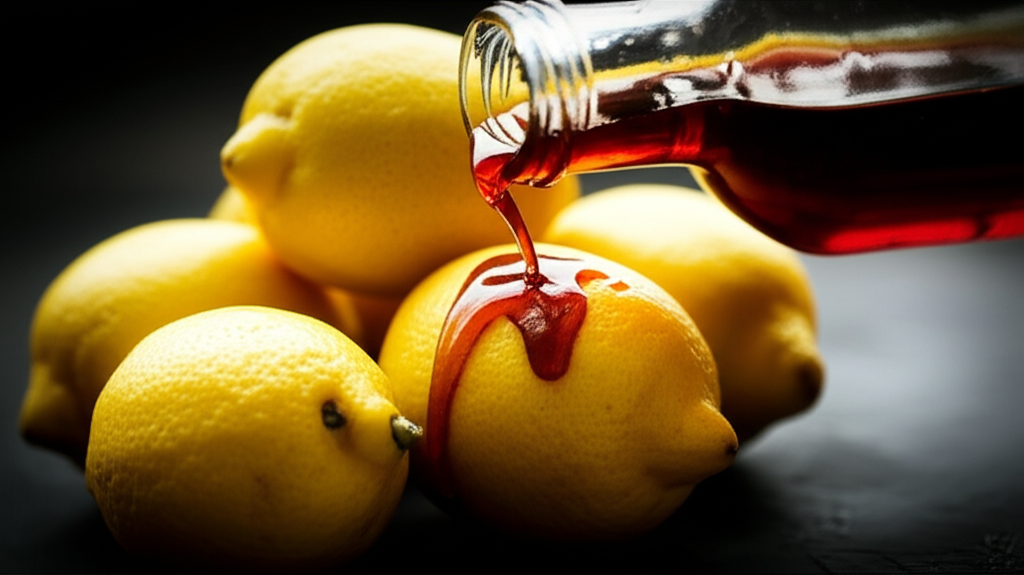
The transformation of fresh lemons into concentrate is a marvel of food science, designed to preserve as much of the original goodness as possible. Here’s a simplified look at how it typically happens:
- Juice Extraction: Fresh lemons are washed, sorted, and then juiced using mechanical presses. This separates the juice from the peel and seeds.
- Filtration: The extracted juice is filtered to remove pulp and any small seeds, ensuring a clear, smooth liquid.
- Evaporation: This is the key step. The filtered lemon juice is heated gently, often under vacuum conditions. A vacuum lowers the boiling point of water, allowing it to evaporate at lower temperatures. This gentle process helps to preserve the delicate aroma, flavor, and nutritional components of the lemon juice, preventing scorching or degradation. The water is removed until the juice reaches a specific Brix level (a measure of sugar content, which correlates with water removal).
- Cooling and Packaging: Once concentrated, the liquid is cooled and then typically packaged into bottles or aseptic containers. The absence of water makes it less susceptible to microbial growth, contributing to its extended shelf life.
This method ensures that the final product is stable and retains its characteristic tartness and lemon flavor, ready to be rehydrated and used in countless ways.
Nutritional Profile: What You’re Really Getting
While the water content is reduced, many of the beneficial components of lemon juice remain concentrated. This means that a small amount of concentrate can provide a significant punch of flavor and nutrients when diluted.
Key Nutrients and Compounds Found in Concentrated Lemon Juice:
- Vitamin C: Lemons are famous for their Vitamin C content, an essential antioxidant that supports the immune system. While some Vitamin C can be lost during the heating process, it remains a significant component in quality concentrates.
- Citric Acid: This is the primary acid in lemon juice, responsible for its characteristic tartness. Citric acid also plays a role in digestion and can help prevent kidney stones.
- Flavonoids: These are plant compounds with antioxidant properties that contribute to the overall health benefits of lemon juice.
- Potassium: Lemons contain potassium, an important electrolyte for maintaining fluid balance and blood pressure.
- Natural Sugars: While lemons are low in sugar, the natural sugars present become more concentrated in the juice.
It’s important to note that the exact nutritional values can vary slightly between brands and batches due to differences in the lemons used and the concentration process. However, the core benefits remain.
Comparison: Lemon Juice Concentrate vs. Fresh Lemon Juice
Understanding the differences helps in choosing the best option for your needs.
| Feature | Lemon Juice Concentrate | Fresh Lemon Juice |
|---|---|---|
| Flavor Intensity | Higher (needs dilution) | Fresh, vibrant, can vary |
| Vitamin C Content | Concentrated, but some loss possible | High, but degrades over time once cut |
| Shelf Life | Very Long (unopened/refrigerated) | Short (refrigerated, a few days) |
| Convenience | Very High (ready to use, stable) | Lower (requires juicing, storage) |
| Cost-Effectiveness | Often more economical per serving | Can be more expensive, especially out of season |
| Texture | Smooth, no pulp (unless specified) | Can have pulp, seeds |
For everyday cooking and baking where precise flavor measurement is key, or when you need lemon flavor without the hassle of fresh lemons, concentrate is a fantastic choice. For applications where the fresh zest and nuanced aroma are paramount, like in certain cocktails or delicate desserts, fresh lemons might be preferred.
When to Reach for Lemon Juice Concentrate: Practical Uses
The versatility of lemon juice concentrate makes it a pantry staple for many home cooks and health enthusiasts. Here are some common and incredibly useful ways to incorporate it:
In the Kitchen:
- Baking: Add a teaspoon or two to cakes, cookies, and muffins for a bright citrus note. It’s perfect for lemon bars, lemon meringue pie, or simply adding a hint of lemon to vanilla recipes.
- Marinades and Dressings: Create zesty marinades for chicken, fish, or tofu. Whisk it into vinaigrettes for salads or slaws.
- Sauces and Glazes: Use it in glazes for roasted vegetables or meats, or add a touch to pan sauces for a little tang.
- Beverages: Easily make a pitcher of lemonade by mixing concentrate with water and your preferred sweetener. It’s also great for adding to iced tea, sparkling water, or cocktails.
- Preserving Freshness: A splash can help prevent browning in cut fruits and vegetables like apples or avocados, much like fresh lemon juice.
For Health and Wellness:
- Hydration Boost: Mix a tablespoon or two into your daily water for a refreshing and hydrating drink. This is particularly helpful for those who find plain water boring.
- Digestive Aid: Many people find that warm water with lemon juice (using concentrate) first thing in the morning helps stimulate digestion.
- Post-Wisdom Teeth Surgery: For individuals recovering from dental procedures like wisdom tooth extraction, a diluted form of lemon juice concentrate can be a gentle way to get some Vitamin C and hydration without irritating the surgical site, as it avoids the pulp and seeds of fresh lemons. Always consult your dentist for specific dietary recommendations.
- Acid Reflux/GERD Management: While acidic, some individuals with mild acid reflux find that a very diluted amount of lemon juice can help balance stomach pH. However, this is highly individual, and those with significant GERD or frequent heartburn should consult a healthcare professional or registered dietitian before incorporating it. For many, it can be an irritant.
The convenience factor cannot be overstated. When you need that burst of lemon flavor and don’t have fresh lemons on hand, or when peeling and squeezing would be too time-consuming, concentrate is your best friend.
How to Use Lemon Juice Concentrate Effectively
Using lemon juice concentrate is incredibly simple, but a little guidance ensures you get the best results every time.
Dilution Ratios:
The most common and recommended dilution ratio is 1 part lemon juice concentrate to 3 parts water. This ratio closely mimics the strength and flavor of fresh lemon juice.
Example:
- To make the equivalent of 1 cup of fresh lemon juice: Mix 1/4 cup of lemon juice concentrate with 3/4 cup of water.
- For a glass of lemonade: Mix 1-2 tablespoons of concentrate with 8-10 ounces of water and sweetener to taste.
Always start with the recommended ratio and adjust to your personal preference. You can always add more concentrate or water to achieve the desired taste.
Storage and Shelf Life:
Proper storage is key to maintaining the quality and flavor of your lemon juice concentrate.
- Unopened: Store in a cool, dark place like your pantry. It can remain shelf-stable for months, sometimes even years, depending on the brand and packaging.
- Opened: Once opened, lemon juice concentrate should be refrigerated. Tightly seal the cap after each use. Most brands recommend using the opened concentrate within 6-12 months for optimal flavor and quality.
Check the product label for specific storage instructions and recommended “use by” dates after opening.
Tips for Best Results:
- Taste and Adjust: Always taste your diluted mixture and adjust the amount of concentrate or water to suit your palate.
- Use Quality Concentrate: Opt for brands that are 100% lemon juice with no added sugars or artificial ingredients for the best flavor and nutritional profile.
- Rehydrate Gradually: If you’re unsure, start with less concentrate and add more as needed. It’s easier to add than to take away!
- Consider the Application: For delicate recipes where fresh lemon zest is crucial, you might still want to use fresh lemons. But for general tartness and flavor, concentrate is perfect.
Debunking Myths: Is Lemon Juice Concentrate “Bad” for You?
There’s often a perception that anything “concentrated” or not “freshly squeezed” must be inferior or less healthy. Let’s address some common concerns about lemon juice concentrate.
Myth 1: It’s full of artificial ingredients and preservatives.
Truth: As discussed, many high-quality lemon juice concentrates are made from 100% lemon juice. The concentration process itself acts as a preservative by removing water, making it difficult for bacteria to grow. Always check the ingredient list, but you’ll find many pure options available.
Myth 2: It loses all its nutrients.
Truth: While some heat-sensitive nutrients like Vitamin C can be slightly reduced during the evaporation process, a significant amount remains. The process is designed to be as gentle as possible to preserve the flavor and beneficial compounds. Compared to processed foods with added sugars and artificial flavors, 100% lemon juice concentrate is a very healthy choice.
Myth 3: It’s not as good as fresh.
Truth: For certain applications, like adding fresh zest or using in delicate cocktails where the natural oils from the peel are important, fresh lemons are superior. However, for adding tartness, Vitamin C, and lemon flavor to cooking, beverages, and marinades, a good quality concentrate is often indistinguishable from diluted fresh lemon juice, and far more convenient. The term “concentrate” simply refers to the form of the juice, not necessarily a decline in quality.
In fact, for some health-focused uses, like managing hydration or getting a consistent dose of Vitamin C, the convenience and longer shelf life of concentrate can make it a more practical and reliable option than relying on having fresh lemons constantly available.
Frequently Asked Questions about Lemon Juice Concentrate
Q1: Can I use lemon juice concentrate instead of fresh lemon juice in any recipe?
A: For most recipes where you need the tartness and lemon flavor, yes! A common ratio is 1 part concentrate to 3 parts water. However, if a recipe specifically calls for lemon zest or the fresh aroma of lemon peel, fresh lemons are best.
Q2: How much lemon juice concentrate should I use for lemonade?
A: Start with 1 to 2 tablespoons of concentrate per 8 ounces of water, then add sweetener to taste and more concentrate or water as needed to reach your desired flavor.
Q3: Does lemon juice concentrate expire?
A: Unopened, it has a very long shelf life. Once opened and refrigerated, it’s best used within 6-12 months for optimal flavor. Always check the label for specific recommendations.
Q4: Is lemon juice concentrate good for weight loss?
A: While lemon juice itself doesn’t directly cause weight loss, incorporating it into water can help you stay hydrated, which is important for metabolism. Replacing sugary drinks with lemon water made from concentrate can be a healthier choice and support weight management goals.
Q5: What happens if I use too much lemon juice concentrate without diluting it?
A: Consuming undiluted concentrate can be very intense and sour, potentially causing temporary mouth or throat irritation. It’s always best to dilute it properly according to package directions or a reliable ratio (like 1:3 with water).
Q6: Is lemon juice concentrate pasteurized?
A: Most commercial lemon juice concentrates are pasteurized during the manufacturing process to ensure safety and extend shelf life. This involves heating the juice to kill harmful bacteria.
The Takeaway: A Convenient and Beneficial Pantry Staple
So, what is in lemon juice concentrate? The “shocking truth” is that it’s a wonderfully simple and practical product, primarily just the essence of lemons with most of the water removed. It’s a testament to how food science can preserve the natural goodness of fruits, making them more accessible and convenient for us to enjoy.
Whether you’re a seasoned baker looking for a reliable citrus flavor, a busy parent trying to add a healthy twist to your family’s drinks, or simply someone who appreciates the convenience of having lemon flavor on hand, lemon juice concentrate is an invaluable pantry staple. It offers a good source of Vitamin C and citric acid, all in a stable, easy-to-store format. By understanding its composition and how to use it effectively, you can confidently incorporate this versatile ingredient into your daily routine, enjoying its bright, zesty benefits without any mystery.
