
Lemon juice concentrate is primarily filtered, concentrated lemon juice, with water removed. It typically contains citric acid, natural sugars, and vitamins, but no artificial additives in high-quality versions.
Do you ever grab that bottle of lemon juice concentrate from the store and wonder exactly what’s inside? It’s so convenient, but what does that “concentrate” label really mean for your health and your recipes? Many of us have that little voice of doubt, wondering if we’re adding something artificial or less than natural to our drinks and dishes. You’re not alone! We’re here to demystify lemon juice concentrate, break down what’s really in it, and show you how to use it with confidence. Get ready to discover the simple, natural truth!
The Lemon Juice Concentrate Unveiled: What’s Really Inside?
When you reach for a bottle of lemon juice concentrate, you’re holding a powerhouse of flavor and natural goodness, carefully preserved. It’s not some chemical concoction; it’s simply the essence of fresh lemons, concentrated for your convenience. Think of it like evaporating the water from fresh lemon juice, leaving behind a more intense, potent liquid. This process is what allows it to sit on your shelf for longer and be a go-to ingredient in kitchens worldwide.
How is Lemon Juice Concentrate Made? A Simple Process
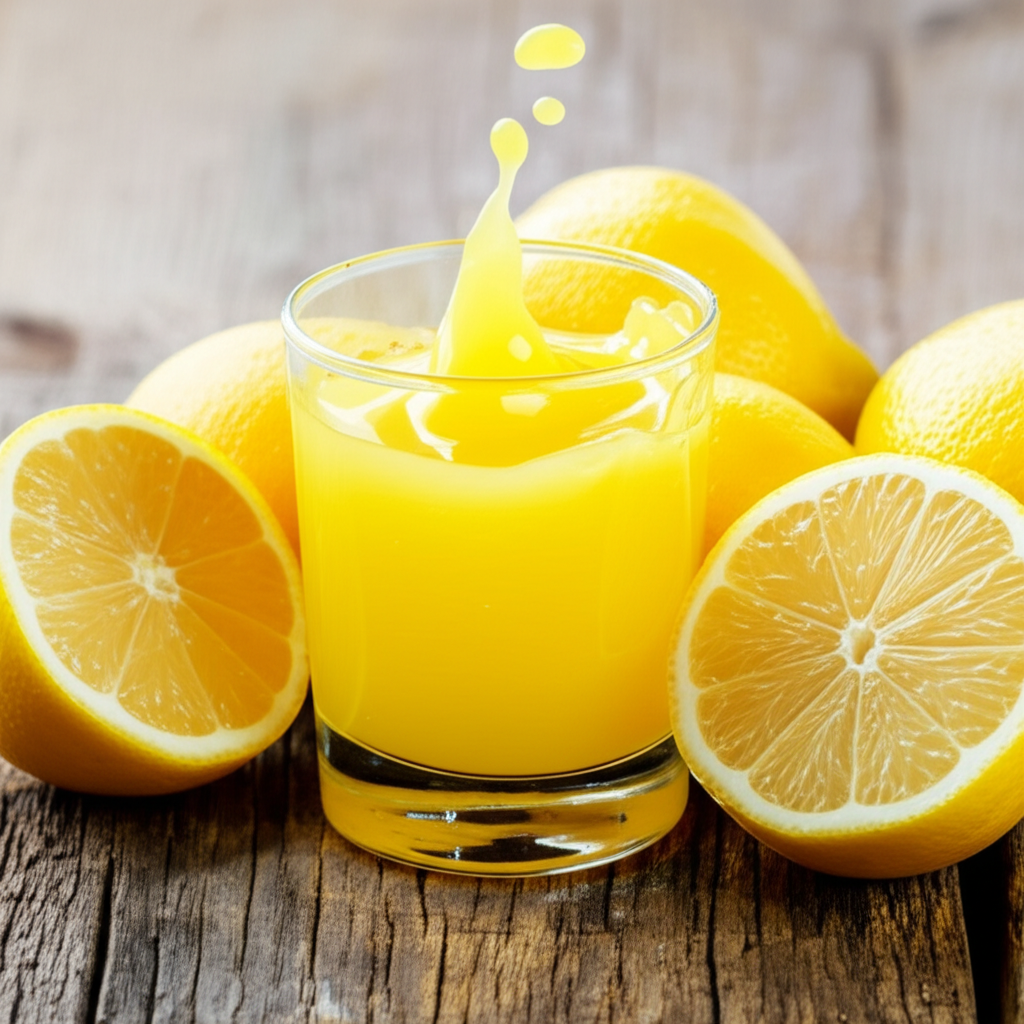
The journey from a fresh lemon to a bottle of concentrate is surprisingly straightforward and relies on nature’s own principles. It’s all about removing water to intensify the flavor and extend shelf life, without the need for harsh preservatives in many cases.
The basic steps involve:
- Juicing Fresh Lemons: High-quality concentrate starts with ripe, fresh lemons. These are washed and then juiced, just like you would at home.
- Filtering: The raw lemon juice is then filtered to remove pulp and seeds, ensuring a clear, smooth liquid.
- Evaporation/Concentration: This is the key step. Water is carefully removed from the filtered lemon juice. This is often done through a process called evaporation, where heat is applied gently to vaporize the water. Some modern methods might use advanced techniques like reverse osmosis to achieve concentration, which is a gentler process that preserves more of the natural compounds. The goal is to increase the lemon solids and flavor intensity.
- Pasteurization (Optional but Common): To ensure safety and a longer shelf life, the concentrate may be pasteurized. This involves heating the juice to a specific temperature for a short period to kill any harmful bacteria. This is similar to what’s done with regular pasteurized milk or fruit juices.
- Packaging: Finally, the concentrated lemon juice is bottled, often in airtight containers to maintain freshness.
The result is a product that’s typically 4 to 5 times more concentrated than fresh lemon juice. This means a little goes a long way!
The Nutritional Breakdown: What You’re Actually Drinking
So, what are the actual components you’re getting when you use lemon juice concentrate? It’s mostly what you’d expect from lemons, but with a more potent punch.
Key Components of Lemon Juice Concentrate:
- Citric Acid: This is the star player! Citric acid is a natural organic compound found abundantly in citrus fruits, giving lemons their characteristic sour taste. It’s also a natural preservative and antioxidant. According to the ScienceDirect, citric acid plays a vital role in cellular metabolism.
- Water: While most water is removed, a small amount remains in the concentrate.
- Natural Sugars: Lemons contain natural sugars like fructose, glucose, and sucrose, though in relatively low amounts. These contribute to the overall taste profile.
- Vitamins: The most prominent vitamin is Vitamin C (ascorbic acid). While some Vitamin C can be lost during the concentration process, high-quality concentrates still retain a significant amount, offering antioxidant benefits. Other B vitamins might be present in trace amounts.
- Minerals: Lemons contain small amounts of minerals like potassium, calcium, and magnesium. These are also present in the concentrate.
- Flavonoids and Other Antioxidants: Lemons are rich in beneficial plant compounds like flavonoids (such as hesperidin and eriocitrin) and limonoids, which are known for their antioxidant and anti-inflammatory properties. These compounds contribute to the health benefits associated with lemon consumption.
It’s important to note that the exact composition can vary slightly between brands, depending on the specific processing methods used. However, the core ingredients remain consistent with the natural makeup of lemons.
Are There Additives? What to Look For on the Label
This is where vigilance pays off! While high-quality lemon juice concentrate is naturally pure, some brands might include additives for preservation, flavor enhancement, or color. Reading the ingredient list is your best defense.
Common Additives to Be Aware Of (and ideally avoid):
- Potassium Sorbate: A common preservative used to inhibit the growth of mold and yeast. While generally recognized as safe (GRAS) by the FDA, some people prefer to avoid it.
- Sodium Benzoate: Another common preservative that works similarly to potassium sorbate.
- Artificial Colors (e.g., Yellow #5): These are used to give the concentrate a brighter, more consistent yellow hue, mimicking fresh lemon juice. Pure lemon juice concentrate shouldn’t need artificial coloring.
- Artificial Flavors: Sometimes added to boost the lemon taste, especially if the concentration process affects the natural flavor profile significantly.
The Golden Rule: Opt for brands that list only “lemon juice concentrate” or “concentrated lemon juice” as the sole ingredient. If you see other items, consider if they are necessary for your needs.
The “Shocking Truth” – Debunking Myths!
Let’s address the “shocking truth” part of the question head-on. The real “shock” might be how natural and simple high-quality lemon juice concentrate actually is! There are no hidden chemicals or artificial secrets in the best products. The “shock” is often just a lack of understanding about the concentration process.
Many people assume that because it’s a “concentrate” and sits on a shelf, it must be full of artificial preservatives or chemicals. However, the concentration itself is a natural preservation method. The removal of water significantly reduces the water activity, making it difficult for microorganisms to grow. This is why pure lemon juice concentrate can have a long shelf life without needing excessive additives.
So, the truly “shocking” truth is that you can enjoy the vibrant taste and benefits of lemon juice concentrate without worry, as long as you choose wisely!
Why Choose Lemon Juice Concentrate? The Benefits You Might Not Know
Beyond convenience, there are several compelling reasons why lemon juice concentrate is a pantry staple for many. Its concentrated nature makes it incredibly versatile and cost-effective.
Convenience and Shelf Life
This is perhaps the most obvious benefit. Fresh lemons need to be used relatively quickly and can spoil. Lemon juice concentrate, on the other hand, offers:
- Longer Shelf Life: Properly stored, unopened concentrate can last for years. Once opened, it typically lasts for several months in the refrigerator.
- Always Available: No need to worry about finding fresh lemons, especially out of season or when you’re in a pinch.
- Space Saving: A small bottle of concentrate takes up far less space than a bag of fresh lemons.
Cost-Effectiveness
When you consider how many lemons it takes to produce one bottle of concentrate, it often works out to be more economical, especially if you use lemon juice regularly. You get the intense flavor and benefits without the recurring cost and effort of buying and juicing fresh lemons.
Versatility in the Kitchen
Lemon juice concentrate is a workhorse. Its strong flavor means you can use it in countless ways:
- Baking: From cakes and cookies to pastries, it adds brightness and acidity.
- Cooking: Marinades, salad dressings, sauces, and glazes all benefit from its tangy zest.
- Beverages: Lemonade, iced tea, cocktails, and even plain water get a refreshing boost.
- Preserving: It can be used to prevent browning in fruits and vegetables.
Health Considerations and Uses
While not a substitute for whole foods, lemon juice concentrate can contribute to your health goals.
- Hydration: Adding a splash to water makes it more appealing, encouraging better hydration. This is particularly helpful for individuals who struggle to drink enough water.
- Digestive Support: Some people find that a little lemon juice in water before meals can help stimulate digestion.
- Vitamin C Source: It provides a good dose of Vitamin C, an important antioxidant that supports the immune system.
- Post-Wisdom Teeth Removal: Many dentists recommend bland, soft foods and avoiding acidic or pulpy items immediately after wisdom teeth extraction. Diluted lemon juice concentrate (mixed with plenty of water) can be a safe and soothing way to get some flavor and hydration without irritation, as it’s smooth and easily digestible.
- Acid Reflux/GERD: For some individuals with acid reflux or GERD, small amounts of diluted lemon juice might surprisingly help by alkalizing the body over time, although this is debated and highly individual. It’s crucial to consult with a healthcare professional before using it for these conditions, as it can also exacerbate symptoms for others.
It’s always a good idea to listen to your body and consult with a healthcare provider if you have specific health concerns.
How to Use Lemon Juice Concentrate Effectively
Using lemon juice concentrate is as simple as using fresh lemon juice, but you need to account for its potency.
The Golden Ratio: Diluting for Best Results
Because it’s concentrated, you’ll usually need to dilute it. The standard guideline is that 1 tablespoon of lemon juice concentrate is equivalent to about 1 tablespoon of fresh lemon juice. However, for drinking purposes, you’ll likely want to dilute it further.
General Dilution Guide:
- For Drinks: Start with 1 teaspoon to 1 tablespoon of concentrate per 8 ounces of water or beverage. Adjust to your taste preference.
- For Cooking/Baking: Use it as a 1:1 substitute for fresh lemon juice in most recipes. If the recipe calls for a lot of lemon juice, you might want to taste as you go.
Step-by-Step Guide: Making Lemonade with Concentrate
Let’s make a simple, refreshing lemonade!
What You’ll Need:
- 1/4 cup lemon juice concentrate
- 1/2 cup sugar or your preferred sweetener (adjust to taste)
- 4 cups cold water
- Optional: Lemon slices, mint sprigs for garnish
Instructions:
- Dissolve Sweetener: In a pitcher, combine the lemon juice concentrate and sugar. Stir well until the sugar is completely dissolved. You can do this more easily by warming a small amount of water and dissolving the sugar in it first, then letting it cool.
- Add Water: Pour in the 4 cups of cold water and stir everything together thoroughly.
- Taste and Adjust: Take a sip. Is it too tart? Add a little more sweetener. Too sweet? Add a splash more concentrate or water.
- Chill: Refrigerate for at least 30 minutes to allow the flavors to meld.
- Serve: Pour over ice and garnish with lemon slices or mint if desired.
Tips for Storage and Handling
Proper storage is key to maintaining the quality and longevity of your lemon juice concentrate.
- Unopened: Store in a cool, dark pantry.
- Opened: Refrigerate immediately after opening. Ensure the cap is tightly sealed to prevent oxidation and flavor loss.
- Check the Expiration Date: Always refer to the “best by” or expiration date on the bottle.
- Look for Signs of Spoilage: If you notice any off-smells, unusual colors, or mold growth, discard the product.
Comparing Lemon Juice Concentrate to Other Forms
Understanding how concentrate stacks up against fresh lemons and bottled lemon juice can help you make the best choice for your needs.
Lemon Juice Concentrate vs. Fresh Lemons
| Feature | Lemon Juice Concentrate | Fresh Lemons |
| :————– | :——————————————————— | :———————————————————- |
| Convenience | High; long shelf life, readily available. | Lower; requires juicing, spoils quickly. |
| Shelf Life | Very long (unopened), several months (opened, refrigerated). | Short; use within 1-3 weeks after purchase. |
| Flavor | Intense, potent; may require dilution for drinking. | Bright, fresh, nuanced; excellent for zesting and juice. |
| Cost | Often more economical per serving. | Can be more expensive, especially out of season. |
| Vitamins | Good source of Vitamin C, but some loss during processing. | Excellent source of Vitamin C and other nutrients. |
| Additives | Ideally none; check label for preservatives/colors. | Naturally additive-free. |
| Zest | Not available; only the juice is concentrated. | Zest is a valuable flavoring agent. |
Lemon Juice Concentrate vs. Bottled Lemon Juice (Not Concentrated)
Bottled lemon juice that is not labeled as concentrate is often already diluted with water and may contain more preservatives or additives to maintain its shelf life and color.
- Concentrate: You control the dilution and can often find purer versions with fewer additives. It’s more potent, meaning a little goes further.
- Non-Concentrated Bottled Juice: Might be a good option if you want something closer to single-strength juice and don’t mind potential additives. However, quality can vary wildly, and some may taste less vibrant than diluted concentrate.
For optimal flavor and a cleaner ingredient list, lemon juice concentrate is often the preferred choice for those who want control and purity.
Frequently Asked Questions About Lemon Juice Concentrate
Q1: Is lemon juice concentrate bad for you?
A1: No, high-quality lemon juice concentrate is not inherently bad for you. It’s essentially concentrated lemon juice, rich in citric acid and Vitamin C. The key is to choose brands with minimal or no added preservatives, colors, or artificial flavors.
Q2: How long does opened lemon juice concentrate last in the refrigerator?
A2: Once opened and properly refrigerated with the cap tightly sealed, lemon juice concentrate typically lasts for several months, often 3-6 months, depending on the brand and how it was processed. Always check the product label for specific recommendations.
Q3: Can I use lemon juice concentrate for making lemon zest?
A3: No, lemon juice concentrate is made from the juice of the lemon, and the zest (the outer peel) is not included. You cannot get lemon zest from concentrate; you would need fresh lemons for that.
Q4: What’s the difference between lemon juice concentrate and bottled lemon juice?
A4: Lemon juice concentrate has had most of its water removed, making it more potent and flavorful. Bottled lemon juice (that isn’t concentrate) is often already diluted with water and may contain more additives to maintain its appearance and shelf life.
Q5: Is it safe to drink lemon juice concentrate straight?
A5: It is generally not recommended to drink lemon juice concentrate straight, as its high acidity and potency can irritate your mouth, throat, and stomach lining. It’s best to dilute it significantly with water or other beverages.
Q6: Can I freeze lemon juice concentrate?
A6: Yes, you can freeze lemon juice concentrate. You can freeze it in its original bottle or pour it into ice cube trays for convenient, portioned amounts. Frozen concentrate can last for a very long time, maintaining its quality.
Conclusion: Embrace the Zesty Convenience!
Now that you know what’s really inside that bottle of lemon juice concentrate, you can use it with confidence and clarity. It’s a fantastic pantry staple, offering the bright, tangy flavor of lemons in a convenient, long-lasting form. By choosing high-quality products with simple ingredient lists, you’re bringing natural goodness into your kitchen. Whether you’re whipping up a refreshing drink, adding zest to a meal, or seeking a simple way to boost hydration, lemon juice concentrate is a versatile ally. Enjoy its zesty convenience and the simple, natural power it brings to your everyday life!
