
A scratch kitchen is a culinary space where food is prepared entirely from raw ingredients, without relying on pre-packaged or processed components. It’s about fresh, wholesome cooking, and the “shocking truth” is that it’s more achievable and rewarding for home cooks than you might think!
Ever wonder what that term “scratch kitchen” really means? You might have heard it tossed around in cooking shows or restaurant reviews, and it can sound a bit intimidating, like something only professional chefs can master. But what if we told you that embracing the spirit of a scratch kitchen is totally within your reach, right in your own home? It’s about unlocking a world of fresher flavors, healthier meals, and a more rewarding cooking experience. Forget the jargon and the fancy techniques; we’re here to break down exactly what a scratch kitchen is and show you how simple it can be to bring its benefits into your everyday cooking. Get ready to feel inspired and empowered to create delicious meals from the ground up!
What Is A Scratch Kitchen? The Real Deal, Unpacked
At its heart, a scratch kitchen is a place where culinary magic happens using foundational ingredients. Think flour, eggs, butter, fresh vegetables, and quality proteins, transformed into delicious dishes through skill and creativity, rather than simply reheating or assembling pre-made items. It’s the antithesis of convenience foods and heavily processed ingredients.
In a professional setting, a scratch kitchen is a hallmark of quality. Restaurants that pride themselves on a scratch kitchen emphasize that their sauces are made in-house, their bread is baked fresh, and their desserts are crafted from basic components. This commitment to from-scratch preparation often translates to superior taste, better control over ingredients (especially for those with dietary restrictions or allergies), and a more authentic culinary experience for diners.
But what does this mean for your home kitchen? It’s about embracing the same principles. It’s about choosing to make your own salad dressing instead of buying one, to chop your own vegetables for a stir-fry, or to bake cookies from scratch instead of using a mix. It’s a philosophy of cooking that prioritizes freshness, flavor, and a connection to the food you consume.
Why the Buzz Around Scratch Cooking?
The resurgence and continued popularity of scratch cooking, both in restaurants and homes, stem from several key factors:
- Superior Flavor and Quality: There’s simply no substitute for the vibrant taste of fresh, unprocessed ingredients. Homemade stocks are richer, sauces are more nuanced, and baked goods have a texture and aroma that pre-made items can rarely match.
- Healthier Eating: When you cook from scratch, you have complete control over what goes into your food. This means you can significantly reduce added sugars, sodium, unhealthy fats, and artificial preservatives often found in processed foods. This is particularly empowering for families managing allergies or specific dietary needs.
- Cost-Effectiveness: While it might seem counterintuitive, cooking from scratch can often be more economical than relying on pre-packaged meals or restaurant dining. Buying raw ingredients in bulk and preparing dishes yourself can lead to significant savings over time.
- Culinary Fulfillment and Creativity: There’s a deep sense of satisfaction that comes from transforming simple ingredients into a delicious meal. It fosters creativity, allows you to experiment with flavors, and builds confidence in your cooking abilities.
- Environmental Friendliness: Scratch cooking often involves less packaging waste compared to buying numerous pre-made items. Plus, sourcing local and seasonal ingredients can further reduce your carbon footprint.
Is It All Or Nothing? Debunking the Myths
One of the biggest misconceptions about scratch kitchens is that it requires a complete overhaul of your life and kitchen, or that you must be a gourmet chef. This couldn’t be further from the truth! Embracing scratch cooking is a journey, not a destination, and it’s about making conscious choices that work for your lifestyle. You don’t have to make everything from absolute zero all the time. Even incorporating a few key scratch-made elements can elevate your meals and bring you closer to the benefits of a true scratch kitchen.
Think of it as a spectrum. On one end, you have fully processed convenience meals. On the other, you have a chef meticulously making every single component from the most basic elements. Most home cooks fall somewhere in between, and that’s perfectly fine! The goal is progress, not perfection.
Your Step-by-Step Guide to Embracing the Scratch Kitchen Philosophy
Ready to bring the benefits of a scratch kitchen into your home? It’s easier than you think! Here’s a practical guide to get you started, focusing on simple, impactful changes.
Step 1: Assess Your Current Kitchen Habits
Before you make any changes, take a moment to observe your current cooking and shopping habits. This isn’t about judgment; it’s about understanding where you are so you can plan where you want to go.
- Kitchen Audit: Open your pantry, fridge, and freezer. What do you see? How many items are pre-made, jarred, canned, or frozen meals? How many are raw ingredients?
- Shopping Habits: Think about your last few grocery trips. Did you gravitate towards convenience items or fresh produce and raw proteins?
- Meal Planning: How often do you plan meals? Do you often find yourself reaching for a quick fix because you didn’t have the ingredients on hand?
This assessment will help you identify areas where you can easily incorporate scratch-made elements.
Step 2: Start with Simple Swaps
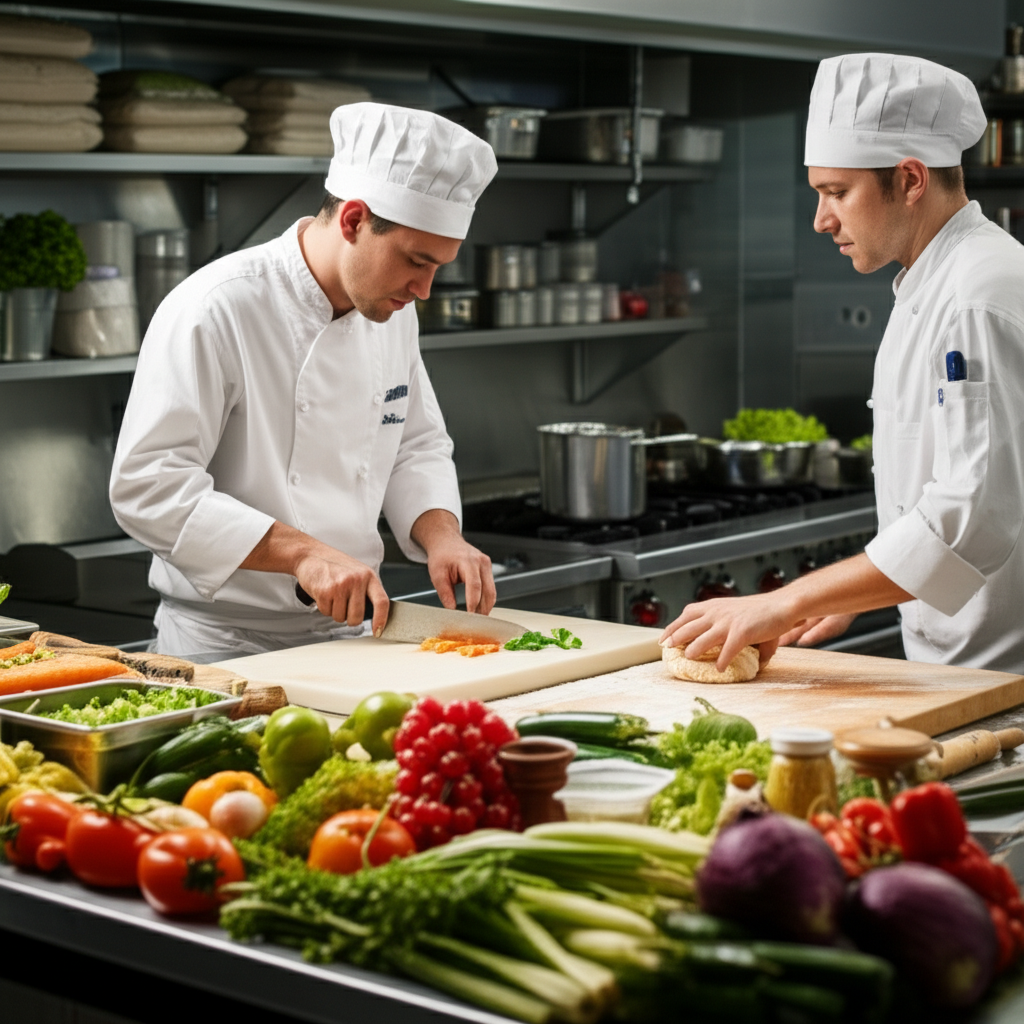
You don’t need to become a professional baker overnight! Begin by making a few easy substitutions that have a big impact:
- Dressings & Sauces: Instead of bottled salad dressing, try a simple vinaigrette with olive oil, vinegar, Dijon mustard, salt, and pepper. For pasta, a basic tomato sauce from canned tomatoes, garlic, and herbs is a great start.
- Broth & Stock: Commercial broths can be high in sodium. Save vegetable scraps (onion skins, carrot peels, celery ends) and chicken bones in a bag in your freezer. When you have enough, simmer them with water and aromatics for a flavorful homemade stock.
- Marinades: Skip the store-bought marinades and create your own with olive oil, soy sauce (or tamari), garlic, ginger, and a touch of honey or maple syrup.
- Pancakes & Waffles: Most pancake and waffle recipes are incredibly simple, requiring just flour, sugar, baking powder, salt, eggs, milk, and butter.
Step 3: Stock Your Pantry Wisely
A well-stocked pantry is the foundation of any scratch kitchen. Focus on versatile, long-lasting ingredients:
- Grains: Rice, oats, quinoa, pasta, flour (all-purpose, whole wheat).
- Legumes: Dried or canned beans (lentils, chickpeas, black beans).
- Canned Goods: Diced tomatoes, tomato paste, coconut milk, canned fish.
- Oils & Vinegars: Olive oil, vegetable oil, balsamic vinegar, apple cider vinegar, white vinegar.
- Spices & Herbs: A good variety of dried herbs and spices are essential for adding flavor.
- Sweeteners: Sugar, honey, maple syrup.
- Baking Essentials: Baking soda, baking powder, vanilla extract, salt.
Having these staples on hand means you’re always prepared to whip up a meal from scratch.
Step 4: Invest in Essential Tools (Optional, but Helpful!)
While you can cook from scratch with basic kitchenware, a few key tools can make the process more efficient and enjoyable. You don’t need everything at once; build your collection over time.
- Good Knives: A sharp chef’s knife, paring knife, and serrated knife are crucial for efficient chopping and prepping. Learning proper knife skills can make a huge difference. Resources like FoodSafety.gov offer tips on safe food handling, which includes proper knife usage.
- Cutting Boards: Have separate boards for raw meat and produce to prevent cross-contamination.
- Measuring Cups and Spoons: Accuracy is key in baking and many cooking recipes.
- Mixing Bowls: A set of nesting bowls is incredibly useful for mixing ingredients.
- Whisk and Spatula: Essential for mixing, stirring, and scraping.
- Baking Sheets and Muffin Tins: For all your baking endeavors.
- Slow Cooker or Instant Pot: Great for hands-off cooking, making stocks, and tenderizing meats.
Step 5: Plan Your Meals
Meal planning is your secret weapon for successful scratch cooking. It helps reduce food waste and ensures you have the ingredients you need:
- Choose Recipes: Select a few recipes for the week that utilize similar ingredients to minimize waste.
- Create a Grocery List: Based on your recipes, make a detailed list of what you need.
- Shop Smart: Stick to your list to avoid impulse buys of less healthy or unnecessary items.
- Prep Ahead: If you have time on the weekend, wash and chop vegetables, cook grains, or make a batch of sauce. This makes weeknight cooking much faster.
A structured approach like the Mediterranean diet, which naturally emphasizes fresh ingredients, can also be a great inspiration for meal planning. You can learn more about its principles from resources like the Harvard T.H. Chan School of Public Health.
Step 6: Embrace the Learning Curve
Not every dish will be perfect, and that’s okay! Cooking from scratch is a skill that improves with practice. Don’t be discouraged by a recipe that doesn’t turn out exactly as planned. Instead, view it as a learning opportunity.
- Taste as You Go: Seasoning is crucial. Taste your food throughout the cooking process and adjust salt, pepper, and other seasonings as needed.
- Read Recipes Thoroughly: Before you start cooking, read the entire recipe to ensure you understand all the steps and have all the necessary ingredients and equipment.
- Don’t Be Afraid to Substitute: If a recipe calls for an ingredient you don’t have, look for a suitable substitute. Many online resources can help you find replacements.
The “Shocking Truth”: It’s More Accessible Than You Think!
The real “shocking truth” about scratch kitchens isn’t about complex techniques or impossible standards. It’s that the essence of scratch cooking – preparing food from fresh, whole ingredients – is fundamentally about making healthier, more flavorful choices. It’s about connecting with your food and enjoying the process. The perceived difficulty is often a barrier created by our reliance on convenience.
Consider this:
- Time: While scratch cooking might take longer than microwaving a meal, many from-scratch recipes are surprisingly quick. A simple pasta dish with a homemade sauce can be on the table in 30 minutes.
- Skill: Basic cooking skills are all that’s needed to start. You don’t need to be a pastry chef to make a delicious loaf of bread or a skilled saucier to create a flavorful pan sauce.
- Cost: As mentioned, it can often be cheaper. Buying a bag of flour, sugar, and a carton of eggs is generally less expensive than buying multiple pre-made baked goods.
The true revelation is that by making small, consistent changes, anyone can cultivate a more scratch-based cooking style and reap the rewards of fresher, healthier, and more satisfying meals.
Scratch Kitchen vs. Semi-Homemade: A Comparison
To further clarify what a scratch kitchen entails, let’s look at how it differs from a “semi-homemade” approach, which often involves using some pre-prepared components.
| Feature | Scratch Kitchen | Semi-Homemade |
|---|---|---|
| Primary Ingredients | Raw, whole ingredients (flour, eggs, vegetables, fresh meats, etc.) | A mix of raw ingredients and pre-made components (e.g., jarred sauce, pre-made pie crust, rotisserie chicken) |
| Sauces & Dressings | Made from basic ingredients (e.g., olive oil, vinegar, herbs, tomatoes, cream) | Often uses store-bought sauces, dressings, or bouillon cubes as a base |
| Baked Goods | Prepared entirely from flour, sugar, butter, eggs, leavening agents | May use cake mixes, pre-made cookie dough, or pie crusts |
| Flavor Profile | Nuanced, fresh, and customizable; reflects the quality of ingredients | Can be good, but often relies on the flavor profiles established by the manufacturer of the pre-made components |
| Ingredient Control | High control over additives, preservatives, sodium, sugar | Less control over the specific ingredients and processing of pre-made items |
| Time Investment | Generally higher, but varies greatly by recipe | Often lower, as some steps are pre-completed |
| Cost | Can be more economical for staples, but premium ingredients can increase cost | Can be a good balance, sometimes more expensive than scratch if premium convenience items are used |
A semi-homemade approach can be a fantastic stepping stone to a full scratch kitchen. For example, using a quality store-bought broth and enhancing it with fresh herbs and aromatics is a great way to bridge the gap.
Benefits of a Scratch Kitchen for Home Cooks
Let’s reiterate the fantastic advantages of adopting a scratch kitchen mindset:
- Healthier Meals: Reduced sugar, salt, unhealthy fats, and artificial additives.
- Better Taste: Fresher, more vibrant, and customizable flavors.
- Cost Savings: Often more economical than relying on processed or pre-made foods.
- Dietary Control: Essential for managing allergies, intolerances, or specific diets (e.g., gluten-free, vegan, low-sodium).
- Skill Development: Builds culinary confidence and competence.
- Reduced Waste: Better utilization of ingredients, especially when meal planning.
- Sense of Accomplishment: The satisfaction of creating something delicious from scratch.
These benefits contribute to a more wholesome and rewarding lifestyle, making the effort truly worthwhile.
Frequently Asked Questions About Scratch Kitchens
Q1: Do I need a brand new kitchen to have a scratch kitchen?
A1: Absolutely not! A scratch kitchen is more about your cooking philosophy and habits than the physical kitchen itself. Any kitchen, regardless of its age or size, can be used to prepare food from scratch.
Q2: Is cooking from scratch always more expensive?
A2: Not necessarily. While some specialty ingredients might be pricey, basic staples like flour, rice, beans, and seasonal produce are often more affordable when bought in their raw form compared to processed convenience foods. Planning and smart shopping are key.
Q3: How much time does cooking from scratch really take?
A3: It varies greatly. Simple scratch recipes, like a stir-fry or a pasta dish with a quick sauce, can be made in 30-45 minutes. More complex items, like slow-cooked stews or homemade bread, will naturally take longer. Meal prepping some components ahead of time can significantly reduce weeknight cooking times.
Q4: I have food allergies. Is a scratch kitchen essential?
A4: While not strictly essential, a scratch kitchen offers the highest level of control over ingredients, making it invaluable for managing food allergies and intolerances. You can be certain about what goes into your food, minimizing the risk of cross-contamination or hidden allergens.
Q5: Where should I start if I want to cook more from scratch?
A5: Start small! Choose one or two simple things to make from scratch each week, like a salad dressing, a basic sauce, or homemade pancakes. Gradually expand as you become more comfortable and confident.
Q6: What are the biggest challenges of cooking from scratch?
A6: Common challenges include time constraints, the learning curve for new techniques, and sometimes the initial cost of stocking a pantry with staples. However, with planning and practice, these challenges are very manageable.
Q7: Can I still use some convenience items and be considered a scratch kitchen?
A7: It depends on your definition. In a purist sense, no. However, many home cooks adopt a “mostly scratch” approach, using some convenience items strategically (like good quality canned tomatoes or pre-made broth) to save time while still prioritizing fresh ingredients for the core of their dishes. It’s about finding a balance that works for you.
Conclusion: Your Kitchen, Your Culinary Adventure
The journey to a scratch kitchen is one of discovery, flavor, and empowerment. It’s about understanding that the most delicious and nourishing food often comes from the simplest of beginnings. You don’t need a chef’s hat or a professional kitchen to experience the joy and benefits of cooking from scratch. Start with one simple swap, one new recipe, one mindful grocery trip.
Remember, the “shocking truth” is that you’re already closer to it than you think. By making conscious choices, embracing a few new habits, and perhaps investing in a couple of key tools, you can transform your home cooking. You’ll create meals that are not only tastier and healthier but also a source of immense personal satisfaction. So, dive in, experiment, and enjoy the incredibly rewarding process of bringing the spirit of the scratch kitchen to life in your own home. Happy cooking!
