
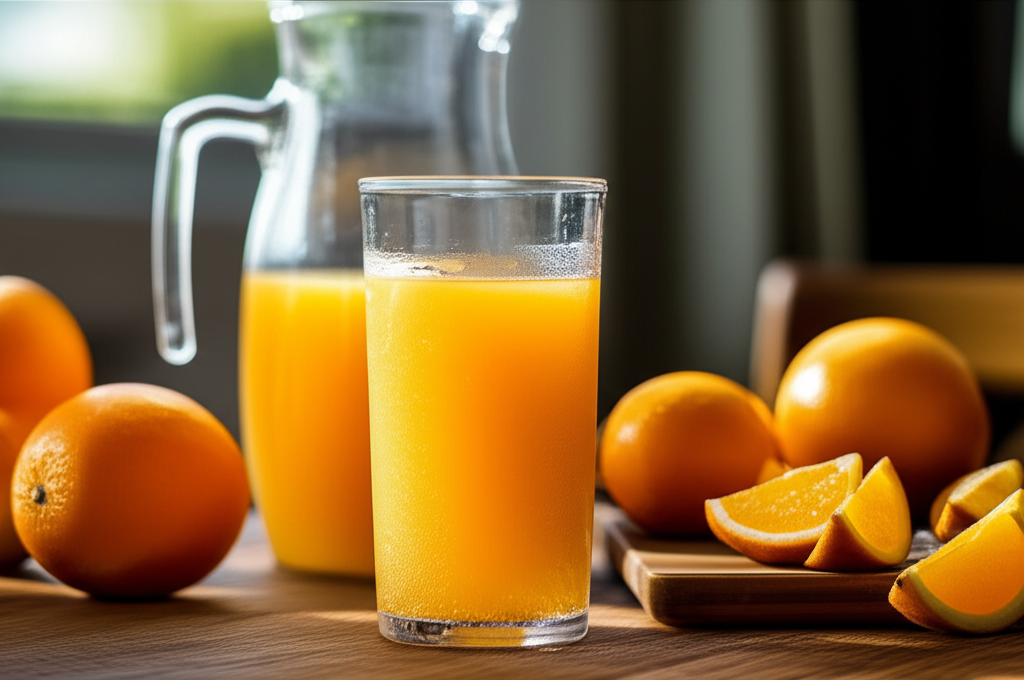
The best juice oranges are typically seedless varieties with high juice content and a balanced sweet-tart flavor profile. Varieties like Valencia, Navel (though often eaten fresh, they can be juiced), and Blood Oranges are excellent choices for a delicious and refreshing juice experience.
Are you dreaming of that perfect glass of fresh-squeezed orange juice? That vibrant, sunny flavor that just brightens your whole day? You’re not alone! Many of us love a good glass of OJ, but choosing the right oranges can feel like a bit of a puzzle. Don’t worry, we’re here to help! Think of us as your friendly kitchen guide, ready to share all the juicy secrets. We’ll walk you through what makes an orange truly “juicy” and reveal the stars of the citrus show. Get ready to transform your morning routine with the freshest, most delicious homemade orange juice you’ve ever tasted!
Unlocking the Sweetness: What Makes an Orange “Juicy”?
When we talk about “juicy” oranges, we’re really looking for a few key characteristics that make them ideal for juicing. It’s not just about the quantity of liquid, but the quality of flavor and ease of extraction. Let’s break down what to look for:
Key Factors for Great Juice Oranges:
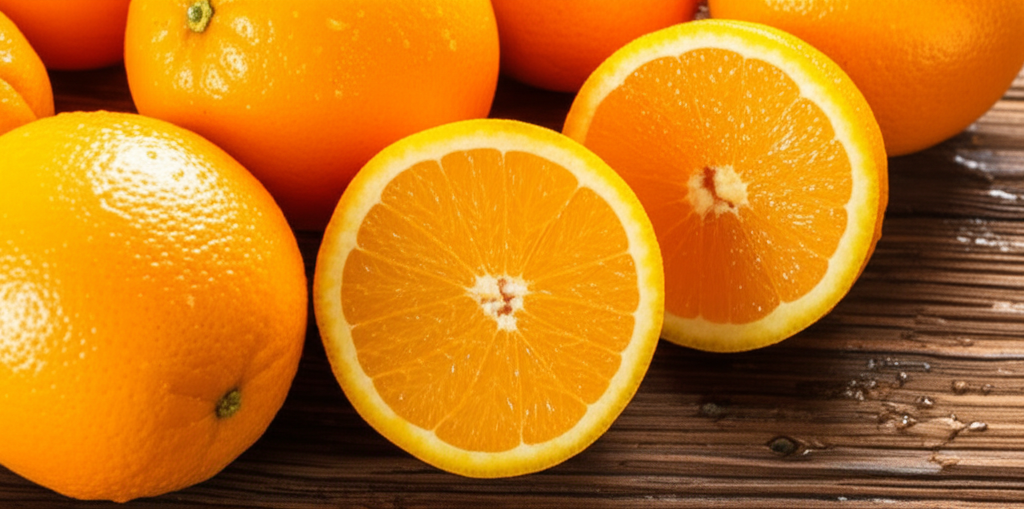
- Juice Content: This is the most obvious factor! Some oranges are naturally fuller of juice than others. You want an orange that feels heavy for its size.
- Sweetness and Acidity Balance: The perfect juice orange has a lovely balance of sweetness and a bright, refreshing tartness. Too much tartness can make the juice puckering, while too much sweetness might feel a bit flat.
- Thin Skin: Thinner-skinned oranges are easier to peel and often have more juice inside. Thick, leathery peels can be a sign of an orange that’s past its prime or not ideal for juicing.
- Seedless or Few Seeds: Nobody wants to spend time picking out seeds from their juice! Seedless varieties are a huge plus for a smooth juicing experience.
- Aroma: A good orange will have a pleasant, fragrant citrus aroma. If it smells dull or off, it’s probably not the best choice.
The Stars of the Citrus Show: Our Top Picks for Juicing
Now for the exciting part – revealing the best oranges to fill your juicer with! While many oranges can be juiced, some varieties truly stand out for their superior flavor and juiciness. These are the ones that will make your homemade juice taste like sunshine in a glass.
1. Valencia Oranges: The Classic Juicing Champion
When you think of “juice oranges,” the Valencia is often the first one that comes to mind, and for good reason! These are arguably the quintessential juice orange.
- Why they’re great: Valencia oranges are renowned for their abundant, sweet, and slightly tart juice. They have a thinner skin and are typically seedless or have very few seeds, making them a joy to juice.
- When to find them: They are a late-season orange, typically available from spring through summer.
- Flavor profile: Bright, sweet, with a refreshing citrus tang.
2. Navel Oranges: The Versatile Favorite
Navel oranges are incredibly popular for their easy peeling and sweet, seedless flesh, making them a fantastic choice for juicing, though they are also wonderfully eaten fresh.
- Why they’re great: Navels are known for their exceptional sweetness and almost complete lack of seeds. Their juice is rich and satisfying.
- When to find them: They are widely available throughout the fall and winter months.
- Flavor profile: Very sweet, mild, and juicy.
3. Blood Oranges: For a Stunning Twist
If you’re looking for something a little different and visually stunning, blood oranges are a must-try. Their unique color and flavor add a special touch to your juice.
- Why they’re great: Blood oranges offer a complex flavor that’s sweeter and less tart than regular oranges, often with hints of raspberry or berry. Their vibrant crimson or ruby-red flesh makes for incredibly beautiful juice.
- When to find them: Typically available during the winter months.
- Flavor profile: Sweet, with berry-like notes and a slight raspberry undertone.
4. Cara Cara Oranges: The Pink Delight
Similar to blood oranges in their unique flesh color, Cara Cara oranges offer a delightful pink hue and a uniquely sweet taste.
- Why they’re great: Cara Caras are known for their low acidity and sweet, almost melon-like flavor. They are seedless and incredibly juicy, making them a real treat.
- When to find them: Primarily available in winter and early spring.
- Flavor profile: Sweet, slightly tangy, with notes of berry and a hint of watermelon.
Choosing Your Oranges: A Simple Guide
Picking the best oranges from the store doesn’t have to be intimidating. With a few simple tips, you can confidently select the juiciest, most flavorful fruits for your juicer.
What to Look For at the Grocery Store:
- Weight: Pick up the oranges. The ones that feel heavy for their size usually contain more juice.
- Firmness: Oranges should be firm to the touch, but with a slight give. Avoid those that are overly hard or mushy.
- Skin Texture: Look for smooth, relatively thin skin. A dull or very thick rind can indicate less juice. A few minor blemishes are usually fine, as they don’t affect the inside much.
- Color: While color can be an indicator, it’s not always the best one. Oranges can be ripe even if they have a greenish tinge, especially if they are in season. Focus more on weight and firmness.
- Smell: Give the orange a gentle sniff. A fragrant, citrusy scent is a good sign of freshness and ripeness.
Juicing Your Oranges: A Step-by-Step Guide for Beginners
Ready to turn those perfect oranges into delicious juice? It’s easier than you think! Here’s a simple guide to get you started.
What You’ll Need:
- Your chosen juice oranges
- A juicer (citrus juicer, centrifugal juicer, or masticating juicer)
- A knife
- A cutting board
- A glass or pitcher to catch the juice
Simple Steps to Juicing:
- Wash Your Oranges: Thoroughly wash the oranges under cool running water to remove any dirt or residue.
- Prepare the Oranges:
- For Citrus Juicers: Cut the oranges in half horizontally.
- For Centrifugal or Masticating Juicers: Cut the oranges into quarters or smaller pieces that fit your juicer’s chute. You can peel them first if you prefer, especially if your juicer has a fine mesh that might get clogged with pulp, or if you want to avoid any bitterness from the pith.
- Juice Away!
- Citrus Juicer: Press each orange half onto the reamer, twisting to extract the juice.
- Centrifugal/Masticating Juicer: Feed the prepared orange pieces into the juicer according to the manufacturer’s instructions.
- Strain (Optional): If you prefer a pulp-free juice, pour the freshly squeezed juice through a fine-mesh sieve.
- Serve and Enjoy: Pour your delicious, fresh orange juice into a glass and enjoy immediately for the best flavor and nutrient content!
For those with specific dietary needs, like recovering from wisdom teeth removal or managing acid reflux, you might find that a gentler juicer like a masticating juicer can produce a smoother juice with less aeration. Always consult with a healthcare professional for personalized dietary advice.
Beyond the Juice: Benefits and Considerations
Drinking fresh orange juice is more than just a treat; it’s a fantastic way to boost your intake of essential nutrients. However, like anything, moderation and understanding its properties are key.
Nutritional Highlights of Fresh Orange Juice:
- Vitamin C: Oranges are famous for their high vitamin C content, which is crucial for immune function and skin health.
- Potassium: This mineral helps maintain healthy blood pressure.
- Antioxidants: Compounds like flavonoids found in oranges can help protect your cells from damage.
- Hydration: The high water content in oranges contributes to your daily hydration needs.
Things to Keep in Mind:
While incredibly beneficial, it’s worth noting that fresh orange juice, like any fruit juice, contains natural sugars. For individuals managing blood sugar levels or conditions like GERD (Gastroesophageal Reflux Disease), it’s wise to consume juice in moderation or opt for whole fruits where the fiber content can slow sugar absorption. Some people with acid reflux or GERD find that less acidic fruits or diluting the juice can help. Always listen to your body and consult with a healthcare provider for personalized advice.
Storing Your Freshly Squeezed Orange Juice
You’ve made a beautiful batch of fresh orange juice – how do you keep it tasting its best? Proper storage is key to maintaining flavor and freshness.
Best Practices for Storage:
- Airtight Container: Always store your juice in an airtight container, such as a glass jar or a pitcher with a lid. This helps prevent oxidation and keeps out unwanted odors.
- Refrigerate Promptly: Fresh juice is best consumed immediately, but if you need to store it, refrigerate it as soon as possible.
- Consume Quickly: Freshly squeezed orange juice is at its peak flavor and nutrient profile within 24-48 hours. While it might be safe for a few days, the taste and vitamin content will start to degrade.
- Avoid Metal Containers: While not as critical for short-term storage, prolonged contact with metal can sometimes affect the flavor of citrus juices. Glass or food-grade plastic is generally preferred.
Comparing Juicing Methods
The type of juicer you use can impact the final juice. Here’s a quick look at common options:
| Juicer Type | Pros | Cons | Best For |
|---|---|---|---|
| Citrus Juicer (Manual or Electric) | Simple, affordable, easy to clean, specifically for citrus. | Only juices citrus fruits, can be labor-intensive for large batches. | Quick glasses of fresh orange juice. |
| Centrifugal Juicer | Fast, efficient, often more affordable than masticating juicers. | Can generate heat, potentially reducing some nutrient content; can be noisy; pulp can be wetter. | Quick juicing of a variety of fruits and vegetables. |
| Masticating Juicer (Slow Juicer) | Extracts more juice, preserves more nutrients and enzymes due to slower speed and less heat; produces drier pulp. | Slower, typically more expensive, can be more complex to clean. | Maximizing nutrient extraction and juice quality, juicing leafy greens. |
For pure orange juice, a citrus juicer is perfectly adequate and often the easiest to use. If you plan to juice a wider variety of produce, a centrifugal or masticating juicer might be a better investment. You can learn more about the science behind juice extraction and nutrient preservation from resources like the University of Illinois Extension.
Frequently Asked Questions About Juice Oranges
Q1: Are oranges with green spots still good for juicing?
Yes, absolutely! Green spots on an orange’s skin don’t necessarily mean it’s unripe or bad. It often indicates that the orange was still on the tree when the weather started to cool, causing the skin to regain some green color. The inside is likely just as ripe and juicy as a fully orange-colored one.
Q2: How many oranges do I need for one glass of juice?
This can vary depending on the size and juiciness of the oranges, as well as the type of juicer you use. Generally, you can expect to get about 1/4 to 1/3 cup of juice from a medium-sized, juicy orange. So, for a standard 8-ounce glass, you might need anywhere from 3 to 5 oranges.
Q3: Can I juice oranges that have been in the refrigerator for a week?
If your oranges were stored properly in the refrigerator, they should still be good for juicing for about a week to ten days. Always check for any signs of spoilage like mold, soft spots, or a fermented smell before juicing. Oranges are quite resilient!
Q4: Is fresh orange juice better than store-bought?
Yes, fresh-squeezed orange juice is generally considered better than most store-bought options. It’s free from added sugars, preservatives, and artificial flavors. Plus, you get the full spectrum of vitamins and enzymes that can be diminished during processing and pasteurization in commercial juices.
Q5: What if my oranges are a little tart? Can I make them sweeter?
If your oranges are on the tarter side, you can easily balance the flavor by adding a touch of sweetness. A tiny drizzle of honey or maple syrup can help. Alternatively, you can blend your orange juice with a naturally sweeter fruit like a banana or a few dates. You can also try mixing it with juice from a sweeter orange variety.
Q6: Can I juice oranges with pulp?
Yes, you absolutely can! Many people enjoy the texture and added fiber that pulp provides. If your juicer doesn’t separate the pulp, or if you prefer it, just make sure to clean your juicer’s pulp catcher well afterwards. If you want less pulp, you can always strain the juice after it’s been extracted.
A Zesty Conclusion: Your Juicing Journey Awaits!
So there you have it – the delightful world of juice oranges! We’ve uncovered that the best juice oranges are those plump, fragrant fruits that feel heavy for their size and offer that perfect harmony of sweet and tart. Valencia, Navel, Blood, and Cara Cara oranges are your go-to champions for a truly satisfying glass of sunshine. Remember these simple tips when you’re shopping, and you’ll be well on your way to enjoying the freshest, most vibrant orange juice you’ve ever tasted, right from your own kitchen.
Don’t be afraid to experiment with different varieties and find your personal favorite. Juicing at home is a simple, rewarding way to add a burst of natural goodness to your day. Embrace the process, savor the flavor, and enjoy the bright, healthy benefits that come with every sip. Happy juicing!
