
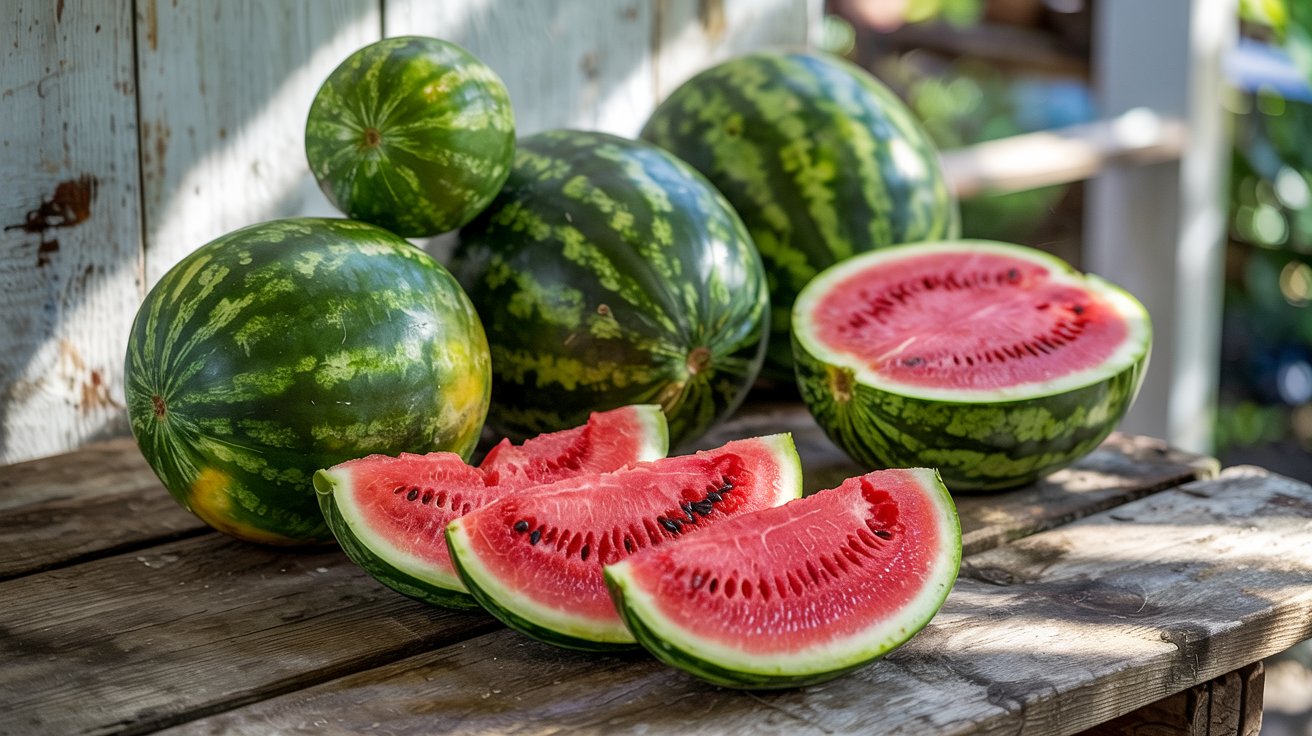
Are you wondering how to pick the perfect watermelon for your next summer gathering? Choosing the right size can be tricky, especially when you want just enough juicy sweetness without leftovers going to waste.
This Watermelon Size Chart will help you understand what each size means and how to match it perfectly to your needs. Whether you’re feeding a small family or a big group, knowing the right watermelon size saves you money and guarantees smiles all around.
Keep reading to find out how to make your watermelon choice easy and spot-on every time!
Watermelon Varieties
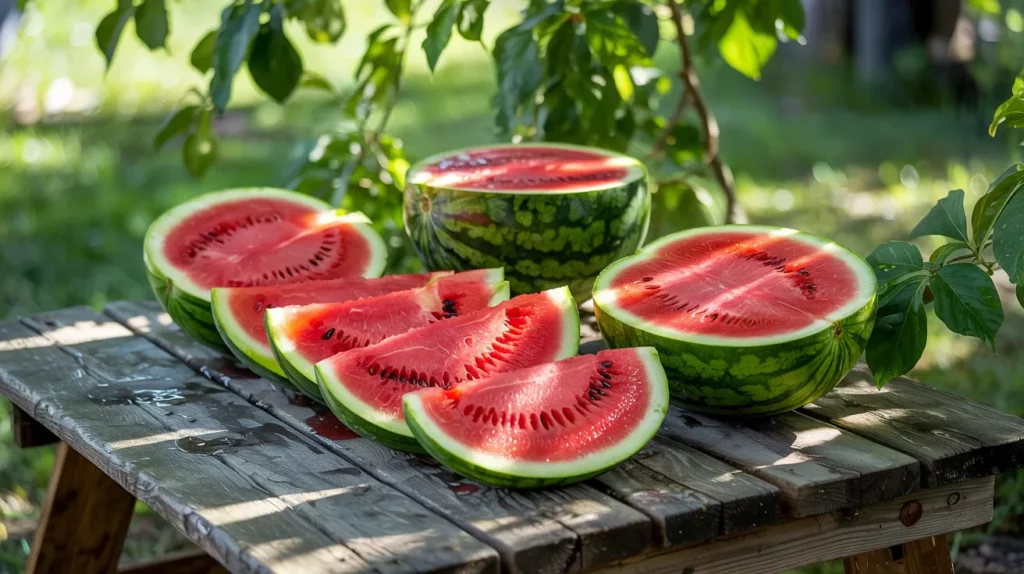
Watermelon varieties come in many shapes and sizes. A watermelon size chart helps identify each type easily. It shows the typical weight and dimensions for popular varieties.
Seeded Vs Seedless
Watermelons come in two main types: seeded and seedless. Seeded watermelons have black seeds scattered inside. Many people enjoy spitting out the seeds while eating. Seedless watermelons have very few, small white seeds or none at all. These are easier to eat and popular at parties. Both types taste sweet and juicy. The choice depends on personal preference and convenience.
Common Types By Size
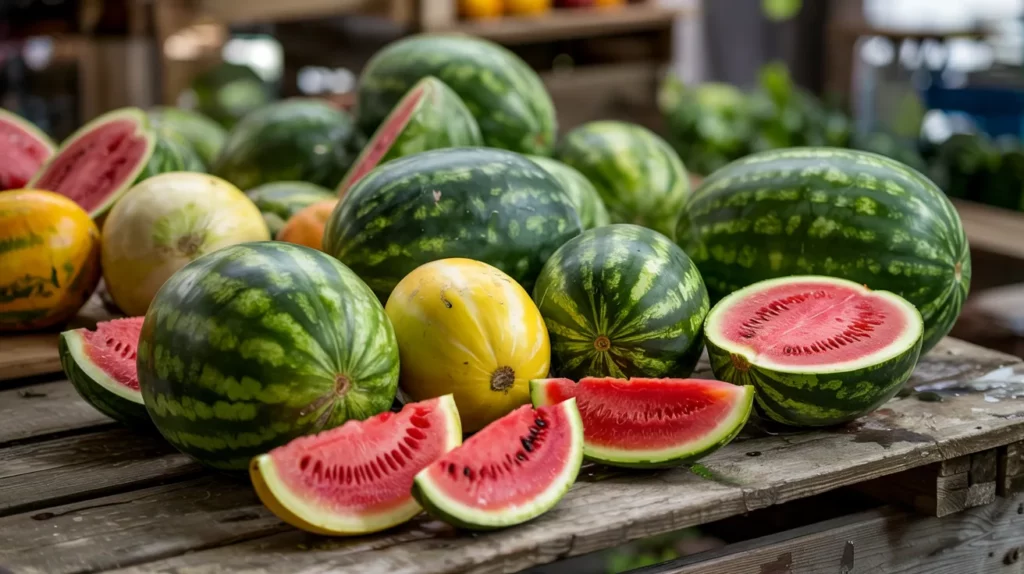
Watermelons vary widely in size. Small types weigh around 5 to 10 pounds. Medium ones are about 15 to 20 pounds. Large watermelons can grow over 30 pounds. Mini watermelons are also popular for single servings. Size affects sweetness and texture slightly. Smaller melons often have firmer flesh. Larger ones are perfect for big gatherings.
Regional Preferences
Different regions prefer certain watermelon types. In the southern United States, large seeded watermelons are common. In Asia, small, sweet seedless varieties dominate markets. Europe favors medium-sized, crisp watermelons. Climate and farming conditions shape these choices. Local tastes also influence which varieties are grown. Understanding regional preferences helps when buying watermelon.
Measuring Watermelon Size
Measuring watermelon size helps you pick the right fruit for your needs. It also helps you estimate how many people it can serve. Several methods can measure watermelon size accurately. These include weight, diameter, and visual clues. Understanding these methods makes buying watermelon easier.
Watermelon Size Chart
| Watermelon Size | Average Weight | Typical Diameter | Best For |
|---|---|---|---|
| Mini / Personal | 3–7 lbs | 5–7 inches | Snacks, small families, single servings |
| Small | 8–12 lbs | 8–10 inches | Lunches, 2–3 people, easy storage |
| Medium | 13–20 lbs | 10–15 inches | Families of 3–5, picnics |
| Large | 21–30+ lbs | 15–20 inches | Parties, gatherings, large groups |
| Extra Large (Giant) | 30–50+ lbs | 20+ inches | Big events, carving, punch bowls |
Weight Categories
Watermelons come in different weight groups. Small watermelons weigh less than 5 pounds. Medium ones range from 6 to 15 pounds. Large watermelons weigh more than 15 pounds. Weight gives a clear idea about watermelon size. You can use a kitchen scale or ask the seller for weight.
Diameter And Circumference
Diameter means the distance across the watermelon’s widest part. Circumference is the distance around it. Use a tape measure to find these numbers. A small watermelon usually has a diameter under 10 inches. Medium watermelons measure between 10 and 16 inches. Large watermelons are above 16 inches in diameter. These numbers help you choose the perfect size for your needs.
Visual Size Indicators
Visual clues help estimate watermelon size quickly. Look at how big the watermelon is compared to your hand. Small watermelons fit easily in one hand. Medium ones need both hands to hold. Large watermelons look heavy and round. The color and shape also tell you about its size. Rounder watermelons tend to be larger than oval ones. Using visual hints helps when you don’t have tools handy.
Choosing Watermelon By Size
Choosing the right watermelon size makes a big difference in your enjoyment. Size affects how much fruit you get and how easy it is to handle. Picking the proper size saves food waste and fits your needs perfectly. Below are tips to help you choose watermelon by size for different occasions.
Small Melons For Snacks
Small watermelons weigh around 5 to 7 pounds. They are easy to carry and store. Perfect for one or two people. Great for quick snacks or small lunches. Small melons have less rind and more fruit.
Medium Melons For Families
Medium watermelons weigh between 10 and 15 pounds. Ideal for families of three to five members. They provide enough fruit for several meals. Medium melons are easier to cut and serve. Good balance between size and convenience.
Large Melons For Gatherings
Large watermelons weigh 20 pounds or more. Best for parties and big groups. They offer plenty of fruit to share. Large melons are great for outdoor events. Expect a longer cutting and serving time.
Ripeness And Quality Signs
Choosing a ripe and high-quality watermelon is important for a sweet and juicy treat. Several signs help identify if a watermelon is ready to eat. These signs include color, texture, field spot, sound, and firmness. Knowing these can save time and ensure the best taste.
Color And Texture
A ripe watermelon usually has a deep green color. The skin should look dull, not shiny. Shiny skin often means the fruit is underripe. The texture should feel firm and smooth. Avoid watermelons with cuts or soft spots on the surface.
Field Spot Importance
The field spot is the area where the watermelon rested on the ground. A creamy yellow or light orange field spot means the watermelon is ripe. A white or greenish spot means it was picked too early. This color difference shows how long the watermelon stayed on the vine.
Sound And Firmness Tests
Tapping the watermelon gives clues about its ripeness. A ripe watermelon produces a deep, hollow sound. A dull or flat sound means the fruit is overripe or underripe. Also, press the watermelon gently. It should feel firm but not hard. Soft spots often mean the watermelon is spoiled inside.
Storing And Handling Tips
Knowing how to store and handle watermelons keeps them fresh longer. Proper care protects their sweet, juicy flavor. It also helps avoid waste and spoilage. Follow these simple tips for best results.
Optimal Storage Temperatures
Whole watermelons stay fresh at room temperature. Keep them in a cool, dry place away from direct sunlight. Ideal temperature is between 50°F and 60°F (10°C to 15°C). Avoid very cold areas to prevent damage to the fruit.
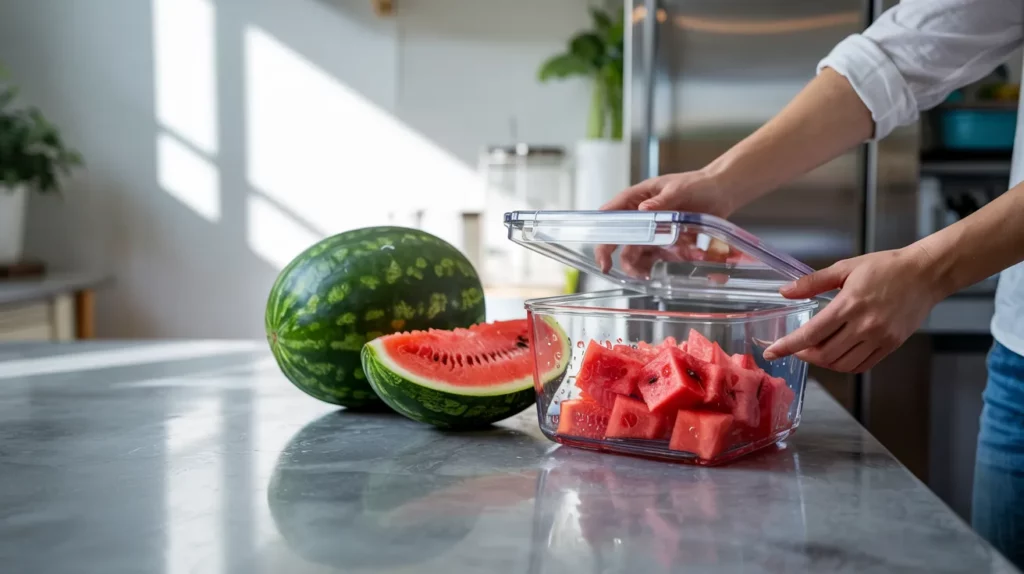
Cut watermelons need refrigeration. Store slices or chunks in an airtight container. Keep them at 40°F (4°C) or below. This slows bacterial growth and preserves taste.
Cut Vs Whole Melons
Whole watermelons last longer than cut pieces. The rind protects the fruit inside from drying out. Once cut, the fruit becomes vulnerable to bacteria and moisture loss.
Always use a clean knife to cut melon. Wrap cut pieces tightly with plastic wrap or place in a sealed container. This keeps the melon fresh and prevents odors from spreading in the fridge.
Shelf Life Expectations
Whole watermelons can last 7 to 10 days at room temperature. In cooler places, they may stay fresh up to 2 weeks. Check for soft spots or mold as signs of spoilage.
Cut watermelon should be eaten within 3 to 5 days. The flavor and texture decline after that. Throw away any melon that smells sour or looks slimy.
Watermelon Uses By Size
Watermelon size plays a big role in how you can use it. Small watermelons suit quick snacks or small servings. Medium and large watermelons are great for groups. Choosing the right size helps reduce waste and saves money.
Single-serve Ideas
Small watermelons fit perfectly for one or two people. Slice them into wedges for a refreshing snack. Cut into cubes and add to fruit salads. Blend small watermelon chunks for a cool, sweet juice. These ideas keep portions just right and easy to handle.
Party And Picnic Options
Medium and large watermelons shine at parties and picnics. They offer enough fruit for many guests. Serve large slices or watermelon balls for easy sharing. Use a large watermelon as a bowl for fruit punch. These options make outdoor events fun and tasty.
Creative Recipes
Watermelon of any size can be part of creative dishes. Try watermelon salsa with small or medium melons. Grill thick watermelon slices from larger melons for a smoky flavor. Make watermelon sorbet by blending pulp and freezing it. These recipes bring new taste ideas to your table.
Frequently Asked Questions
What Are The Common Watermelon Sizes Available?
Watermelons vary from small personal sizes around 5 pounds to large ones over 30 pounds. Size depends on variety and growth conditions. Knowing sizes helps in selecting the right amount for your needs and storage.
How To Estimate Watermelon Size By Weight?
You can estimate watermelon size by its weight using a simple scale. Most watermelons weigh between 10 to 20 pounds. Larger watermelons tend to be sweeter and juicier, but size does not always equal quality.
Does Watermelon Size Affect Its Sweetness?
Watermelon size can influence sweetness, but it’s not the only factor. Smaller watermelons often have concentrated sweetness. Ripeness and variety play key roles in flavor and sugar content. Always check for uniform color and a creamy yellow spot.
How To Choose The Right Watermelon Size For Parties?
For parties, estimate about 1 to 2 pounds per person. Larger watermelons are ideal for big gatherings. Smaller ones suit individual consumption. Choosing the right size avoids waste and ensures everyone enjoys fresh watermelon.
Conclusion
Knowing watermelon sizes helps you pick the right one for your needs. Small watermelons are great for snacks or small families. Larger ones work well for parties or big groups. Use the size chart to avoid buying too much or too little.
Enjoy fresh, juicy watermelon with less waste. This guide makes choosing easy and stress-free. Keep it handy next time you shop. Simple steps lead to better, tastier results.
