
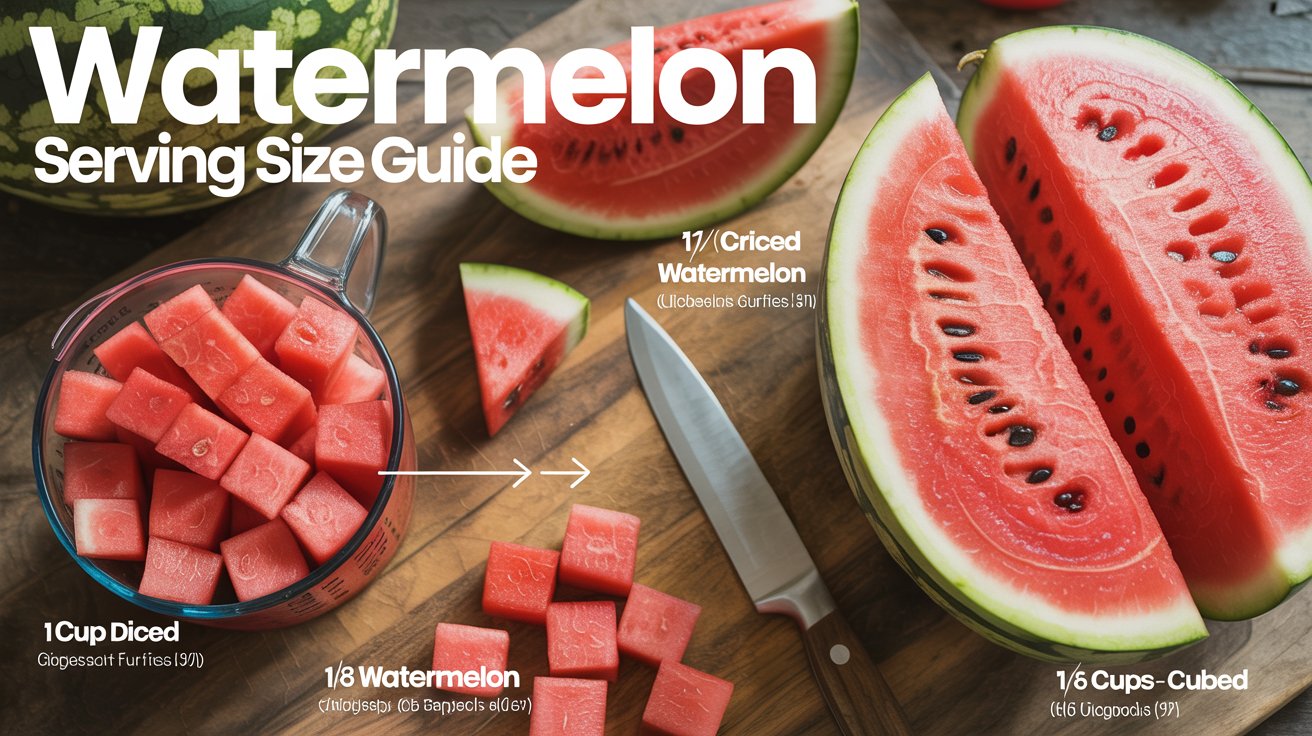
Watermelon is the ultimate summer treat that brings joy to any gathering! Its juicy sweetness is a refreshing way to cool down, and it’s perfect for picnics, barbecues, or simply enjoying at home. Imagine biting into a slice and tasting that burst of flavor—it’s pure bliss!
You’ll discover the standard serving size for watermelon, along with nutritional information per serving, and practical tips for measuring and serving this delightful fruit. Total time: 10 minutes, difficulty level: easy, servings: varies by use.
Watermelon Serving Size Defined
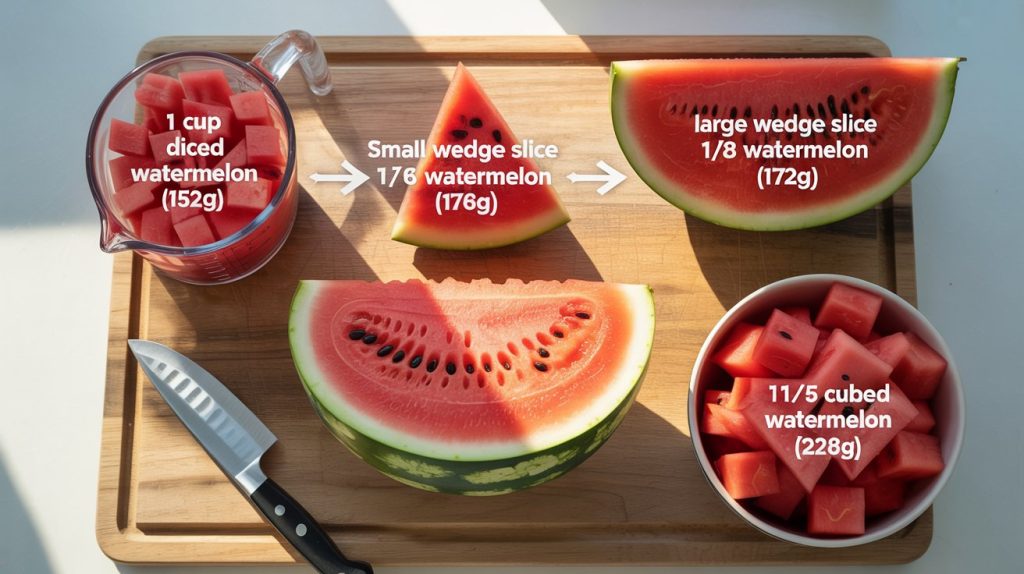
Understanding the appropriate serving size for watermelon is essential for enjoying this refreshing fruit while keeping portion control in mind. This section will provide clear measurements for cups, slices, and weight, guiding you to serve watermelon effectively in various contexts.
Cups and Slices
- A standard serving size of watermelon is about 1 cup, which is approximately 154 grams (5.4 ounces).
- This serving can be cut into wedges, which typically equals 1 slice or 1/16th of a medium-sized watermelon.
Weight Measurements
When weighing watermelon, it’s helpful to know that:
- A medium watermelon weighs around 5-7 pounds (2.3-3.2 kg).
- A typical serving of watermelon by weight is about 200 grams (7 ounces), which is roughly 1.3 cups when diced.
Pro tip: If you’re planning to serve watermelon at a gathering, consider cutting it into bite-sized pieces for easy snacking. This allows guests to enjoy without the mess of large slices!
| Serving Type | Measurement | Weight |
|---|---|---|
| Diced watermelon | 1 cup | ~154 g |
| Small slice | 1 wedge (1/16 melon) | ~150–200 g |
| Large slice | 1/8 melon | ~300 g |
| Cubed serving | 1½ cups | ~200 g |
✔ The standard serving size is 1 cup (about 154 g) of diced watermelon
Nutritional Information per Serving
Understanding the nutritional value of watermelon is essential for making informed choices about serving sizes. Watermelon is not only hydrating but also packed with nutrients. Let’s break down the calories, macros, vitamins, and minerals found in a typical serving.
Calories and Macros
A standard serving size of watermelon is about 1 cup (152 grams) of diced fruit. This serving provides:
- Calories: 46 kcal
- Protein: 0.9 grams
- Fat: 0.2 grams
- Carbohydrates: 11.6 grams
- Fiber: 0.4 grams
- Sugar: 9.4 grams
Vitamins and Minerals
Watermelon is rich in several essential vitamins and minerals. In a 1-cup serving, you can expect the following:
| Nutrient | Amount | % Daily Value |
|---|---|---|
| Vitamin C | 12.5 mg | 14% |
| Vitamin A | 865 IU | 17% |
| Potassium | 170 mg | 5% |
| Magnesium | 15 mg | 4% |
Watermelon also contains small amounts of other vitamins and minerals, contributing to its overall nutritional profile. Enjoying it in moderation can help you stay hydrated while providing essential nutrients.
How to Measure Watermelon
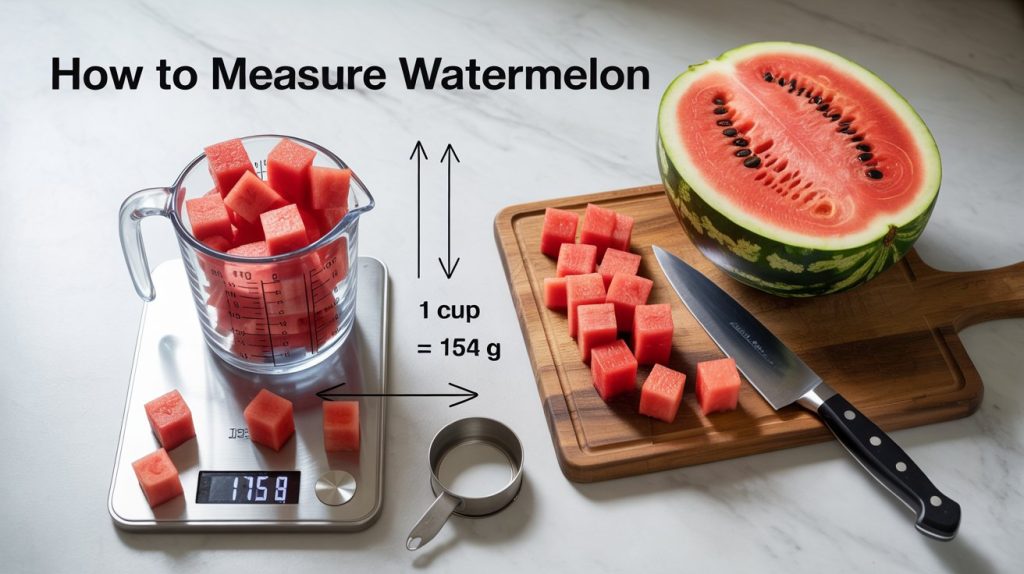
Accurately measuring watermelon is essential for serving sizes, especially when planning meals or snacks. Knowing how much watermelon to prepare can help you avoid waste while ensuring everyone gets a delicious portion. Here, we’ll cover two effective methods: using cups and using a scale.
Using Cups
Measuring watermelon by volume is straightforward. Follow these steps for the best results:
- Start with a ripe watermelon. Look for a uniform shape and a creamy yellow spot on the bottom, indicating ripeness.
- Cut the watermelon in half and scoop out the flesh using a large spoon or a melon baller.
- Place the scooped watermelon into a measuring cup. For a standard serving size:
| 1 Serving | 1 cup (about 154g) |
| 2 Servings | 2 cups (about 308g) |
Using a Scale
If you want more precision, using a kitchen scale is a great option:
- Ensure the scale is set to zero (tare) before adding watermelon.
- Weigh the watermelon flesh directly. For a standard serving size, aim for:
- 1 cup of watermelon = 154 grams
- 2 cups of watermelon = 308 grams
Chef’s tip: If you have leftover watermelon, store it in an airtight container in the fridge for up to 3 days to maintain freshness.
Preparation Tips for Watermelon
Properly preparing watermelon not only maximizes its flavor but also ensures you serve the right portion size. Here are some effective cutting techniques and storing tips to help you enjoy this refreshing fruit efficiently.
Cutting Techniques
- Begin by rinsing the watermelon under cold water to remove any dirt or bacteria. Use a clean cutting board and a sharp knife to ensure precision. Position the watermelon on its side for stability.
- Cut the watermelon in half lengthwise, creating two equal halves. This will allow for easier access to the flesh and give you a stable base. Make sure to apply even pressure while slicing to avoid slipping.
- Once halved, slice each half into 1-2 inch thick wedges. You can further cut these wedges into bite-sized pieces by making horizontal and vertical cuts. Aim for uniform pieces for consistent serving sizes and easier snacking.
- For a fun presentation, consider using a melon baller to scoop out round pieces from the flesh. This technique is great for salads or decorative platters. Aim for uniform balls for a polished look.
Storing Tips
- After cutting, store any leftover watermelon in an airtight container in the refrigerator. This helps maintain its freshness and prevents it from absorbing odors from other foods. The ideal storage temperature is around 40°F (4°C).
- For maximum freshness, consume cut watermelon within 3-5 days. If you notice any off-smells or a slimy texture, it’s best to discard it. Always check for signs of spoilage before serving.
- If you have a large amount of leftover watermelon, consider freezing it. Cut it into chunks, spread them on a baking sheet to freeze individually, and then transfer them to a freezer-safe bag. Frozen watermelon can be used in smoothies or as a refreshing snack later.
Serving Watermelon Creatively
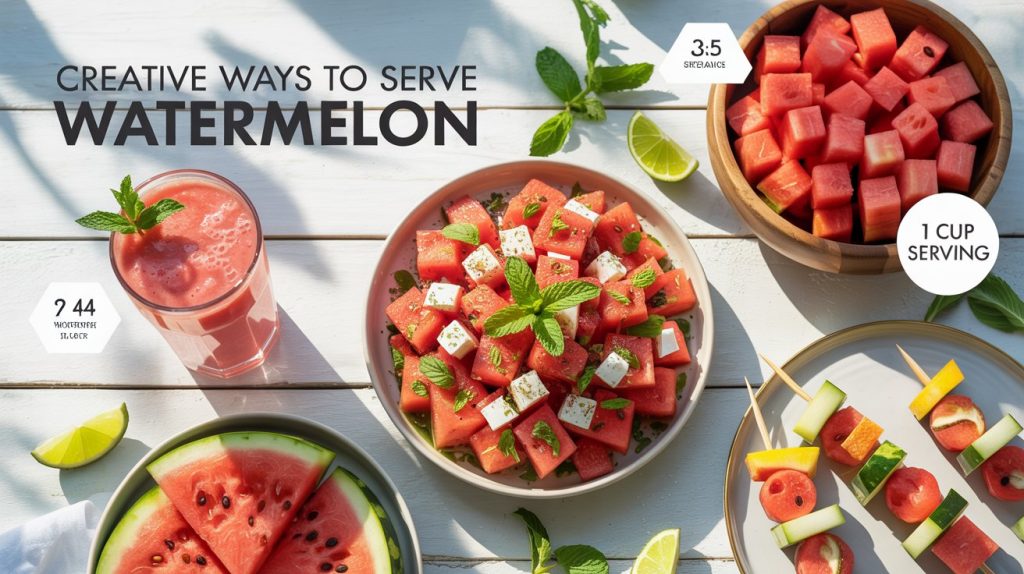
Watermelon isn’t just for snacking; it can be a versatile ingredient in various meals and snacks. Knowing how to serve watermelon creatively can enhance your dishes while keeping portion sizes in check. Here are some fun ways to incorporate watermelon into your menu.
Salads and Salsas
Watermelon pairs beautifully with greens and spices, making it an excellent addition to salads and salsas. A typical serving size is about 1 cup (150g) of diced watermelon. Here’s a simple salad idea:
- 4 cups mixed greens
- 1 cup diced watermelon (150g)
- ½ cup crumbled feta cheese (75g)
- ¼ cup chopped fresh mint
- 2 tablespoons balsamic vinegar
- 1 tablespoon olive oil
- In a large bowl, combine the mixed greens, diced watermelon, feta cheese, and mint.
- In a small bowl, whisk together balsamic vinegar and olive oil; drizzle over the salad.
- Gently toss to combine, and serve immediately.
Smoothie Combos
Another delicious way to enjoy watermelon is in smoothies. A typical serving size is 1 cup (150g) of watermelon blended with other fruits. Here’s a refreshing watermelon smoothie recipe:
- 1 cup diced watermelon (150g)
- 1 banana
- ½ cup Greek yogurt (120g)
- ½ cup coconut water (120ml)
- In a blender, combine diced watermelon, banana, Greek yogurt, and coconut water.
- Blend until smooth and creamy, adding more coconut water if needed for consistency.
- Pour into a glass and enjoy immediately for a refreshing boost!
Chef’s tip: Freeze leftover watermelon pieces for a slushy texture in smoothies!
| Ingredient | Amount |
|---|---|
| Watermelon | 1 cup (150g) |
| Feta Cheese | ½ cup (75g) |
| Greek Yogurt | ½ cup (120g) |
| Coconut Water | ½ cup (120ml) |
By incorporating watermelon into salads and smoothies, you can keep your meals vibrant and nutritious while being mindful of serving sizes. Happy cooking!
Pro Tips for Serving Watermelon
Understanding the ideal serving size for watermelon can elevate your dining experience and ensure everyone enjoys this refreshing fruit without waste. Here are some common mistakes to avoid and presentation tips to make your watermelon servings both appealing and practical.
Common Mistakes
- Overestimating Portions: A typical serving size for watermelon is about 1 cup (152g) of diced fruit. Many people serve too much, leading to leftovers that may go uneaten.
- Poor Cutting Technique: Always use a sharp knife to cut watermelon. Dull knives can crush the fruit, making it mushy and unappealing.
- Ignoring the Rind: Don’t forget about the rind! It can be used to create fun presentations or even pickled for a unique snack.
Presentation Tips
How you present watermelon can enhance its appeal. Here are some creative ideas:
- Color Contrast: Pair watermelon with other colorful fruits like blueberries or pineapple for a vibrant fruit salad.
- Serve in a Bowl: Use hollowed-out watermelon halves as bowls for salads or fruit mixes.
- Skewers: Thread cubes of watermelon onto skewers with mint leaves or mozzarella balls for a delightful appetizer.
Chef’s tip: Chill watermelon for at least 30 minutes before serving for the best texture and flavor.
| 1 cup diced | 152g | Calories: 46, Carbs: 11.6g, Sugar: 9.4g, Fiber: 0.6g |
Variations and Modifications
This section offers practical suggestions for modifying watermelon serving sizes to accommodate dietary preferences and nutritional needs. Whether you’re looking for gluten-free options or vegan pairings, these tips will help you enjoy watermelon while keeping your meals balanced.
Gluten-Free Options
Watermelon is naturally gluten-free, making it a safe and refreshing choice for those with gluten sensitivities. Here are some ideas for incorporating watermelon into your diet without any gluten:
- Serve watermelon cubes as a side salad with a drizzle of balsamic glaze for added flavor.
- Blend watermelon into smoothies with other gluten-free fruits like banana and mango for a nutritious breakfast.
- Pair watermelon with feta cheese and mint for a light, gluten-free appetizer.
Vegan Pairings
If you’re following a vegan lifestyle, watermelon serves as a great base for a variety of dishes. Here are some delicious vegan pairings:
- Combine diced watermelon with cucumber, red onion, and a squeeze of lime juice for a refreshing salsa.
- Chop watermelon into chunks and toss it with arugula, avocado, and a splash of olive oil for a vibrant salad.
- Freeze watermelon cubes and blend them with coconut milk for a dairy-free sorbet.
Chef’s tip: Watermelon pairs wonderfully with herbs like basil or mint, adding an aromatic touch to your vegan dishes.
| 1 cup (152g) | 46 | 12g | 1g | 0g |
Quick Summary
| Prep Time | 10 minutes |
|---|---|
| Cook Time | N/A |
| Total Time | 10 minutes |
| Servings | 4 |
- Choose the right watermelon: Look for a symmetrical, field-spot yellow watermelon for the best flavor.
- Slice for serving: Cut into wedges or cubes, aiming for 1 cup per serving.
- Chill before serving: Refrigerate for at least 30 minutes to enhance sweetness and refreshment.
- Remove seeds: Opt for seedless varieties or remove seeds for easier eating.
- Pair it well: Consider serving with feta cheese or mint for a flavor boost.
- Store properly: Keep leftover watermelon in an airtight container in the fridge for up to 3 days.
Frequently Asked Questions
Can I make this watermelon dish ahead of time? How to store it?
You can prepare watermelon salads or cubes ahead of time; just store them in an airtight container in the refrigerator for up to 3 days. Avoid cutting it too early to maintain freshness and texture.
What can I substitute for watermelon in a fruit salad?
If you’re looking for a substitute, you can use cantaloupe or honeydew melon for a similar texture and sweetness. They have comparable water content and will blend well with other fruits.
How do I know when my watermelon is ripe for serving?
Look for a —this indicates ripeness. A ripe watermelon should feel heavy for its size and have a dull skin finish.
Can I freeze watermelon? How long does it last?
You can freeze watermelon, but it’s best enjoyed fresh; if frozen, it lasts about 10-12 months in the freezer. Cut it into cubes, spread on a baking sheet to freeze individually, then transfer to a zip-top bag to prevent clumping.
What if I don’t have a watermelon slicer?
No worries! You can use a sharp knife and a cutting board to slice it into wedges or cubes; just be cautious of the juice, which can be slippery. A sturdy chef’s knife works perfectly for cutting through the rind and flesh.
