
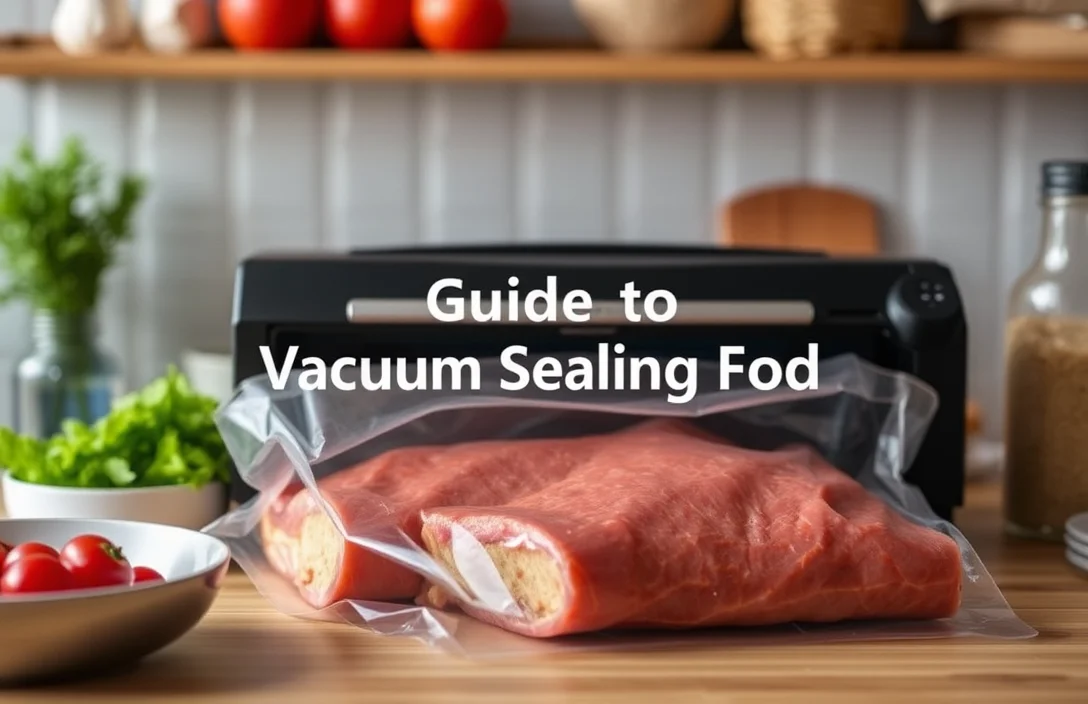
If you’re considering vacuum sealing food at home, you’re looking at a method that not only extends the shelf life of your groceries but also helps save money by reducing food waste. With an average vacuum sealer costing between $50 and $200, understanding how to use this appliance effectively can drastically cut down your grocery bills over time.
Vacuum sealers typically last about 5 to 10 years with proper maintenance, and using them is generally easy, though some models may require a bit of practice. Cost to repair can range from $35 to $100, depending on the issue. If you find yourself struggling, it might be time to call a pro.
| Average Cost | Lifespan | Difficulty | When to Call a Pro |
|---|---|---|---|
| $50 – $200 | 5 – 10 years | Easy to Moderate | Repeated malfunctions |
What is Vacuum Sealing?
Vacuum sealing is a method of preserving food by removing air from the packaging to inhibit the growth of bacteria, mold, and yeast. This technique not only extends the shelf life of various food items but also helps maintain their freshness, flavor, and nutritional quality. Understanding vacuum sealing is crucial for anyone looking to reduce food waste and save money on groceries.
Why Vacuum Sealing Matters
- Extended Shelf Life: Vacuum-sealed foods can last 3-5 times longer than those stored in traditional packaging.
- Preservation of Quality: The absence of air prevents oxidation, which can lead to spoilage and loss of flavor.
- Space-Saving: Vacuum-sealed bags take up less space in your freezer or pantry.
- Cost-Effective: Reducing food waste can save an average household around $300 annually.
“Pro tip: Vacuum sealing meats can reduce freezer burn, preserving quality for up to 2-3 years.”
Benefits of Vacuum Sealing
| Benefit | Description |
|---|---|
| Food Preservation | Inhibits spoilage and extends shelf life significantly. |
| Flavor Retention | Keeps food fresher and more flavorful by preventing oxidation. |
| Portion Control | Allows for easy meal prep and portioning for later use. |
| Cost Savings | Reduces food waste, saving money over time. |
How Vacuum Sealers Work
Understanding the mechanics behind vacuum sealing is essential for maximizing the benefits of this food preservation method. Vacuum sealers operate by removing air from specially designed bags or containers, effectively extending the shelf life of food and preventing spoilage. Let’s break down how these devices operate and the different methods available.
Basic Mechanics of Vacuum Sealing
Vacuum sealers function using a straightforward mechanical process:
- The food is placed inside a vacuum bag or container.
- The vacuum sealer removes air from the bag, creating a vacuum environment.
- Once the air is removed, the bag is sealed tightly, preventing air from re-entering.
This process inhibits the growth of bacteria and mold, allowing food to last much longer than traditional storage methods.
Types of Vacuum Sealing Methods
There are several methods for vacuum sealing, each suited for different needs:
- External Vacuum Sealers: These are the most common and use a suction pump to remove air from bags before sealing them.
- Chamber Vacuum Sealers: These seal bags inside a chamber, expelling air from both the bag and the chamber, ideal for liquids and moist foods.
- Handheld Vacuum Sealers: These are portable devices that work with specially designed bags and are perfect for quick tasks.
| Type | Cost Range | Best Use |
|---|---|---|
| External Vacuum Sealer | $50 – $300 | General food storage |
| Chamber Vacuum Sealer | $300 – $1,500 | Commercial use or liquids |
| Handheld Vacuum Sealer | $30 – $100 | Quick and easy sealing |
Buying a Vacuum Sealer
Choosing the right vacuum sealer is crucial for maximizing the benefits of vacuum sealing food. Understanding the essential features and avoiding common marketing misconceptions can help you make an informed decision that meets your needs and budget.
Essential Features to Look For
- Seal Type: Look for a vacuum sealer that offers both heat sealing and a strong vacuum. Heat sealing ensures a tight closure, while an effective vacuum removes air efficiently.
- Size and Portability: Consider the size of the vacuum sealer. Countertop models are more powerful but less portable, while handheld models are convenient for smaller tasks.
- Bag Compatibility: Ensure the vacuum sealer is compatible with various bag sizes and types, including roll bags, pre-cut bags, and even reusable bags.
- Additional Functions: Some models offer features like marinating mode, pulse vacuuming for delicate items, and built-in cutters for convenience.
- Warranty: A good warranty can protect your investment. Look for at least a 1-2 year warranty to cover potential defects.
Common Misconceptions in Marketing
“More expensive means better quality.” While premium models may offer additional features, many budget options perform adequately for standard home use.
“All vacuum sealers are the same.” Different models cater to varying needs; for example, some are designed for heavy-duty use, while others are meant for occasional tasks.
| Feature | Budget | Mid-Range | Premium |
|---|---|---|---|
| Seal Type | Basic heat seal | Strong vacuum + heat seal | Pulse vacuum + multi-seal |
| Size | Handheld | Countertop | Commercial-grade |
| Bag Compatibility | Standard bags | Various sizes | Reusable bags included |
| Warranty | 1 year | 2 years | 3 years |
Setup for Vacuum Sealing
Setting up a vacuum sealer correctly is essential for effective food preservation. This section will guide you through the necessary tools and initial preparations to ensure your vacuum sealing process is smooth and efficient.
- Gather Necessary Tools: You will need a vacuum sealer, vacuum sealer bags or rolls, scissors, and possibly a cutting board. Ensure the sealer is clean and functioning properly before use.
- Clean the Work Area: Clear a designated space on your countertop for the vacuum sealer. Wipe down the area to prevent contamination and make sure it’s free of any food particles or debris.
- Read the Manual: Before plugging in your vacuum sealer, refer to the user manual for specific setup instructions. Different models may have unique features or requirements that are important for optimal operation.
- Prepare the Bags: Cut the vacuum bags to the desired size, allowing extra space for sealing. Ensure the bags are compatible with your model, as some sealers require specific types.
- Check the Sealing Strip: Inspect the sealing strip on the vacuum sealer for any dirt or debris. A clean sealing strip ensures a tight seal, which is crucial for preventing air leaks.
- Plug in the Vacuum Sealer: Connect the vacuum sealer to a power outlet and turn it on. Wait for any indicator lights to signal that the machine is ready for use.
Vacuum Sealer Maintenance
Maintaining your vacuum sealer is essential to ensure optimal performance and longevity. Regular maintenance tasks can prevent breakdowns, enhance sealing efficiency, and prolong the lifespan of your appliance. Below is a detailed maintenance schedule to keep your vacuum sealer running smoothly.
| Task | Frequency | Time |
|---|---|---|
| Clean the sealing bar and gaskets | Weekly | 10 minutes |
| Inspect and replace gaskets if worn | Monthly | 15 minutes |
| Check vacuum pump for debris | Monthly | 10 minutes |
| Lubricate moving parts | Yearly | 20 minutes |
| Perform a thorough cleaning of the exterior | Yearly | 15 minutes |
Following this maintenance schedule can help you avoid costly repairs; professional repairs for vacuum sealers can range from $100 to $200, while DIY repairs might cost between $10 and $30 for parts. Regular maintenance not only saves money but also ensures that your vacuum sealer remains efficient, allowing you to enjoy the benefits of vacuum sealing for years to come. Remember, always unplug your vacuum sealer before performing any maintenance tasks to avoid electrical hazards.
Troubleshooting Common Issues
Vacuum sealing can be a game changer for food preservation, but issues can arise that may compromise your efforts. Understanding common problems and their solutions is essential to ensure your vacuum sealing experience is efficient and effective.
Problem 1: Incomplete Seals
Symptom → Your vacuum bags are not sealing completely, leaving gaps.
Cause → This may be due to food debris on the sealing strip or incorrect bag placement.
Fix → Clean the sealing strip with a damp cloth and ensure the bag is positioned correctly before sealing.
Problem 2: Vacuum Sealer Not Turning On
Symptom → The unit fails to power on at all.
Cause → This could be a result of a faulty power cord or an unplugged unit.
Fix → Check the power outlet, verify the unit is plugged in, and inspect the cord for damage. Replace the cord if necessary.
Problem 3: Food Spoilage Despite Sealing
Symptom → Food spoils shortly after sealing.
Cause → Air may still be present in the bag, or the food may not have been cooled properly before sealing.
Fix → Ensure a proper vacuum seal and allow food to cool completely before sealing.
Problem 4: Excessive Air in Bags
Symptom → Bags have visible air pockets after sealing.
Cause → This can happen if the bag is overfilled or the vacuum sealer is malfunctioning.
Fix → Ensure bags are not overfilled and run the sealing process again, checking for any malfunctions.
Problem 5: Sealer Overheating
Symptom → The vacuum sealer shuts off unexpectedly during use.
Cause → This often indicates that the unit is overheating due to prolonged use.
Fix → Allow the machine to cool down for at least 20-30 minutes before using it again to prevent damage.
Energy Efficiency Tips
This section highlights how vacuum sealing food can lead to significant energy and cost savings, both in storage and preparation. By adopting energy-efficient practices, you can maximize the benefits of your vacuum sealing system while minimizing your utility bills.
Cost-Saving Benefits of Vacuum Sealing
- Reduces food spoilage: Vacuum sealing extends the shelf life of food items, allowing you to save money by reducing waste.
- Less freezer burn: Properly sealed foods retain their quality longer, meaning you won’t need to replace items as frequently.
- Bulk buying: Purchasing in bulk and vacuum sealing can lower your grocery bill, as prices often decrease per unit.
Energy-Efficient Practices
Pro tip: Vacuum seal meals in portions to avoid reheating larger quantities, which can waste energy.
Implement the following practices to enhance energy efficiency while using vacuum sealing:
- Use an energy-efficient vacuum sealer: Look for models with an Energy Star rating to ensure lower energy consumption.
- Plan your meals: Preparing meals in advance and vacuum sealing them can reduce energy use associated with daily cooking.
- Maintain your vacuum sealer: Regular cleaning and maintenance can keep your appliance running efficiently.
Maintenance Checklist
| Task | Frequency | Time |
|---|---|---|
| Clean seals and gaskets | Monthly | 10 minutes |
| Inspect power cord | Every 6 months | 5 minutes |
| Check vacuuming performance | Every 3 months | 15 minutes |
By following these tips and practices, you can not only save money on groceries but also reduce your overall energy consumption, making your home more efficient and environmentally friendly.
Quick Summary
- Top 3 maintenance tasks: Clean vacuum seals every month, replace bags every 6 months, check seal quality before each use.
- Repair vs Replace: If repair costs exceed $100, consider replacing the unit.
- Energy saving tip: Using a vacuum sealer can save you up to $200 a year by reducing food waste.
- Safety checklist: Ensure seals are airtight, avoid overfilling bags, use appropriate bags for food types.
- Estimated costs: New vacuum sealer: $50-$300, repair: $50-$100, annual maintenance: $20.
| Item | Cost |
|---|---|
| New Vacuum Sealer | $50-$300 |
| Repair Cost | $50-$100 |
| Annual Maintenance | $20 |
Frequently Asked Questions
How long should a vacuum sealer last?
A quality vacuum sealer can last between 5 to 10 years depending on usage and maintenance. Regular care, like cleaning the sealing strip, can extend its lifespan.
Is it worth repairing my vacuum sealer or should I buy new?
If the repair costs exceed 50% of a new unit and your vacuum sealer is over five years old, it’s often more cost-effective to buy a new one. However, if it’s under warranty, check if repairs are covered.
How much does it cost to run a vacuum sealer per month/year?
The electricity cost to run a vacuum sealer is relatively low, averaging about $1 to $2 per month, depending on usage. This translates to an annual cost of roughly $12 to $24.
What brand of vacuum sealer is most reliable?
Brands like FoodSaver and NutriChef are often cited as the most reliable with positive reviews for durability and performance. Investing in a reputable brand can ensure better longevity and efficiency.
What maintenance should I be doing that I probably am not?
You should regularly clean the vacuum chamber and sealing strip to prevent buildup, and check for any wear on the gaskets. Additionally, replacing bags and ensuring proper storage can enhance performance and longevity.
