
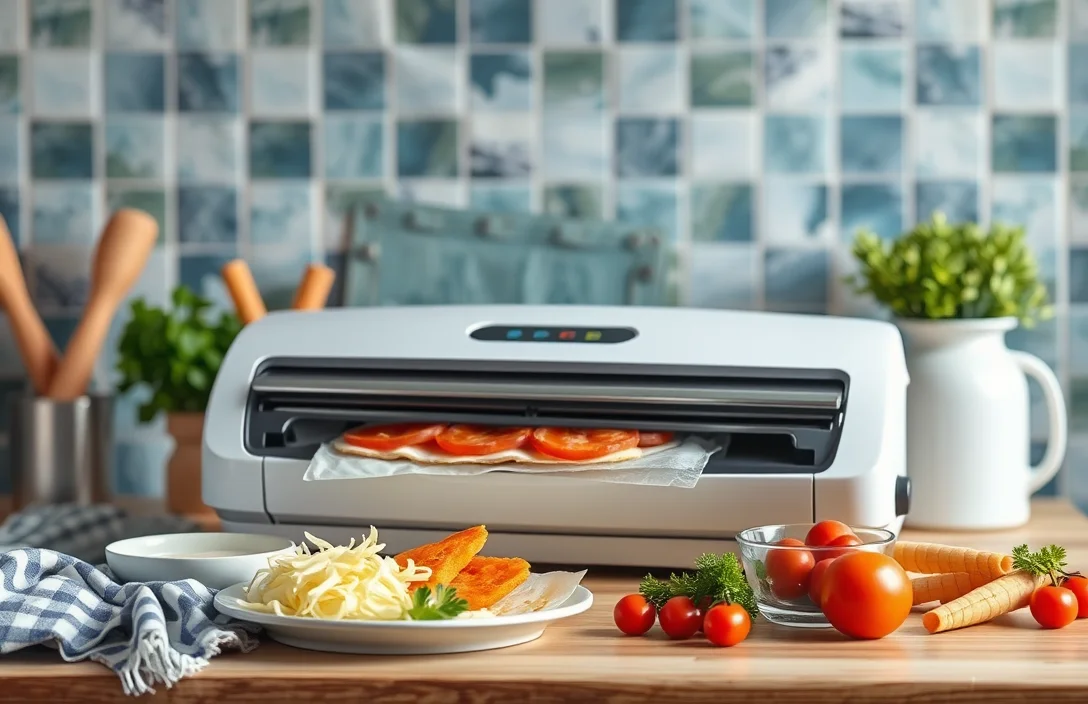
If you’re considering a vacuum sealer for your home, you’re likely looking for ways to save money on food costs and reduce waste. These appliances can preserve food for 3-5 times longer than traditional methods, which can save you up to 50% on grocery bills. Knowing how to choose and maintain one is crucial.
On average, vacuum sealers cost $50 to $200, with a lifespan of about 5-10 years. Repair difficulty can vary, but many issues are easy to troubleshoot, like replacing bags or seals.
| Average Cost | Lifespan | Difficulty | When to Call a Pro |
|---|---|---|---|
| $50 – $200 | 5 – 10 years | Easy | Electrical issues |
Understanding how a vacuum sealer works can help you make an informed decision, and this article will cover its purpose, benefits, key features, and common uses.
Definition of Vacuum Sealers
A vacuum sealer is a device designed to remove air from packaging to preserve food and extend its shelf life. Understanding how vacuum sealers work and their benefits can significantly impact your food storage practices, helping to reduce waste and save money.
Purpose of Vacuum Sealers
The primary purpose of vacuum sealers is to create an airtight seal around food items, which helps to prevent spoilage caused by air exposure. By removing air, vacuum sealers reduce the growth of bacteria and mold, keeping food fresher for longer. Key purposes include:
- Extending shelf life of perishable items
- Preventing freezer burn on frozen foods
- Maintaining flavor and nutritional value
Importance in Food Preservation
Vacuum sealing is crucial for effective food preservation. It not only helps in reducing food waste but also saves money in the long run. Here are some important benefits:
- Food can last 3-5 times longer than traditional storage methods.
- Ideal for sous vide cooking, enhancing flavor absorption.
- Great for bulk buying, allowing you to take advantage of sales.
“Pro tip: Vacuum-sealed foods can last up to 5 years in the freezer compared to just 6 months in regular packaging.”
Investing in a vacuum sealer can be a cost-effective solution for both food preservation and meal preparation, making it a valuable addition to your kitchen appliances.
Vacuum Sealing Process
This section explains how vacuum sealers work, including the mechanics behind the sealing process and the different types of vacuum sealers available. Understanding these aspects is essential for homeowners looking to effectively use vacuum sealers for food storage and preservation.
Mechanics of Vacuum Sealing
- Preparation: The first step involves placing food items into a vacuum sealing bag. It’s crucial to avoid overfilling the bag to ensure a proper seal. This preparation stage is vital for maximizing the effectiveness of the vacuum sealing process.
- Vacuum Extraction: Once the bag is filled, the vacuum sealer removes air from the bag. This is typically done using a pump that creates a vacuum, which helps in minimizing oxidation and bacterial growth. The removal of air can extend the shelf life of food significantly, often by 3 to 5 times.
- Sealing: After the air is removed, the vacuum sealer heats the edge of the bag to seal it tightly. This heat creates a strong bond, preventing any air from re-entering the bag. Proper sealing is essential for maintaining the freshness of the food stored inside.
Types of Vacuum Sealers
- External Vacuum Sealers: These models are typically more affordable and are suitable for home use. They require the user to place the bag in a designated slot for sealing.
- Chamber Vacuum Sealers: These are often used by professionals and can handle liquid and moist foods more efficiently. They work by placing the entire bag in a chamber, allowing for a more thorough vacuum process.
- Handheld Vacuum Sealers: These are compact and portable options ideal for occasional use. They are less powerful but convenient for quick tasks.
Buying Guide for Vacuum Sealers
When choosing a vacuum sealer, understanding key features can significantly enhance your food storage experience. Factors like bag compatibility, sealing strength, and size are crucial for ensuring you select a model that meets your needs and expectations.
Bag Compatibility
Not all vacuum sealers work with every type of bag. It’s essential to check the compatibility to ensure optimal performance.
- Standard vacuum bags: Most sealers work with these.
- Roll bags: Allow custom-sized bags, ideal for larger items.
- Reusable bags: Eco-friendly option, but check if your sealer supports them.
Sealing Strength
The strength of the seal is vital for preventing air from entering the bag and compromising the food inside. A strong seal can significantly enhance food preservation.
- Look for models with dual sealing strips for added security.
- Check for adjustable sealing time settings for different food types.
Size and Portability
Consider where you plan to use your vacuum sealer and how much storage space you have available.
| Feature | Budget | Mid-Range | Premium |
|---|---|---|---|
| Size | Compact, countertop | Medium, countertop | Large, with built-in roll storage |
| Portability | Lightweight | Moderate weight | Heavy, less portable |
Assessing these features can guide you in making a well-informed purchase decision, ensuring you select a vacuum sealer that suits your specific needs for food storage and preparation.
Setup Instructions
This section provides a step-by-step guide for installing your vacuum sealer, which is essential for optimizing its performance and ensuring you get the best results in food preservation. Proper setup not only enhances efficiency but also prolongs the lifespan of the appliance.
- Gather Necessary Tools: Before you begin, make sure you have all the required tools at hand. You will need the vacuum sealer unit, vacuum bags or rolls, a pair of scissors for cutting the bags, and a clean, flat surface to work on. Additionally, ensure that your vacuum sealer is placed near an electrical outlet for easy access.
- Initial Setup: Start by unboxing the vacuum sealer and removing any protective packaging. Place the unit on a stable surface where it has ample ventilation. Plug the vacuum sealer into an electrical outlet, making sure the cord is not pinched or damaged. Read through the manufacturer’s manual for specific model features and settings.
- Prepare the Vacuum Bags: Cut the vacuum bags or rolls to your desired length, leaving at least 3 inches of extra space beyond the food items you plan to seal. This extra space is crucial for creating an effective seal. Ensure the cut edges are straight and clean to avoid any issues during sealing.
- Testing the Seal: After loading the vacuum bag with food, place the open end into the vacuum channel of the sealer. Close the lid and select the appropriate sealing mode based on the type of food you are preserving. Initiate the vacuuming process, and once complete, check the seal for any gaps or imperfections. If the seal is not tight, repeat the sealing process.
Maintenance Tasks
Regular maintenance is essential for keeping your vacuum sealer in optimal working condition. Proper care not only extends the lifespan of the appliance but also ensures that your food remains fresh for longer periods. This section outlines the key maintenance tasks you should perform on a routine basis.
Weekly Cleaning
- Wipe down the exterior with a damp cloth to remove dust and debris.
- Check the sealing strip for any food particles; clean with a soft brush if necessary.
Monthly Inspections
- Inspect the vacuum chamber for any signs of wear or damage.
- Ensure that the power cord is intact and free from frays.
- Test the suction function with a small bag of water to ensure proper sealing.
Annual Deep Cleaning
At least once a year, perform a more thorough cleaning to maintain peak performance:
- Disassemble any removable parts according to the manufacturer’s instructions.
- Soak and clean the sealing element with a mild detergent solution.
- Inspect and replace the sealing strip if it shows signs of wear (cost: $10-$30).
Pro tip: Regular maintenance can extend the lifespan of your vacuum sealer by several years, reducing the need for costly replacements.
| Task | Frequency | Estimated Time |
|---|---|---|
| Exterior Wipe Down | Weekly | 5 minutes |
| Monthly Inspection | Monthly | 15 minutes |
| Deep Cleaning | Annually | 30 minutes |
Common Problems and Solutions
This section addresses common issues that may arise with vacuum sealers, including their causes and solutions. Understanding these problems can help you maintain your vacuum sealer effectively and ensure optimal performance for food storage.
Seal Not Tight Enough
Symptom: Bags are not sealed tightly, leading to air pockets.
Cause: This can be caused by improper bag placement or a faulty heating element.
Fix: Ensure the bag is correctly positioned within the sealing strip. If the problem persists, check for any debris on the sealing surface and clean it. If the heating element is damaged, you may need to replace it, which can cost $20-$50 for parts if you’re doing it yourself.
Vacuum Not Working
Symptom: The machine fails to remove air from the bag.
Cause: Common causes include a faulty vacuum pump or a broken gasket.
Fix: Check the gasket for wear and replace it if necessary; it typically costs around $10-$30. If the vacuum pump is malfunctioning, a professional repair can range from $150-$300. Regular maintenance can help avoid these issues.
Error Messages
Symptom: The vacuum sealer displays error codes.
Cause: Error messages often result from overheating or a malfunctioning component.
Fix: Allow the machine to cool down and then try again. If the error persists, consult the user manual for specific codes. For persistent errors, consider contacting customer service or a repair technician, as this may indicate a deeper issue requiring professional intervention.
Energy Savings with Vacuum Sealers
Vacuum sealers not only help in preserving food but also contribute significantly to cost savings in the long run. By minimizing food waste and optimizing storage, these appliances can lead to reduced energy consumption and increased efficiency in your kitchen.
- Cost of Food Waste: The average American household wastes about $1,600 worth of food each year. By vacuum sealing food, you can extend its shelf life, reducing this waste considerably. For instance, vacuum-sealed meat can last 1-3 years in the freezer, compared to 4-12 months for non-sealed items.
- Energy Consumption Estimates: While vacuum sealers themselves consume energy, their impact on overall energy use is minimal. For example, a vacuum sealer uses around 120 watts during operation. In comparison, a refrigerator uses about $150 per year for a 10-year-old model versus approximately $60 for a new Energy Star model. By reducing the amount of food that spoils, you can save on the energy costs associated with constantly replacing spoiled items.
- Long-Term Savings: Investing in a vacuum sealer can lead to significant savings over time. The initial cost of a vacuum sealer ranges from $50 to $300, depending on the model and features. With proper use, the savings from reduced food waste can recoup this cost within the first year. Moreover, the lifespan of a vacuum sealer can be around 5-10 years, further maximizing your investment.
Pro tip: Using a vacuum sealer to package bulk items can save you money—purchasing in bulk often reduces per-unit costs significantly.
Quick Summary
- Top 3 maintenance tasks: Clean the seals monthly, check for wear every 6 months, replace bags as needed.
- Repair vs Replace: Consider replacement if repair costs exceed $75, as new units start around $100.
- Energy saving tip: Using a vacuum sealer can save $100 annually by reducing food waste.
- Safety checklist: Ensure the unit is unplugged during maintenance, check for damaged cords, avoid overloading, and use food-safe bags.
| Item | Estimated Cost |
|---|---|
| New Vacuum Sealer | $100 – $300 |
| Repair Costs | $50 – $75 |
| Annual Maintenance | $15 – $25 |
Frequently Asked Questions
How long should this appliance last?
A vacuum sealer typically lasts about 5 to 10 years with proper use and maintenance. The lifespan can vary based on usage frequency and the quality of the unit.
Is it worth repairing or should I buy new?
If the repair cost is more than 50% of a new unit, it’s generally better to buy a new vacuum sealer. Consider the age and condition of your current model before deciding.
How much does it cost to run per month/year?
The energy consumption for a vacuum sealer is relatively low, averaging $10 to $20 per year depending on usage. This can vary based on your local electricity rates and the frequency of use.
What brand is most reliable?
Brands like FoodSaver and NutriChef are among the most reliable and recommended by users. They offer a range of features and consistent performance.
Can I install this myself or do I need a professional?
You can easily set up a vacuum sealer yourself as they are designed for simple plug-and-play operation. There’s no need for professional installation.
