
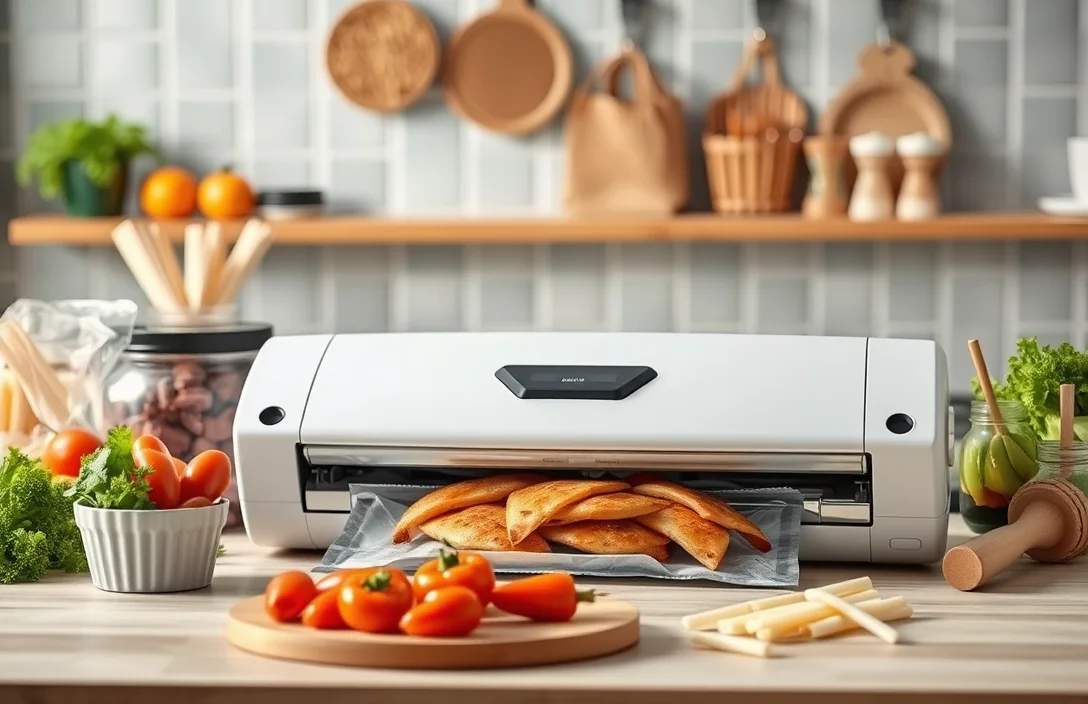
If you’re considering investing in a food vacuum sealer, you’re likely looking to save money by extending the shelf life of your food, reducing waste, and possibly even lowering your energy costs by enabling better meal prep. With models ranging from basic to advanced, choosing the right one can feel overwhelming.
Here’s what you need to know: the average cost of a vacuum sealer ranges from $30 to $300, with a lifespan of about 5 to 10 years. Basic models are typically easy to operate, while more advanced ones may require a bit of a learning curve, so consider your comfort level.
| Average Cost | Lifespan | Difficulty | When to Call a Pro |
|---|---|---|---|
| $30 – $300 | 5 – 10 years | Easy to Moderate | If persistent issues arise |
This guide will clarify the types of vacuum sealers available, outlining their features, pros and cons, and real-world scenarios to help you make an informed choice.
Types of Vacuum Sealers
Understanding the types of vacuum sealers available on the market is essential for effective food preservation. Each type has unique features, advantages, and disadvantages that cater to different needs and preferences. By choosing the right vacuum sealer, you can save money on groceries and reduce food waste.
External Vacuum Sealers
External vacuum sealers are popular for home use due to their affordability and ease of use. These machines work by placing a bag containing the food inside the sealer, which then removes the air and seals the bag.
- Advantages:
- Cost-effective, typically ranging from $30 to $200.
- Compact and easy to store.
- Disadvantages:
- Not suitable for liquids or soft foods.
- Sealing may not be as strong as other types.
Chamber Vacuum Sealers
Chamber vacuum sealers are designed for more heavy-duty use, often found in commercial kitchens but increasingly popular among serious home cooks. They operate by placing bags inside a chamber where air is removed, creating a strong seal.
- Advantages:
- Can vacuum seal liquids and moist foods.
- Stronger seals, extending food shelf life significantly.
- Disadvantages:
- Higher price range, typically between $300 and $1,000.
- Bulkier and requires more storage space.
Handheld Vacuum Sealers
Handheld vacuum sealers are portable and ideal for quick sealing tasks. They work with specially designed bags and are perfect for smaller portions or on-the-go sealing.
- Advantages:
- Lightweight and easy to operate.
- Cost-effective, usually priced between $20 and $100.
- Disadvantages:
- Less powerful than other types, may not provide a strong seal.
- Limited to specific bag types.
Pro tip: Consider your food storage needs and frequency of use before investing in a vacuum sealer to ensure you choose the best fit for your lifestyle.
How Vacuum Sealers Work
This section explains the mechanics behind vacuum sealing technology, detailing the vacuum creation process, sealing mechanisms, and the types of bags used. Understanding these components will help you make informed choices when selecting a vacuum sealer that best fits your needs.
Vacuum Creation Process
Vacuum sealers work by removing air from the packaging to extend the shelf life of food. This process involves:
- Creating a vacuum: The machine removes air from the bag, preventing oxidation and spoilage.
- Sealing the bag: Once the air is removed, the sealer applies heat to melt the bag’s edges, creating an airtight seal.
Sealing Mechanism
The sealing mechanism can vary between models:
- Heat Sealers: Use a heated element to bond the bag edges, suitable for most food types.
- Impulse Sealers: Apply heat only when sealing, reducing energy consumption and allowing for better control.
Bag Types
Choosing the right bag is essential for effective vacuum sealing. Here are common types:
- Chamber Bags: Thicker and more durable, designed for use with chamber vacuum sealers.
- External Bags: Typically less expensive and used with external vacuum sealers; available in various sizes.
- Roll Bags: Can be cut to custom sizes, offering flexibility for different food quantities.
Pro tip: Ensure your vacuum sealer is compatible with the type of bags you choose to avoid leaks and spoilage.
Key Features to Consider
When choosing a food vacuum sealer, understanding key features can significantly impact both performance and ease of use. Factors such as seal strength, bag compatibility, and control options can determine how effectively the sealer preserves food and how user-friendly it is for your kitchen needs.
Seal Strength
Seal strength is crucial for ensuring that your vacuum-sealed food remains fresh. A strong seal prevents air from entering, which can lead to spoilage. Look for the following:
- Double-seal options for added security
- Adjustable seal settings for different types of food
- Heat strip technology that ensures an airtight seal
Bag Compatibility
Not all vacuum sealers work with every type of bag. Ensuring compatibility can save you money and hassle:
- Check if the sealer accepts both commercial and custom-sized bags.
- Some models can use reusable or dishwasher-safe bags, which can reduce waste.
- Consider if the sealer is compatible with rolls and pre-cut bags.
Control Options
Control options can enhance user experience and functionality:
- Manual vs. automatic settings: Automatic settings are often easier for novices.
- Digital displays for precise control over vacuum and seal times.
- Pulse vacuum option for delicate foods that can be crushed.
| Feature | Budget | Mid-Range | Premium |
|---|---|---|---|
| Seal Strength | Single seal | Double seal | Double seal + adjustable settings |
| Bag Compatibility | Standard bags only | Standard + rolls | All types including reusable |
| Control Options | Basic manual | Automatic with digital display | All features + pulse option |
Setting Up Your Vacuum Sealer
This section provides a clear step-by-step guide to help you unbox, connect, and prepare your food vacuum sealer for use. A proper setup is essential for ensuring optimal performance and longevity of your unit, regardless of its type.
- Unboxing the Unit: Carefully remove the vacuum sealer from its packaging, ensuring you don’t damage any components. Check for included accessories such as vacuum bags or additional attachments. Retain the user manual for future reference.
- Connecting Power: Place the vacuum sealer on a stable, flat surface, ideally near an electrical outlet. Plug the unit into a wall socket, ensuring the power cord is not pinched or damaged. Always check the voltage rating to match your home supply.
- Preparing Bags: Select appropriate vacuum bags based on the type of food you plan to seal. Cut bags to the desired size, ensuring there’s enough space around the food for sealing. If using reusable bags, clean and dry them thoroughly before use.
Maintenance Tasks for Longevity
Regular maintenance of food vacuum sealers is essential for ensuring longevity and optimal performance. By implementing a routine that includes daily cleaning, monthly inspections, and annual deep cleans, you can prevent malfunctions and prolong the lifespan of your appliance.
Daily Cleaning
- Wipe down the exterior with a damp cloth to remove food particles and spills.
- Clean the sealing strip with warm, soapy water to prevent residue buildup.
- Inspect the vacuum chamber for any leftover food particles.
Monthly Inspection
Perform the following tasks each month to catch any potential issues early:
- Check the vacuum bags for tears and replace as necessary.
- Inspect seals and gaskets for wear; replace if damaged to ensure airtight seals.
- Examine the power cord for fraying or damage.
Annual Deep Clean
Once a year, conduct a thorough cleaning and inspection:
| Task | Frequency | Time |
|---|---|---|
| Disassemble and clean the vacuum chamber | Annually | 30 minutes |
| Replace filters (if applicable) | Annually | 15 minutes |
| Check for software updates (for digital models) | Annually | 10 minutes |
Pro tip: Regular maintenance can extend the life of your vacuum sealer by 3-5 years, saving you the cost of replacement.
Common Troubleshooting Issues
This section addresses common problems encountered while using food vacuum sealers, providing practical solutions that can save you time and money. Understanding these issues will help ensure that your vacuum sealer operates efficiently, maintaining the quality of your food storage.
Failed Seal
Symptom: The vacuum sealer does not create a seal, leaving bags open and unsealed.
Cause: This can occur due to moisture on the sealing surface, improper bag placement, or a worn-out heating element.
Fix: Ensure the sealing area is clean and dry. Check that the bag is properly aligned and not overfilled. If problems persist, inspect the heating element for damage and consider replacing it. Replacement parts typically cost between $20-$50.
Vacuum Not Strong Enough
Symptom: The vacuum sealer fails to remove sufficient air from the bag.
Cause: Clogged air filters, weak motor, or defective vacuum pump can lead to insufficient vacuum strength.
Fix: Clean or replace the air filter as needed; this should be done every 3-6 months. If the issue continues, the motor or pump might require servicing, with repair costs ranging from $100-$300 for professional help.
Bag Leaks
Symptom: Bags lose vacuum after sealing, causing food spoilage.
Cause: Leaks can arise from punctures in the bag or poor sealing.
Fix: Inspect bags for any holes or tears before sealing. If sealing fails repeatedly, ensure the sealing strip is clean and replace it if necessary. Regular maintenance checks can prevent these issues, ideally performed every 6 months.
Energy Efficiency Insights
This section discusses the energy consumption associated with food vacuum sealers and the potential savings they offer for homeowners. Understanding these aspects can help you make informed decisions that benefit both your wallet and the environment.
Cost of Operation
Food vacuum sealers typically operate on low power, averaging between 100 to 300 watts, depending on the model. Using a vacuum sealer for about 30 minutes per week can cost approximately:
- 100 watts: ~$0.03 per use
- 300 watts: ~$0.09 per use
Over a year, this translates to:
| Power Consumption | Annual Cost |
|---|---|
| 100 watts | ~$1.56 |
| 300 watts | ~$4.68 |
Energy-Saving Tips
Pro tip: Vacuum seal seasonal foods and bulk purchases to maximize freshness and minimize waste, leading to savings on grocery bills.
- Opt for a model with an automatic shut-off feature to save energy.
- Seal multiple items in one batch to reduce overall usage time.
- Store sealed items efficiently in your freezer to maintain optimal energy costs.
Bulk Food Storage Savings
Using vacuum sealers for bulk food storage can significantly reduce spoilage. Estimates suggest:
- Vacuum-sealed food can last 2-5 times longer than traditional storage methods.
- This reduces the overall cost of groceries by preventing waste.
By sealing and storing foods properly, you not only save on food costs but also decrease energy consumption associated with disposing of spoiled food.
Quick Summary
- Top 3 maintenance tasks: Clean sealing strips monthly, check gaskets bi-annually, and descale every 6 months.
- When to repair vs replace: Repair if costs are under $100; replace if repairs exceed $150.
- Energy saving tip: Using a vacuum sealer can save up to $200 annually by reducing food waste.
- Safety checklist: Ensure the sealer is unplugged during cleaning, avoid sealing hot items, and inspect for damaged cords.
| Action | Estimated Cost |
|---|---|
| Buying new sealer | $50 – $300 |
| Repairing | $50 – $150 |
| Annual maintenance | $20 – $50 |
Frequently Asked Questions
How long should this appliance last?
A food vacuum sealer should last between 5 to 10 years with proper use and maintenance, depending on the model and frequency of use.
Is it worth repairing or should I buy new?
If the repair cost exceeds 50% of the original price of the vacuum sealer, it’s generally more economical to buy a new one.
How much does it cost to run per month/year?
The energy cost to run a vacuum sealer is minimal, averaging around $1 to $3 per month, depending on usage and local electricity rates.
What brand is most reliable?
Brands like FoodSaver and VacMaster are known for their reliability and performance, often receiving high ratings from users.
What maintenance should I be doing that I probably am not?
You should regularly clean the sealing strip and check for clogs in the vacuum channel, as neglecting these can affect performance and longevity.
