
Are you curious about how much Turkish coffee you should brew or serve? Getting the size just right can change your whole coffee experience.
Whether you’re making it for yourself or guests, knowing the perfect Turkish coffee size helps you enjoy every rich sip without waste or disappointment. In this guide, you’ll discover a simple Turkish Coffee Size Chart that makes measuring easy and precise.
Keep reading to master the art of the perfect cup every time!
Turkish Coffee Basics
Turkish coffee is more than a drink. It is a tradition and a ritual. Understanding its basics helps enjoy the perfect cup. Each step matters, from the grind to the size of the cup.
Knowing the right tools and methods makes the coffee richer and smoother. The size chart of Turkish coffee cups also plays a key role. It guides how much coffee and water to use.
Traditional Brewing Method
The brewing of Turkish coffee is unique. It uses a small pot called a cezve. The coffee, water, and sugar mix inside it. Heat is applied slowly to form foam. This foam is the signature of good Turkish coffee.
Pouring the coffee carefully keeps the foam on top. This method creates a strong, thick coffee with grounds at the bottom. Patience and attention are crucial here.
Coffee Grind And Quality
Turkish coffee requires a very fine grind. It is finer than espresso grind. This powder looks almost like flour. Fresh coffee beans give the best taste. The quality of the beans affects the flavor deeply.
Grinding should be done just before brewing. This keeps the aroma strong and fresh. Using stale or coarse coffee reduces the coffee’s richness.
Essential Equipment
A cezve is the main tool for brewing Turkish coffee. It is usually made of copper or brass. The size of the cezve affects the coffee volume. Small cups called fincan are used for serving.
Other helpful tools include a small spoon and a heat source. Using the right equipment ensures the best coffee experience. Each item supports the traditional brewing process perfectly.
Standard Turkish Coffee Sizes

Turkish coffee is famous for its rich taste and unique brewing style. The size of the coffee cup affects the experience. Standard Turkish coffee sizes help serve the perfect amount. Each size suits different preferences and occasions.
☕ Turkish Coffee Size Chart (Traditional Measure Guide)
Use this chart to get the correct strength, foam, and body — the heart of authentic Turkish coffee.
| Cup Size | Water Amount | Finely Ground Coffee | Sugar (Optional Levels) | Flavor Result | Best Use |
|---|---|---|---|---|---|
| Small (Fincan) | 60–70 ml | 1 heaped tsp | None / ½ tsp / 1 tsp | Strong & intense | Traditional serving |
| Medium | 90 ml | 1.5 tsp | ½–1.5 tsp | Balanced & aromatic | Daily drinking |
| Large | 120 ml | 2 tsp | 1–2 tsp | Smooth & lighter | Slow sipping |
| Tasting Portion | 30 ml | ½ tsp | Usually none | Concentrated flavor | Coffee tasting |
Small Size
The small size is the most common for Turkish coffee. It holds about 60 ml of coffee. This size delivers a strong and concentrated flavor. Perfect for those who want a quick, intense coffee moment. It fits nicely in traditional Turkish coffee cups.
Medium Size
The medium size holds roughly 90 ml of coffee. It offers a balanced taste between strength and volume. This size suits people who enjoy a longer coffee break. It allows the flavors to develop without being too strong. Medium cups are popular in many cafes.
Large Size
The large size contains about 120 ml of coffee. It is less common but preferred by some coffee lovers. This size provides a milder taste with more coffee to sip slowly. Ideal for relaxed moments and social gatherings. Large cups are great for sharing stories over coffee.
Measuring Coffee And Water
Measuring coffee and water precisely is key for perfect Turkish coffee. This process ensures the taste and strength meet your preference. Small changes in amounts can make a big difference.
Using the right measurements helps keep the traditional flavor and texture. It also avoids coffee that is too strong or too weak. Let’s explore how to measure coffee and water correctly.
Coffee-to-water Ratios

The basic coffee-to-water ratio for Turkish coffee is one to ten. This means one gram of coffee for every ten milliliters of water. This ratio creates a balanced flavor and strong coffee.
You can adjust the ratio depending on how strong you want the coffee. More coffee makes it stronger, less coffee makes it lighter. Start with the basic ratio and change slowly to find your taste.
Spoon And Cup Measurements
Many people use spoons or traditional Turkish coffee cups to measure. A heaping teaspoon usually holds about 5 grams of ground coffee. One Turkish coffee cup holds approximately 70 milliliters of water.
Use a small spoon or a measuring spoon to keep amounts consistent. Fill the cup to the brim with water for accurate measurement. This method keeps the coffee strong and true to tradition.
Adjusting For Taste
Every person has a different taste for Turkish coffee. Start with the standard measurements and change from there. Use more coffee for a richer taste or less for a lighter brew.
Adjust the water amount slightly to change the strength. A little less water makes it stronger and a bit more water makes it weaker. Taste your coffee and change measurements as needed.
Portion Tips For Different Occasions
Understanding the right portion size for Turkish coffee can make every occasion special. Different events need different servings. Choosing the correct amount keeps the coffee fresh and enjoyable. It helps to avoid waste and ensures everyone enjoys their cup.
Single Serving
One cup of Turkish coffee is small, about 60 ml. This size fits perfectly for a personal treat. It gives a strong, rich taste without being too much. Use a traditional Turkish coffee cup for the best experience. Drink it slowly to enjoy the full flavor.
Serving Guests
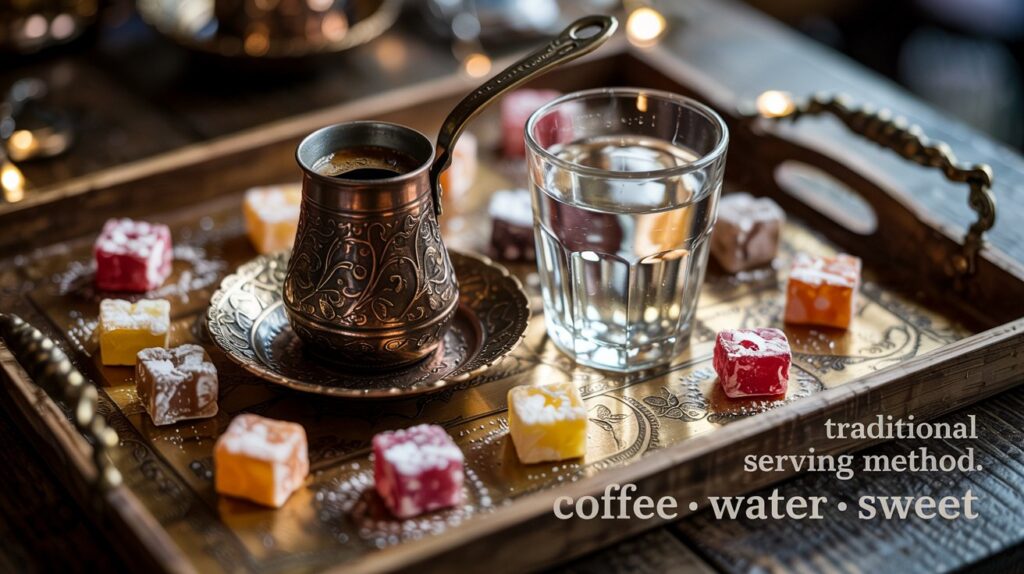
Serving guests calls for multiple small cups. Prepare enough coffee for each person to have one cup. Keep the cups warm before serving. Offer a glass of water to cleanse the palate. Turkish coffee is often served with a sweet treat. This adds to the hospitality and tradition.
Coffee Tasting Sessions
Coffee tasting requires smaller portions than usual. Serve tiny cups, about 30 ml each, to test different flavors. This size allows sampling many brews without feeling full. Use clear cups to observe the coffee’s color and texture. Encourage guests to note the aroma and taste carefully.
Common Portion Mistakes
Understanding the right portion of Turkish coffee is key to enjoying its rich taste. Many people make common mistakes that affect flavor and experience. These errors often come from not measuring correctly or ignoring cup details. Learning about these mistakes helps you serve perfect Turkish coffee every time.
Overfilling The Cup
Filling the cup too full is a frequent mistake. Turkish coffee cups are small and meant for a modest amount. Overfilling causes spills and weakens the coffee’s strong flavor. It also cools faster, making the drink less enjoyable.
Incorrect Coffee Amount
Using too much or too little coffee powder changes the taste. Too much coffee makes it bitter and harsh. Too little coffee makes it watery and bland. The right amount creates a balanced and smooth flavor.
Ignoring Cup Shape
The shape of the cup affects how the coffee tastes. Traditional Turkish coffee cups have a narrow top and wider bottom. This shape helps keep the foam and aroma inside. Using a different cup can spoil the coffee’s texture and smell.
Customizing Portions
Customizing Turkish coffee portions lets you enjoy the drink just how you like it. Small changes can change the taste and experience. Adjusting portions helps match your mood and preferences. Each cup can be unique and special.
Adjusting Strength
Control the coffee strength by changing the coffee amount. Use more coffee grounds for a stronger taste. Use less for a lighter cup. Water quantity also affects strength. Less water makes the coffee thicker and bolder. More water makes it lighter and smoother.
Adding Sugar And Spices
Add sugar before brewing to get the right sweetness. Choose from no sugar, medium, or very sweet. Spices like cardamom or cinnamon add warmth and flavor. Sprinkle a little for a mild taste. Add more for a spicy twist. These extras make each cup special and different.
Serving With Water And Sweets
Turkish coffee is often served with water. Water cleanses your palate between sips. It helps you enjoy the coffee flavor fully. Sweets like Turkish delight or nuts balance the strong coffee taste. They offer a soft, sweet contrast. This combination makes the coffee moment complete and enjoyable.
Turkish Coffee Cups And Their Sizes
Turkish coffee is more than a drink; it is a tradition served in special cups. These cups come in different sizes, each designed to enhance the coffee experience. Understanding these sizes helps enjoy the perfect cup every time.
Traditional Demitasse Cups
Traditional Turkish coffee cups are small and delicate. They usually hold about 2 to 3 ounces of coffee. These cups are called demitasse, meaning “half cup” in French. Their small size keeps the coffee hot and strong. The shape helps concentrate the aroma and flavor. This cup size is perfect for the rich and thick Turkish coffee style.
Modern Variations
Modern Turkish coffee cups come in various sizes and designs. Some hold slightly more coffee, up to 4 ounces. These larger cups suit those who want a longer coffee break. Others have unique shapes and colors to match personal style. Despite changes, the small size remains key to tradition. These cups offer a fresh look while respecting classic coffee serving.
Cup Material Impact
Cup materials affect the coffee taste and temperature. Porcelain and ceramic cups are most common. They keep coffee warm longer and do not change the taste. Glass cups show the coffee’s beautiful color but cool faster. Metal cups heat up quickly but may alter flavor. Choosing the right material helps enjoy Turkish coffee fully.
Frequently Asked Questions
What Are The Common Sizes In Turkish Coffee Cups?
Turkish coffee cups typically range from 60ml to 90ml. This small size enhances the coffee’s rich flavor and aroma. Using the right cup size ensures the authentic Turkish coffee experience.
How Does Turkish Coffee Size Affect Brewing?
The size of the cup determines the water and coffee ratio. Smaller cups require less water and coffee grounds. Proper sizing guarantees balanced taste and ideal brewing strength.
Why Is Turkish Coffee Served In Small Cups?
Small cups concentrate the coffee’s intense flavor and thick texture. Serving in small portions allows savoring the strong, rich taste slowly. It also helps control caffeine intake.
Can Turkish Coffee Size Chart Improve Coffee Consistency?
Yes, using a size chart helps measure ingredients accurately. Consistent cup sizes lead to uniform taste and quality. It’s essential for perfecting traditional Turkish coffee preparation.
Conclusion
Understanding the Turkish coffee size chart helps you enjoy the perfect cup. Each size offers a unique experience and taste. Knowing the right size makes serving easier and more enjoyable. Small or large, Turkish coffee brings warmth and tradition to your day.
Try different sizes to find what suits you best. Enjoy your coffee moments with confidence and clarity.
