
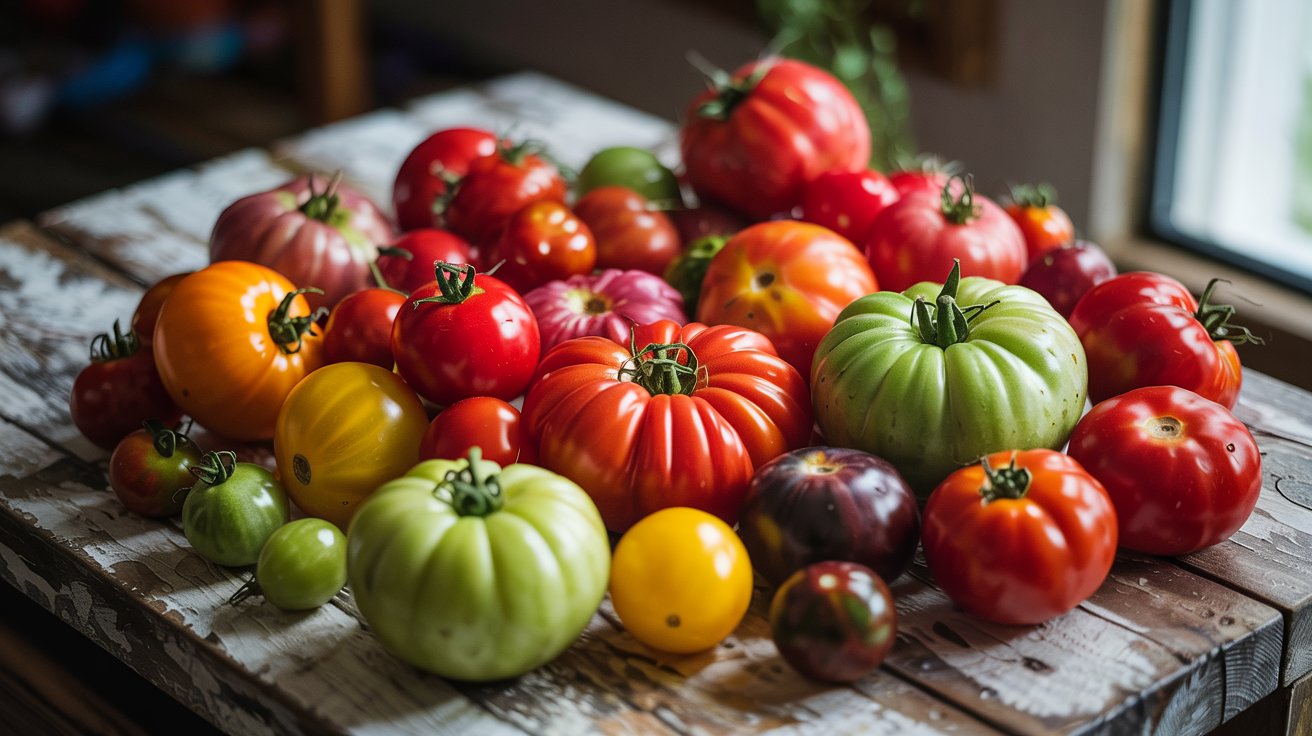
Are you struggling to figure out the right size of tomatoes for your recipes or garden? Knowing tomato sizes can make a big difference in cooking, shopping, and planting.
This Tomato Size Chart will help you quickly identify the perfect tomato for your needs. Whether you want juicy slices for a sandwich or small cherry tomatoes for a salad, understanding these sizes will save you time and improve your results.
Keep reading to discover how to choose the best tomato every time.
Tomato Size Categories
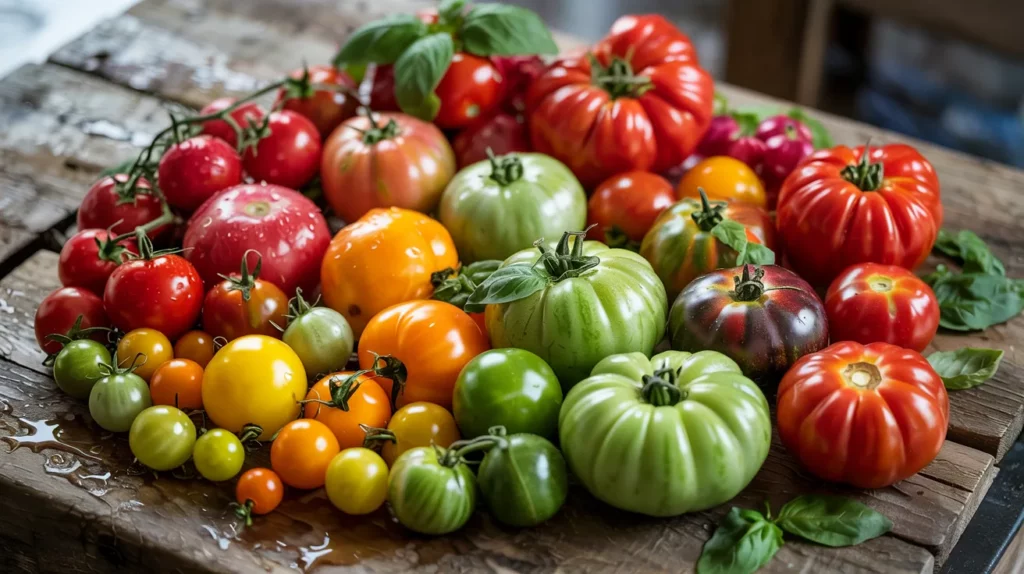
Tomatoes come in many shapes and sizes. Each type has its own size category. Knowing these helps in cooking and shopping. This guide explains common tomato size categories.
Tomato Size Chart
| Tomato Type | Average Diameter | Average Weight | Best Uses |
|---|---|---|---|
| Cherry Tomato | 1–1.25 inch | 10–20 g | Salads, snacks, garnishes |
| Grape Tomato | 1 inch (oval) | 8–15 g | Salads, roasting, snacking |
| Plum / Roma Tomato | 2–3 inches | 60–100 g | Sauces, pastes, canning |
| Heirloom Tomato | 3–5 inches | 150–300 g | Slicing, fresh eating, gourmet dishes |
| Beefsteak Tomato | 4–6 inches | 200–450 g | Sandwiches, burgers, thick slices |
Cherry Tomatoes
Cherry tomatoes are small and round. They usually fit in the palm of your hand. They taste sweet and are perfect for salads and snacks.
Grape Tomatoes
Grape tomatoes are similar to cherry tomatoes but more oval-shaped. They are slightly smaller and less juicy. Their firm texture makes them great for grilling and roasting.
Plum Tomatoes
Plum tomatoes are medium-sized and oval. They have thick flesh and fewer seeds. These tomatoes are ideal for sauces and pastes.
Beefsteak Tomatoes
Beefsteak tomatoes are large and round. They have a juicy texture and mild flavor. These are popular for sandwiches and burgers.
Heirloom Tomatoes
Heirloom tomatoes vary in size and color. They often have unique shapes and rich flavors. Many gardeners grow them for their taste and beauty.
Measuring Tomato Dimensions
Measuring tomato dimensions helps classify their size. It guides buyers, farmers, and cooks. Accurate measurements ensure the right tomato fits each need. There are three main ways to measure tomato size: diameter, weight, and volume. Each method gives a clear idea of the tomato’s size.
Understanding these methods makes choosing and using tomatoes easier. Let’s explore each technique to measure tomato dimensions.
Diameter Measurement Techniques
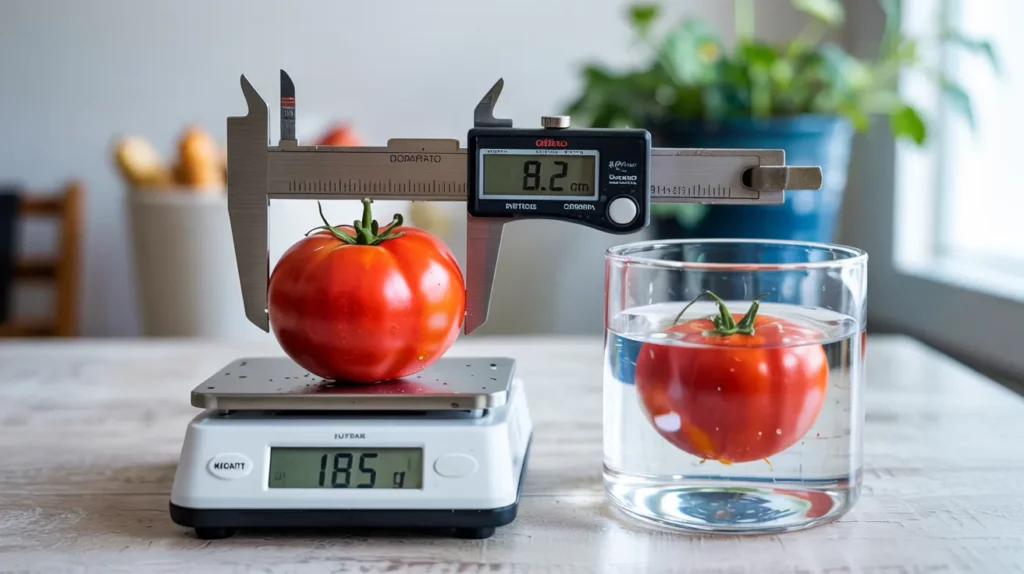
Diameter shows how wide a tomato is across its center. Use a ruler or caliper for best results. Place the tool at the tomato’s widest part. Measure straight across from one side to the other. Record the number in centimeters or inches. This is the simplest and most common size check.
Weight As A Size Indicator
Weight tells how heavy the tomato is. Use a kitchen scale for precise weight. Place the tomato gently on the scale. Note the weight in grams or ounces. Larger tomatoes usually weigh more. Weight helps when diameter does not fully show size, like in oddly shaped tomatoes.
Using Volume For Size Estimation
Volume measures the space a tomato takes up. Fill a container with water and note its level. Submerge the tomato in the water. Check the new water level. The difference shows the tomato’s volume. Volume helps with irregular shapes and gives a good size idea.
Common Tomato Size Standards
Tomatoes come in many sizes and shapes. Knowing common size standards helps in choosing the right type. Size affects cooking, selling, and gardening decisions. Here are the most used tomato size standards.
Commercial Grading Sizes
Commercial tomato sizes follow strict rules. These rules help sellers and buyers agree on quality. Sizes often depend on weight and diameter. Large tomatoes usually weigh more than 200 grams. Medium tomatoes weigh between 100 and 200 grams. Small tomatoes weigh less than 100 grams.
These standards make packing and pricing easier. Supermarkets use these grades to sort tomatoes. Customers find what they want fast. The grading also shows tomato use, like slicing or sauces.
Home Garden Size Classifications
Home gardeners use simpler size classes. They group tomatoes as small, medium, or large. Small tomatoes include cherry and grape types. Medium tomatoes are perfect for salads. Large tomatoes work well for sandwiches and cooking.
Gardeners pick sizes based on space and taste. Small tomatoes grow well in pots. Large tomatoes need more room and care. Knowing these classes helps gardeners plan better.
Factors Influencing Tomato Size
Tomato size varies widely. Many factors affect how big or small tomatoes grow. Understanding these factors helps gardeners and farmers predict tomato size better. Size influences taste, use, and market value of tomatoes. Several key elements play a role in shaping tomato size.
Varietal Differences
Different tomato varieties produce different fruit sizes. Cherry tomatoes are small and round. Beefsteak tomatoes grow much larger. Each variety has genetic traits that set its typical size. Choosing the right variety fits your size needs and recipe plans.
Growing Conditions
Sunlight, soil quality, and water impact tomato growth. Tomatoes need full sun for bigger fruit. Nutrient-rich soil supports healthy plants. Too little water shrinks tomatoes. Too much water can cause splitting. Balanced care leads to better tomato size.
Harvest Timing
Picking tomatoes at the right time affects their size. Early harvest means smaller, firmer tomatoes. Waiting longer lets fruit grow bigger. Overripe tomatoes may become soft and less firm. Timing harvest balances size and taste perfectly.
Applications Of Tomato Size Chart
The tomato size chart helps in many areas of daily life and business. It shows clear sizes of tomatoes, making tasks easier. Knowing the size helps choose the right tomato for specific needs. The chart guides cooking, packaging, and gardening decisions. It saves time and reduces waste.
Cooking And Recipe Adjustments
Tomato size affects cooking time and taste. Recipes call for certain sizes to get the best result. Using the size chart helps pick tomatoes that fit the recipe. It ensures the right amount of juice and texture. This keeps dishes consistent and tasty every time.
Packaging And Marketing
Packaging depends on tomato size for space and protection. The size chart helps pack tomatoes neatly and safely. Sellers use the chart to label and price tomatoes accurately. It helps buyers know what they get. Clear size information builds trust with customers.
Gardening And Harvest Planning
Gardeners use the size chart to plan harvest times. It shows when tomatoes reach the desired size for picking. This prevents picking too early or too late. The chart helps in choosing the right tomato varieties to grow. It supports better garden management and yields.
Tips For Selecting Tomatoes By Size
Selecting the right tomato size can improve your cooking and eating experience. Different recipes and uses need different tomato sizes. Understanding which size fits best helps you get the best taste and texture.
Tomatoes come in many sizes, from tiny cherry tomatoes to large beefsteak varieties. Each size has a specific use in cooking. This guide helps you pick the right tomato by size for fresh eating, sauces, canning, salads, and garnishes.
Choosing For Fresh Eating
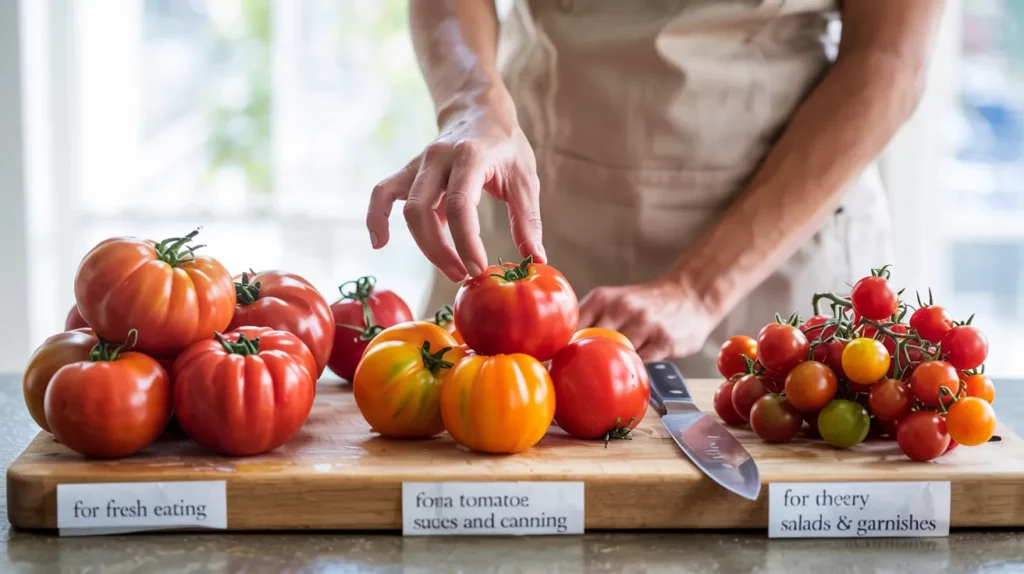
Medium to large tomatoes work best for fresh eating. They have a good balance of juice and firmness. Look for tomatoes that feel heavy for their size. Avoid ones with soft spots or cracks. These tomatoes taste sweet and juicy on their own.
Picking For Sauces And Canning
Small to medium tomatoes are ideal for sauces and canning. Roma or plum tomatoes are perfect choices. They have fewer seeds and thicker flesh. This means less water and richer sauce. Their size makes them easy to chop and cook down.
Selecting For Salads And Garnishes
Small tomatoes like cherry or grape types suit salads and garnishes. Their size adds color and bite without overwhelming other ingredients. They are easy to slice or use whole. These tomatoes stay firm and fresh longer on the plate.
Frequently Asked Questions
What Are The Common Tomato Size Categories?
Tomato sizes range from cherry (smallest) to beefsteak (largest). Sizes include cherry, grape, plum, Roma, and beefsteak tomatoes. Each size suits different culinary uses and recipes.
How To Measure A Tomato’s Size Correctly?
Measure tomato diameter across the widest part using a ruler or caliper. Weight can also determine size category for accuracy. Proper measurement helps in selecting the right tomato for cooking.
Why Is Tomato Size Important In Cooking?
Tomato size affects texture, flavor, and cooking time. Smaller tomatoes are sweeter and better for salads. Larger tomatoes work well for slicing and cooking sauces.
What Is The Average Weight Of Each Tomato Size?
Cherry tomatoes weigh about 10-20 grams. Medium tomatoes weigh 100-150 grams. Beefsteak tomatoes can weigh up to 300 grams or more. Weight guides portion control and recipe adjustments.
Conclusion
Tomato sizes vary and knowing them helps in cooking and shopping. Small tomatoes suit salads and snacks. Medium ones work well for sandwiches and sauces. Large tomatoes are perfect for stuffing or slicing. Use this chart to pick the right tomato size every time.
It makes your meals tastier and easier to prepare. Keep this guide handy for quick tomato choices. Simple and clear, it helps you enjoy tomatoes in many dishes.
