
Are you struggling to get the perfect suet pastry every time? Whether you’re baking a classic pie or a hearty pudding, the size of your pastry can make all the difference.
Knowing the right suet pastry size helps you avoid common baking problems like soggy bottoms or uneven cooking. In this guide, you’ll discover an easy-to-follow suet pastry size chart that takes the guesswork out of your baking. Keep reading to find the ideal measurements for your next delicious creation and impress everyone with flawless results.
Suet Pastry Basics
Understanding suet pastry basics helps with making perfect pies. Suet pastry is a traditional dough used in many savory and sweet dishes. Its unique texture and flavor make it special. This section explains what suet pastry is and why it suits pies well.
What Is Suet Pastry
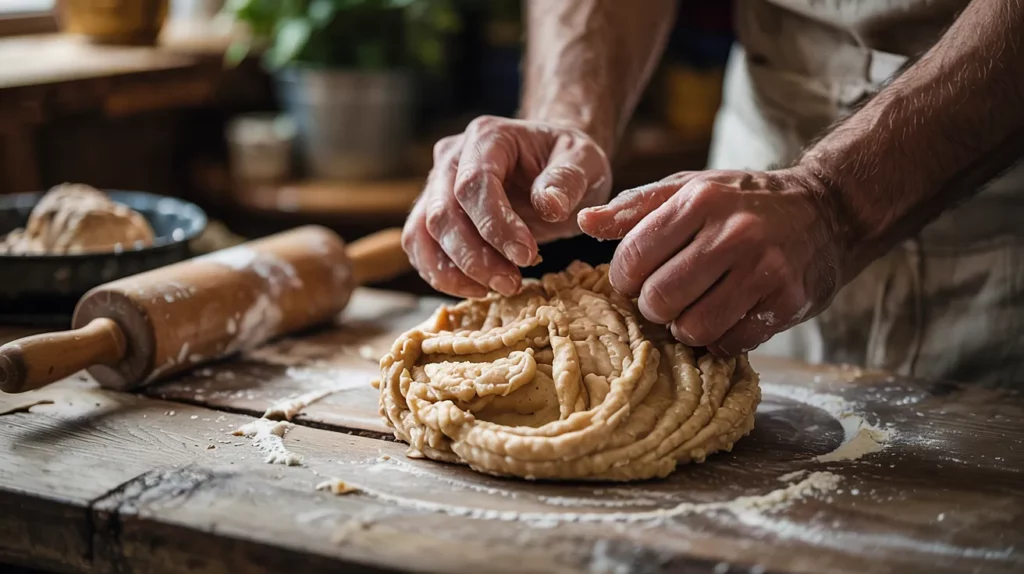
Suet pastry uses suet, a type of hard fat from around animal kidneys. It is mixed with flour and water to form dough. This pastry is different from butter or lard pastries. It stays light and crumbly after cooking. Suet also melts during baking, adding moisture and flavor.
Why Choose Suet For Pies
Suet pastry keeps pies moist and soft inside. It creates a tender crust that holds fillings well. The fat in suet gives a rich taste to pies. It also helps the dough cook evenly. Suet pastry works best for steamed or boiled pies. It does not become soggy like other pastries.
Common Pie Sizes
Suet pastry pies come in many sizes. Knowing common pie sizes helps with baking and serving. Pies can be big for sharing or small for one person. Choosing the right size affects cooking time and portion control.
Below are the typical sizes you will find in suet pastry pies. These sizes guide you to pick the best fit for your needs.
? Suet Pastry Size Chart
| Pie / Pastry Type | Dish Size (Diameter) | Recommended Pastry Thickness | Dough Weight Needed | Best For |
|---|---|---|---|---|
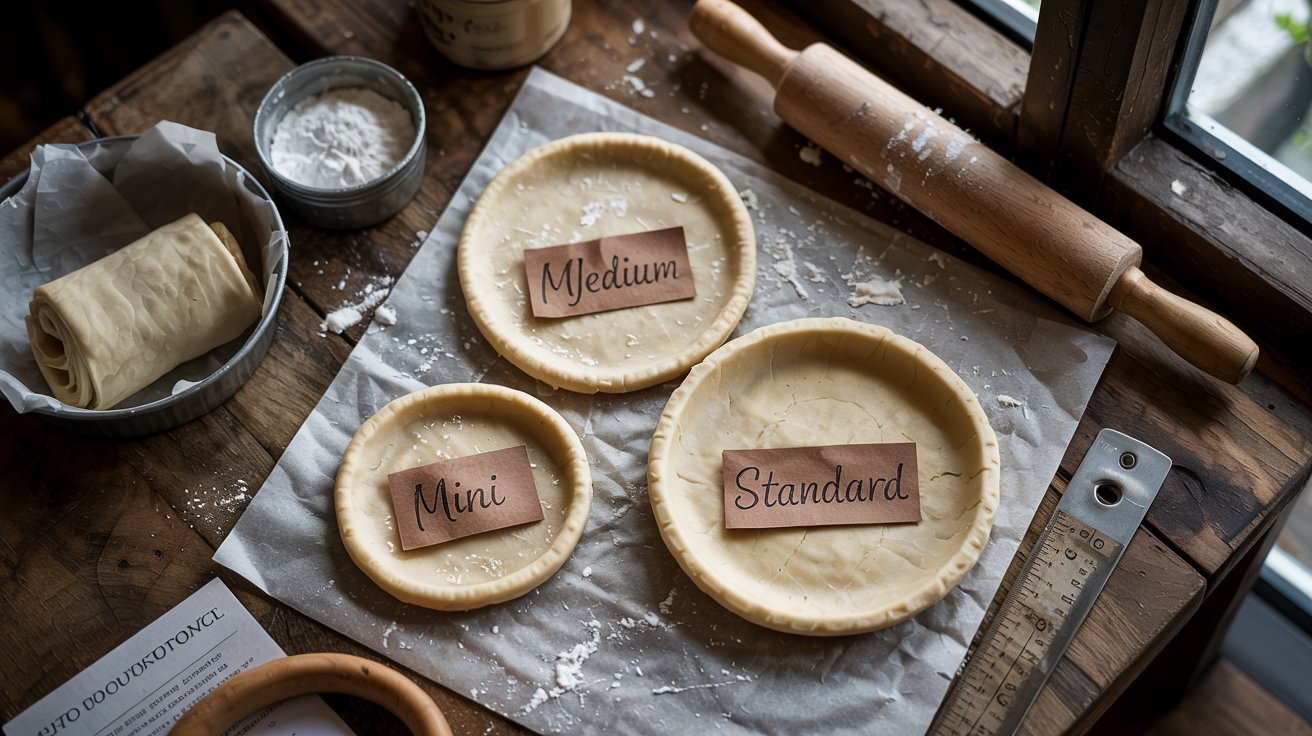
| Mini Pie | 3–5 inches (8–12 cm) | 2–3 mm | 60–90 g | Snacks, single servings, variety platters |
| Standard Pie | 8–9 inches (20–23 cm) | 3–4 mm | 150–220 g | Family meals, classic meat pies |
| Large Pie | 10 inches (25 cm) | 4–5 mm | 250–320 g | Parties, large servings |
| Deep-Dish Pie | 8–9 inches (deep tin) | 4–5 mm | 220–280 g | Meat-filled pies, rich puddings |
| Suet Pudding (Steamed) | 1-liter basin | 4–5 mm | 250–300 g | Steamed puddings, traditional recipes |
Standard Pie Dimensions
Standard pies usually measure 9 inches in diameter. This size serves 6 to 8 people. It fits most pie dishes and ovens well. The crust thickness is about 1/4 inch for a balanced bite. Standard pies work for family meals and parties.
Some recipes may call for 8 or 10-inch pies. The 8-inch pie serves 4 to 6 people. The 10-inch pie can serve 8 to 10 people. Adjust baking times slightly for these sizes.
Mini And Individual Portions
Mini suet pastry pies range from 3 to 5 inches. These small pies serve one person each. Perfect for snacks or dessert servings. They bake faster than standard pies. Mini pies allow for variety in flavors at gatherings.
Individual pies give control over portion size. They help with diet and reduce waste. Use small pie tins or ramekins for these sizes. They are easy to store and reheat too.
Pastry Size Chart
A pastry size chart helps bakers choose the right size of suet pastry for their dishes. It shows clear measurements for thickness, diameter, weight, and quantity. This guide makes baking easier and more precise. Following a size chart avoids waste and ensures perfect results every time.
Understanding the size chart saves time and effort. It helps with planning and preparing suet pastry for pies, tarts, and other recipes. This way, the pastry fits well and cooks evenly.
Pastry Thickness And Diameter
Pastry thickness usually ranges from 2mm to 5mm. Thin pastry cooks faster and is crispier. Thicker pastry is softer and holds fillings better. Diameter depends on the dish size. Common sizes include 15cm, 20cm, and 25cm. Choose diameter based on the pie or tart pan.
Weight And Quantity Guidelines
Weight helps measure the right amount of pastry needed. For a 20cm pie, use about 150g to 200g of pastry. Larger pies need more pastry, smaller pies need less. Quantity also depends on the recipe and filling amount. Following weight guidelines reduces leftover pastry and waste.
Measuring For Perfect Pies
Getting the size of your suet pastry just right makes a big difference. Too small, and the filling spills out. Too large, and the crust is thick and doughy. Careful measuring helps you bake pies that look good and taste great. It also saves ingredients and time.
Knowing how to measure pastry size is key. Different pies need different sizes. Using the right tools and adjusting the sizes helps you get perfect results every time.
Tools For Accurate Measurement
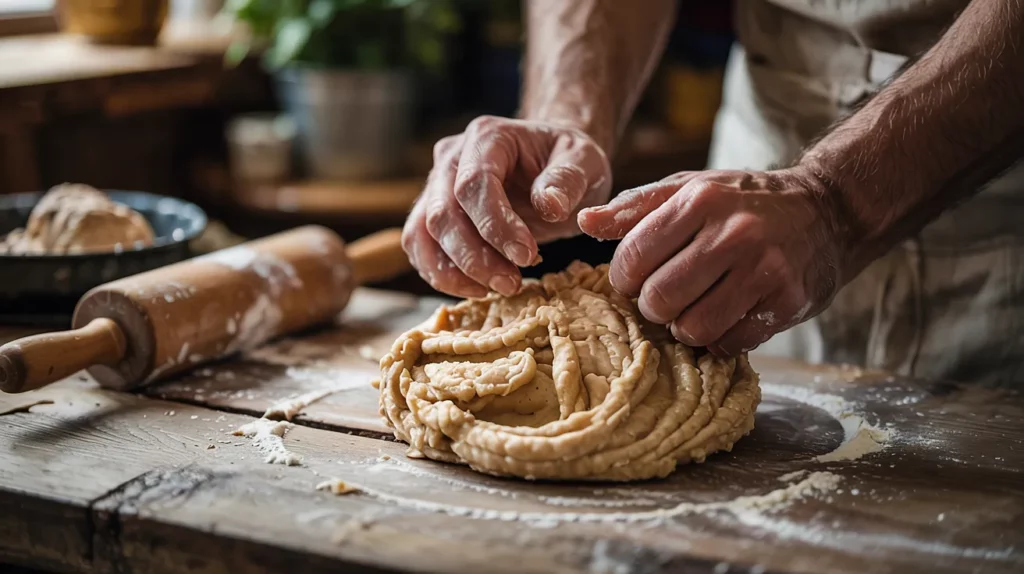
A ruler or measuring tape works well for pie sizes. You can measure the diameter of your pie dish easily. Use a flexible tape for round dishes to get exact numbers. Mark your suet pastry with a knife or a pastry wheel for clean edges.
A scale helps if you want to weigh the dough. Weighing gives consistent results for all pies. A pie size chart can guide you on how much pastry to use for each dish size.
Adjusting Sizes For Different Pies
Different pies need different pastry sizes. Deep-dish pies require more pastry than shallow ones. Add extra dough for tall sides and edges. Fruit pies with lots of filling might need a thicker crust.
For small tarts, use less dough and smaller circles. For large family pies, cut larger pieces of pastry. Adjust the size based on the pie pan and filling type. This keeps the pie balanced and tasty.
Tips For Handling Suet Pastry
Handling suet pastry needs care and simple tricks. This type of pastry has unique qualities. It can be tricky to work with, but the results are worth it. Follow these tips to make your suet pastry perfect every time.
Preventing Shrinkage
Keep the suet pastry cold before baking. Warm pastry shrinks more in the oven. Roll it gently to the right size. Avoid stretching the dough too much. Use a fork to prick the base. This helps steam escape, stopping shrinkage.
Achieving Flaky Texture
Use cold suet and cold water for the dough. Mix the ingredients lightly and quickly. Overworking makes the pastry tough. Chill the dough before rolling. This helps layers stay separate and flaky. Bake at the right temperature for a crisp finish.
Troubleshooting Common Issues
Suet pastry is a classic choice for many recipes. Sometimes, problems arise during preparation. This section covers common issues and quick fixes. Understanding these tips helps improve your baking results.
Avoiding Soggy Bottoms
Soggy bottoms spoil the texture of your pastry. To prevent this, preheat your oven properly. Use a baking tray to help crisp the base. Avoid overfilling the pastry with wet ingredients. Adding a layer of breadcrumbs or dry oats can absorb moisture. Also, bake the pastry longer at a lower temperature for even cooking.
Fixing Overly Thick Or Thin Pastry
Thickness affects the pastry’s taste and texture. If the pastry is too thick, it may taste heavy and doughy. Roll it out gently using a floured surface. Thin pastry can break easily and leak filling. To fix thin spots, patch with extra dough and seal edges well. Keep the dough chilled before rolling to control thickness better.
Recipes Using Suet Pastry
Suet pastry is a rich and traditional dough used in many recipes. It creates a soft, crumbly texture perfect for both savory and sweet dishes. Knowing how to use suet pastry opens up many delicious cooking options.
This section explores popular recipes that use suet pastry. These dishes highlight its unique qualities and show how versatile it can be in the kitchen.
Classic Meat Pies
Suet pastry makes meat pies tender and flavorful. It holds moisture well, keeping the filling juicy. Common fillings include minced beef, lamb, or chicken mixed with vegetables. The pastry crisps on the outside while staying soft inside. These pies are filling and great for family meals or picnics.
Sweet Pie Variations
Sweet pies with suet pastry have a lovely crumbly texture. Fruit fillings like apples, berries, and raisins work well. Adding a sprinkle of sugar on top gives a nice crunch. These pies often taste best warm with cream or custard. Suet pastry balances sweetness with its rich, buttery flavor.
Frequently Asked Questions
What Is A Suet Pastry Size Chart?
A suet pastry size chart shows the ideal pastry dimensions for various recipes. It helps bakers choose correct pastry thickness and diameter for perfect cooking and texture.
How To Use A Suet Pastry Size Chart?
Use the chart to measure pastry diameter and thickness before baking. Match your recipe’s filling quantity and tin size for best results.
Why Is Suet Pastry Size Important?
Correct pastry size ensures even cooking and prevents sogginess. It balances pastry thickness and filling amount for optimal taste and texture.
Can I Adjust Suet Pastry Size For Different Pies?
Yes, adjust pastry size based on pie diameter and filling volume. Use the chart to scale pastry thickness and diameter accurately.
Conclusion
Knowing the right suet pastry size helps your baking turn out great. Use the chart to pick the best size for your dish. This saves time and avoids waste. Baking becomes easier and more fun with the right measurements. Keep this chart handy for your next suet pastry recipe.
Baking with confidence starts with good preparation. Enjoy your cooking and tasty results every time.
