
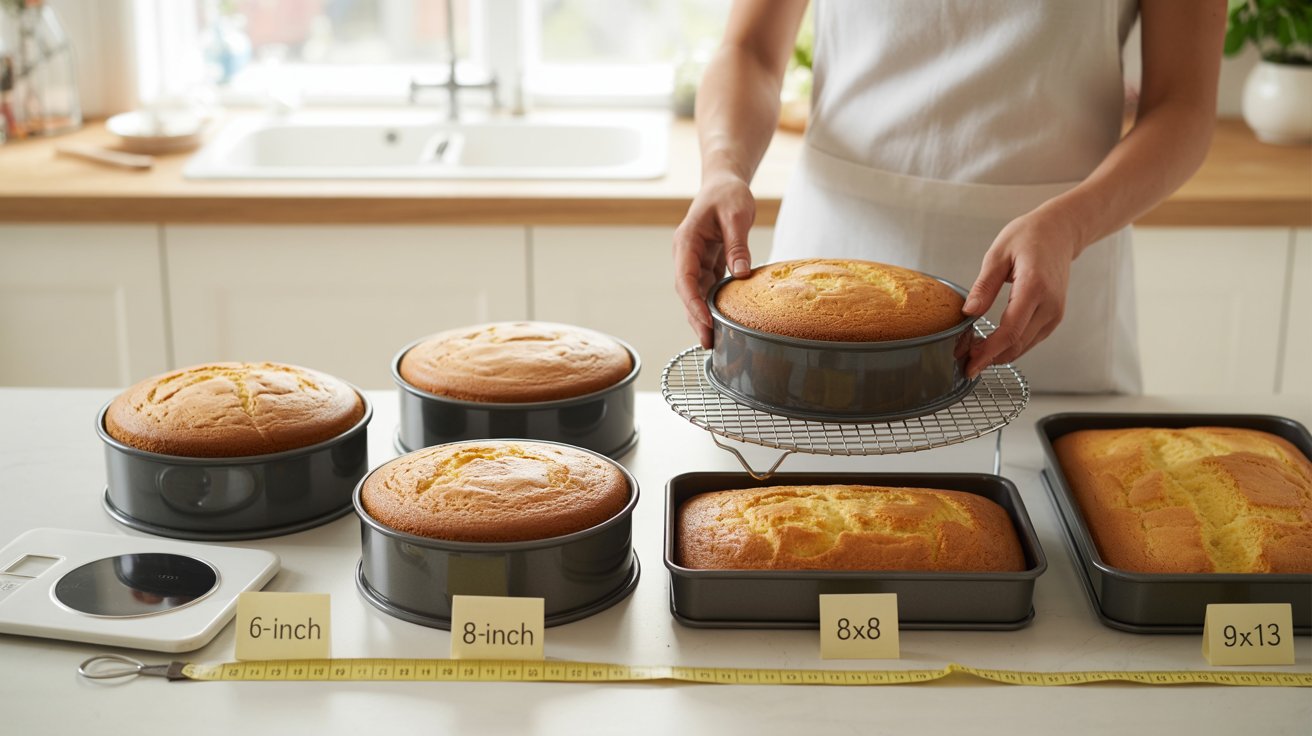
Are you planning to bake a sponge cake but unsure about the right size to choose? Whether you’re preparing for a small family dessert or a big celebration, knowing the perfect sponge cake size can save you time and avoid waste.
This Sponge Cake Size Chart will help you pick the ideal dimensions for your baking needs. Keep reading, and you’ll discover how to match cake sizes with your guest list, serving portions, and baking pans—making your next cake both beautiful and just right.
Choosing The Right Pan Size
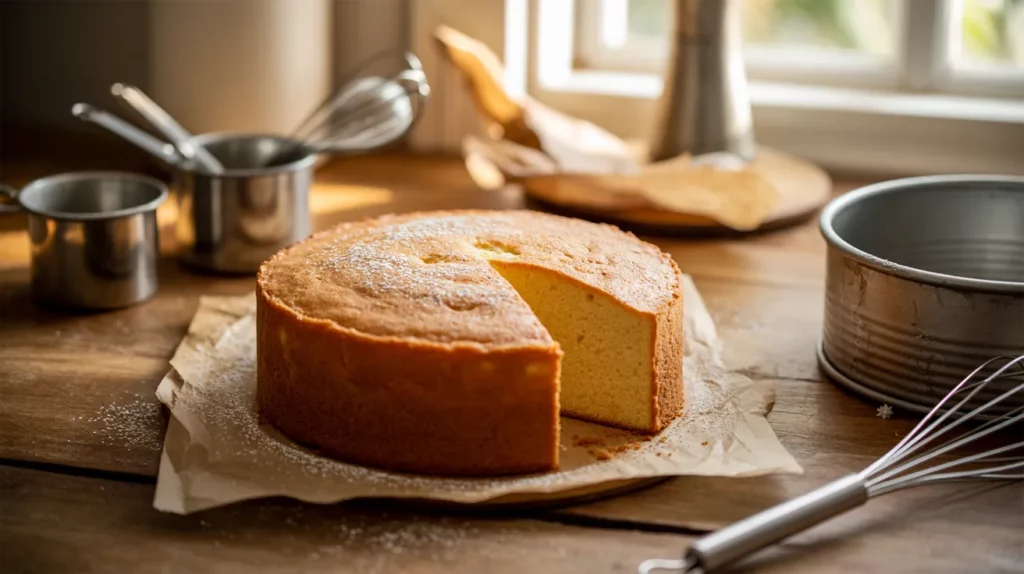
Choosing the right pan size is key for a perfect sponge cake. The size affects the cake’s shape, texture, and baking time. Using the wrong pan can cause uneven baking or a dry cake. Understanding pan sizes helps you bake with confidence and get great results every time.
? Sponge Cake Size Chart
| Cake Size | Pan Type | Servings | Best Use |
|---|---|---|---|
| 6-inch | Round | 6–8 servings | Small family dessert |
| 8-inch | Round | 10–12 servings | Birthdays, medium gatherings |
| 9-inch | Round | 12–16 servings | Parties, celebrations |
| 9×13 inch | Sheet | 20–24 servings | Large groups |
| 10-inch | Round | 18–22 servings | Big events, layered cakes |
Common Pan Dimensions
Round pans come in sizes like 6, 8, and 9 inches. Square pans usually measure 8 or 9 inches on each side. Tube pans range from 8 to 10 inches in diameter. Sheet pans are often 9×13 inches or larger. Knowing these sizes helps you pick the right pan for your recipe.
Impact On Baking Time
Smaller pans bake faster because the batter is thicker. Larger pans need more time since the batter spreads thin. A deep pan requires longer baking than a shallow one. Watch the cake closely to avoid overbaking or underbaking. Adjust the time based on your pan’s size.
Adjusting Recipes For Different Sizes
Use more batter for bigger pans to keep the cake thick. For smaller pans, reduce the recipe or expect a thinner cake. Baking temperature usually stays the same. Change the baking time instead. Test with a toothpick to check if the cake is done.
Measuring Ingredients Accurately
Measuring ingredients accurately is key to baking a perfect sponge cake. Small errors can change the texture and taste. Following the right measurements helps you get consistent results every time. Understanding how to measure can improve your baking skills quickly.
Precision matters, especially when using a sponge cake size chart. Knowing the exact amount of each ingredient ensures your cake rises well and stays moist. Let’s explore the basics of measuring ingredients correctly.
Weight Vs Volume
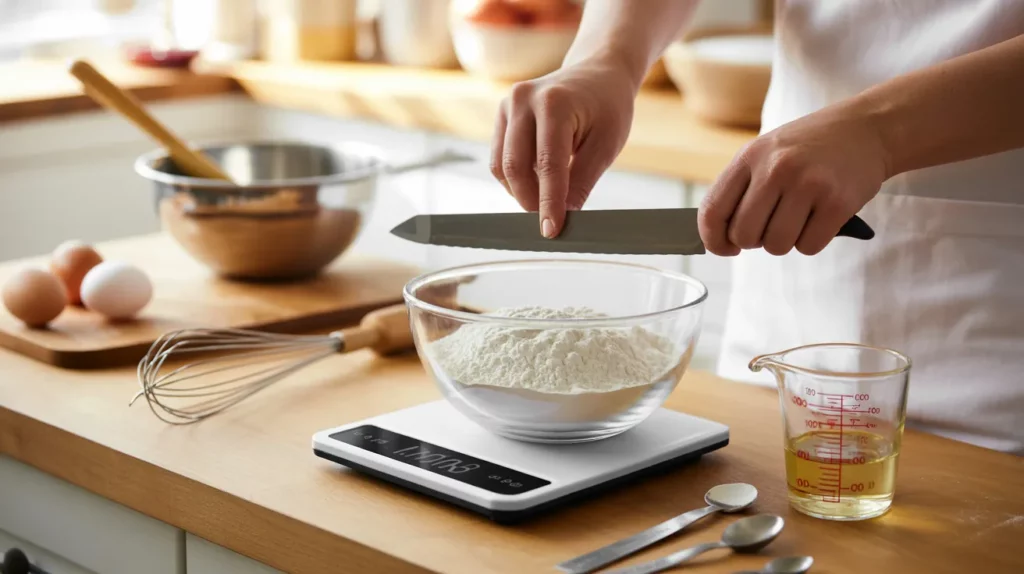
Weight measures how heavy an ingredient is. Volume measures how much space it takes. Weight is more accurate for baking. Flour can be packed differently, changing its volume but not its weight. Using a kitchen scale gives exact amounts. Volume tools like cups and spoons are easier but less precise.
Tools For Precision
A digital kitchen scale is the best tool. It shows grams or ounces clearly. Measuring cups and spoons work for liquids and small amounts. Use dry measuring cups for flour and sugar. Liquid measuring cups have a spout for easy pouring. Having the right tools helps avoid guesswork.
Scaling Ingredients
Scaling means changing ingredient amounts for different cake sizes. Use a sponge cake size chart for guidance. Multiply or divide the ingredients based on the cake pan size. Keep the ratios the same to keep the texture right. Accurate scaling prevents dry or soggy cakes.
Baking Time And Temperature Tips
Baking sponge cakes requires careful attention to time and temperature. These two factors affect the cake’s texture and rise. Getting them right ensures a soft, fluffy sponge every time.
Different sponge cake sizes need different baking times and temperatures. Small cakes bake faster, while larger ones need more time. Knowing how to adjust can save your cake from being undercooked or dry.
Standard Baking Times
Most sponge cakes bake between 20 to 35 minutes. A 6-inch cake usually takes about 25 minutes. An 8-inch cake needs around 30 minutes. Larger cakes, like 9 or 10 inches, can take 35 minutes or more. Always check the cake a few minutes before the time ends.
Temperature Adjustments By Size
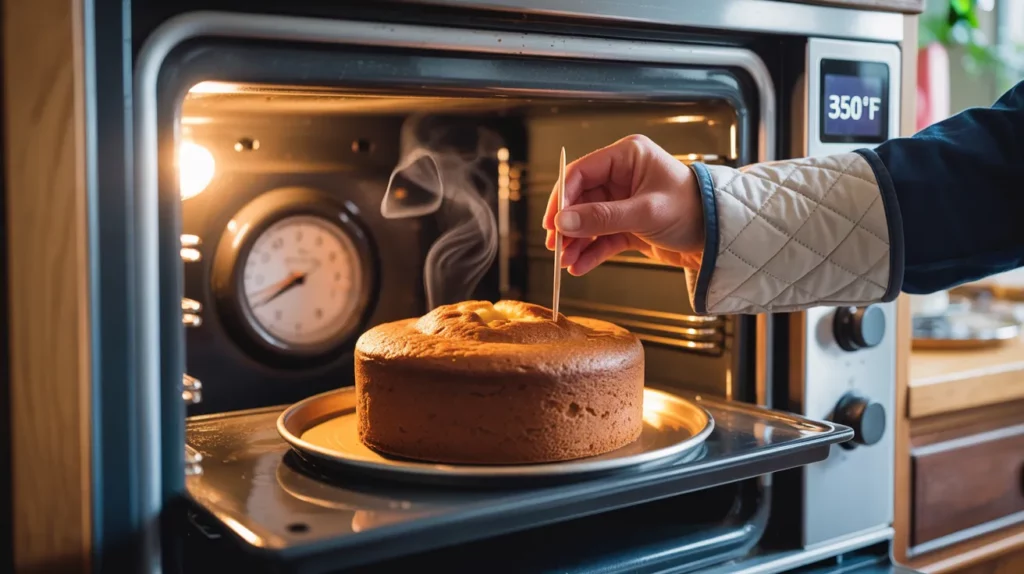
Standard baking temperature is 350°F (175°C). For smaller cakes, lower the heat to 325°F (163°C). This prevents burning the edges. Bigger cakes need a steady 350°F (175°C) for even cooking. Use an oven thermometer to check your oven’s real temperature.
Signs Of Perfectly Baked Sponge
The cake should look golden brown on top. It springs back when you press lightly with a finger. A toothpick inserted in the center comes out clean. The edges pull slightly away from the pan. These signs show your sponge is baked just right.
Troubleshooting Size-related Issues
Size problems often cause common sponge cake baking issues. These problems affect cake shape, texture, and taste. Understanding these troubles helps fix them fast. This section explains how to handle size-related baking problems for better cakes.
Sinking Or Overcooked Cakes
Sinking cakes happen if the pan is too big. The batter spreads too thin and cooks too fast. The center may sink because it is not fully cooked. Using a smaller pan keeps the batter thick enough.
Overcooked cakes occur when the pan is too small. The batter is too deep and bakes unevenly. The outside may burn while the inside stays wet. Choosing the right pan size helps bake evenly.
Uneven Baking Problems
Uneven baking often results from wrong pan size or shape. Thin layers cook quickly, thick layers take longer. This difference causes uneven texture and color. Use pans that match the recipe size exactly.
Oven heat also affects even baking. Hot spots in the oven cause some parts to bake faster. Rotate the pan halfway through baking for better heat distribution.
Texture Variations
Texture changes happen when batter thickness varies. Thin batter makes a dry, crumbly cake. Thick batter can be dense and heavy. Follow the size chart to keep batter volume right.
Too large or small pans change baking times, affecting texture. Always adjust baking time if using different pan sizes. A toothpick test helps check cake doneness and texture.
Customizing Sponge Cake Sizes
Customizing sponge cake sizes lets you fit any occasion or preference. You can choose the right size to serve few or many guests. Adjusting cake dimensions helps control portions and presentation. This flexibility makes sponge cakes perfect for birthdays, weddings, or casual treats.
Layered Cake Dimensions
Layered sponge cakes often have standard sizes. Common diameters include 6, 8, and 10 inches. Each layer usually measures 1.5 to 2 inches high. You can stack multiple layers for taller cakes. Keep layer thickness even for better taste and texture.
Mini And Sheet Cake Options
Mini sponge cakes are great for individual servings. Sizes often range from 2 to 4 inches. Sheet cakes come in rectangular or square pans. Popular sheet sizes include quarter, half, and full sheets. These options work well for large groups and easy cutting.
Creative Shape Ideas
Sponge cakes do not have to be round. Try heart, star, or square shapes for unique designs. Using shaped pans or molds can add fun elements. You can also cut larger cakes into custom shapes. This approach personalizes cakes for special events.
Storing And Serving Tips
Storing and serving sponge cake correctly keeps it fresh and tasty. Different sizes need different care. Proper storage keeps the cake moist. Serving the right portion helps avoid waste and ensures everyone enjoys it.
Shelf Life By Size
Smaller sponge cakes usually stay fresh for 2 to 3 days at room temperature. Larger cakes can last up to 5 days if stored well. Refrigeration extends shelf life to about a week for all sizes. Freezing works best for cakes you want to keep longer than a week.
Best Storage Methods
Wrap sponge cakes tightly in plastic wrap to keep air out. Place wrapped cake in an airtight container. Keep the cake away from strong odors in the fridge. For freezing, wrap the cake in plastic and then in foil. Thaw frozen cakes slowly in the fridge for best texture.
Serving Portions
Cut small cakes into 6 to 8 slices. Medium cakes serve 10 to 12 portions. Large cakes give 16 to 20 servings. Use a sharp knife for clean slices. Serve with fresh fruit or light cream to add flavor without heaviness.
Frequently Asked Questions
What Are The Common Sponge Cake Sizes?
Common sponge cake sizes include 6-inch, 8-inch, 9-inch, and 10-inch round pans. Square and rectangular pans vary from 8×8 to 9×13 inches. These sizes affect baking time and serving portions, helping you plan for small gatherings or large parties efficiently.
How Do Sponge Cake Sizes Affect Baking Time?
Smaller sponge cakes bake faster due to less batter depth. Larger cakes require longer baking to cook evenly. Adjust baking times according to pan size to avoid undercooked or overbaked cakes, ensuring a perfect sponge texture every time.
What Size Sponge Cake Serves 10 People?
An 8-inch round sponge cake typically serves 10 people. It provides enough slices without excess leftovers. This size balances portion control with convenience, making it ideal for medium-sized celebrations or family gatherings.
Can I Use Different Pan Shapes For Sponge Cakes?
Yes, sponge cakes can be baked in round, square, or rectangular pans. Adjust baking time based on the pan’s depth and size. Shape choice depends on presentation preference and the number of servings needed.
Conclusion
Knowing the right sponge cake size makes baking easier and more fun. It helps you plan servings and avoid waste. Choose the size that fits your recipe and guest number. Keep this chart handy for quick reference. Baking with the right size brings better results every time.
Happy baking!
