

Are you tired of guessing the right size when making shortcrust pastry? Getting the size just right can make all the difference between a perfect pie and a baking disaster.
Whether you’re preparing a small tart or a large quiche, knowing the exact measurements saves you time, reduces waste, and ensures your pastry fits perfectly every time. This Shortcrust Pastry Size Chart is designed with you in mind—clear, simple, and ready to help you bake with confidence.
Keep reading, and you’ll never have to worry about pastry sizes again!
Choosing Pastry Sizes
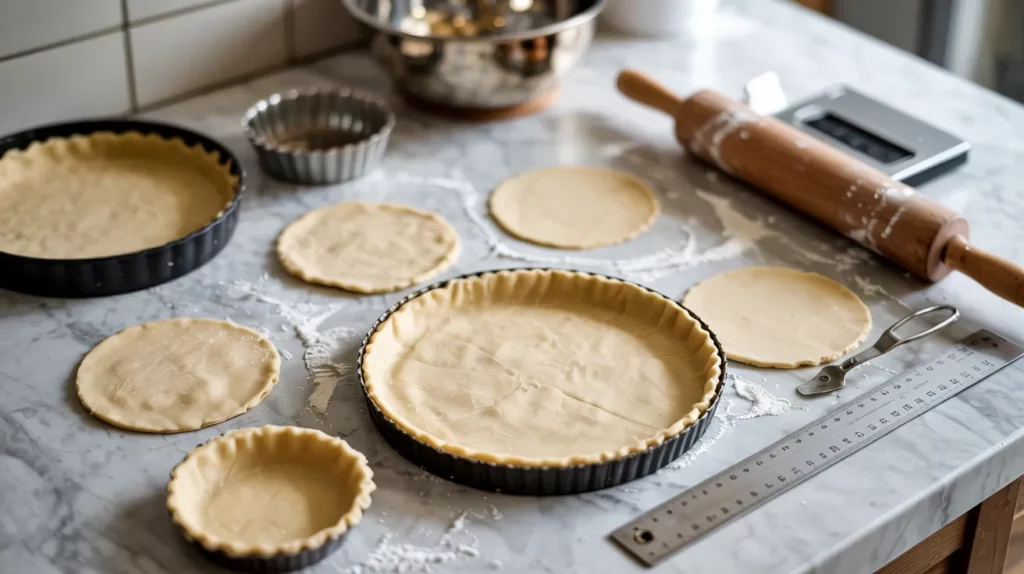
Choosing the right pastry size matters for any baking project. It affects cooking time and the final look of your pie or tart. Knowing common sizes helps you pick the best fit for your recipe. This guide explains standard sizes for different types of shortcrust pastry dishes.
Standard Pie Pan Dimensions
Most pies use pans between 8 and 9 inches wide. These pans hold about 4 to 6 cups of filling. A 9-inch pan is common for fruit pies and quiches. The shallow depth helps the crust bake evenly and crisp.
? Shortcrust Pastry Size Chart
| Pan / Dish Type | Standard Size | Dough Weight Needed | Ideal Dough Thickness | Notes |
|---|---|---|---|---|
| Small Tartlet | 3–4 inches | 40–60 g | 3–4 mm | Perfect for mini desserts & snacks |
| Standard Pie Pan | 8 inches | 200–220 g | 3–4 mm | Great for small fruit pies |
| Standard Pie Pan | 9 inches | 230–260 g | 3–5 mm | Most common for family pies & quiches |
| Deep-Dish Pie | 9–10 inches | 300–350 g | 4–5 mm | Holds 6–8 cups of filling |
| Tart Pan (Shallow) | 10 inches | 220–250 g | 3 mm | Crispy, thin crust for custard tarts |
| Rectangular Tart Pan | 11×7 inches | 250–300 g | 3–4 mm | Ideal for bars & elegant presentations |
Mini And Tartlet Sizes
Mini pies and tartlets usually measure 3 to 4 inches across. These small sizes suit single servings and appetizers. They bake faster and have a higher crust-to-filling ratio. Perfect for parties or snack-sized treats.
Deep Dish Variations
Deep dish pans range from 9 to 10 inches wide but are taller than standard pans. They hold more filling, about 6 to 8 cups. These are ideal for thick, hearty pies. The extra depth changes baking time and crust texture.
Measuring Dough Quantities
Measuring dough quantities is important for making perfect shortcrust pastry. Too much dough can make the crust thick and heavy. Too little dough can cause holes or cracks. Knowing the right amount helps create a balanced and even crust.
Different pan sizes need different dough weights. The thickness of the dough also affects the texture of the pastry. Fillings with more moisture might need adjustments in dough amount. Understanding these factors ensures a great result every time.
Dough Weight By Pan Size
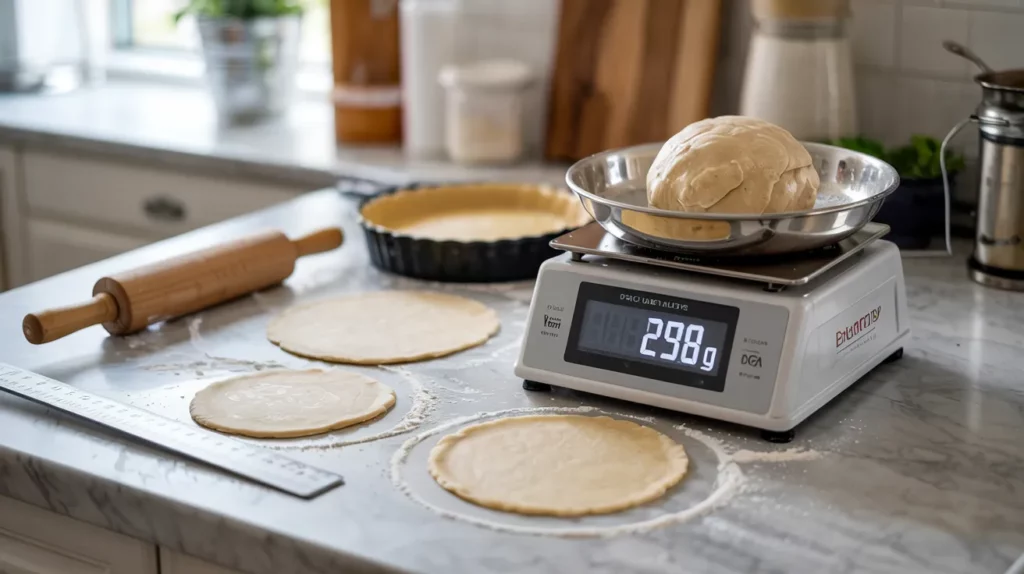
Each pan size requires a specific dough weight. For example, a 9-inch round pan usually needs about 250 grams of dough. A smaller 6-inch pan might need only 150 grams. Measuring dough by weight is more accurate than by volume.
Use a kitchen scale for best results. This keeps the dough thickness even. It also prevents over or under stretching the pastry. Accurate dough weight helps avoid burning or undercooking.
Thickness And Texture Tips
Shortcrust pastry works best at a thickness of 3 to 5 millimeters. Thicker dough can taste heavy and chewy. Thinner dough can break easily. Roll the dough evenly to get a smooth surface.
For a crisp texture, chill the dough before baking. This stops the fat from melting too fast. Use a fork to prick holes in the base. This prevents air bubbles and keeps the crust flat.
Adjusting For Filling Types
Wet fillings need a sturdier pastry. Add a little more dough for these pies. This helps hold the filling without leaking. Dry fillings need less dough to avoid a thick crust.
For fruit pies, brush the base with egg wash. This creates a barrier to stop sogginess. For creamy fillings, use thinner dough to balance the texture. Adjust dough quantities to match the filling’s moisture.
Cutting And Shaping Tips
Cutting and shaping shortcrust pastry is key for perfect pies and tarts. It affects the look and bake of your crust. Simple tips help you get even, neat shapes every time.
Rolling Out Evenly
Roll the dough on a flat, floured surface. Use light, even pressure. Turn the dough often for a round shape. Check thickness with your fingers or a ruler. Aim for a uniform thickness to avoid uneven baking.
Trimming Edges
Trim edges using a sharp knife or pastry wheel. Cut just outside your pie dish rim. Keep edges clean and smooth for a neat finish. Save trimmings to patch holes or make decorations.
Creating Decorative Crusts
Pinch edges with fingers for a rustic look. Use a fork to press patterns around the edge. Cut shapes with small cookie cutters from extra dough. Place them on top for extra charm and texture.
Baking Time And Temperature
Baking shortcrust pastry correctly needs careful control of time and temperature. Getting these right ensures a crisp, golden crust without burning or undercooking. Each pastry size may need slight changes in oven settings. Understanding the best baking times and temperatures helps produce perfect results every time.
Optimal Oven Settings
Set the oven between 350°F and 375°F (175°C to 190°C) for most shortcrust pastries. This range cooks the pastry evenly and browns it nicely. Larger pastries might need a lower temperature and longer time. Smaller ones bake faster at a slightly higher heat. Preheat the oven fully before placing the pastry inside.
Blind Baking Guidelines
Blind baking means baking the pastry without filling. This step keeps the crust crisp. Use baking weights or dried beans to stop the pastry from puffing. Bake for 15-20 minutes at 375°F (190°C). Remove the weights and bake for 5-10 more minutes until golden. This process is important for wet fillings that need no baking.
Signs Of Perfectly Baked Pastry
The crust should be golden and firm to touch. It must feel dry, not soft or doughy inside. The edges should be slightly darker but not burnt. A well-baked pastry lifts easily from the tin. The bottom is cooked through and not soggy. These signs show your pastry is ready for filling or serving.
Troubleshooting Common Issues
Shortcrust pastry is a favorite for many baked dishes. Yet, baking it perfectly can be tricky. Common issues often arise, making the pastry less enjoyable. Knowing how to fix these problems helps you bake better every time.
Soggy Bottoms
Soggy bottoms happen when the pastry is underbaked or filled with wet ingredients. To avoid this, blind bake the crust before adding fillings. Use pie weights or dried beans to keep the dough flat. Also, brush the crust with egg white to create a moisture barrier.
Shrinking Crusts
Crusts shrink if the dough is stretched too much or warmed before baking. Chill the dough for at least 30 minutes before rolling. Roll gently and avoid pulling the dough to fit the pan. Use a proper size from the shortcrust pastry size chart for a better fit.
Cracks And Breaks
Cracks appear if the dough is too dry or rolled too thin. Add a little cold water to bring the dough together. Roll the dough evenly and avoid overworking it. Patch small cracks with extra dough before baking to keep the crust intact.
Customizing For Special Diets
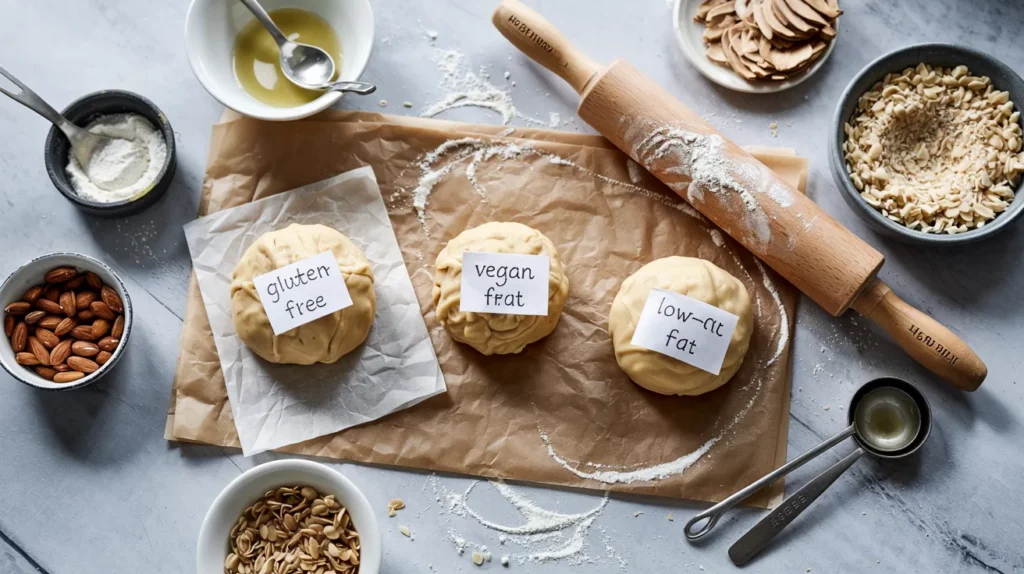
Customizing shortcrust pastry for special diets means making smart ingredient swaps. This helps everyone enjoy tasty pies and tarts without worry. Simple changes keep the pastry delicious and suitable for different needs.
Gluten-free Options
Use gluten-free flour blends instead of regular wheat flour. Rice flour, almond flour, or oat flour work well. Add xanthan gum to help the dough hold together. Chill the dough longer for better texture. Gluten-free pastry may be more delicate, so handle gently.
Vegan Pastry Adjustments
Replace butter with plant-based margarine or coconut oil. Use cold oils for a flaky texture. Swap eggs for flaxseed meal mixed with water or applesauce. These bind ingredients and add moisture. Keep the dough cool to avoid melting the vegan fat.
Low-fat Variations
Reduce fat by using low-fat spreads or yogurt. Substitute part of the butter with mashed vegetables like pumpkin or sweet potato. These add moisture and keep the dough soft. Avoid overworking the dough to maintain flakiness with less fat.
Frequently Asked Questions
What Are The Common Shortcrust Pastry Sizes?
Shortcrust pastry sizes range from 8 to 12 inches for pies and tarts. Sizes depend on recipe needs and dish types. Choosing the right size ensures even baking and perfect crust thickness. Use a size chart to match pastry with your baking dish.
How To Measure Shortcrust Pastry For A Pie?
Measure your pie dish diameter before rolling out pastry dough. Roll dough slightly larger than the dish to cover edges. Typically, add 1-2 inches for crimping and shrinkage during baking. Accurate measurement prevents overhang or bare spots on the pie crust.
Why Is Shortcrust Pastry Size Important?
Correct pastry size affects baking time and texture. Too large pastry may burn; too small causes filling leakage. Proper sizing ensures even cooking and structural support for fillings. It also improves the pie’s appearance and eating experience.
Can I Use One Pastry Size For All Recipes?
No, pastry size varies by recipe and dish type. Tart pans and pie plates differ in diameter and depth. Adjust pastry size accordingly for perfect fit and baking results. Always refer to a size chart or recipe guidelines for best outcomes.
Conclusion
Knowing the right size for shortcrust pastry makes baking easier. You can choose the perfect pastry size for pies, tarts, or quiches. This chart helps you save time and avoid mistakes. Baking becomes more fun when you get the size just right.
Keep this guide close for your next baking project. Enjoy making tasty treats with confidence and ease.
