
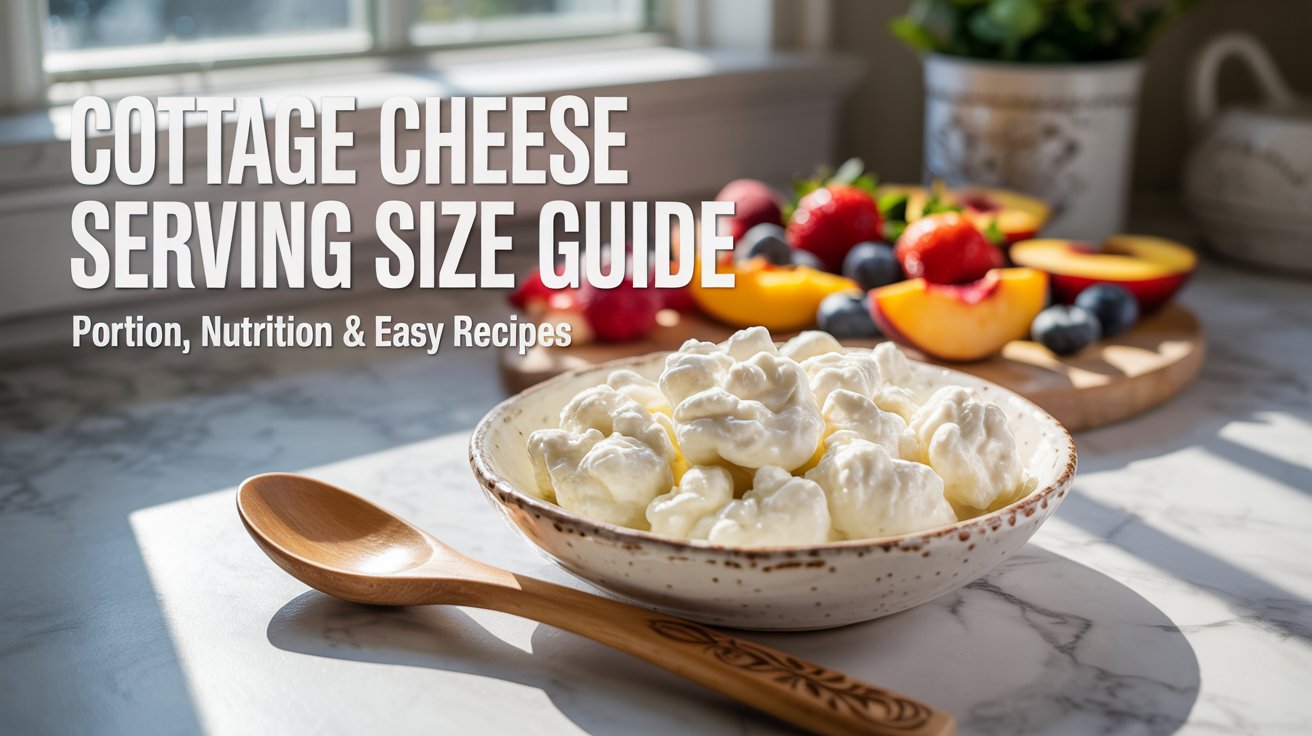
Cottage cheese is one of those ingredients that can elevate any dish, whether it’s breakfast, lunch, or dinner. Creamy and versatile, it brings a delightful texture and a boost of protein that can turn a simple meal into something special. Imagine a warm bowl of cottage cheese pancakes or a refreshing salad topped with a scoop of this creamy delight—your taste buds are in for a treat!
Get ready to discover the standard serving size of cottage cheese, its nutritional breakdown, and 3 delicious recipes to try. You’ll also find tips on incorporating it into your meals and an FAQ section on serving size variations.
Cottage Cheese Origins
Cottage cheese has a rich history that reflects its significance in various cultures around the world. Understanding its origins helps us appreciate its role in both traditional and contemporary diets, particularly when considering serving sizes and how they fit into our meals.
Historical Context
- Ancient Roots: Cottage cheese dates back thousands of years, with evidence suggesting its production in ancient civilizations such as the Mesopotamians and Egyptians. These early societies recognized the benefits of dairy, and cottage cheese became a staple due to its ease of preparation and preservation.
- Traditional Methods: Historically, cottage cheese was made by curdling milk and draining the whey, a method still used today. This simple process allowed for the creation of a nutritious food source that could be enjoyed fresh or used in various dishes.
Cultural Importance
- Global Variations: Different cultures have embraced cottage cheese in unique ways, often incorporating it into their traditional dishes. For example, in Eastern European countries, it is commonly used in pierogi, while in the United States, it is often consumed as a healthy snack or breakfast option.
- Health Benefits: Cottage cheese is celebrated for its high protein content and versatility, making it a popular choice among health-conscious eaters. As serving sizes vary, understanding the nutritional value of cottage cheese can help individuals incorporate it effectively into their diets, enhancing meals without unnecessary calories.
Standard Serving Size
Understanding the standard serving size of cottage cheese is essential for portion control, especially if you’re incorporating it into your meals. Knowing the right amount can help you reap the nutritional benefits while keeping your diet balanced.
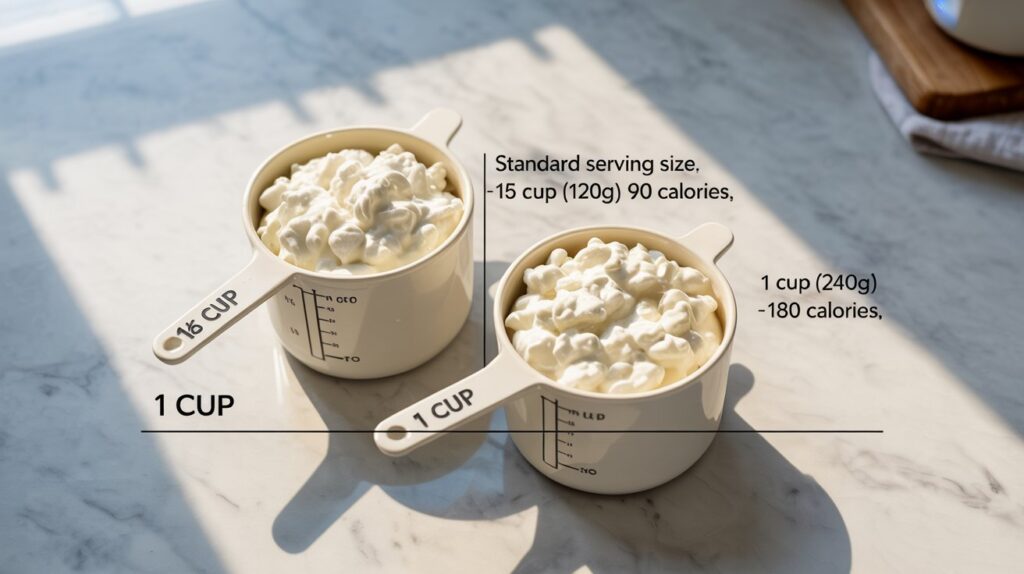
? Cottage Cheese Serving Size Chart
| Portion | Weight (grams) | Calories | Protein | Best Use |
|---|---|---|---|---|
| 2 tbsp | ~30 g | ~25 kcal | ~3.5 g | garnish / toast topping |
| ¼ cup | ~60 g | ~50 kcal | ~7 g | snack with fruit |
| ½ cup (standard serving) | ~120 g | ~90 kcal | ~14 g | breakfast or snack |
| ¾ cup | ~180 g | ~135 kcal | ~21 g | light meal |
| 1 cup | ~226–240 g | ~180–206 kcal | ~28 g | full meal / post-workout |
| 1.5 cup | ~340 g | ~270 kcal | ~42 g | muscle gain meal |
| 2 cups | ~450 g | ~360–410 kcal | ~56 g | high-protein diet |
Recommended Serving Size
The typical serving size for cottage cheese is around ½ cup (about 120 grams). This portion provides a good source of protein and calcium without excessive calories. Here’s a quick reference:
- ½ cup cottage cheese (120g) – approximately 90 calories
- 1 cup cottage cheese (240g) – approximately 180 calories
Measurement Conversions
For those who prefer different units of measurement, here are some conversions:
| ½ cup | 120g | 0.5 cups |
| 1 cup | 240g | 1 cup |
Chef’s tip: If you’re measuring cottage cheese, a kitchen scale can give you the most accurate weight, ensuring proper portion control.
As you prepare meals, keep in mind that adjusting the serving size may alter the overall nutritional content. If you’re cooking for others, consider their dietary needs and preferences when serving cottage cheese.
Nutritional Breakdown
This section provides a detailed look at the nutritional content of cottage cheese per standard serving size, which is typically 1 cup (226g). Understanding these nutritional values is essential for making informed dietary choices, particularly if you’re integrating cottage cheese into your meals for health benefits or as a protein source.
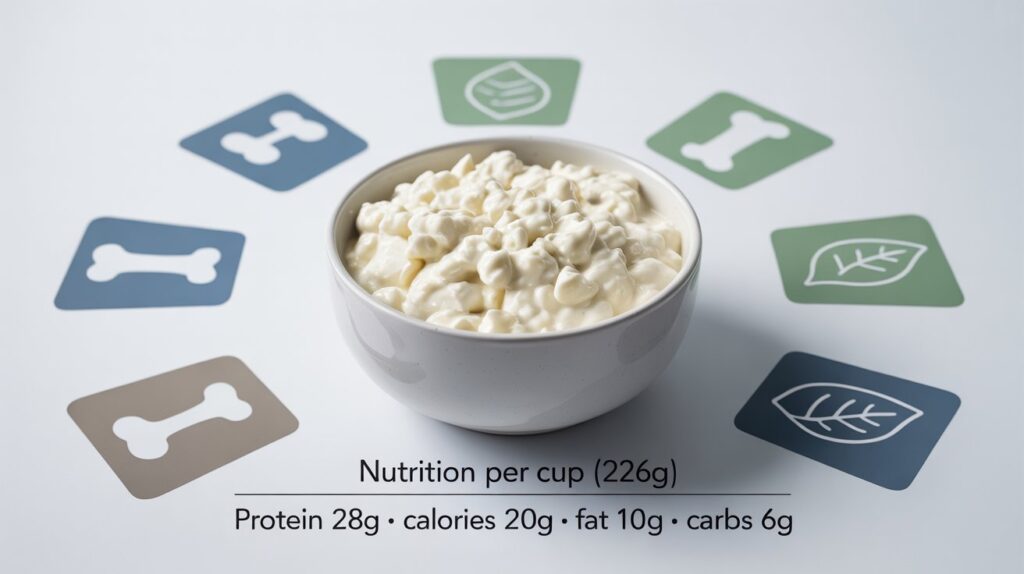
| Calories | 206 |
| Protein | 28g |
| Fat | 10g |
| Carbohydrates | 6g |
| Fiber | 0g |
| Sugars | 6g |
Macronutrients
Cottage cheese is primarily known for its high protein content, making it a popular choice for those looking to boost their protein intake without excessive calories. Here’s a breakdown of the macronutrients:
- Protein: 28g, essential for muscle repair and growth.
- Fat: 10g, which can vary based on whether you choose full-fat or low-fat varieties.
- Carbohydrates: 6g, with minimal sugars, making it a low-carb option.
Vitamins and Minerals
Cottage cheese also provides several important vitamins and minerals:
- Calcium: Approximately 138mg, vital for bone health.
- Phosphorus: Around 500mg, essential for energy production.
- Vitamin B12: Important for nerve function.
Chef’s tip: Opt for low-fat or non-fat cottage cheese if you’re looking to reduce overall calorie intake without sacrificing protein.
Cottage Cheese Recipes
Cottage cheese is a versatile ingredient that can be incorporated into various dishes, offering both flavor and nutrition. In this section, I’ll share three delicious recipes featuring cottage cheese, complete with serving sizes and cooking instructions that ensure your meal is both satisfying and enjoyable.
Savory Cottage Cheese Bowl
This savory bowl is perfect for a light lunch or a wholesome breakfast. Each serving is about 1 cup of cottage cheese, topped with your favorite veggies and spices.
- 1 cup cottage cheese (225g)
- ½ cup diced cucumbers (75g)
- ½ cup cherry tomatoes, halved (75g)
- 2 tablespoons olive oil (30ml)
- 1 teaspoon salt
- 1 teaspoon black pepper
- 1 tablespoon chopped fresh herbs (basil or parsley)
- In a large bowl, combine the cottage cheese and olive oil, mixing well until creamy.
- Add the diced cucumbers and cherry tomatoes, then season with salt and pepper. Toss gently.
- Top with fresh herbs before serving. The bowl should look colorful and inviting.
Cottage Cheese Pancakes
These fluffy pancakes are a delightful way to start your day. The recipe yields about 4 pancakes, serving 2 people (2 pancakes each).
- ½ cup cottage cheese (115g)
- ½ cup all-purpose flour (60g)
- 2 large eggs
- 1 tablespoon sugar (12g)
- 1 teaspoon baking powder
- 1 tablespoon butter for frying
- In a bowl, whisk together cottage cheese, eggs, flour, sugar, and baking powder until well combined. The batter should be thick but pourable.
- Heat a skillet over medium heat and melt the butter. Pour ¼ cup of batter for each pancake, cooking for 3-4 minutes until bubbles form on the surface.
- Flip and cook for another 2-3 minutes until golden brown. Serve warm with your favorite syrup or fresh fruit.
Cottage Cheese Smoothie
This creamy smoothie is a quick and nutritious breakfast option, with a serving size of about 1 large glass (approximately 12 ounces or 350ml).
- 1 cup cottage cheese (225g)
- 1 banana, sliced
- ½ cup almond milk (120ml) or any milk of choice
- 1 tablespoon honey (15g)
- ½ teaspoon vanilla extract
- In a blender, combine the cottage cheese, banana, almond milk, honey, and vanilla extract.
- Blend on high until smooth and creamy, about 30 seconds. The mixture should have a thick, velvety consistency.
- Pour into a glass and enjoy immediately. If the smoothie is too thick, add more milk a tablespoon at a time.
Chef’s tip: For added nutrition, toss in a handful of spinach or a scoop of protein powder before blending.
Incorporating Cottage Cheese
Incorporating cottage cheese into your meals can elevate both flavor and nutrition. Understanding the ideal serving size can help you maximize its health benefits while enjoying its creamy texture in various dishes.
Breakfast Ideas
- Start your day with a cottage cheese bowl: Scoop 1 cup (226g) of cottage cheese into a bowl. Add ½ cup (75g) of diced fresh fruits like strawberries or peaches, and sprinkle with 1 tablespoon of honey. This combo provides a protein-packed breakfast that is both satisfying and delicious. You should see a vibrant mix of colors, and the honey will create a lovely sheen.
- Make a cottage cheese smoothie: Blend ½ cup (113g) of cottage cheese with 1 banana, 1 cup (240ml) of milk or a non-dairy alternative, and a tablespoon of peanut butter. Blend until smooth, about 30-45 seconds. The final mixture should be creamy and thick, perfect for a nutritious on-the-go option.
Snack Suggestions
- Prepare a savory cottage cheese dip: Mix 1 cup (226g) of cottage cheese with 2 tablespoons of chopped fresh herbs like chives or dill, and season with salt and pepper to taste. Serve with sliced cucumbers or bell peppers. The dip should be thick and creamy, with a fresh aroma from the herbs.
- Try cottage cheese on whole-grain toast: Spread ½ cup (113g) of cottage cheese on a slice of toasted whole-grain bread. Top with sliced avocado and a sprinkle of red pepper flakes. The toast should be warm and crunchy, contrasting beautifully with the creamy cottage cheese and avocado.
Dietary Variations
This section highlights gluten-free options and vegan alternatives for enjoying cottage cheese, catering to various dietary needs while maintaining the essential characteristics of this versatile ingredient. Understanding these variations allows you to adjust serving sizes without compromising flavor or texture.
Gluten-Free Options
Cottage cheese itself is naturally gluten-free, making it a great choice for those with gluten sensitivities or celiac disease. When incorporating cottage cheese into recipes, keep the following in mind:
- Check labels for additives or flavorings that may contain gluten.
- Use gluten-free grains or alternatives for any accompanying dishes.
- Pair with fresh fruits or gluten-free granola for a nutritious snack.
Vegan Alternatives
If you’re following a vegan diet, there are several plant-based alternatives to cottage cheese that can be used in recipes. These substitutes can be adjusted to match the serving size you desire:
- Tofu Ricotta: Blend 1 cup of firm tofu with 2 tablespoons of nutritional yeast, a squeeze of lemon juice, and salt to taste. This mixture mimics the texture and flavor of cottage cheese.
- Cashew Cream: Soak 1 cup of cashews for at least 4 hours, drain, and blend with ½ cup of water, 2 tablespoons of lemon juice, and salt until smooth.
Chef’s tip: Adjust the thickness of your vegan alternatives by adding more or less liquid, depending on your recipe’s requirements.
| Cottage Cheese | 1 cup (226g) | 206 |
| Tofu Ricotta | 1 cup (240g) | 190 |
| Cashew Cream | 1 cup (240g) | 400 |
Serving and Plating Tips
Serving cottage cheese can enhance both its flavor and visual appeal, making it a delightful addition to any meal. Understanding the ideal serving sizes and how to plate it beautifully can elevate your dish and impress your guests.
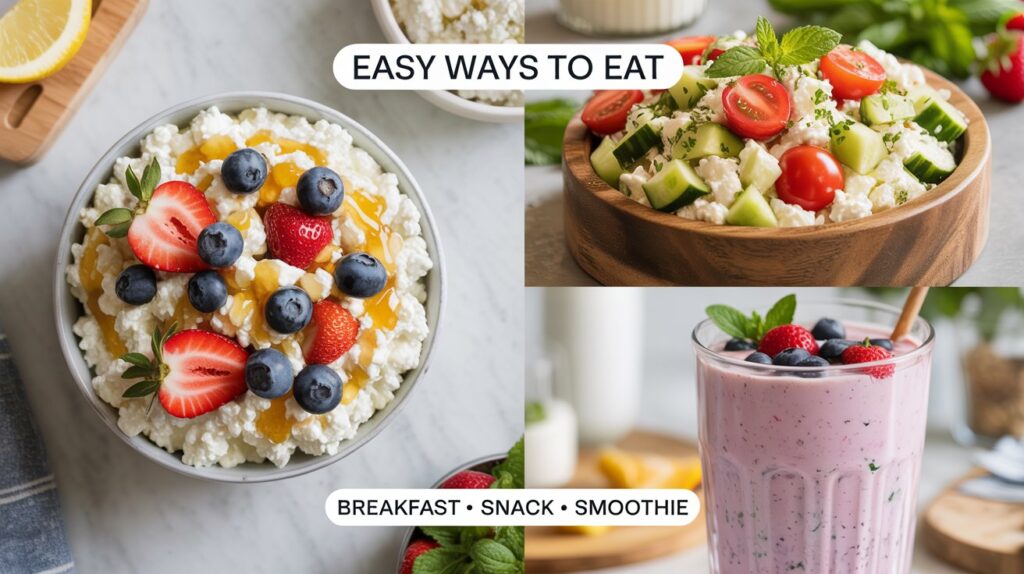
Pairing Suggestions
- For a refreshing breakfast, serve 1 cup (240g) of cottage cheese topped with ½ cup (75g) of mixed berries, such as strawberries, blueberries, and raspberries. The sweetness of the fruit complements the creamy texture of the cheese, creating a colorful and nutritious start to your day.
- As a savory snack, pair ½ cup (120g) of cottage cheese with sliced cucumbers and cherry tomatoes. Drizzle with 1 tablespoon of olive oil and a sprinkle of salt and pepper for a quick, healthy treat that packs a flavor punch.
- For a protein-rich salad, mix 1 cup (240g) of cottage cheese with ½ cup (75g) of diced avocado and ¼ cup (40g) of diced red onion. Add a squeeze of lime juice for brightness and serve on a bed of mixed greens or in a bowl.
Plating Techniques
- Use a shallow bowl or a plate with a slight lip to serve cottage cheese, allowing for easy scooping. Start with a base layer of 1 cup (240g) of cottage cheese, then build your toppings around it for an organized look.
- For visual appeal, create height by layering toppings rather than scattering them. For example, stack ½ cup (75g) of fruit or vegetables in the center of the cottage cheese, and garnish with fresh herbs for color.
- Finish with a drizzle of honey or balsamic glaze for added flavor and a glossy finish. Just a teaspoon (5g) can elevate the presentation and taste of your dish.
Quick Summary
| Prep Time | Cook Time | Total Time | Servings |
|---|---|---|---|
| 5 minutes | N/A | 5 minutes | 1 |
- Know your serving size: A standard serving is typically 1 cup (226g).
- Choose your type: Whole, low-fat, or non-fat cottage cheese affects nutrition and texture.
- Mix-ins matter: Enhance flavor with fruits, nuts, or herbs for variety.
- Storage tips: Keep leftovers in an airtight container and consume within 5 days.
- Check for freshness: Always inspect the expiration date before serving.
Frequently Asked Questions
Can I make this ahead of time? How to store and reheat?
You can prepare cottage cheese dishes ahead of time, just store them in an airtight container in the refrigerator for up to 3 days. Reheat gently in the microwave, stirring occasionally to avoid overheating.
What can I substitute for cottage cheese?
If you need a substitute for cottage cheese, consider using ricotta cheese or Greek yogurt, as both have a similar texture and flavor profile. Adjust the seasoning to taste, as these alternatives can be creamier.
How do I know when it’s done?
5-10 minutes on low heat. The cheese should be soft but not overly melted.
Can I freeze this? How long does it last?
You can freeze cottage cheese, but it may change in texture; it lasts for up to 3 months in the freezer. Thaw it in the refrigerator overnight before using, and stir well to restore some creaminess.
What if I don’t have a blender for a smooth texture?
If you don’t have a blender, you can use a fork or potato masher to achieve a smoother texture, although it may not be perfectly creamy. Just mix vigorously until you reach your desired consistency.
