
If you’re looking for a simple yet satisfying dish, chickpeas are your answer. Their nutty flavor and creamy texture make them a perfect base for countless meals, whether you’re whipping up a cozy stew or a refreshing salad. Plus, they’re packed with protein, making them a favorite among home cooks and meal preppers alike!
This guide includes everything you need to know about chickpeas, including their standard serving size, nutritional information, and 3 delicious recipes. You’ll find clear instructions for each dish, so you can cook with confidence!
Chickpea Origins and Value
Understanding the origins and significance of chickpeas not only enriches our culinary experience but also helps us appreciate the appropriate serving sizes for this nutritious legume. Chickpeas have been a staple in various cuisines around the world, offering flavor, texture, and health benefits that are hard to match.
- Historical Background: Chickpeas are one of the oldest cultivated legumes, dating back over 7,000 years. They were first grown in the Middle East and have since spread globally, becoming integral to Mediterranean, Indian, and Middle Eastern diets. This long history reflects their adaptability and importance in agriculture.
- Culinary Importance: Known for their nutty flavor and firm texture, chickpeas are versatile and can be used in numerous dishes, from hummus to salads and stews. Their ability to absorb flavors makes them a favorite ingredient in both savory and sweet recipes, enhancing meals while providing a rich source of protein and fiber.
As you explore chickpeas in your cooking, consider how their historical significance and culinary flexibility can influence your meal planning and serving sizes. A standard serving of cooked chickpeas is about ½ cup (about 120g), which can easily be incorporated into various dishes, ensuring you enjoy their benefits without overindulging.
Standard Serving Sizes Defined
Understanding the serving sizes for chickpeas, both raw and cooked, is essential for meal planning and nutrition. This section will provide you with clear definitions and practical insights on how much chickpeas to use in your dishes, ensuring that you maximize their flavor and health benefits without overdoing it.
? Chickpea Serving Size Chart
| Form | Amount | Cooked Yield | Protein | Best Use |
|---|---|---|---|---|
| Dry chickpeas | ¼ cup (45 g) | ~¾ cup cooked | ~6–7 g | soups, curries |
| Dry chickpeas | 1 cup (200 g) | ~3 cups cooked | ~19 g | meal prep |
| Cooked chickpeas | ½ cup (120 g) | 1 serving | ~7 g | salads, bowls |
| Cooked chickpeas | 1 cup (240 g) | hearty serving | ~14–15 g | main dish |
| Canned chickpeas | 1 can (15 oz / 425 g) | ~1½ cups drained | ~21 g total | hummus, stews |
Raw Chickpeas Serving Size
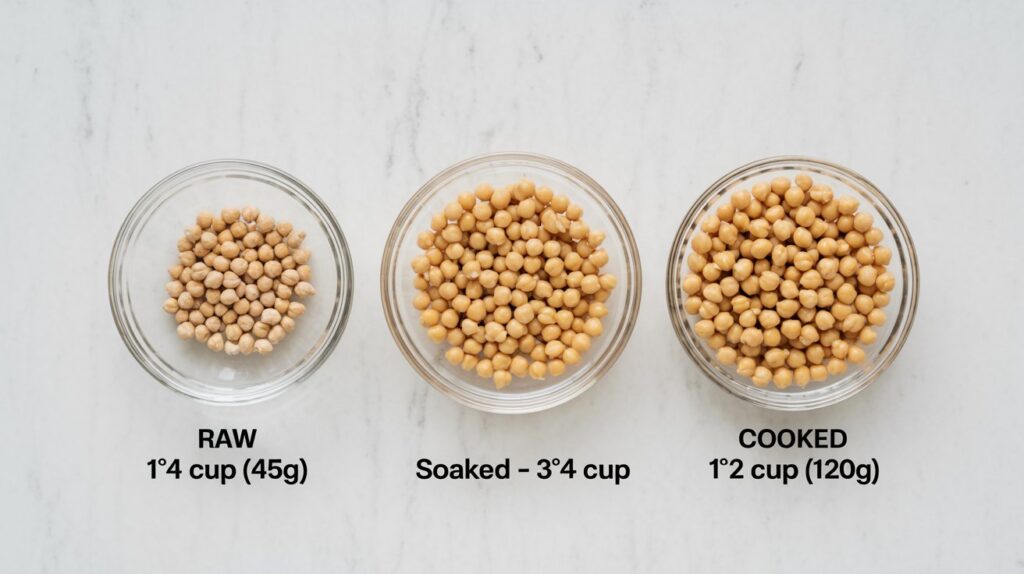
When measuring raw chickpeas, a standard serving size is typically ¼ cup (about 45g). This amount will yield approximately ¾ cup of cooked chickpeas after soaking and cooking. Here’s a quick reference:
- Raw Chickpeas: ¼ cup (45g) per serving
- Soaked Yield: ¾ cup cooked chickpeas
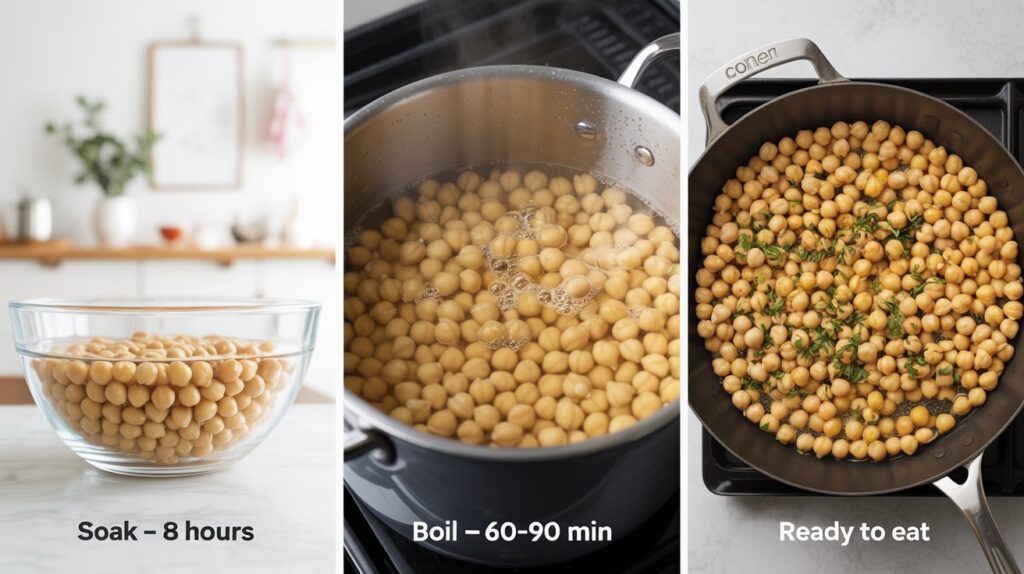
To prepare raw chickpeas, first soak them in water for at least 8 hours or overnight. This helps to soften them and reduces cooking time. After soaking, rinse and cook in boiling water for 1-1.5 hours until tender but not mushy.
Cooked Chickpeas Serving Size
For cooked chickpeas, the standard serving size is ½ cup (about 120g). This quantity is perfect for salads, soups, or as a side dish. Here’s a summarized table:
| Raw Chickpeas | ¼ cup | 45g |
| Cooked Chickpeas | ½ cup | 120g |
Incorporating chickpeas into meals not only boosts protein content but also adds a delightful texture. Remember to adjust your serving sizes depending on the dish you’re preparing. For instance, if you’re making a hearty stew, you might want to increase the amount to 1 cup (240g) to ensure it’s filling.
Chef’s tip: If you’re using canned chickpeas, rinse them well to reduce sodium content and improve taste.
Nutritional Breakdown per Serving
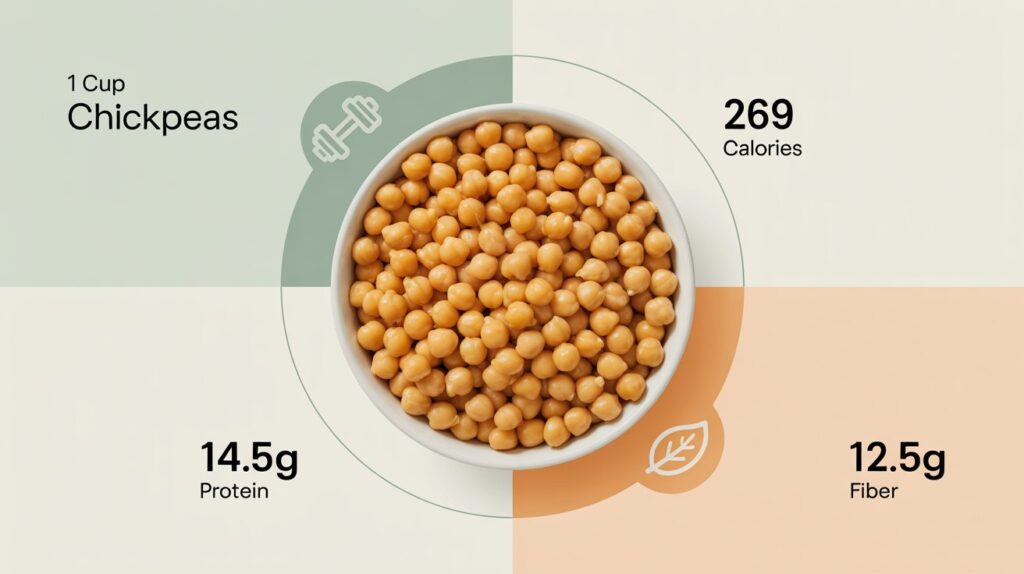
Understanding the nutritional content of chickpeas is essential for planning healthy meals. A standard serving size of cooked chickpeas is about 1 cup (approximately 164 grams), which provides a wealth of nutrients beneficial for your diet. Let’s break down the calories, macronutrients, vitamins, and minerals that make chickpeas a great addition to your meals.
Calories and Macronutrients
| Nutrient | Amount per Serving (1 cup cooked) |
|---|---|
| Calories | 269 |
| Protein | 14.5g |
| Fat | 4.2g |
| Carbohydrates | 45g |
| Fiber | 12.5g |
Vitamins and Minerals
Chickpeas are not just filling; they are also packed with essential vitamins and minerals. Here’s what you can find in a serving:
- Iron: 4.7mg (26% of the Daily Value)
- Magnesium: 78mg (20% of the Daily Value)
- Folate: 557mcg (140% of the Daily Value)
- Phosphorus: 276mg (28% of the Daily Value)
- Zinc: 2.5mg (23% of the Daily Value)
Nutrition tip: Incorporating chickpeas into your meals can help improve digestion and promote heart health due to their high fiber content.
Essential Kitchen Tools
Preparing chickpeas is a straightforward process that requires a few essential kitchen tools to ensure you achieve the perfect texture and flavor. Having the right equipment not only makes the cooking process smoother but also allows you to measure serving sizes accurately for your meals.
| Item | Amount/Specification | Notes |
|---|---|---|
| Measuring Cups | 1 cup | For measuring dry chickpeas or cooked servings |
| Measuring Spoons | 1 tablespoon, 1 teaspoon | For measuring spices and liquids |
| Heavy-Bottomed Pot | 4-6 quarts | To prevent burning while simmering chickpeas |
| Colander | N/A | For draining canned or soaked chickpeas |
| Food Processor | Standard size | To blend chickpeas for hummus or dips |
| Spatula | N/A | For stirring and scraping |
| Kitchen Scale | N/A | For precise measurements, especially in recipes |
- Tip: Always rinse canned chickpeas before use to reduce sodium content.
- Soaked dried chickpeas should double in size; measure accordingly for serving sizes.
- If you find your chickpeas too hard after cooking, they may need more time or water.
Cooking Chickpeas Step-by-Step
Understanding the serving size of chickpeas is essential for incorporating them into your meals effectively. This section covers how to prepare and cook chickpeas, ensuring you have the right amount for your recipes, along with tips for serving them deliciously.
Prep Time and Cook Time
Prep time: 10 minutes (if using canned chickpeas) or 8 hours (if soaking dry chickpeas). Cook time: 1 to 2 hours for dried chickpeas, 10-15 minutes for canned chickpeas.
Quick Reference Ingredient Table
| Ingredient | Amount |
|---|---|
| Dried chickpeas | 1 cup (200g) |
| Canned chickpeas | 1 can (15 oz or 425g) |
- Soak the dried chickpeas. If using dried chickpeas, place 1 cup (200g) in a large bowl, cover with water, and let them soak overnight. This softens the chickpeas and reduces cooking time.
- Drain and rinse the chickpeas. After soaking, drain the chickpeas and rinse them under cold water to remove any impurities. They should feel slightly plump and firm to the touch.
- Cook the chickpeas. In a large pot, add the soaked chickpeas and cover with 4 cups of fresh water. Bring to a boil over medium-high heat, then reduce to low and simmer for 1 to 1.5 hours. The chickpeas are done when they are tender and can be easily mashed between your fingers.
- For canned chickpeas, simply drain and rinse the chickpeas under cold water. They are already cooked and just need to be heated through. In a saucepan, add the chickpeas and 2 tablespoons of olive oil over medium heat. Sauté for 5-7 minutes until heated, and they begin to brown slightly.
- Serving size. A standard serving size is about ½ cup (120g) cooked chickpeas. This portion provides a good source of protein and fiber. Adjust the serving size based on your meal—use up to 1 cup (240g) for heartier dishes like salads or stews.
Chef’s tip: If you find your chickpeas too firm after cooking, simply add a little more water and continue simmering until they reach your desired tenderness.
Expert Tips for Perfect Chickpeas
Understanding the appropriate serving size for chickpeas is essential for balancing nutrition and flavor in your meals. This guide will help you determine how much you should serve and offer tips on incorporating these versatile legumes into your dishes.
- Standard Serving Size: A typical serving of chickpeas is about ½ cup (120g) cooked. This portion provides a good source of protein and fiber, contributing to a balanced meal.
- Adjusting for Meal Type: If chickpeas are the star of your dish, consider increasing the serving size to 1 cup (240g) cooked. This is ideal for salads, stews, or bowls where they play a prominent role.
- Portion for Mixed Dishes: When chickpeas are part of a mixed dish (like a curry or grain bowl), stick to about ½ cup (120g) per serving. This allows for a balanced distribution of flavors among other ingredients.
- Meal Planning: If you plan to meal prep, cook a larger batch of chickpeas (about 2 cups dry will yield roughly 6 cups cooked). Divide them into containers for easy use throughout the week.
- Common Mistakes: Avoid underestimating portion sizes. Chickpeas expand when cooked, so always measure them after cooking. If you find yourself with leftover chickpeas, they can be refrigerated for up to 3 days or frozen for up to 3 months.
Chef’s tip: For added flavor, toss cooked chickpeas with olive oil, salt, and spices before roasting them in the oven at 425°F (220°C) for 20-25 minutes.
Chickpea Recipe Variations
Chickpeas are one of the most versatile ingredients, making them a fantastic option for various dietary needs. Understanding how to adjust serving sizes and incorporate chickpeas into different recipes can help you meet your nutritional goals while enjoying delicious meals.
Gluten-Free Options
Chickpeas are naturally gluten-free, making them a great addition to any gluten-free diet. Here are some ideas to incorporate them:
- Chickpea Salad: Combine 1 can (15 oz) of drained chickpeas, 1 diced cucumber, 1 cup halved cherry tomatoes, and a dressing of 2 tablespoons olive oil and 1 tablespoon lemon juice. Serve chilled for a refreshing meal.
- Chickpea Flour Pancakes: Mix 1 cup chickpea flour with 1 cup water, 1 teaspoon cumin, and salt to taste. Cook on a skillet over medium heat for 3-4 minutes on each side until golden.
Vegan Adaptations
Chickpeas are a staple in vegan cooking, providing protein and fiber. Here are a couple of vegan-friendly recipes:
- Chickpea Curry: Sauté 1 onion in 2 tablespoons coconut oil until translucent. Add 1 tablespoon curry powder and cook for 1 minute. Stir in 1 can (15 oz) of chickpeas and 1 can (14 oz) of coconut milk, simmer for 10-15 minutes.
- Chickpea Hummus: Blend 1 can (15 oz) of chickpeas, 2 tablespoons tahini, 2 tablespoons lemon juice, 1 clove garlic, and salt to taste until smooth. Drizzle with olive oil before serving.
Chef’s tip: Adjust the consistency of hummus by adding more olive oil or water for a creamier texture.
| Ingredient | Amount |
|---|---|
| Chickpeas (canned) | 1 can (15 oz) |
| Olive Oil | 2 tablespoons |
| Coconut Milk | 1 can (14 oz) |
When preparing chickpea dishes, aim for a serving size of about ½ cup (120g) of cooked chickpeas per person. This amount provides ample protein and fiber while keeping your meals balanced and satisfying.
Serving Ideas and Pairings
When incorporating chickpeas into your meals, understanding the ideal serving size can enhance both flavor and nutrition. Typically, a serving of cooked chickpeas is about ½ cup (120g), providing a hearty base for various dishes. Here are some delicious ways to serve them and pair them with complementary ingredients.
- Plating Suggestions: Serve chickpeas warm or at room temperature in a shallow bowl, garnished with fresh herbs like parsley or cilantro for a pop of color. Drizzle with 1 tablespoon of olive oil and a squeeze of lemon juice to brighten the dish. For added texture, sprinkle with toasted nuts or seeds.
- Perfect Pairings: Pair chickpeas with grains like quinoa or brown rice. A ½ cup serving of chickpeas alongside ½ cup of cooked quinoa makes for a complete protein source. Consider adding roasted vegetables such as bell peppers or zucchini for extra flavor and nutrition.
- Chickpea Salad: Combine ½ cup of chickpeas with diced cucumbers, cherry tomatoes, and red onion. Dress with 2 tablespoons of olive oil, 1 tablespoon of red wine vinegar, and season with salt and pepper. This refreshing salad is perfect as a side dish or a light main.
- Comforting Stews: Add chickpeas to soups or stews, using about 1 cup of chickpeas for a pot serving 4. They absorb flavors well and offer a satisfying texture. Be sure to let the stew simmer for at least 20 minutes for the chickpeas to meld with the other ingredients.
Quick Summary
| Prep Time | Cook Time | Total Time | Servings |
|---|---|---|---|
| 10 minutes | 30 minutes | 40 minutes | 4 servings |
- Measure accurately: 1 cup of dry chickpeas yields about 3 cups cooked.
- Soak overnight: Soaking helps reduce cooking time and improves texture.
- Simmer gently: Cook chickpeas at a low simmer for 30 minutes for optimal tenderness.
- Use flavorful liquid: Cook in vegetable broth for extra taste.
- Check doneness: Chickpeas should be tender but not mushy; taste test at 25 minutes.
- Store properly: Keep cooked chickpeas in the fridge for up to a week for easy meal prep.
Frequently Asked Questions
Can I make this ahead of time? How to store and reheat?
You can definitely make chickpeas ahead of time! Store them in an airtight container in the refrigerator for up to 4 days, and reheat in a skillet over medium heat for about 5 minutes.
What can I substitute for canned chickpeas?
If you’re out of canned chickpeas, you can use 1 cup of cooked dry chickpeas for every 1 can (15 ounces) you need, or use white beans as a similar texture alternative.
How do I know when it’s done cooking?
Cooked chickpeas are done when they are tender but not mushy, which usually takes about 45-60 minutes if you’re cooking dried chickpeas. If using canned, simply heat until warmed through, about 5-10 minutes.
Can I freeze this? How long does it last?
Yes, you can freeze cooked chickpeas; they last for up to 3 months in the freezer. Just make sure to store them in a freezer-safe bag with as much air removed as possible.
What if I don’t have a pressure cooker?
If you don’t have a pressure cooker, you can cook dried chickpeas on the stovetop; just soak them overnight and simmer for about 1.5 to 2 hours until tender. Make sure to check on them periodically and add more water if necessary!
