
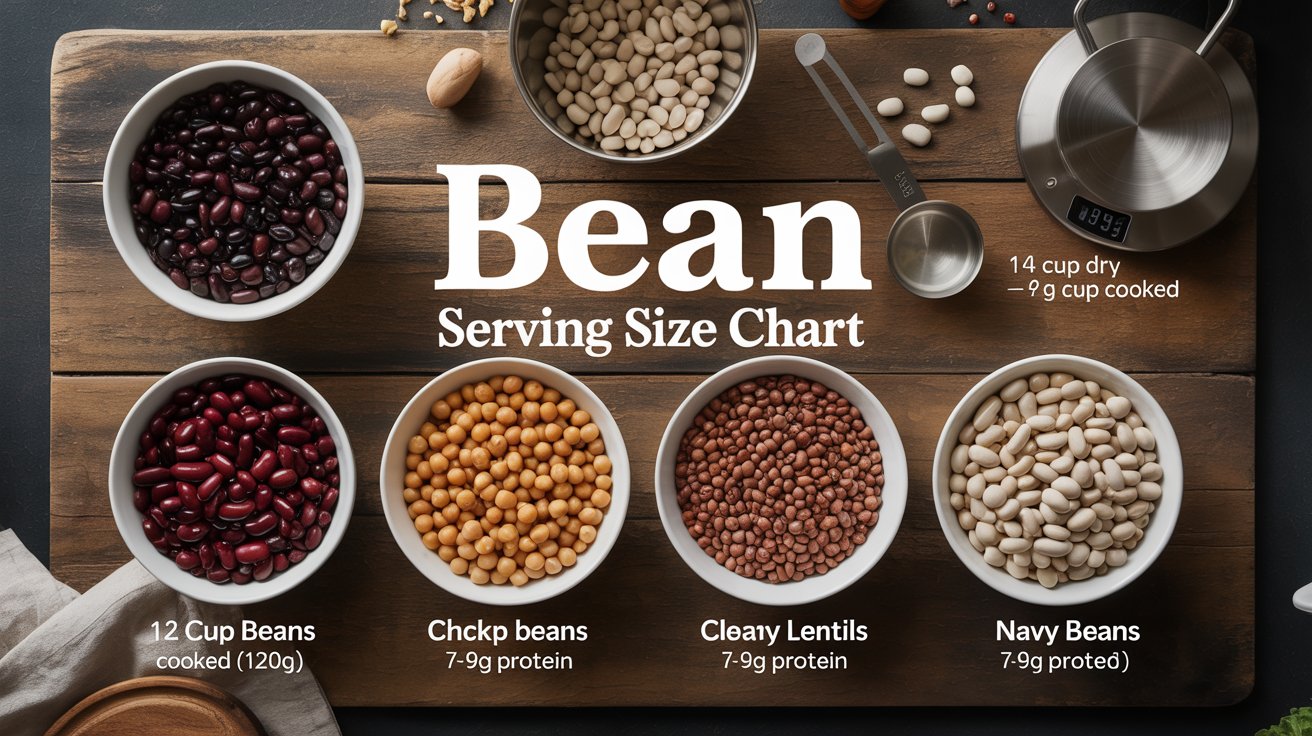
Beans provide essential nutrients and are an excellent source of protein, fiber, and vitamins. Surprisingly, a half-cup serving of cooked beans can contain up to 8 grams of protein, making them a powerful addition to any meal. Knowing the right serving size can help you maximize their benefits.
Incorporating beans into your diet is simple with a serving size of beans chart. Key points include: typical servings range from a quarter to a half-cup cooked, beans can replace meat for protein, and they are low in fat while high in fiber.
Standard Serving Size of Beans
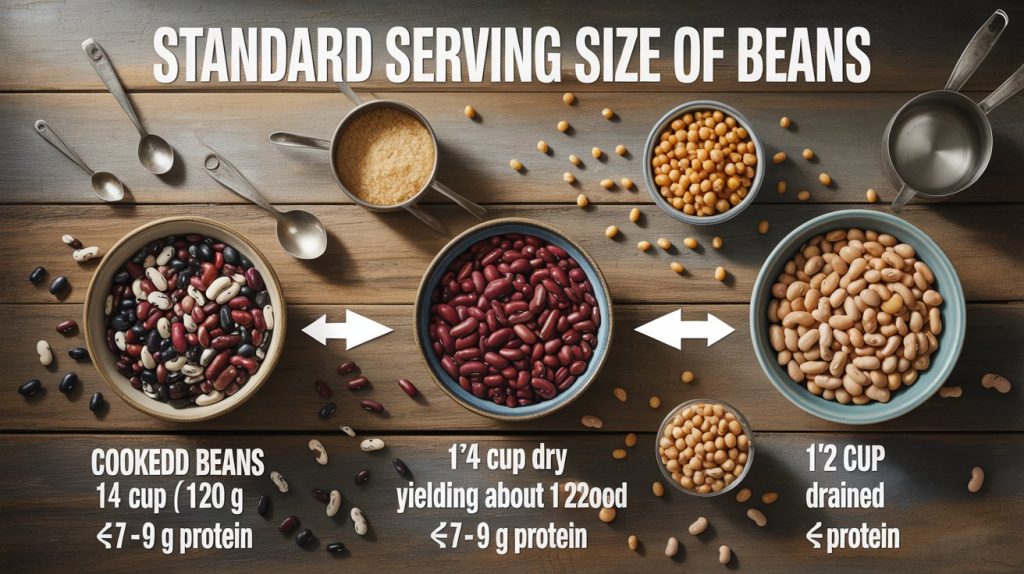
A standard serving size of beans typically measures about half a cup when cooked. This amount provides a great balance of protein, fiber, and essential nutrients. For dry beans, one quarter cup will yield approximately half a cup cooked. Knowing these sizes helps with portion control, ensuring you meet your dietary needs without excess.
| Bean Form | Serving Size | Protein |
|---|---|---|
| Cooked beans | ½ cup (120 g) | ~7–9 g |
| Dry beans | ¼ cup | yields ~½ cup cooked |
| Canned beans | ½ cup drained | ~7–8 g |
✔ ½ cup cooked beans is the most common serving recommendation.
Measuring Cooked vs. Dry Beans
Measuring cooked and dry beans differs significantly. Dry beans expand when cooked, which alters their volume and serving size. One cup of dry beans yields about two to three cups of cooked beans, depending on the variety and cooking method. Understanding this conversion is essential for accurate portion control and meal planning.
- Start with one cup of dry beans. This measurement typically serves about two to three people once cooked.
- Cook the beans according to package instructions. Common methods include boiling, soaking, or using a pressure cooker.
- Measure the final cooked volume. After cooking, use a measuring cup to determine how much you have. This helps visualize serving sizes.
- Consider nutritional needs. Each half-cup of cooked beans provides protein, fiber, and essential nutrients, making it a filling option.
- Plan meals accordingly. Knowing the conversion helps in preparing the right amount for your family or meal prep.
Adjusting your servings based on these measurements aids in maintaining portion control and ensures you’re meeting your dietary requirements effectively.
Bean Varieties and Their Portions
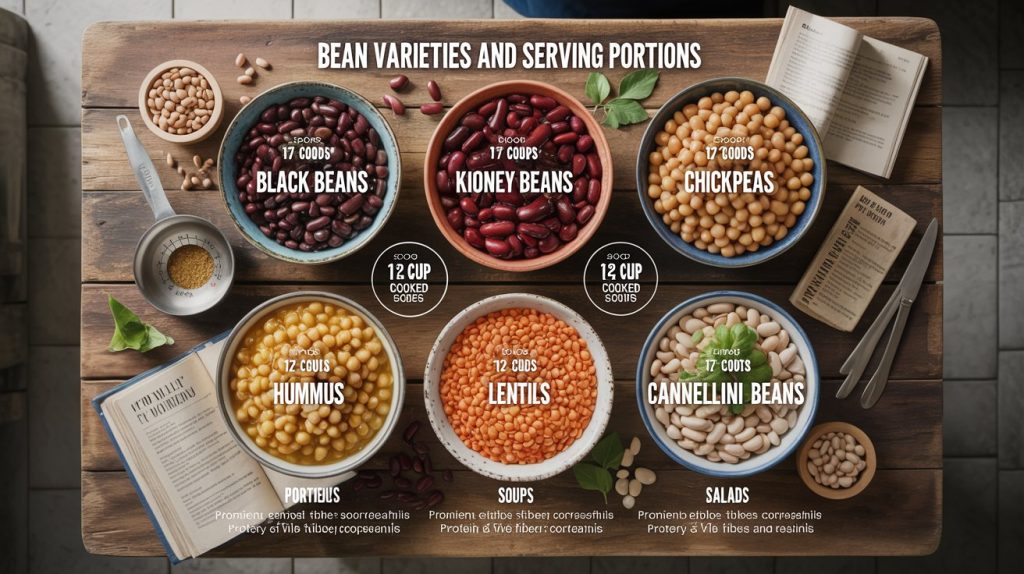
Black beans typically serve well in ½ cup portions cooked. This amount provides a substantial source of protein and fiber, making it a nutritious addition to your meals. Black beans can enhance salads, tacos, or even soups with their rich flavor.
Kidney beans also recommend a serving size of ½ cup cooked. They are excellent in chili or mixed in with rice dishes. Packed with nutrients, kidney beans contribute to heart health and can help regulate blood sugar levels.
Chickpeas, often used in Mediterranean dishes, are best enjoyed in ½ cup servings as well. They add a creamy texture and are versatile for salads, stews, or hummus. Their high protein content makes them a great meat substitute.
Lentils, another popular option, can be served in ½ cup portions cooked. They cook quickly and offer a great source of iron and folate. Lentils can be added to soups, salads, or served as a side dish.
White beans, such as cannellini or navy beans, also align with the ½ cup cooked serving size. They are creamy and can easily enhance dishes like casseroles or pureed soups. Incorporating these beans into your diet can provide a healthy dose of fiber and essential nutrients.
| Bean Type | Serving Size | Common Dishes |
|---|---|---|
| Black beans | ½ cup cooked | tacos, salads |
| Kidney beans | ½ cup cooked | chili, rice dishes |
| Chickpeas | ½ cup cooked | hummus, salads |
| Lentils | ½ cup cooked | soups, curries |
| White beans | ½ cup cooked | stews, casseroles |
Most beans follow the same portion guideline.
Incorporating Beans in Meals
Beans can easily enhance your meals while providing essential nutrients. To ensure you incorporate the right amount for each meal, follow these steps to measure and serve beans effectively. This method will help you enjoy their benefits without overeating.
- Measure servings accurately. Use a standard measuring cup to portion beans. A typical serving of cooked beans is about ½ cup, which offers a good balance of protein and fiber.
- Combine with grains. Pair beans with whole grains like brown rice or quinoa for a complete meal. A serving of beans alongside ½ cup of grains creates a filling and nutritious dish.
- Add to salads. Toss in ¼ to ½ cup of beans to salads for added protein and texture. This simple addition boosts the meal’s nutritional quality while keeping it satisfying.
- Include in soups. Use beans as a hearty ingredient in soups. Aim for ½ cup per serving to enrich flavors and nutrition, creating a wholesome dish that is easy to prepare.
- Incorporate into wraps. Spread ¼ to ½ cup of beans in wraps or sandwiches. They provide a delicious filling that enhances flavor while keeping the meal balanced and healthy.
Adjusting Portions for Family Meals
Modifying serving sizes for family meals can help ensure everyone enjoys beans without overdoing portions. Using a simple formula based on the number of people eating will make your meal prep efficient. Start with the recommended serving size and adjust according to your family’s needs.
- Calculate the total number of servings needed by multiplying the number of people at the table by the standard serving size, which is typically ½ cup cooked beans per person.
- Divide the total amount among the dishes you plan to prepare. For instance, if you’re making a bean salad and a chili, split the total servings evenly between the two recipes.
- Consider individual preferences and dietary needs. Some family members may want more beans, while others might prefer less, so keep a flexible approach.
- Store any leftover beans properly. If you have excess cooked beans, freeze them in portioned bags for future meals, making meal prep easier later.
- Adjust recipes based on feedback. If your family enjoys a specific dish, note the quantity used and replicate it in future meals for consistency.
Health Benefits of Beans by Serving
Incorporating beans into your meals provides significant health benefits. Beans are excellent sources of protein, fiber, and essential vitamins and minerals. A recommended serving size helps you enjoy these benefits without overindulging.
Research shows that consuming a standard serving size of beans, typically about ½ cup cooked, can boost overall nutrition. Key benefits include:
- Protein source: Beans offer a plant-based protein source, supporting muscle health and keeping you satisfied longer.
- High fiber content: A serving contributes to digestive health and can aid in weight management by promoting fullness.
- Rich in vitamins: Beans are packed with important nutrients like folate, iron, and potassium, which support various bodily functions.
- Low in fat: Most beans are naturally low in fat, making them heart-healthy additions to your meals.
- Stabilizes blood sugar: The fiber in beans helps regulate blood sugar levels, making them a smart choice for maintaining energy throughout the day.
Incorporating the appropriate serving size of beans into your diet can enhance your meals nutritionally and support your health goals effectively.
Visual Serving Size Guide
Visual aids can simplify meal preparation. A serving size of beans typically equals half a cup when cooked. This portion provides a balanced amount of protein, fiber, and essential nutrients. For dried beans, remember that they double in size when cooked, so one-quarter cup of dried beans will yield approximately half a cup cooked.
Comparing various types helps ensure variety in your diet. Black beans, kidney beans, and chickpeas all have similar serving sizes, allowing easy incorporation into meals. Using a simple chart can guide you on serving sizes, making meal planning straightforward and effective.
Including beans regularly promotes better nutrition. Aim for at least one serving a day, depending on your dietary needs. Adjust portions based on activity levels and overall caloric intake. By referencing your serving size of beans chart, you can stay on track with your nutritional goals without the hassle of counting calories.
Quick Summary
- Beans are a nutrient-dense food, rich in protein and fiber.
- The recommended serving size for most beans is typically 1/2 cup cooked.
- Different types of beans (e.g., black, kidney, pinto) may have slightly varying nutritional values.
- Beans can be incorporated into various meals, including salads, soups, and stews.
- Soaking and cooking methods can affect the serving size and nutritional content.
- Beans are a versatile ingredient suitable for vegetarian and vegan diets.
- Check serving sizes on packaging for specific beans, as they may vary by brand.
Frequently Asked Questions
What is a standard serving size of beans?
A standard serving size of cooked beans is typically 1/2 cup, which provides a good balance of protein, fiber, and essential nutrients. This portion can easily fit into a balanced meal or be used as a side dish.
How can I determine the serving size for different types of beans?
Different types of beans may have slightly different serving sizes based on their density and nutritional content. However, a general rule of thumb is to stick with 1/2 cup of cooked beans for most varieties, while dried beans should be measured before cooking, typically around 1/4 cup per serving.
Can I eat beans every day?
Yes, beans can be a healthy addition to your daily diet. They are rich in protein, fiber, and various vitamins and minerals, making them a great option for regular meals, as long as you balance them with other food groups.
How do I incorporate beans into my meals without overeating?
To avoid overeating, start by measuring out a 1/2 cup serving of beans and pairing them with vegetables, whole grains, or lean proteins. This will help you create a balanced meal while enjoying the benefits of beans without exceeding your caloric needs.
Are canned beans as nutritious as dried beans?
Canned beans are generally just as nutritious as dried beans, but they may contain added sodium or preservatives. Rinsing canned beans before use can help reduce sodium content, making them a convenient and healthy option for busy individuals.
