

Yogurt is one of those delightful staples that can be enjoyed in countless ways. Whether it’s a creamy breakfast parfait layered with fruits and granola or a savory dip for your favorite veggies, yogurt is versatile and oh-so-satisfying. It adds a refreshing tanginess that elevates dishes and makes them irresistibly good.
Ready to learn about yogurt serving sizes? This guide covers the ideal serving sizes for various types of yogurt, nutritional content, and even practical recipe ideas. You’ll find everything you need to serve delicious yogurt dishes effectively.
Yogurt Serving Size Basics
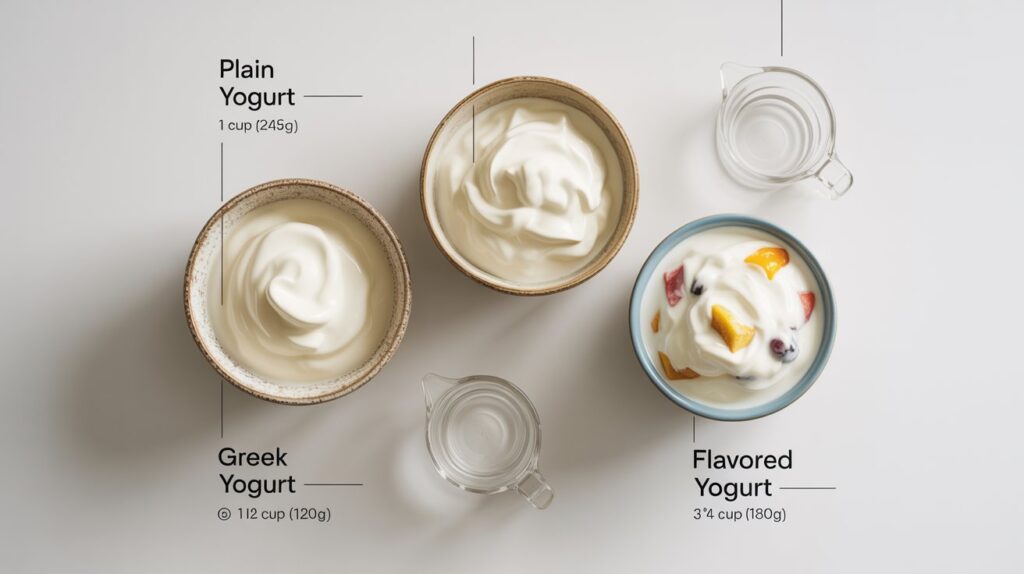
Understanding the appropriate serving size for yogurt is essential for both nutritional balance and enjoyment. Whether you’re enjoying a creamy breakfast or using yogurt in a recipe, knowing how much to serve can help you achieve the right flavor and texture.
Standard Yogurt Serving Size Chart
| Type | Standard Serving | Calories (Approx.) | Protein | Best For |
|---|---|---|---|---|
| Plain Regular Yogurt | 1 cup (245 g) | 140–160 | 8–10 g | Breakfast, smoothies |
| Greek Yogurt | ¾–1 cup (170–240 g) | 100–150 | 15–20 g | High-protein meals |
| Flavored Yogurt | ¾ cup (180 g) | 150–220 | 6–10 g | Snacks, parfaits |
| Non-Dairy Yogurt | 1 cup (240 g) | 120–180 | 2–8 g | Dairy-free diets |
| Frozen Yogurt | ½ cup (120 g) | 100–140 | 3–5 g | Dessert |
General Guidelines
The typical serving size for yogurt varies based on the type and intended use. Here are some general guidelines to help you gauge the appropriate amounts:
- Plain Yogurt: 1 cup (245g) is a standard serving size.
- Greek Yogurt: ½ cup (120g) is usually sufficient, as it is thicker and more concentrated.
- Flavored Yogurt: ¾ cup (180g) is recommended due to added sugars and flavorings.
- Yogurt as an Ingredient: When using yogurt in recipes, ½ cup (120g) is a common measurement for dressings or marinades.
Factors Affecting Serving Size
Several factors can influence how much yogurt you might want to serve:
- Dietary Needs: Consider your dietary goals; those seeking higher protein may prefer Greek yogurt.
- Meal Context: If yogurt is a side dish or part of a larger meal, adjust the serving size accordingly.
- Personal Preference: Always listen to your hunger cues; some may enjoy larger portions, while others may prefer less.
Chef’s tip: If you’re unsure about portion sizes, start with a smaller amount and adjust based on your appetite or recipe requirements!
Nutritional Content per Serving
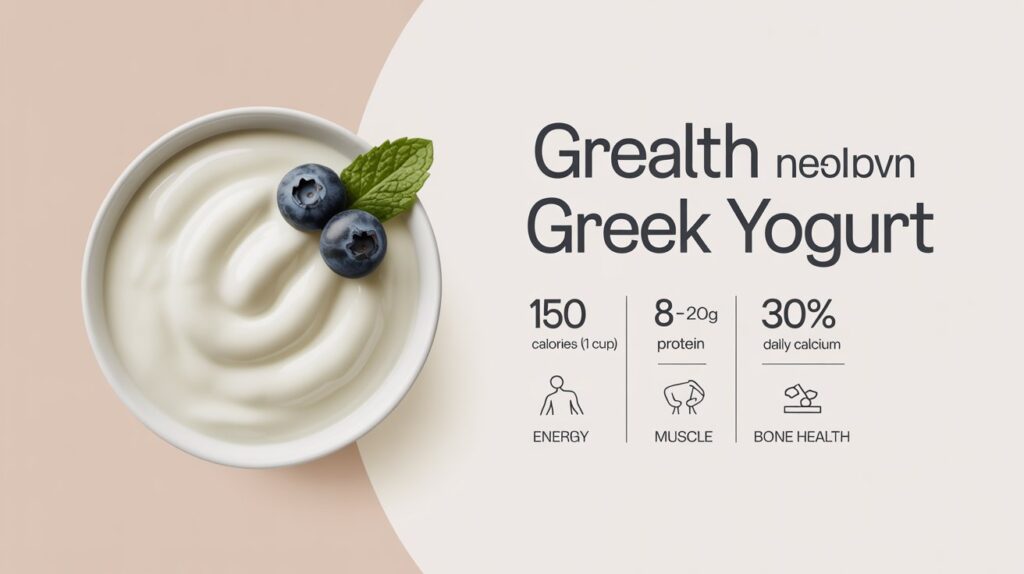
Understanding the nutritional content of yogurt based on serving size is essential for making informed dietary choices. Yogurt is not only delicious but also packed with nutrients that can benefit your health, especially when consumed in appropriate portions.
- Calories: A standard serving size of yogurt, typically 1 cup (about 245g), contains approximately 150 calories. This makes yogurt a relatively low-calorie option for a snack or part of a meal, helping you maintain a balanced diet without excessive calorie intake.
- Protein: One cup of yogurt generally provides around 8-10 grams of protein. This is beneficial for muscle repair and growth, making yogurt a great post-workout snack. Opt for Greek yogurt if you are looking for a higher protein content, which can offer up to 20 grams per serving.
- Calcium: Yogurt is an excellent source of calcium, with about 30% of the daily recommended value in a single cup. Calcium is crucial for maintaining strong bones and teeth, and including yogurt in your diet can help meet your nutritional needs.
Keep in mind that nutritional values may vary based on the type of yogurt, such as whole, low-fat, or non-fat, and it’s wise to check labels for specific information. Adjust your serving size according to your dietary needs to strike a balance between enjoyment and nutrition.
Types of Yogurt and Sizes
Understanding the different types of yogurt and their recommended serving sizes is essential for both health and culinary purposes. Each yogurt type offers unique flavors and textures, which can influence portion sizes in recipes and meals.
Greek Yogurt
Greek yogurt is thick, creamy, and packed with protein, making it a popular choice for both sweet and savory dishes. A standard serving size is:
- 1 cup (240g) for a hearty snack or breakfast.
- ½ cup (120g) for toppings or as a base in smoothies.
Chef’s tip: Use Greek yogurt as a substitute for sour cream in dips and dressings for a healthier option.
Regular Yogurt
Regular yogurt is lighter in texture compared to Greek yogurt and is often consumed as a breakfast item or snack. The recommended serving size is:
- 1 cup (245g) for a satisfying snack.
- ¾ cup (180g) for use in baking or cooking.
Regular yogurt adds moisture and tang to baked goods like muffins and pancakes.
Non-Dairy Yogurt
For those with dairy sensitivities, non-dairy yogurts made from almond, coconut, or soy are excellent alternatives. Serving sizes vary slightly, but a good rule of thumb is:
- 1 cup (240g) for a complete snack.
- ½ cup (120g) as a topping or ingredient in recipes.
Choose unsweetened versions for savory dishes to maintain flavor balance.
| Greek Yogurt | 1 cup (240g) |
| Regular Yogurt | 1 cup (245g) |
| Non-Dairy Yogurt | 1 cup (240g) |
Accurate Measurement Tips
Measuring yogurt accurately is essential for achieving the right serving sizes, whether you’re enjoying it plain or incorporating it into recipes. This section provides practical methods for measuring yogurt using cups and grams, ensuring you get your servings just right.
Using Cups
When measuring yogurt in cups, it’s important to use the right technique to avoid packing or air pockets. Here’s how to do it:
- Use a dry measuring cup for thicker yogurts, like Greek yogurt. Scoop the yogurt into the cup and level it off with a spatula.
- For runnier yogurts, like regular yogurt, pour it into the measuring cup until it reaches the desired line. Check at eye level for accuracy.
Common serving sizes include:
| Type of Yogurt | Serving Size |
|---|---|
| Greek Yogurt | ¾ cup (180g) |
| Regular Yogurt | 1 cup (240g) |
| Frozen Yogurt | ½ cup (120g) |
Weighing in Grams
For precise measurements, especially in baking or when following dietary guidelines, weighing yogurt in grams is the most accurate method:
- Use a kitchen scale. Turn it on and place a bowl on the scale, then zero it out (tare) to exclude the bowl’s weight.
- Spoon or pour the yogurt into the bowl until you reach the desired weight. For instance, 180 grams for a serving of Greek yogurt.
Chef’s tip: Always ensure your scale is calibrated for accurate measurements, especially when following recipes closely.
Accurate serving sizes not only help in portion control but also enhance the flavors and textures in your dishes. Enjoy your yogurt with confidence!
Step-by-Step Serving Suggestions
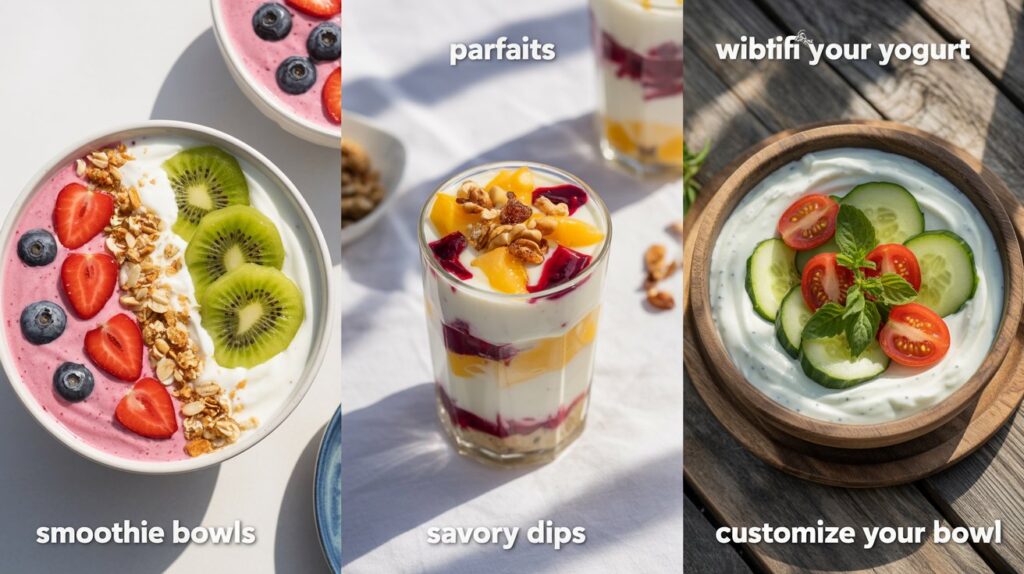
Serving yogurt can be tailored to fit different occasions and preferences, whether you’re preparing it for a single serving or a family gathering. Understanding the right serving sizes helps in managing portions and enhances the overall experience of enjoying yogurt.
- Single Servings: For individual portions, aim for about 1 cup (240ml) of yogurt per person. This is a satisfying amount that allows for toppings and mix-ins. If you’re using yogurt as a base for a parfait, consider layering ½ cup (120ml) of yogurt with ¼ cup (60g) of granola and ½ cup (75g) of fresh fruit for a balanced single serving.
- Family Style: When serving yogurt family-style, place a large bowl of yogurt (approximately 4 cups or 960ml) in the center of the table. Accompany it with various toppings like sliced fruits, nuts, and honey in separate bowls. This way, each family member can customize their serving according to their preference, typically about ½ to 1 cup (120-240ml) per person.
- Breakfast Buffet: If you’re hosting a breakfast buffet, consider providing 6-8 ounces (180-240ml) of yogurt per person as part of a spread that includes other items like oatmeal or smoothies. This allows guests to choose their preferred yogurt variety while keeping portion sizes manageable.
- For Kids: For children, a serving size of ½ cup (120ml) is often sufficient. Pair it with fun toppings like sprinkles or fruit to make it more appealing. This portion size can help prevent waste while ensuring they enjoy a healthy snack.
Common Mistakes to Avoid
Understanding the appropriate serving size for yogurt is crucial for both health and enjoyment. Many home cooks make common mistakes that can lead to over-serving or misinterpreting nutrition labels, impacting their overall dietary goals and experiences.
Over-Serving
One of the biggest pitfalls in serving yogurt is overestimating the portion size. A typical serving of yogurt is around 6 ounces (170 grams), but it’s easy to pour more than that without realizing it. Here are some tips to avoid this mistake:
- Use a measuring cup to scoop out 6 ounces instead of pouring directly from the container.
- Consider using a scale; 6 ounces of yogurt is approximately 170 grams.
- Visualize the size: a serving of yogurt is roughly the size of a medium-sized orange.
Ignoring Nutrition Labels
Another common mistake is overlooking the nutrition labels on yogurt containers, which provide essential information about serving sizes and nutritional content. This can lead to unintended overconsumption of calories, sugars, or fats. Here’s how to navigate nutrition labels effectively:
Always check the serving size listed on the label before enjoying yogurt, as it may differ from your assumptions.
Keep these points in mind:
- Nutrition labels typically indicate a serving size that might be smaller than what you expect.
- Be aware of added sugars; some flavored yogurts can contain significantly more sugar than plain varieties.
- Pay attention to fat content if you’re watching your dietary intake; choose low-fat options if necessary.
By avoiding these common mistakes, you can enjoy yogurt in the right amounts, enhancing both your health and culinary experience.
Yogurt Recipe Ideas
Incorporating yogurt into your meals not only enhances flavor but also adds a nutritious element. Here, I’ll share some delicious recipe ideas that align with the serving sizes discussed, helping you enjoy yogurt in various delightful forms.
Smoothie Bowls
Smoothie bowls are a fantastic way to enjoy yogurt as a base, allowing for creativity with toppings. A typical serving size is about 1 cup (240ml) of yogurt. Here’s a quick and easy recipe:
- 1 cup (240ml) plain yogurt (Greek or regular)
- 1 medium banana, sliced
- 1 cup (150g) mixed berries (fresh or frozen)
- 2 tablespoons honey or maple syrup
- ¼ cup (30g) granola for topping
- In a blender, combine yogurt, banana, mixed berries, and honey. Blend until smooth and creamy.
- Pour the smoothie mixture into a bowl and add your favorite toppings, such as granola, sliced fruit, or nuts.
- Serve immediately, enjoying the vibrant colors and textures!
Chef’s tip: For a thicker consistency, use frozen bananas or berries.
Parfaits
Yogurt parfaits are another great way to serve yogurt, perfect for breakfast or as a dessert. A serving size is typically ½ cup (120ml) of yogurt. Here’s how to make a delightful parfait:
- ½ cup (120ml) plain yogurt (vanilla or Greek)
- ½ cup (75g) granola
- ½ cup (75g) assorted fruits (such as strawberries, blueberries, or kiwi)
- In a glass or bowl, layer half of the yogurt at the bottom.
- Add a layer of granola followed by a layer of mixed fruits.
- Repeat the layers, finishing with a dollop of yogurt and a sprinkle of granola on top.
| Plain Yogurt | 1½ cups (360ml) |
| Granola | ½ cup (75g) |
| Assorted Fruits | ½ cup (75g) |
These yogurt recipes not only showcase the versatility of yogurt but also allow you to enjoy it in controlled serving sizes, making them perfect for healthy eating.
Quick Summary
| Prep Time | 5 minutes |
|---|---|
| Cook Time | 0 minutes |
| Total Time | 5 minutes |
| Servings | 1 |
- Standard serving size: 1 cup (245g) of yogurt.
- Adjust for toppings: Consider extra weight for fruits or granola.
- Nutrition awareness: Check labels for sugar content per serving.
- Texture preference: Choose Greek yogurt for thicker consistency.
- Mix-ins timing: Add fruits just before serving to maintain freshness.
- Key tip: Use measuring cups for accurate serving sizes.
- Storage note: Keep yogurt in the fridge and consume within a week after opening.
Frequently Asked Questions
Can I make this ahead of time? How to store and reheat?
You can definitely prepare yogurt servings ahead of time! Store them in airtight containers in the fridge for up to 5 days for the best flavor and freshness.
What can I substitute for yogurt?
If you need a substitute, you can use sour cream or a dairy-free option like coconut yogurt, keeping in mind that the flavor may vary slightly.
How do I know when it’s done?
For yogurt, it’s ready when it has thickened and has a slightly tangy flavor; this typically takes about 6-12 hours in a yogurt maker or incubator.
Can I freeze this? How long does it last?
Yes, you can freeze yogurt, but it’s best used within 2 months for optimal texture and taste; thaw it in the fridge before use.
Why did my yogurt turn out runny?
Your yogurt may be runny if it didn’t ferment long enough or if the milk wasn’t heated to 180°F (82°C) before cooling; always ensure proper temperature control for best results.
