
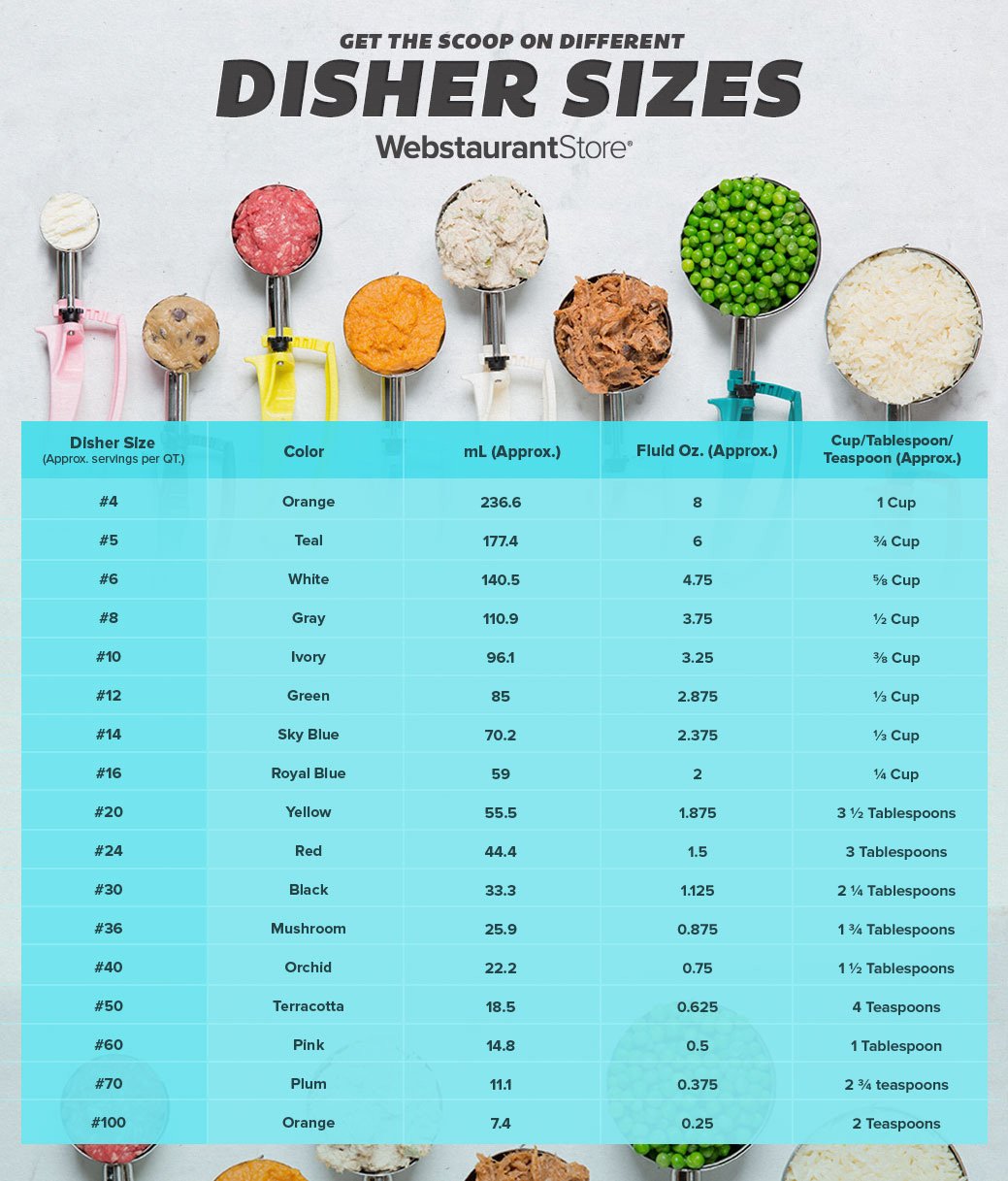
Scoop serving sizes typically range from 1/4 cup to 1/3 cup, but this can vary depending on the ingredient. For precise serving sizes, always refer to specific product labels.
Why Scoop Serving Sizes Matter
Understanding scoop serving sizes is vital for accurate measuring in cooking, baking, and nutrition. Different ingredients have varying densities, meaning a scoop of flour might weigh significantly less than a scoop of sugar. These variations can impact recipes and portion control, making it essential to know the right scoop size.
Familiarity with a scoop serving size chart simplifies meal prep, helping you stay on track with your nutritional goals. Whether you’re an avid baker or focused on dietary management, understanding these details leads to better results and promotes healthier eating habits. Use this guide to sharpen your culinary skills and make informed choices in the kitchen.
The Importance of Accurate Scoop Sizes
Accurate scoop sizes are crucial in both food service and nutrition, ensuring consistency and maintaining nutritional value. Here’s why getting the right scoop size is so important:
Consistency in Food Service
Consistency is key in any food service operation, impacting customer satisfaction and overall quality. Here’s why accurate scoop sizes are vital:
- Uniform Portions: Each serving looks and tastes the same.
- Reduced Waste: Less food gets discarded, saving costs.
- Customer Trust: Consistency builds customer loyalty.
Using a scoop size chart helps staff serve consistent portions every time.
Nutritional Precision
Accurate scoop sizes ensure proper nutrition, which is crucial for health-focused diets. Here’s why nutritional precision matters:
- Balanced Diet: Every meal contains the right mix of nutrients.
- Dietary Restrictions: Helps manage allergies and specific health conditions.
- Caloric Control: Maintains consistent calorie intake for weight management.
A scoop serving size chart simplifies meal planning, helping you serve the right amounts every time.
Scoop Size Chart: Quick Reference for Common Uses
| Scoop Size | Approximate Volume | Common Uses |
|---|---|---|
| 1/4 cup | 60 ml | Grains, Vegetables |
| 1/2 cup | 120 ml | Rice, Beans, Soups |
| 1 cup | 240 ml | Salads, Pasta, Stews |
Keep this chart handy for quick and easy reference during meal prep.
Decoding Scoop Sizes
Scoop sizes are often listed in numbers, each representing a specific volume. Understanding these conversions helps you measure ingredients precisely, ensuring your dishes turn out perfectly.
| Scoop Size | Volume | Common Use |
|---|---|---|
| 1/8 cup scoop | 30 ml | Spices, Small Ingredients |
| 1/4 cup scoop | 60 ml | Nuts, Grains, Dry Mixes |
| 1/3 cup scoop | 80 ml | Sauces, Thicker Mixtures |
| 1/2 cup scoop | 120 ml | Rice, Beans, Larger Ingredients |
| 1 cup scoop | 240 ml | Flour, Sugar, Bulk Items |
Materials and Durability of Scoops
The choice of materials significantly affects the durability and performance of scoops. Here’s a comparison:
| Material | Benefits | Drawbacks |
|---|---|---|
| Stainless Steel | Durable, resistant to rust and stains, easy to clean | Heavier, can be more expensive |
| Plastic | Lightweight, cost-effective, available in various colors | Less durable, can warp over time |
Proper care extends the life of your scoops. Always wash them after use, avoid abrasive cleaners on stainless steel, and store them in a dry place.
Scoop Sizes in Various Applications
Scoop sizes play a crucial role across different settings, from ice cream shops to cafeterias and baking. Understanding these applications can improve efficiency and accuracy.
Ice Cream Shops
In ice cream shops, consistent scoop sizes ensure quality and customer satisfaction. Common sizes include:
- Small: 2 oz
- Medium: 4 oz
- Large: 6 oz
Cafeteria Meal Prep
In cafeterias, scoop sizes help ensure each plate has the right amount of food, maintaining balance and reducing waste.
| Scoop Size | Serving Size | Food Type |
|---|---|---|
| 1 oz | Small sides | Vegetables |
| 4 oz | Main courses | Meats |
| 6 oz | Large servings | Casseroles |
Baking Ingredients
Accurate scoop sizes are vital for baking, ensuring precise measurements of ingredients like flour and sugar.
| Scoop Size | Common Use |
|---|---|
| 1 tablespoon | Small Ingredients |
| 1/4 cup | Flour, Sugar |
| 1 cup | Liquids, Large Ingredients |
Portion Control Tips
Effective portion control is essential for managing serving sizes and ensuring balanced nutrition.
Mastering the Technique
Start with the right tools, like a scoop serving size chart, and follow these tips:
- Choose the correct scoop size.
- Measure before serving.
- Practice with different foods.
Avoiding Over-Scooping
Over-scooping leads to larger portions, which can disrupt your diet. Here are tips to avoid it:
- Use a smaller scoop.
- Fill the scoop gently, without packing.
- Check the serving size on food labels.
Cost Savings with Proper Scoop Sizes
Using the correct scoop sizes can help businesses save money by reducing waste and improving profit margins.
Reducing Waste
Standardized scoops ensure consistent servings, minimizing food waste.
Improving Profit Margins
Accurate scoop sizes help businesses maximize their resources, leading to significant savings.
Scoop Sizes for Special Diets
Accurate scoop measurements are especially important for those on special diets like Keto, Paleo, or Vegan.
Keto and Paleo Servings
For these diets, scoop sizes help maintain low-carb and whole-food goals.
| Food Type | Keto Serving Size (scoops) | Paleo Serving Size (scoops) |
|---|---|---|
| Nuts | 1 scoop (28g) | 1 scoop (30g) |
| Seeds | 1 scoop (28g) | 1 scoop (30g) |
| Protein Powder | 1 scoop (30g) | 1 scoop (30g) |
| Vegetables | 2 scoops (100g) | 2 scoops (100g) |
Vegan Portion Considerations
Scoop sizes for a vegan diet help balance nutrients, particularly in legumes, grains, and vegetables.
Innovations in Scoop Design
Modern scoop designs focus on user comfort and functionality, with features like ergonomic handles and color-coded systems.
Ergonomic Handles
Ergonomic handles reduce hand strain and improve comfort during long use.
Color-Coded Scoop Systems
Color-coded systems help prevent measurement errors, making kitchen tasks faster and more accurate.
| Color | Scoop Size |
|---|---|
| Red | 1 tablespoon |
| Blue | 1/4 cup |
| Green | 1/2 cup |
| Yellow | 1 cup |
Frequently Asked Questions
What Size Are Serving Scoops?
Serving scoops typically range from 1/4 cup to 1 cup in size. Common measurements include 1/2 cup, 1/3 cup, and 1 tablespoon. Choose the size based on your recipe or serving needs for accurate portions. Always check the scoop markings for precise measurements.
How Many Tablespoons Are In A Scooper?
A standard scooper typically holds about 3 tablespoons. However, this can vary based on the specific scooper size. Always check the packaging for exact measurements to ensure accuracy in your recipes.
How To Determine Scoop Size?
To determine scoop size, measure the volume of the scoop in milliliters or ounces. Compare this measurement to standard serving sizes. Use a scale for precise weight if needed. Adjust based on the ingredient’s density for accurate portioning. Test with different scoops to find the best fit.
How Many Oz Is Scoop Size?
A standard scoop size typically holds 4 ounces. However, sizes can vary. Always check the specific scoop measurements for accuracy in recipes or serving sizes.
Conclusion
Understanding the scoop serving size chart is essential for accurate measurements. It helps you enjoy your favorite foods while maintaining portion control. Whether you’re baking or serving ice cream, using the right scoop size ensures consistency. Keep this chart handy to make meal prep easier and more enjoyable for everyone.
