
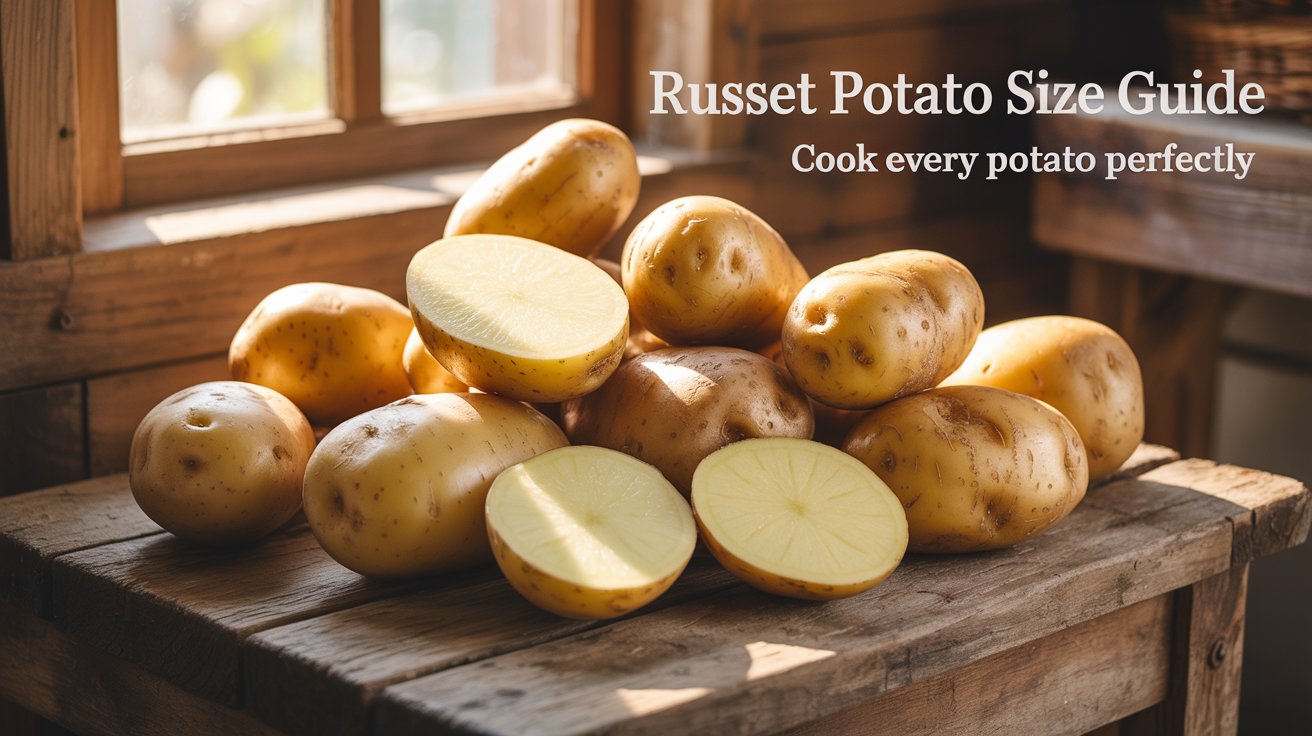
There’s something truly comforting about russet potatoes, especially when they’re perfectly cooked. Whether you’re whipping up a creamy mashed potato side or baking them until golden and fluffy, these starchy gems are a weeknight staple and a crowd-pleaser. Each bite is like a warm hug on a plate!
With this handy russet potato size chart, you’ll discover the ideal cooking times and methods for small, medium, and large potatoes. Total time will vary, but most recipes can be done in 30-60 minutes, and all skill levels can master them!
History of Russet Potatoes
The russet potato has a storied history that dates back to the early 19th century, playing a significant role in American agriculture and cuisine. Understanding its origins not only highlights its importance but also sets the stage for why size matters in cooking, especially when it comes to determining cooking times and methods.
- Origins in the U.S. – The russet potato was first cultivated in the United States in the 1800s. It originated from a variety known as the ‘Burbank’ potato, which was developed by Luther Burbank in 1870. This variety quickly gained popularity due to its high yield and versatility.
- Popularity Surge – By the 20th century, russet potatoes became a staple in American diets, particularly in the Midwest. Their ability to grow in various climates and soil types made them an essential crop for farmers and a favorite among chefs.
- Texture and Flavor – One of the key reasons for the russet potato’s enduring popularity is its starchy texture, ideal for mashing, baking, and frying. The fluffy interior complements a variety of dishes, making it a versatile ingredient in countless recipes.
- Significance in Fast Food – The rise of fast-food chains in the mid-20th century further cemented the russet potato’s place in American culture, particularly in the form of French fries. Its large size and ability to hold up well during frying made it the go-to choice for restaurants.
Russet Potato Size Chart
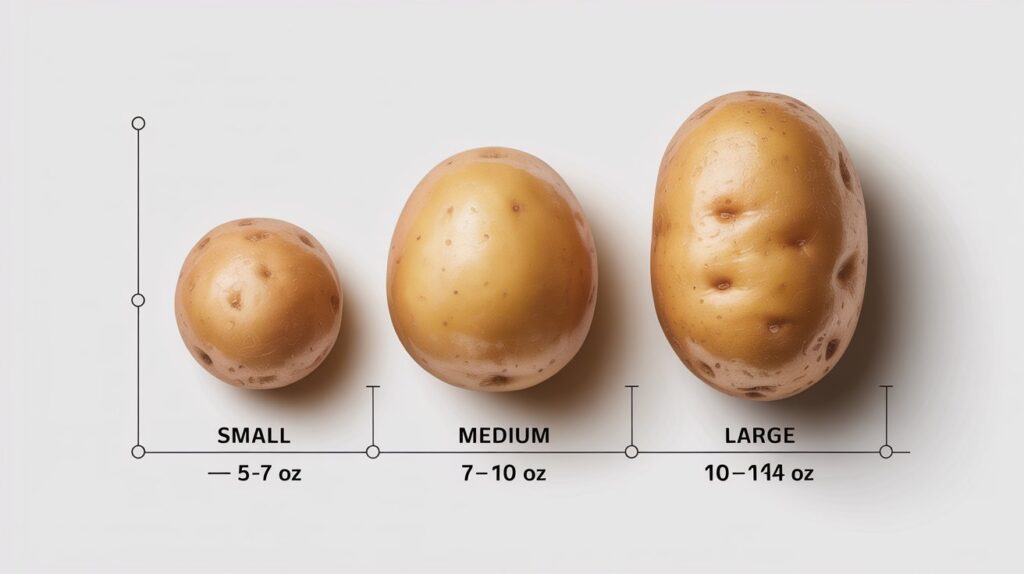
Understanding the size of russet potatoes is crucial for determining cooking times and methods, ensuring perfectly cooked dishes every time. This size chart categorizes russet potatoes into small, medium, and large, providing you with measurements and ideal cooking recommendations for each size.
| Small | 5-7 oz | 140-200 g | Boil, Bake | Potato Salad, Mini Baked Potatoes |
| Medium | 7-10 oz | 200-280 g | Roast, Mash | Mashed Potatoes, Roasted Potatoes |
| Large | 10-14 oz | 280-400 g | Bake, Fry | Baked Potatoes, French Fries |
Chef’s tip: Always choose russet potatoes that feel firm and heavy for their size, and avoid any that have soft spots or blemishes.
Referencing this size chart will help you select the right russet potato for your culinary creations, ensuring that each dish turns out beautifully. Remember, different sizes require different cooking times, so keep this handy for your next kitchen adventure!
Cooking Times and Methods
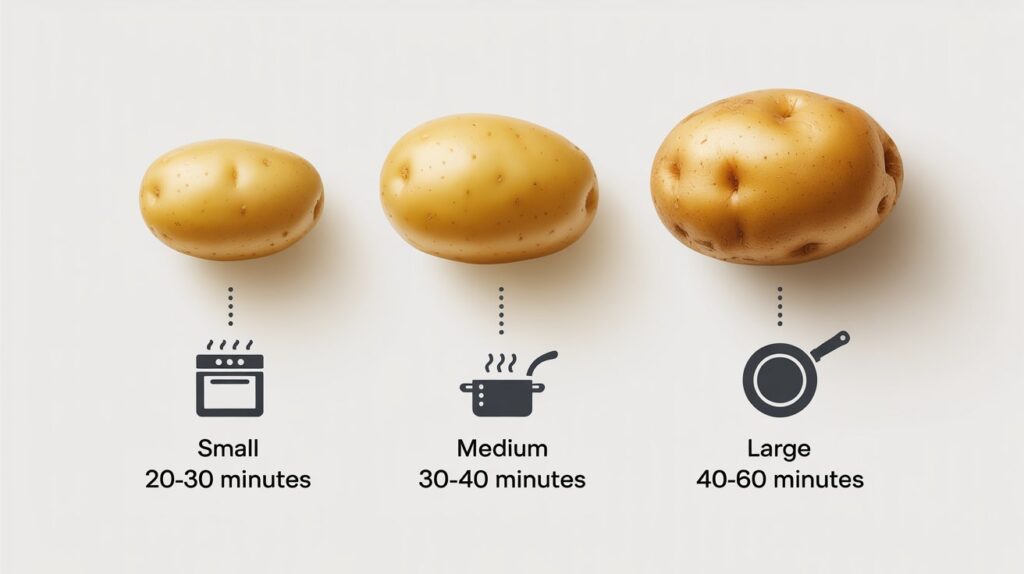
This section provides essential cooking times and methods for russet potatoes categorized by size: small, medium, and large. Knowing the right cooking technique and timing ensures your potatoes are perfectly cooked, fluffy, and flavorful, no matter the preparation method.
| Small (4-5 oz) | Baking | 30-35 minutes at 400°F (200°C) | Twice-Baked Potatoes |
| Medium (6-8 oz) | Boiling | 15-20 minutes until fork-tender | Mashed Potatoes |
| Large (9-12 oz) | Mashing | 20-25 minutes until soft | Potato Salad |
- For Baking: Preheat your oven to 400°F (200°C). Scrub the potatoes thoroughly and prick them with a fork to allow steam to escape. Bake until the skin is crispy and a fork easily pierces the flesh.
- For Boiling: Place the potatoes in a pot of cold, salted water. Bring to a boil and then reduce to a simmer. The potatoes are done when fork-tender, with no resistance.
- For Mashing: Boil the potatoes until soft, drain well, and return them to the pot. Add ¼ cup of milk and 2 tablespoons of butter, then mash until smooth and creamy.
Chef’s tip: For extra flavor in mashed potatoes, try adding roasted garlic or cream cheese!
Common Mistake: Ensure not to overcrowd the pot while boiling, as this can lead to uneven cooking.
Best Recipes by Size
Choosing the right recipe for your russet potato size ensures a delicious outcome every time. Here’s a handy guide that pairs each potato size with ideal cooking methods and tasty recipes that will make your meal unforgettable.
Small Russet Potatoes (2-4 oz)
Small russet potatoes are perfect for roasting or as a side dish. They’re often sweeter and creamier, making them a delightful addition to any meal.
- Recipe: Roasted Baby Russets with Garlic and Herbs
- Ingredients:
- 1 lb small russet potatoes (450g)
- 2 tablespoons olive oil
- 4 cloves garlic, minced
- 1 tablespoon fresh rosemary, chopped
- Salt and pepper to taste
- Cooking Method: Roast at 400°F (200°C) for 25-30 minutes until golden brown.
Medium Russet Potatoes (5-7 oz)
Medium russets are incredibly versatile, making them ideal for mashing, baking, or frying. Their fluffy texture is perfect for comfort foods.
- Recipe: Classic Mashed Potatoes
- Ingredients:
- 2 medium russet potatoes (about 1 lb or 450g)
- ¼ cup milk (60ml)
- 3 tablespoons butter
- Salt and pepper to taste
- Cooking Method: Boil for 15-20 minutes until fork-tender, then mash.
Large Russet Potatoes (8 oz and up)
Large russet potatoes are great for baked potatoes or fries. Their size allows for a hearty meal that can stand on its own.
- Recipe: Loaded Baked Potato
- Ingredients:
- 1 large russet potato (about 10 oz or 280g)
- ½ cup shredded cheddar cheese (60g)
- ¼ cup sour cream (60g)
- 2 tablespoons green onions, chopped
- Salt and pepper to taste
- Cooking Method: Bake at 425°F (220°C) for 45-60 minutes until tender.
Chef’s tip: For the best flavor, let your baked potato cool for a few minutes before topping!
Selecting Quality Russet Potatoes
Choosing the right russet potatoes based on size is crucial for achieving the best results in your cooking. Each size has its unique characteristics and ideal cooking methods, which can affect the flavor and texture of your dish. Here’s how to select quality russet potatoes according to their size.
- Inspect the Skin: Look for russet potatoes with firm, smooth skin that is free from blemishes or soft spots. Avoid any potatoes that show signs of greening, as this indicates the presence of solanine, which can be toxic.
- Check the Size: Determine what size you need for your recipe. Small russets typically weigh about 4-6 ounces, medium weigh around 7-10 ounces, and large russets are 11 ounces or more. Smaller potatoes are great for roasting, while larger ones are perfect for baking or mashing.
- Feel for Firmness: Gently squeeze the potatoes to ensure they are firm. If they feel soft or yield easily, they may be past their prime. Fresh russet potatoes should feel solid and heavy for their size.
- Assess for Sprouting: Look for any eyes or sprouts on the potatoes. While a few small sprouts can be removed, potatoes with extensive sprouting should be avoided, as they can taste bitter and have a compromised texture.
- Smell the Potatoes: Fresh russet potatoes should have a clean, earthy smell. If they emit an off or sour odor, it’s best to leave them behind.
Visual Guide to Potato Sizes
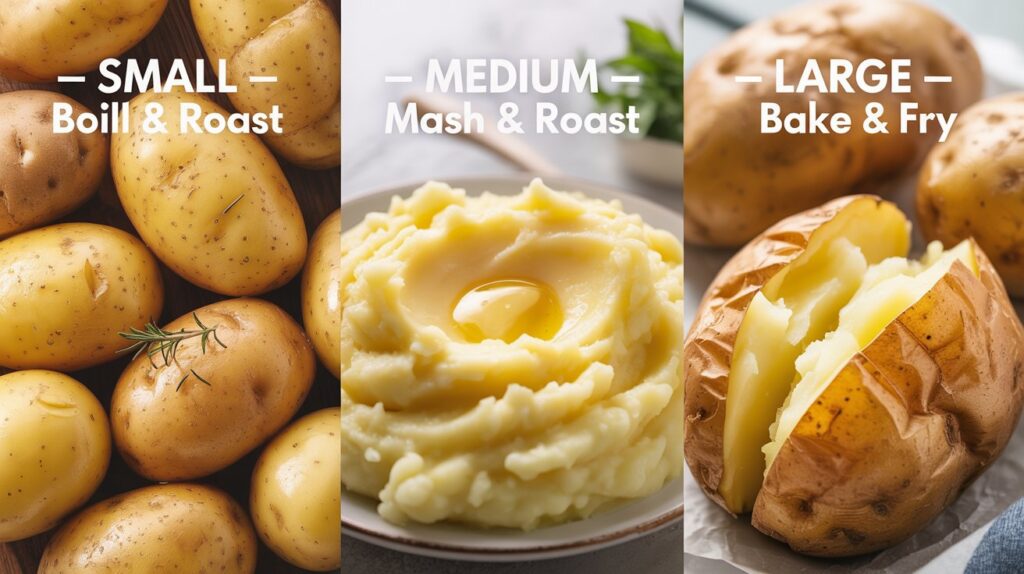
This section provides a clear visual representation of russet potato sizes, categorized into small, medium, and large. Understanding these sizes is essential for selecting the right potatoes for your recipes, ensuring optimal cooking results and flavor.
| Small | 4-6 ounces (113-170 g) | 15-20 minutes | Boiling, Roasting | Potato Salad, Roasted Baby Potatoes |
| Medium | 7-10 ounces (198-283 g) | 20-25 minutes | Baking, Mashing | Classic Mashed Potatoes, Baked Potatoes |
| Large | 11-14 ounces (311-397 g) | 30-35 minutes | Stuffing, Frying | Loaded Baked Potatoes, French Fries |
Chef’s tip: When boiling potatoes, make sure they are all roughly the same size for even cooking. If you have a mix of sizes, cut the larger ones to match the smaller ones.
By familiarizing yourself with these sizes, you can better plan your meals. Remember that cooking times may vary slightly based on your stove and the size of the pot, so check for doneness by piercing the potatoes with a fork; they should be tender and easy to pierce.
Common Cooking Mistakes
Understanding common mistakes when cooking russet potatoes can significantly elevate your culinary skills. By avoiding these pitfalls, you’ll ensure that every dish turns out perfectly, showcasing the best flavors and textures of your potatoes.
- Choosing the wrong size for the cooking method: Small russet potatoes (4-6 oz) are perfect for roasting or steaming, while larger ones (8 oz and up) are better suited for baking or mashing. Always match the size of the potato to the cooking method for optimal results.
- Not adjusting cooking times: Cooking times vary dramatically between sizes. For instance, small potatoes may only need 25-30 minutes at 400°F (200°C), while large potatoes could take 45-60 minutes. Use a fork to check for doneness; they should feel tender but not mushy.
- Overcrowding the pan: When roasting or frying, avoid placing too many potatoes in the pan at once. This leads to steaming instead of browning, resulting in a less appealing texture. Ensure there’s space between each potato for even cooking.
- Skipping the rinse: Before cooking, rinse russet potatoes under cold water to remove excess starch and dirt. Not rinsing can lead to gummy textures, especially when mashing. Pat them dry with a clean towel afterwards.
- Ignoring the skin: The skin of russet potatoes contains nutrients and contributes to flavor. If you’re not going to peel them, scrub them well before cooking. For baked potatoes, leave the skin on for a crispy texture.
- Not seasoning adequately: Potatoes can be bland without proper seasoning. For best results, season with salt before cooking—especially when baking. A sprinkle of salt enhances the natural flavors beautifully.
Quick Summary
- Prep Time: 10 minutes
- Cook Time: Varies by size (20-60 minutes)
- Total Time: Up to 1 hour
- Servings: Varies based on portion size
| Potato Size | Weight (lbs) | Cooking Time |
|---|---|---|
| Small | 6-8 oz | 20-30 minutes |
| Medium | 8-12 oz | 30-40 minutes |
| Large | 12-18 oz | 40-60 minutes |
- Measure accurately: Weigh potatoes for precise cooking times.
- Uniform size: Choose similarly sized potatoes for even cooking.
- Check doneness: Use a fork to ensure potatoes are tender throughout.
- Steam or boil: Helps maintain moisture and flavor in larger potatoes.
- Rest before serving: Let potatoes sit for a few minutes to enhance texture.
Frequently Asked Questions
Can I make this ahead of time? How to store and reheat?
You can prepare russet potatoes ahead of time by washing and cutting them, then storing them in a bowl of cold water in the fridge for up to 24 hours. To reheat, simply boil or bake until heated through, about 15-20 minutes.
What can I substitute for russet potatoes?
If you need a substitute, you can use Yukon Gold potatoes for a creamier texture, or red potatoes for a firmer bite. Keep in mind that cooking times may vary slightly based on the size and type of potato used.
How do I know when my russet potatoes are done?
Your russet potatoes are done when they are fork-tender, which usually takes about 45-60 minutes when baked at 400°F (200°C). If you’re boiling, aim for about 15-20 minutes of simmering.
Can I freeze russet potatoes? How long does it last?
You can freeze russet potatoes, but it’s best to blanch them first to maintain quality; they will last in the freezer for up to 6 months. After blanching, cool them quickly in ice water, drain, and store in airtight bags.
What if I don’t have a kitchen scale to weigh my potatoes?
If you don’t have a kitchen scale, you can use size as a guide: a medium russet potato typically weighs around 5-7 ounces. You can also estimate by using a measuring cup; one medium potato approximately equals 1 cup of cubed potatoes.
