
Are you tired of guessing the right size of rice noodles without egg for your favorite recipes? Getting the perfect noodle size can change your dish from ordinary to extraordinary.
Whether you’re cooking a stir-fry, soup, or salad, knowing the exact measurements helps you achieve the best texture and taste every time. In this guide, you’ll find an easy-to-follow size chart that takes the guesswork out of your cooking. Keep reading to discover how simple it is to pick the right rice noodles without egg and make your meals truly delicious.
Rice Noodle Types
Rice noodles come in many shapes and sizes. Each type offers a unique texture and cooking style. Knowing the different kinds helps you choose the best noodle for your dish.
Rice noodles without egg are popular in many Asian recipes. They are light, gluten-free, and easy to digest. Below are common rice noodle types and their typical sizes.
Thin Rice Noodles
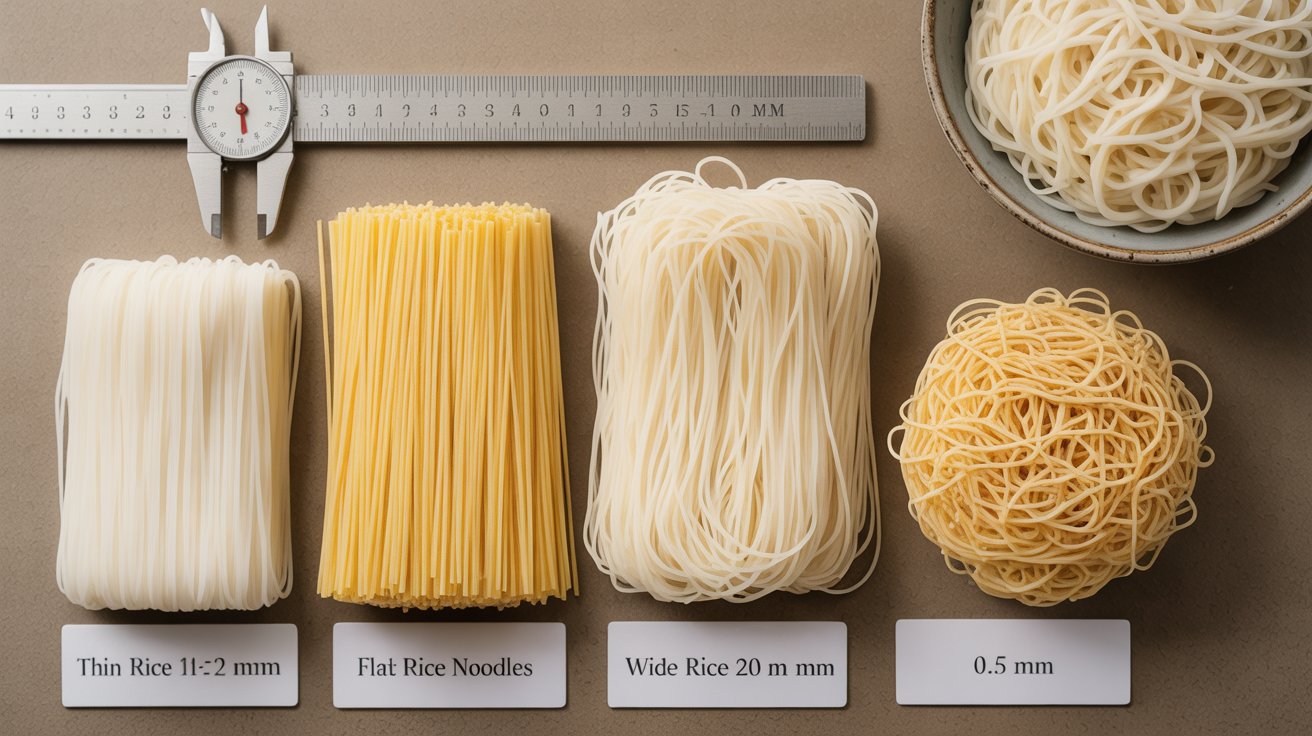
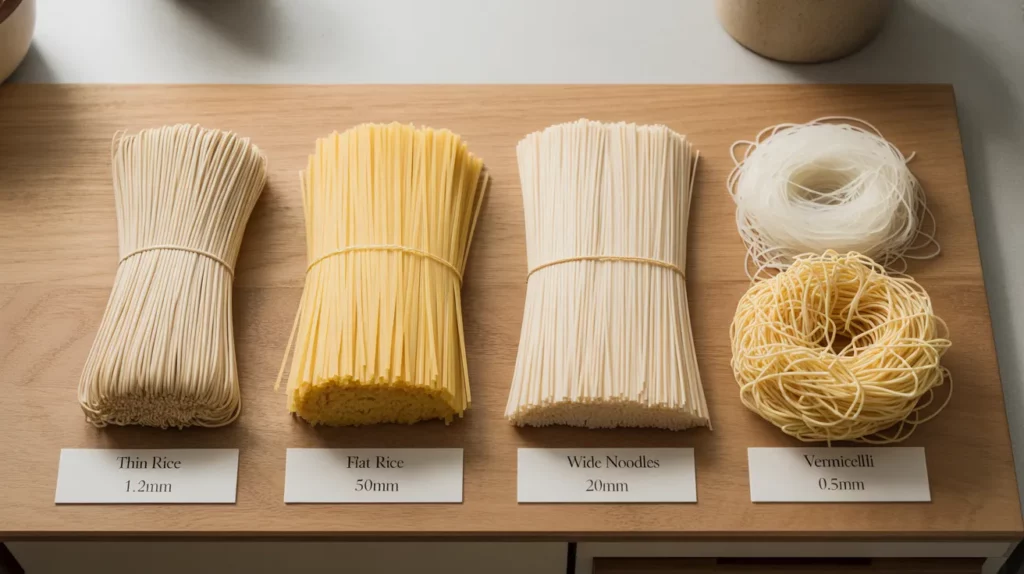
Thin rice noodles look like delicate threads. They measure about 1-2 millimeters wide. These noodles cook very fast and are perfect in soups and stir-fries. They absorb sauces well, making dishes flavorful.
Flat Rice Noodles
Flat rice noodles are wider and smooth. Their width ranges from 5 to 10 millimeters. These noodles hold up well in dishes with thick sauces. They add a chewy texture and look great in pad thai or chow fun.
Wide Rice Noodles
Wide rice noodles can be up to 20 millimeters broad. They have a soft and slippery feel. Often used in hearty meals, they carry bold flavors beautifully. These noodles work well in braised dishes or stir-fried plates.
Vermicelli Noodles
Vermicelli noodles are very thin, about 0.5 millimeters wide. They look like fine hair strands. These noodles cook quickly and suit cold salads or light soups. Their delicate texture makes dishes refreshing and light.
Noodle Sizes Explained
Understanding rice noodle sizes helps you choose the right type for each dish. Rice noodles come in many widths, shapes, and textures. Knowing their sizes can improve your cooking and eating experience. This section explains how noodle sizes are measured and how size affects cooking.
Rice Noodles Without Egg Size Chart
| Noodle Type | Width | Texture After Cooking | Best For | Avg. Cook Time |
|---|---|---|---|---|
| Vermicelli | 0.5 mm | Very thin, soft | Salads, fresh rolls, light soups | 1–2 mins soak/boil |
| Thin Rice Noodles | 1–2 mm | Light, tender, absorbs sauce quickly | Soups, light stir-fries | 2–3 mins |
| Flat Rice Noodles (Medium) | 5–10 mm | Chewy, holds sauce well | Pad Thai, chow fun, stir-fries | 4–6 mins |
| Wide Rice Noodles | 12–20 mm | Soft, silky, hearty | Braised dishes, heavy stir-fries | 6–8 mins |
Measuring Width
Noodle width is the main way to describe size. It is the distance across a single noodle strand. Width is usually measured in millimeters or inches. Thin noodles are about 1-2 mm wide. Medium noodles range from 3-5 mm. Wide noodles are 6 mm or more. Measuring width helps you pick noodles for soups, stir-fries, or salads.
Common Size Variations
Rice noodles come in several common widths. Thin rice vermicelli is the smallest type. It is often used in light soups or fresh rolls. Medium-width noodles suit most stir-fry dishes. Wide noodles are popular in hearty meals like pad see ew. Each size brings a different texture and mouthfeel to your dish.
Impact On Cooking Time
Noodle size affects how long to cook them. Thin noodles cook very quickly, usually under two minutes. Medium noodles need about three to five minutes. Wide noodles take the longest, sometimes up to seven minutes. Overcooking can make noodles mushy. Watch cooking times closely for perfect texture.
Choosing Noodles Without Egg
Choosing rice noodles without egg is important for many people. Some avoid eggs due to allergies or diet choices. Others want simple, pure ingredients in their food. Knowing what to look for helps pick the right noodles. This section explains what to check and why it matters.
Ingredients To Check
Rice noodles without egg usually list rice flour and water as main ingredients. Check the label carefully for any mention of egg or egg powder. Some brands add egg to improve texture. Avoid noodles with added coloring or preservatives. Pure rice noodles have fewer ingredients and taste better.
Health Benefits
Noodles without egg are often lower in fat and cholesterol. They suit vegetarian and vegan diets. Rice noodles are gluten-free and easy to digest. They provide energy without heavy calories. These noodles are a good choice for light, healthy meals.
Allergy Considerations
Egg allergies affect many people worldwide. Eating noodles with egg can cause reactions like itching or swelling. Choosing egg-free noodles reduces allergy risks. Always check for cross-contamination warnings on the package. Safe choices protect health and provide peace of mind.
Cooking Tips For Perfect Pasta
Cooking rice noodles without egg requires care to get the right texture. Perfect pasta means noodles that are soft but not mushy. Knowing how to prepare rice noodles helps avoid common mistakes. Use these tips to cook rice noodles of different sizes just right.
Soaking Vs Boiling
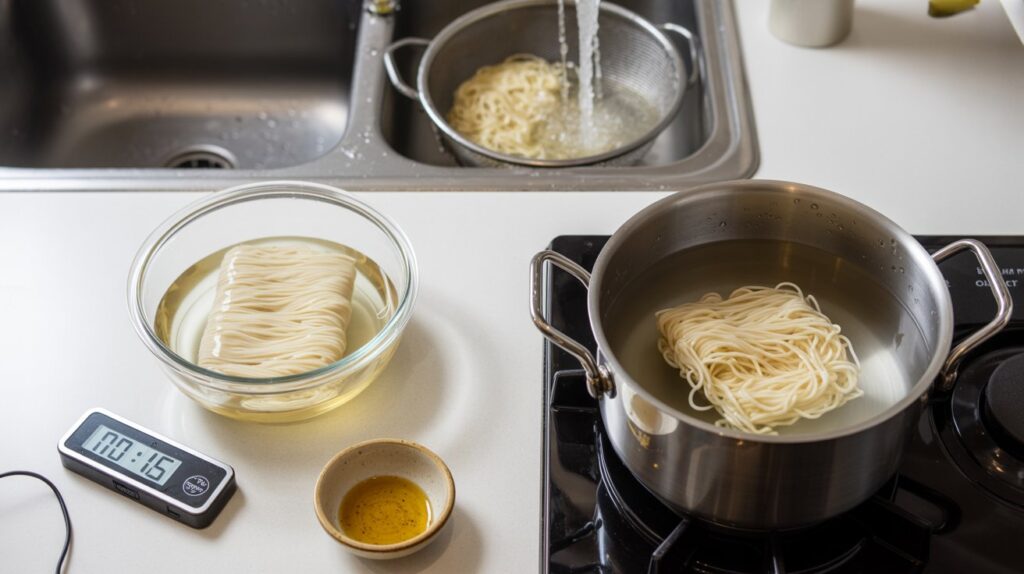
Rice noodles can be soaked or boiled. Soaking softens noodles gently without breaking them. Boiling cooks noodles quickly but can cause them to stick. Thin noodles soak well in warm water for 10-15 minutes. Thicker noodles may need brief boiling for 2-3 minutes. Choose soaking for delicate noodles and boiling for thick ones.
Timing For Different Sizes
Rice noodle size affects cooking time. Small noodles cook faster, usually 2-4 minutes. Medium sizes need 4-6 minutes to soften. Large noodles take 6-8 minutes or a little longer. Check noodles often to avoid overcooking. Drain noodles as soon as they are tender but firm.
Avoiding Overcooking
Overcooked rice noodles become sticky and mushy. Rinse noodles with cold water to stop cooking. Toss noodles with a little oil to prevent sticking. Drain noodles well before adding sauces or stir-frying. Serve noodles immediately for best texture and taste.
Pairing Noodles With Dishes
Pairing rice noodles without egg with the right dishes improves taste and texture. Different noodle sizes suit different meals. Choose thin noodles for light dishes and thicker ones for hearty meals. This guide helps match noodle size with flavors and cooking styles.
Soups And Broths
Thin rice noodles work best in soups and broths. They cook quickly and absorb flavors well. Use small or medium noodles for chicken, beef, or vegetable soups. Thick noodles can make the soup heavy and hard to eat. Clear broths highlight the delicate texture of rice noodles.
Stir-fry Combinations
Medium and wide rice noodles are perfect for stir-fries. They hold sauce well and stay firm after cooking. Combine with vegetables, tofu, or meat for a balanced meal. Stir-frying keeps noodles slightly chewy and flavorful. Avoid very thin noodles as they may break during cooking.
Cold Noodle Salads
Cold noodle salads taste best with medium or thin rice noodles. These noodles stay soft but not mushy when chilled. Toss with fresh vegetables and light dressings like lime or soy sauce. Cold dishes highlight the noodles’ smooth texture. Choose noodle size based on salad ingredients and desired bite.
Storing And Handling
Proper storing and handling of rice noodles without egg is key for freshness and taste. Keeping noodles in good condition avoids spoilage and waste. Follow simple steps to store dry and cooked noodles safely.
Dry Noodle Storage
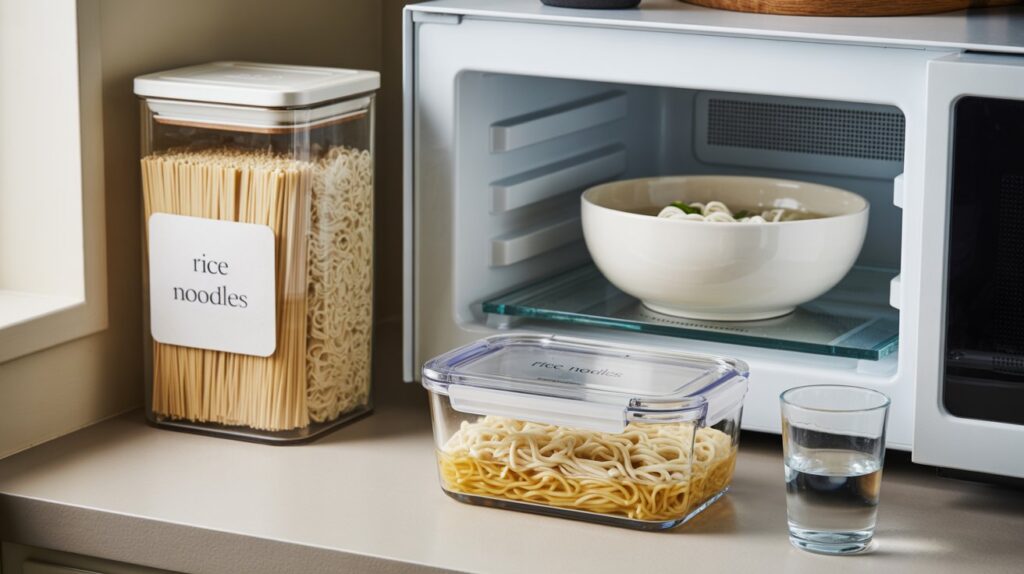
Store dry rice noodles in an airtight container. Keep them in a cool, dry place away from sunlight. Avoid moisture to prevent clumping and mold growth. Use the noodles before the expiration date on the package. Proper storage keeps noodles fresh for months.
Cooked Noodle Preservation
Cool cooked noodles quickly after cooking. Place them in an airtight container or a sealed bag. Store in the refrigerator for up to 3 days. Separate noodles with a little oil to stop sticking. Do not leave cooked noodles at room temperature for long.
Reheating Tips
Reheat noodles gently to keep texture. Use a microwave or warm water bath for soft heating. Avoid overheating as noodles may become mushy. Stir noodles during reheating for even warmth. Add a splash of water or broth to keep noodles moist.
Frequently Asked Questions
What Sizes Do Rice Noodles Without Egg Come In?
Rice noodles without egg come in various sizes, from thin vermicelli to wide flat sheets. Common sizes include 1mm, 3mm, and 5mm widths. These sizes suit different recipes like soups, stir-fries, and salads, offering versatility in cooking.
How To Choose The Right Size Of Rice Noodles?
Choose rice noodle size based on your recipe and texture preference. Thin noodles suit soups and light dishes. Medium sizes work well in stir-fries. Wide noodles are ideal for wrapping or layering in casseroles. Size affects cooking time and dish presentation.
Are Rice Noodles Without Egg Gluten-free?
Yes, rice noodles without egg are naturally gluten-free. They are made from rice flour and water, making them safe for gluten-sensitive diets. However, always check packaging for cross-contamination warnings if you have celiac disease or severe gluten intolerance.
Can Rice Noodles Without Egg Replace Egg Noodles?
Rice noodles without egg can replace egg noodles in many dishes. They offer a similar texture but are lighter and gluten-free. Adjust cooking times as rice noodles cook faster. This swap benefits those with egg allergies or dietary restrictions.
Conclusion
Rice noodles come in many sizes without eggs. Each size suits different recipes and dishes. Knowing the right size helps you cook better meals. Use this size chart to pick the noodles you want. Cooking with the right noodle size saves time and improves taste.
Try different sizes to find what you like best. Enjoy your cooking and tasty rice noodle dishes every time.
