
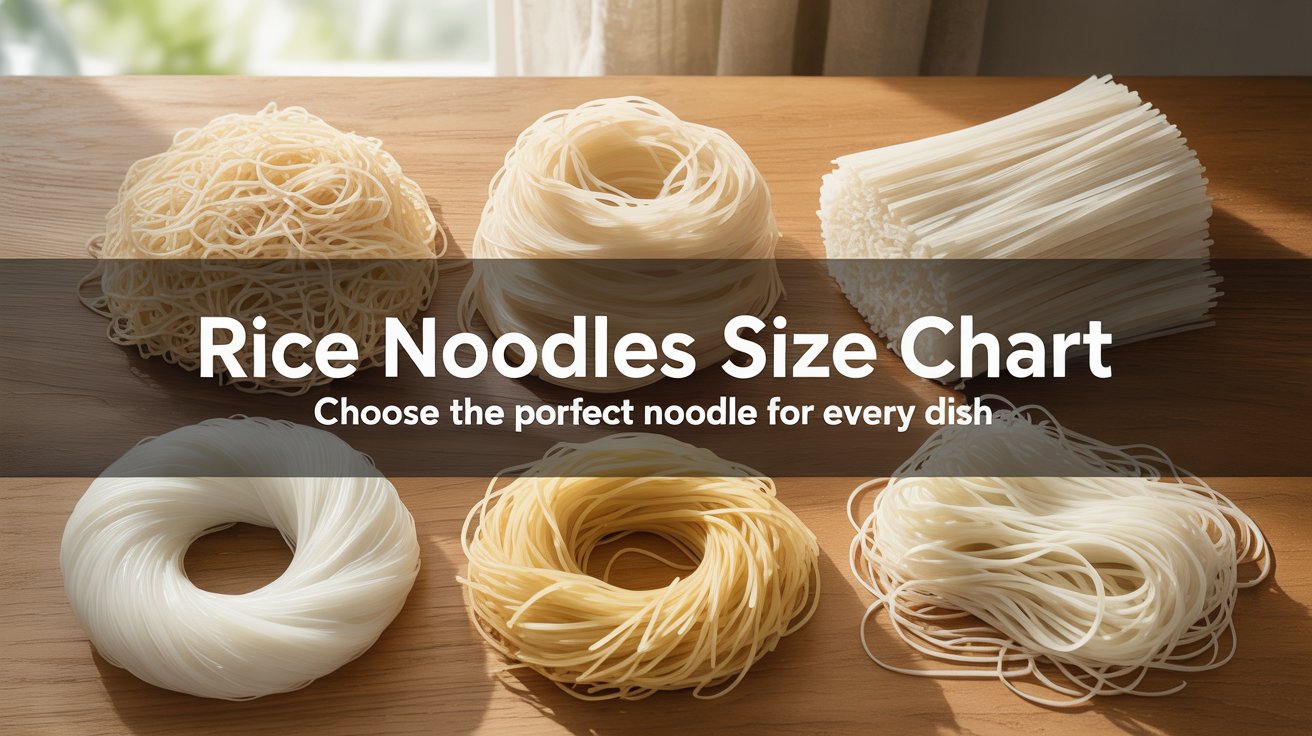
Are you confused about the different sizes of rice noodles and which one to choose for your favorite dish? You’re not alone.
Rice noodles come in many shapes and sizes, and picking the right one can make all the difference in taste and texture. This size chart will help you understand each type quickly, so you can cook with confidence and impress everyone at the table.
Keep reading to discover how to match the perfect rice noodle size to your recipes and elevate your meals every time.
Rice Noodle Types
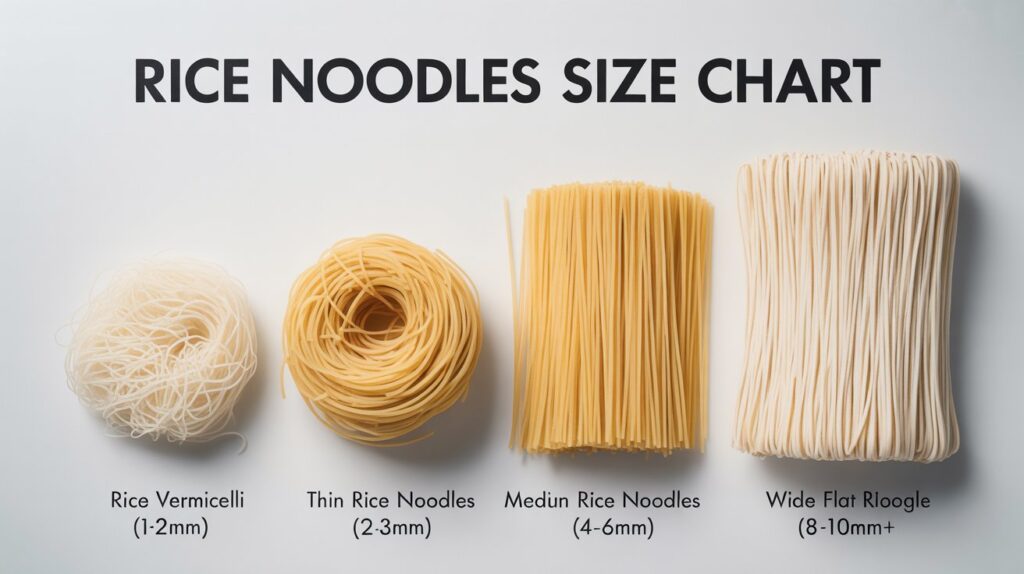
Rice noodles come in many types, each with unique sizes and uses. Knowing the differences helps in cooking and choosing the right noodle for recipes. Rice noodles vary from thin strands to wide sheets, fitting various dishes. Understanding these types makes your meals authentic and tasty.
Rice Noodles Size Chart
| Rice Noodle Type | Width (Approx.) | Best Used For | Texture After Cooking |
|---|---|---|---|
| Rice Vermicelli | 1–2 mm | Soups, spring rolls, salads | Very soft, light |
| Thin Rice Noodles | 2–3 mm | Pho, light stir-fries | Soft, smooth |
| Medium Rice Noodles | 4–6 mm | Pad Thai, noodle salads | Slightly chewy |
| Wide Rice Noodles | 8–10 mm+ | Pad See Ew, hearty stir-fries | Chewy, filling |
Thin Rice Noodles
Thin rice noodles are delicate and cook very fast. They are often used in soups and stir-fries. These noodles absorb flavors quickly, making dishes flavorful. They have a smooth texture and light taste.
Medium Rice Noodles
Medium rice noodles are thicker than thin ones but still soft. They work well in noodle salads and fried dishes. Their size holds sauces better. They provide a slightly chewy bite that many enjoy.
Wide Rice Noodles
Wide rice noodles are flat and broad, perfect for hearty meals. They are common in dishes like Pad See Ew or stir-fried noodles. These noodles have a chewy texture and hold rich sauces well. Their size makes them filling and satisfying.
Rice Vermicelli
Rice vermicelli are very thin and thread-like noodles. They are popular in cold salads and spring rolls. These noodles cook fast and separate easily. They add a light, fresh touch to many dishes.
Measuring Rice Noodle Sizes
Measuring rice noodle sizes helps you choose the right type for your dish. Rice noodles come in different shapes and sizes. Knowing their width, thickness, and length makes cooking easier. It also affects texture and cooking time. Understanding packaging labels can save time at the store.
Width And Thickness
Rice noodles vary in width from very thin to wide. Thin noodles are usually around 1 to 2 millimeters wide. Wide rice noodles can be 10 millimeters or more. Thickness affects how soft or chewy the noodles become. Thicker noodles take longer to cook. Thin noodles cook quickly and are delicate.
Length Variations
Rice noodles come in long strands or shorter pieces. Long noodles are often used in soups and stir-fries. Shorter noodles are common in salads and spring rolls. Cutting noodles into smaller sizes helps with easy eating. Some dishes require specific noodle lengths for the best texture.
Packaging Labels
Labels on rice noodle packages provide size details. Look for terms like “thin,” “medium,” or “wide.” Some packages list exact measurements in millimeters. Cooking time information also helps select the right noodle size. Check for usage suggestions to match the dish type.
Choosing Noodles For Dishes
Choosing the right rice noodles can change the taste and texture of your dish. Different sizes suit different recipes. Thin noodles absorb flavors quickly. Thick noodles add more bite and chewiness. Knowing noodle sizes helps create perfect meals every time.
Soups And Broths
Thin rice noodles work best in soups and broths. They cook fast and soak up the broth’s flavor. Small or vermicelli noodles blend well with light broths. They make the soup smooth and easy to eat. Thick noodles may become too soft in hot liquids.
Stir-fries
Medium or wide rice noodles are ideal for stir-fries. They hold up well to high heat and tossing. These noodles keep their shape and texture after cooking. They mix nicely with vegetables and sauces. Thin noodles can break apart in stir-fry dishes.
Salads
Thin or medium rice noodles suit cold salads best. They stay firm and absorb dressings without getting mushy. These noodles add a light texture to fresh veggies and herbs. Thick noodles might feel heavy in salad dishes.
Spring Rolls And Wraps
Thin rice noodles are perfect for spring rolls and wraps. They roll easily without bulk. These noodles add a delicate touch and mild flavor. Thick noodles can make the rolls hard to wrap and eat. Use thin noodles to keep rolls light and tasty.
Cooking Tips By Noodle Size
Cooking rice noodles properly depends on their size. Different sizes need different care to get the best texture. Knowing how long to soak or boil helps avoid mushy or hard noodles. These tips will guide you to perfect noodles every time.
Small, medium, and large rice noodles each have their own cooking needs. Follow these simple steps to match the right time and method to your noodle size.
Soaking And Boiling Times
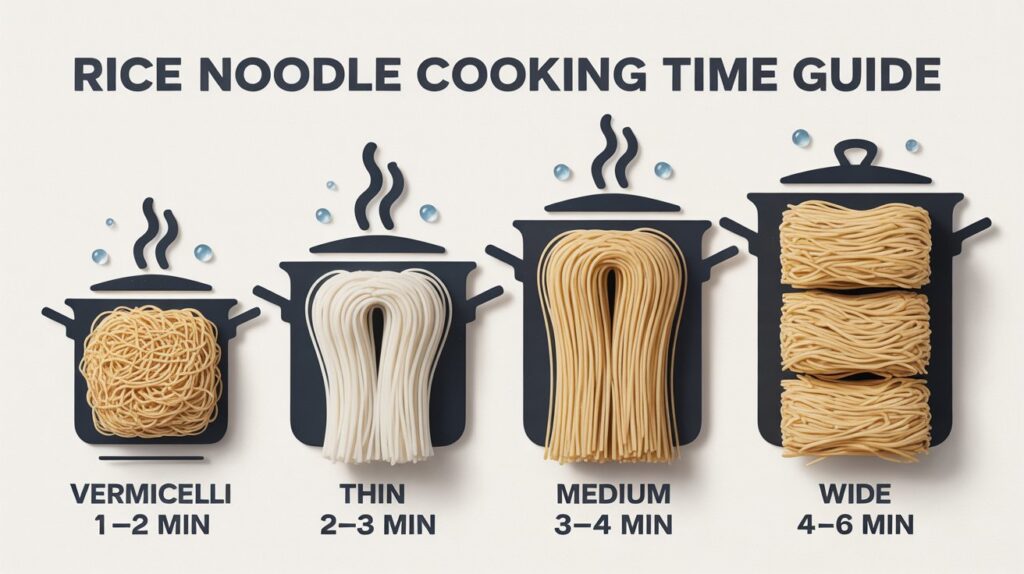
Thin rice noodles soak for just 5 to 10 minutes in warm water. They cook fast and need only a short boil, about 1 to 2 minutes. Medium noodles soak for 10 to 15 minutes and boil for 2 to 3 minutes. Thick noodles take longer, soaking 15 to 20 minutes and boiling for 3 to 5 minutes. Adjust times by noodle size to avoid undercooking or overcooking.
Texture Preferences
Soft noodles work well in soups and stir-fries. Firmer noodles suit salads and cold dishes. Soak longer for softer noodles, less for firm noodles. Boil just until noodles turn translucent and tender. Taste noodles during cooking to find your preferred texture.
Avoiding Overcooking
Rice noodles become mushy if cooked too long. Drain noodles immediately after boiling. Rinse with cold water to stop cooking. Toss noodles with a little oil to prevent sticking. Serve noodles quickly for the best texture and flavor.
Common Rice Noodle Brands
Rice noodles come in many sizes and types. Choosing the right brand can affect taste and texture. Some brands focus on tradition, others on health or price. Below are popular rice noodle brands in different categories.
Asian Market Favorites
Asian market brands often use traditional recipes. They offer authentic flavors and textures. Brands like Thai Kitchen and A Taste of Thai are well-known. These noodles are usually thin or medium-sized. They work well in stir-fries and soups.
Organic And Gluten-free Options
Health-conscious buyers prefer organic and gluten-free brands. Lotus Foods and Annie Chun’s provide clean-label options. Their noodles are made from organic rice. These brands avoid additives and preservatives. Perfect for those with dietary restrictions.
Budget-friendly Picks
Affordable brands do not compromise quality. Great Value and Dynasty offer rice noodles at low prices. These brands are easy to find in supermarkets. They suit everyday cooking and large meals. Ideal for families and casual cooks.
Storing And Shelf Life
Knowing how to store rice noodles properly keeps them fresh and tasty. Different types need different care. Dry rice noodles last longer, but fresh ones spoil quickly. Storing them right helps avoid waste and saves money. Here is how to handle both types and tips for freezing rice noodles.
Dry Rice Noodles
Dry rice noodles come in sealed packets. Store them in a cool, dry place. Avoid sunlight and moisture. Keep the package closed tightly after opening. They usually last for one year. Check the expiration date on the package. If they smell strange or look discolored, throw them away.
Fresh Rice Noodles
Fresh rice noodles are soft and moist. Store them in the fridge inside a sealed container. Use within two days for the best taste. If they dry out or get slimy, do not eat. Fresh rice noodles can spoil fast, so always check before cooking.
Freezing Techniques
Freezing rice noodles extends their shelf life. For dry noodles, freezing is not needed. For fresh noodles, place them in a freezer-safe bag. Remove as much air as possible. Freeze for up to two months. Thaw in the fridge before use. Avoid refreezing noodles once thawed to keep texture good.
Frequently Asked Questions
What Are The Common Sizes Of Rice Noodles?
Rice noodles come in various sizes, including thin (vermicelli), medium, and wide flat noodles. Thin noodles are often used in soups, while wider ones are great for stir-fries and salads. Knowing the size helps you choose the right noodle for your recipe.
How To Measure Rice Noodles Size Accurately?
Measure rice noodles by their width in millimeters or inches. Use a ruler or measuring tape on uncooked noodles for precision. Size affects cooking time and dish texture, so accurate measurement ensures the best culinary results.
Why Does Rice Noodle Size Matter In Recipes?
Noodle size impacts cooking time, texture, and sauce absorption. Thin noodles cook quickly and suit soups, while wider noodles hold more sauce and work well in stir-fries. Choosing the right size enhances your dish’s flavor and presentation.
Are Rice Noodles Sizes Standardized Worldwide?
Rice noodle sizes vary by region and brand. There’s no global standard, but common categories include thin, medium, and wide. Always check packaging or size charts to match noodles with your recipe requirements.
Conclusion
Rice noodles come in many sizes for different dishes. Knowing their sizes helps you cook better meals. Thin noodles work well for soups and light dishes. Thicker noodles suit stir-fries and hearty recipes. Use this size chart to choose noodles with confidence.
Enjoy cooking and tasting your favorite rice noodle dishes!
