
Are you confused about which ramen noodle size is right for your recipe or meal? Understanding the different sizes can change how your dish turns out, from texture to cooking time.
Whether you’re cooking for one or a group, knowing the perfect noodle size helps you get the taste and experience just right. Keep reading, and you’ll discover a clear, simple ramen noodles size chart that makes choosing easier than ever.
Your next bowl of ramen is about to get a whole lot better.
Types Of Ramen Noodles
Ramen noodles come in many types. Each type changes the taste and texture of the dish. Knowing the differences helps you enjoy ramen better. Noodle size and shape play a big role in the eating experience. Let’s explore the main types of ramen noodles.
Fresh Vs. Instant
Fresh ramen noodles are made from wheat flour and water. They have a soft texture and cook quickly. Fresh noodles absorb soup flavor well. Instant noodles are dried and often fried. They last longer but have a different texture. Instant noodles cook fast but taste less rich.
Regional Varieties
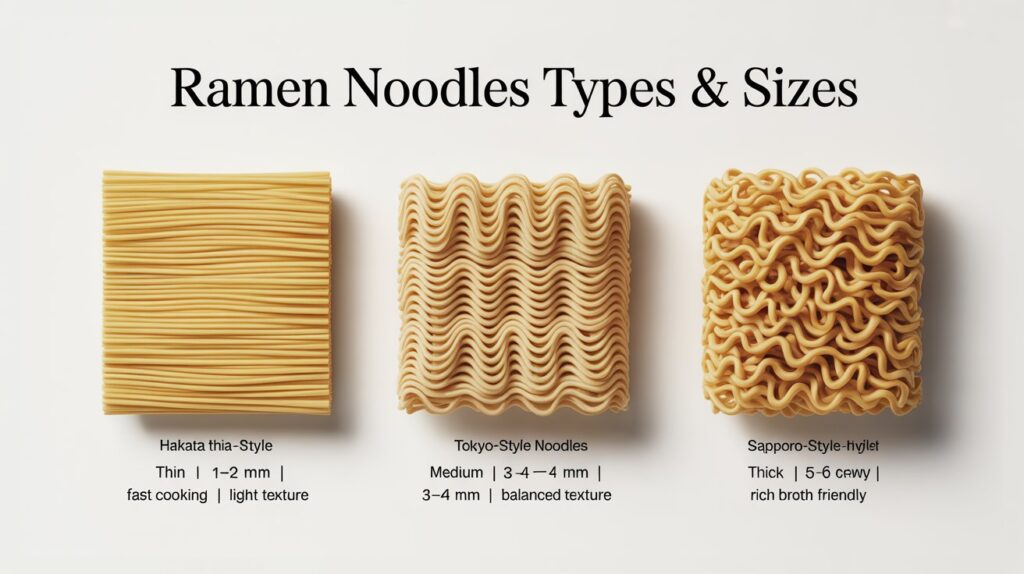
Different regions in Japan have unique ramen styles. Sapporo ramen noodles are thick and curly. Hakata noodles are thin and straight. Tokyo ramen noodles are medium thickness and slightly curly. Each region’s noodles match their local soup flavors.
Thickness And Shape
Noodles vary in thickness from thin to thick. Thin noodles cook faster and feel light in the mouth. Thick noodles take longer to cook and feel chewy. Shapes include straight, wavy, and curly. Wavy noodles hold more broth, adding more flavor in each bite.
Standard Serving Sizes
Understanding the standard serving sizes of ramen noodles helps in cooking the right amount. It prevents waste and ensures a satisfying meal. Serving size depends on whether the noodles are dry or cooked. It also varies by individual appetite and recipe.
Below is a detailed breakdown of typical serving sizes to guide you.
Ramen Noodles Size Chart
| Noodle Size | Thickness | Dry Weight (per serving) | Cook Time | Texture Result | Best For |
|---|---|---|---|---|---|
| Thin | 1–2 mm | 70–80 g | 2–3 min | Soft, light | Hakata-style, quick meals |
| Medium | 2–3 mm | 85–100 g | 3–4 min | Balanced chew | Classic ramen bowls |
| Thick | 3–4 mm | 100–120 g | 4–5 min | Chewy, firm | Rich broths, hearty ramen |
Dry Noodle Weight
Dry ramen noodle packets usually weigh between 70 to 100 grams. This range is common for a single serving. The dry weight is important for measuring before cooking. It helps keep portions consistent.
Cooked Noodle Volume
After cooking, noodles absorb water and expand. A typical serving yields about 1 to 1.5 cups of cooked noodles. This volume depends on cooking time and water amount. Cooked volume gives a better sense of how much you eat.
Typical Portion For One
One serving typically equals one standard packet or about 85 grams dry. This portion suits most adults for a meal. Adjust the portion if you want a snack or a larger meal. Eating the right size helps maintain balanced nutrition.
Measuring Noodle Portions
Measuring noodle portions helps control serving sizes and avoid waste. It also ensures each bowl of ramen has the right noodle amount for taste and texture. Accurate portions make cooking easier and more consistent.
Using Kitchen Scales
Kitchen scales offer the most exact way to measure noodle portions. Place dry noodles on the scale to get the weight. Most ramen recipes list noodle weight in grams. Scales help keep portions uniform every time.
Visual Portion Estimates
Visual estimates work well without tools. For example, a small bundle of dry noodles about the size of a golf ball is often one serving. Using your hand or a measuring cup can guide portion size. This method suits quick meals or casual cooking.
Tools For Accurate Measurement
Besides scales, tools like noodle portion clips or rings help measure servings. These tools hold a specific noodle amount before cooking. They save time and reduce guesswork. Measuring cups can also help with cooked noodles.
Adjusting Portions By Meal Type
Adjusting ramen noodle portions depends on the meal type. Different meals need different amounts of noodles. Serving the right size helps avoid waste and keeps hunger away. This guide helps choose the perfect portion for each meal.
Light Snacks
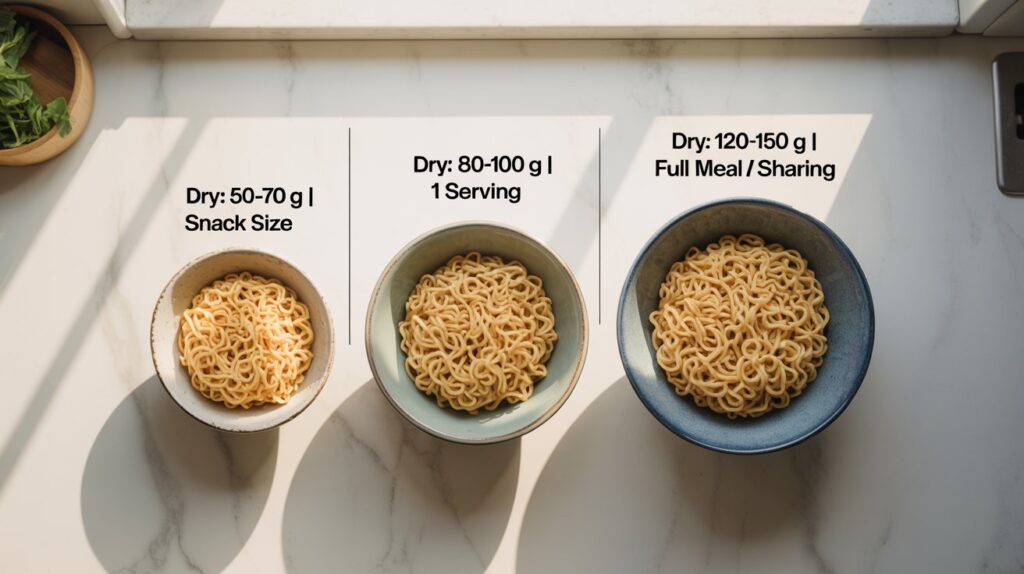
For a light snack, choose smaller portions. Around 50 to 70 grams of dry noodles works well. This amount is enough to satisfy without feeling too full. It’s perfect for a quick bite between meals.
Use smaller bowls to keep the snack light. Add simple toppings like green onions or a soft-boiled egg. These keep the snack tasty but not heavy.
Full Meals
Full meals need larger portions of ramen noodles. About 100 to 120 grams of dry noodles fits well. This size fills the stomach and provides enough energy. It suits lunch or dinner perfectly.
Include vegetables, protein, and broth to make the meal balanced. This helps you stay full and enjoy a complete dish. Adjust toppings based on your hunger level.
Sharing Portions
Sharing ramen is fun and social. For sharing, prepare larger portions of noodles. Around 150 to 200 grams of dry noodles works best. This amount feeds two or more people comfortably.
Use a large bowl or pot to mix noodles and broth. Add various toppings so everyone can enjoy different flavors. Sharing portions create a warm and friendly meal experience.
Calorie Count By Portion
Understanding the calorie count by portion helps control your diet. Ramen noodles come in different sizes and types. Each portion size has a different calorie number. Knowing these can help you eat wisely.
Instant Ramen Calories
Instant ramen noodles usually have more calories. A typical pack has around 380 to 500 calories. This depends on the flavor and size of the pack. The seasoning packet adds extra calories, mostly from salt and fat.
Portions vary, but the standard pack size is about 85 grams. Eating the whole pack means taking in all the calories. Many people eat more than one pack at a time.
Fresh Ramen Calories
Fresh ramen noodles have fewer calories than instant types. A typical serving of fresh noodles contains about 200 to 300 calories. These noodles are usually heavier and more filling. They have fewer preservatives and less fat.
The calorie count changes with the size of the serving. Fresh ramen often comes in bowls that weigh 150 to 200 grams. This makes a big difference in the total calories consumed.
Impact Of Toppings
Toppings change the calorie count a lot. Common toppings include eggs, pork, vegetables, and seaweed. Eggs add about 70 calories each. Pork slices can add around 150 calories or more.
Vegetables add fewer calories but increase volume and nutrition. Seaweed and green onions add almost no calories. Choosing toppings wisely can lower or raise total calories.
Portion Tips For Cooking
Cooking the right portion of ramen noodles affects taste and texture. Using the right size from the ramen noodles size chart helps prevent waste. It also ensures a perfect meal every time. Understanding how to cook portions properly makes the cooking process easier. Here are some tips for portion control during cooking.
Cooking Time And Texture
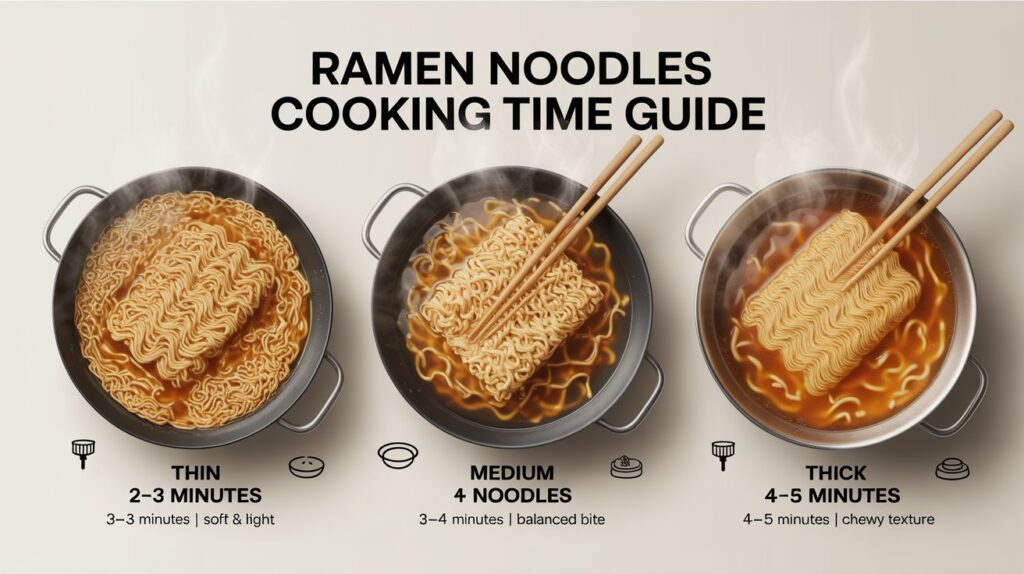
Cooking time depends on the noodle size and portion. Thinner noodles cook faster, usually 2 to 3 minutes. Thicker noodles need 4 to 5 minutes to soften. Watch the noodles closely to get the best texture. Softer noodles feel smooth, while firmer noodles have a slight bite. Adjust cooking time to suit your taste.
Avoiding Overcooking
Overcooked noodles become mushy and lose flavor. Drain noodles as soon as they reach the right texture. Rinse with cold water to stop cooking further. Use a timer to avoid guessing cooking time. Stir noodles gently during cooking to prevent sticking. These steps keep noodles firm and tasty.
Batch Cooking Advice
Cooking large portions needs extra care. Use a big pot with plenty of boiling water. Stir noodles often to cook evenly. Cook noodles in smaller batches for best results. Store cooked noodles in a sealed container. Reheat quickly in hot water or broth to keep texture.
Storing And Reheating Portions
Storing and reheating ramen noodles correctly keeps your meal tasty and safe. Proper methods help keep the noodles fresh and the flavors rich. This section guides you on how to store cooked ramen and reheat it well.
Storing Cooked Ramen
Cool the cooked ramen before storing. Place noodles and broth in separate airtight containers. Store them in the refrigerator within two hours of cooking. Use cooked ramen within 3 to 4 days for best taste. Avoid leaving noodles at room temperature for long times.
Reheating Best Practices
Reheat ramen gently to keep its texture. Warm the broth first in a pot on low heat. Add noodles to the hot broth just before serving. Use a microwave-safe bowl if using a microwave. Heat in short bursts to prevent overcooking.
Maintaining Noodle Quality
Do not reheat noodles more than once. Overheating makes noodles mushy and less tasty. Keep noodles slightly firm by reheating briefly. Stir gently during reheating to avoid clumping. Fresh toppings can improve texture after reheating.
Frequently Asked Questions
What Are The Common Sizes Of Ramen Noodles?
Ramen noodles typically come in small, medium, and large sizes. Packet weights range from 70g to 120g. Bowl sizes vary from 250ml to 500ml servings. Size choice depends on appetite and recipe requirements.
How To Choose The Right Ramen Noodle Size?
Select noodle size based on portion needs and cooking style. Small packs suit snacks, large sizes fit meals. Consider broth quantity and toppings when picking size for balanced taste.
Do Ramen Noodle Sizes Affect Cooking Time?
Yes, thicker or larger noodles require longer cooking time. Thin noodles cook in 2-3 minutes, thick ones take 4-5 minutes. Always follow package instructions for best texture.
Can Ramen Noodle Size Impact Flavor Absorption?
Noodle size influences flavor absorption; thinner noodles soak broth faster. Larger noodles hold more broth but absorb slower. Choose size based on desired broth-to-noodle flavor balance.
Conclusion
Understanding ramen noodle sizes helps you pick the right amount. Small packs are great for quick snacks or light meals. Larger sizes work well for families or sharing with friends. Knowing the size also helps with cooking time and portion control.
Use this chart to match noodles with your hunger and recipe needs. Enjoy your ramen with the perfect portion every time. Simple, clear, and easy to follow. Cooking ramen just got easier.
