
Are you wondering how to pick the perfect pumpkin for your needs? Whether you’re carving a spooky jack-o’-lantern, cooking a delicious pie, or decorating your home, knowing the right pumpkin size can make all the difference.
This Pumpkin Size Chart will help you easily find the ideal pumpkin, saving you time and frustration. Keep reading, and you’ll discover simple tips to choose the best pumpkin size every time—no guessing needed!
Pumpkin Size Categories
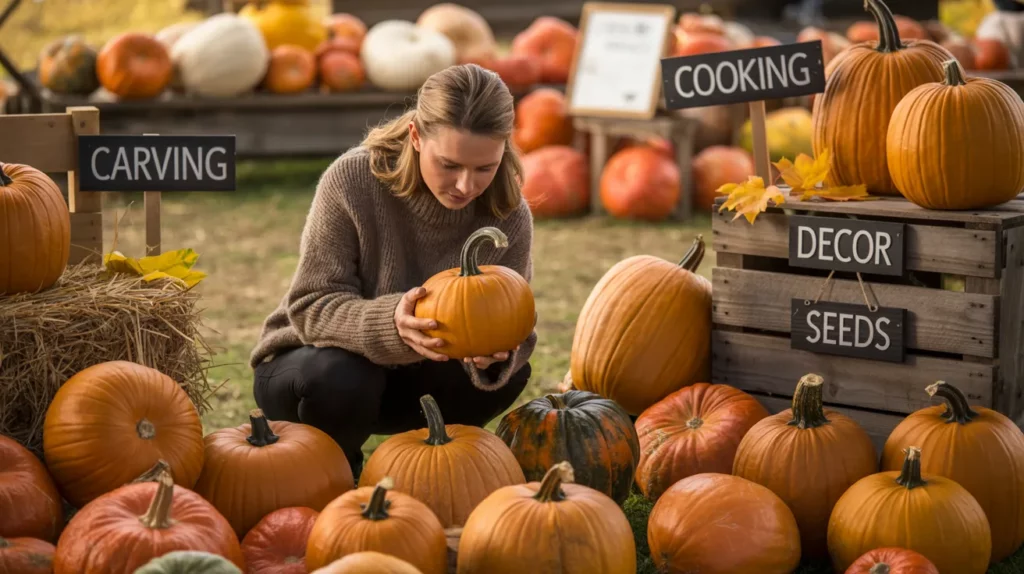
Pumpkins come in many sizes. Each size fits different uses and occasions. Knowing pumpkin size categories helps in choosing the right pumpkin. These categories range from tiny to giant pumpkins. Each has unique features and purposes.
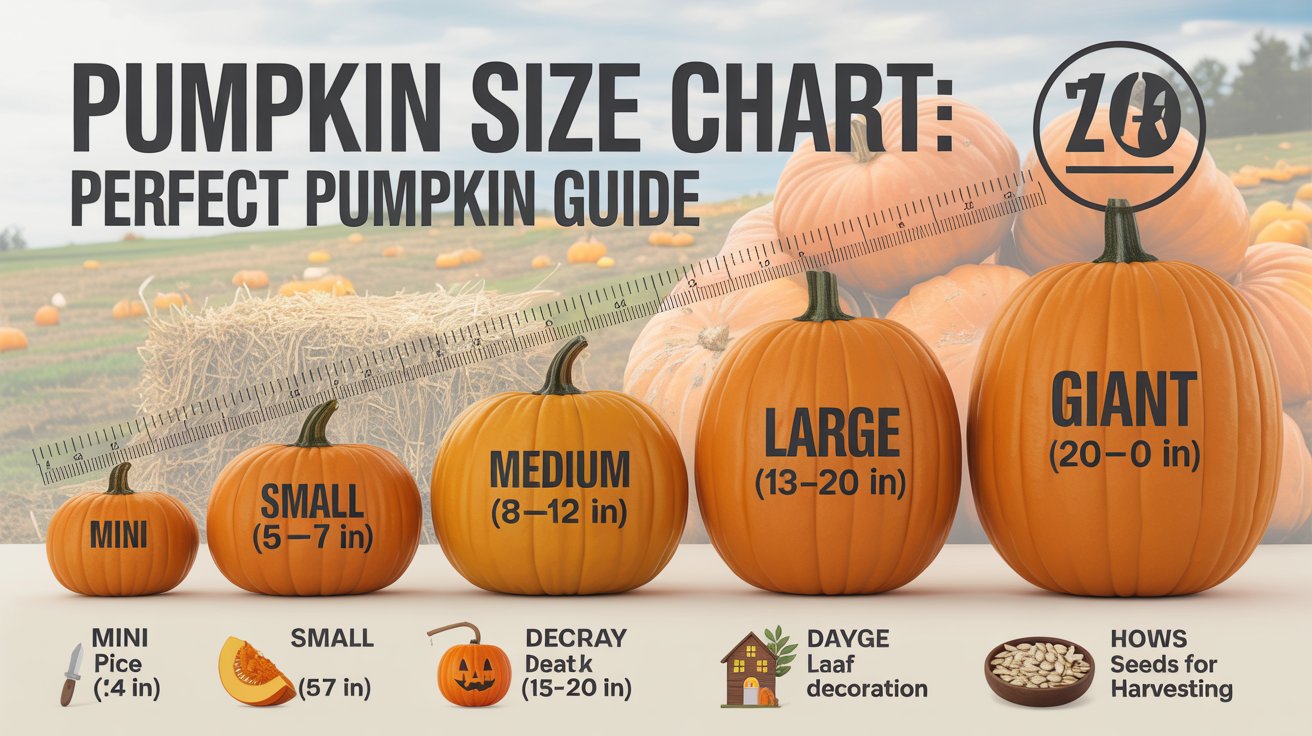
? Pumpkin Size Chart
| Size Category | Diameter | Weight Range | Best Use |
|---|---|---|---|
| Miniature | < 4 in ( < 10 cm ) | 1–5 lbs (0.5–2.2 kg) | Table décor, crafts, kids’ activities |
| Small | 5–7 in (12–18 cm) | 5–10 lbs (2.2–4.5 kg) | Cooking, baking, small carvings |
| Medium | 8–12 in (20–30 cm) | 10–20 lbs (4.5–9 kg) | Carving, cooking, porch décor |
| Large | 13–20 in (33–51 cm) | 20–40 lbs (9–18 kg) | Big carvings, displays, soups |
| Giant | 20+ in (51+ cm) | 40+ lbs (18+ kg) | Contests, exhibitions, dramatic décor |
Miniature Pumpkins
Miniature pumpkins are very small, often under 4 inches wide. They are perfect for decoration and crafts. These pumpkins are easy to handle and great for table displays. Their small size makes them ideal for kids and small spaces.
Small Pumpkins
Small pumpkins usually measure 5 to 7 inches in diameter. They work well for cooking and decoration. These pumpkins are easy to carve for Halloween. They also fit nicely on kitchen counters or shelves.
Medium Pumpkins
Medium pumpkins range from 8 to 12 inches wide. These pumpkins are common for carving and cooking. They provide enough space for detailed designs. Medium pumpkins balance size and weight well.
Large Pumpkins
Large pumpkins measure 13 to 20 inches in diameter. They are ideal for big carvings and fall displays. These pumpkins hold more flesh for pies and soups. Their size makes them stand out in any setting.
Giant Pumpkins
Giant pumpkins can grow over 20 inches wide. Some weigh hundreds of pounds. They are often grown for contests and exhibitions. Giant pumpkins create dramatic and eye-catching decorations.
Measuring Pumpkin Size
Measuring pumpkin size is important for gardeners and sellers. It helps decide the pumpkin’s use and its value. Size can affect cooking, decoration, or competition entries. Knowing the right way to measure pumpkins saves time and avoids mistakes.
Weight Vs. Diameter
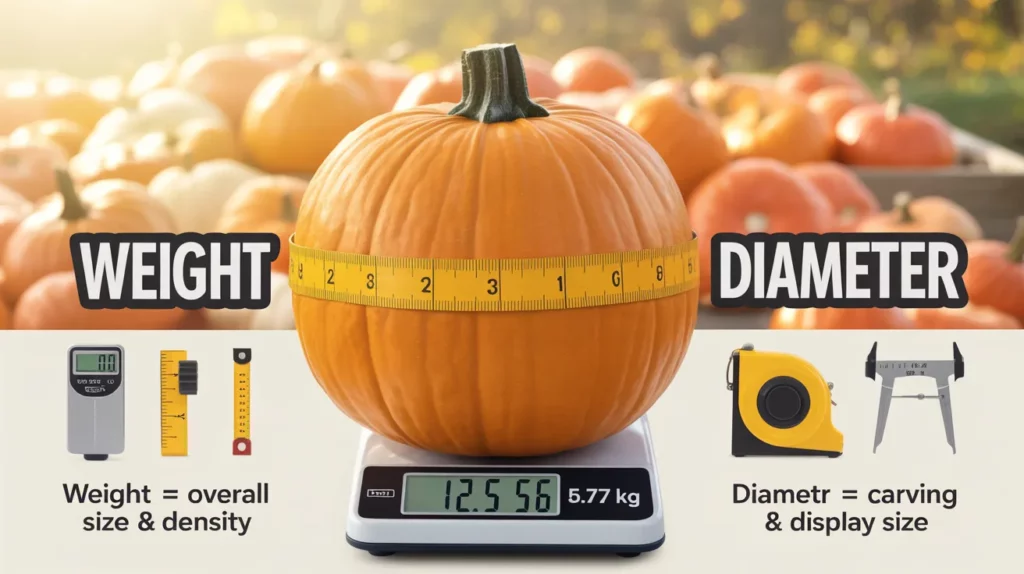
Weight and diameter are two key ways to measure pumpkins. Weight shows how heavy the pumpkin is. It tells about the pumpkin’s density and size in a simple way. Diameter measures the pumpkin’s width across the middle. It gives a clear idea of the pumpkin’s shape and size.
Weight is useful for recipes that need exact amounts. Diameter helps in choosing pumpkins for carving or display. Both measurements together give a full picture of the pumpkin size.
Tools For Accurate Measurement
Using the right tools makes pumpkin measuring easy and correct. A digital scale works best for weighing pumpkins. It shows the exact weight in pounds or kilograms. For diameter, a tape measure or ruler works well. Wrap the tape around the pumpkin’s widest part to find its size.
Some use calipers for very precise diameter measurement. These tools help avoid guesswork and errors. Accurate measurements improve pumpkin selection and use.
Choosing Pumpkins For Different Uses
Choosing pumpkins depends on what you want to do with them. Different uses need different sizes and types. Picking the right pumpkin helps you get the best results. Small pumpkins are not good for big projects. Large pumpkins can be heavy and hard to handle. Knowing the pumpkin size chart helps you select well.
Cooking And Baking
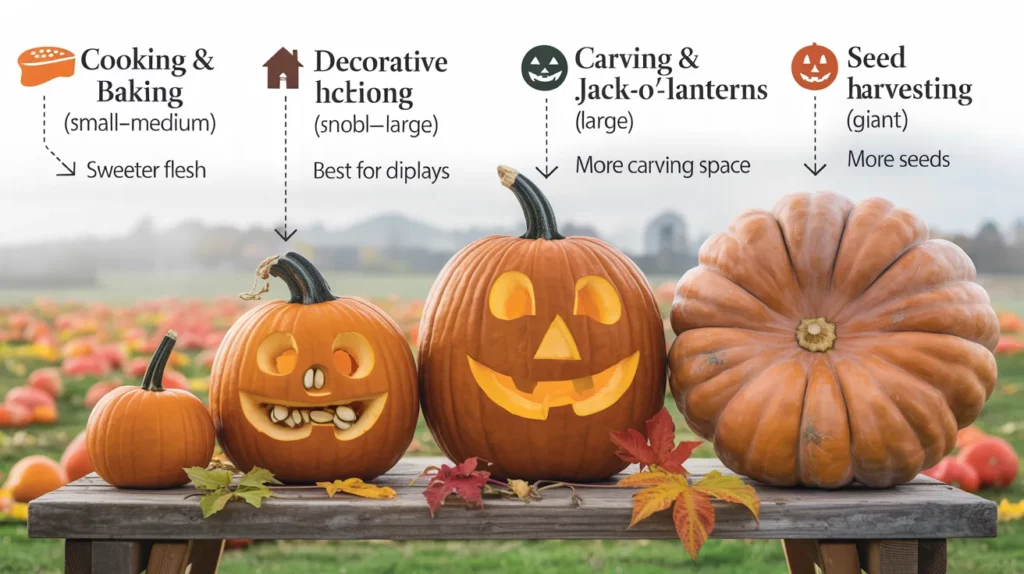
Small to medium pumpkins work best for cooking and baking. They have sweeter flesh and softer texture. Sugar pumpkins or pie pumpkins are ideal. Large pumpkins often have watery flesh. This makes them less tasty for recipes. Choose pumpkins that feel heavy for their size. This means they have more meat inside.
Decorative Purposes
Decorative pumpkins come in many colors and sizes. Small pumpkins add charm to table settings. Medium pumpkins fill porch displays nicely. Large pumpkins create a bold look outside. Choose pumpkins with smooth skin for decoration. Avoid those with soft spots or bruises. The right size matches your design idea perfectly.
Carving And Jack-o’-lanterns
Big pumpkins are best for carving jack-o’-lanterns. They have thick walls and more space inside. This allows detailed designs and candle placement. Medium pumpkins work well for simple carvings. Small pumpkins are too hard to carve. Pick pumpkins with a flat bottom. This helps them stand steady while carving.
Seed Harvesting
Seed harvesting needs large pumpkins with many seeds. Field pumpkins usually have more seeds than others. Choose pumpkins with firm skin and no damage. Clean seeds well before drying and storing. Large pumpkins give you more seeds for planting or snacking. Seed size varies by pumpkin type and affects use.
Growth Factors Affecting Pumpkin Size
Pumpkin size depends on many growth factors. These factors affect how big and healthy pumpkins grow. Understanding these helps gardeners grow better pumpkins. Each factor plays a key role in pumpkin development.
Soil Quality And Nutrients
Good soil is vital for pumpkin growth. Nutrient-rich soil supports bigger pumpkins. Soil must have enough nitrogen, phosphorus, and potassium. These nutrients help roots and leaves develop well. Poor soil limits pumpkin size and health. Testing soil before planting is a smart step.
Watering Practices
Pumpkins need steady watering to grow large. Too much water can cause root problems. Too little water slows growth and shrinks pumpkins. Water deeply but not daily. This encourages strong roots and steady growth. Consistency in watering improves pumpkin size.
Sunlight Exposure
Pumpkins thrive with plenty of sunlight. They need at least six hours of direct sun daily. Sunlight fuels photosynthesis, creating energy for growth. Lack of sunlight makes pumpkins small and weak. Choose a sunny spot for planting pumpkins.
Pumpkin Varieties
Different pumpkin types grow to different sizes. Some varieties naturally produce large pumpkins. Others stay small and are good for decoration. Choose the right variety based on your size goal. Seed packets usually show expected pumpkin size.
Tips For Picking The Perfect Pumpkin
Choosing the right pumpkin can make your fall season special. A perfect pumpkin looks great and lasts longer. Follow simple steps to pick one that fits your needs.
Checking For Ripeness
Pick pumpkins that have a deep, consistent color. The skin should be hard and tough. Press your fingernail gently; it should not break the skin. Ripe pumpkins sound hollow when tapped. These signs show the pumpkin is ready to use.
Inspecting For Damage
Look closely for cuts, bruises, or soft spots. Avoid pumpkins with cracks or mold. Damage can cause the pumpkin to rot quickly. Check the bottom for any signs of decay. A healthy pumpkin will stay fresh longer.
Handling And Transporting
Lift pumpkins carefully using both hands. Avoid dragging them on rough surfaces. Keep them dry during transport to prevent mold. Place pumpkins on a soft surface in your vehicle. Proper handling keeps the pumpkin safe and sound.
Record-breaking Pumpkin Sizes
Pumpkins can grow to incredible sizes, much larger than most people expect. Some pumpkins reach weights that seem almost unbelievable. These record-breaking pumpkins show what careful growing and good conditions can achieve. Giant pumpkins capture the imagination of gardeners and fans worldwide. They stand as proof of nature’s surprising power.
World’s Largest Pumpkins
The heaviest pumpkin ever recorded weighed over 2,600 pounds. This giant was grown in the United States. Its size amazed everyone. Giant pumpkins often grow for months before reaching their full weight. Growers use special techniques to help pumpkins get this large. These pumpkins are not just big. They can be wider than a car and taller than a person. Their size makes them a popular subject in many pumpkin festivals.
Notable Pumpkin Growing Contests
Pumpkin growing contests happen worldwide each year. These contests attract growers who want to show off their giant pumpkins. The contests often have rules about pumpkin size and weight. Some famous contests include the Half Moon Bay Pumpkin Weigh-Off and the Topsfield Fair. Winners of these contests take home prizes and local fame. These events also bring communities together. They inspire people to try growing their own giant pumpkins. The excitement at these contests is easy to feel.
Frequently Asked Questions
What Are The Common Pumpkin Sizes In Pounds?
Pumpkins typically range from small (1-5 pounds) to giant (over 100 pounds). Most fall between 10-20 pounds, perfect for carving and cooking.
How To Measure Pumpkin Size Accurately?
Measure pumpkin circumference at its widest point using a tape measure. Use a size chart to estimate weight from circumference.
Which Pumpkin Size Is Best For Carving?
Medium pumpkins, 10-20 pounds, are ideal for carving. They offer enough surface area and are easier to handle.
How Does Pumpkin Size Affect Cooking?
Smaller pumpkins have sweeter, tender flesh, great for pies. Larger pumpkins are better for seeds and decorations.
Conclusion
Understanding pumpkin sizes helps in choosing the right one for your needs. The pumpkin size chart makes this task simple and clear. Whether for cooking, carving, or decoration, knowing the size saves time. You can pick pumpkins that fit your plans perfectly.
Keep this chart handy during pumpkin season. It guides you to the best pumpkin without any guesswork. This way, every pumpkin choice feels easy and right.
