
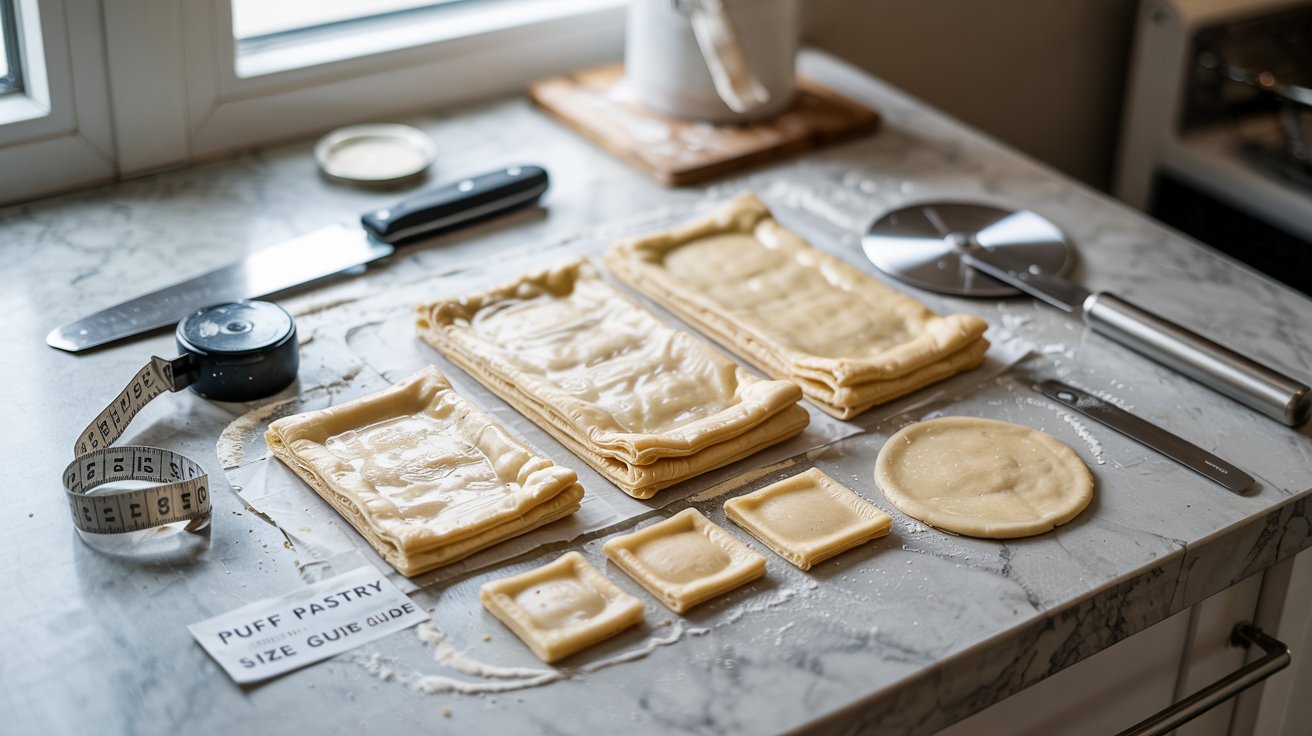
Are you tired of guessing the right puff pastry size for your recipes? Choosing the perfect puff pastry size can make all the difference in your baking results.
Whether you’re making a simple snack or an elaborate dessert, knowing the exact measurements helps you save time, avoid waste, and create stunning dishes every time. In this guide, you’ll find a clear and easy-to-follow puff pastry size chart that takes the guesswork out of your cooking.
Keep reading to master your puff pastry game and impress everyone with your flawless creations!
Puff Pastry Basics
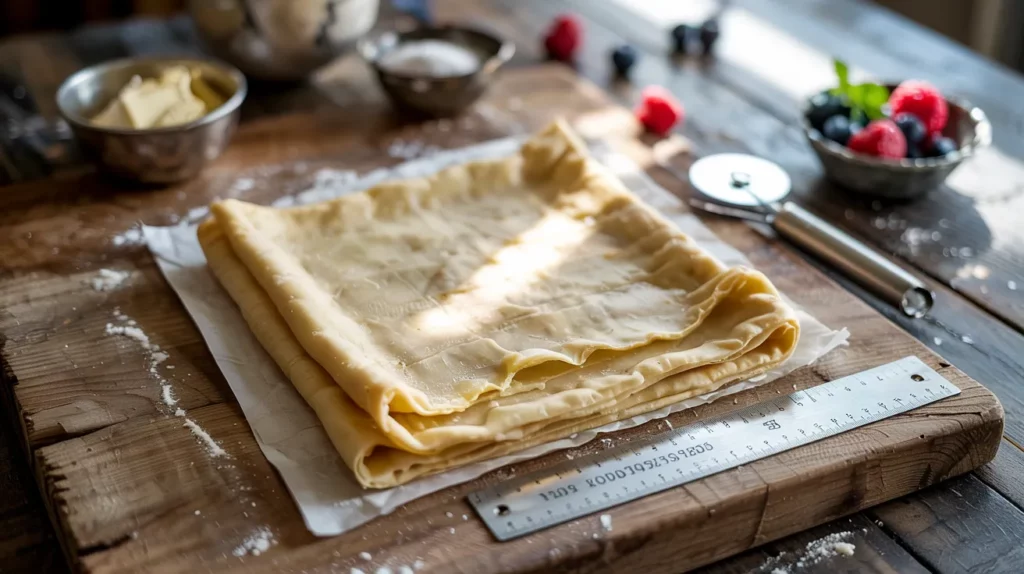
Puff pastry is a light, flaky dough used in many recipes. It rises by creating thin, crisp layers during baking. Understanding its basics helps in choosing the right size and type for your dish.
Types Of Puff Pastry
There are two main types of puff pastry: ready-made and homemade. Ready-made puff pastry comes frozen and is easy to use. Homemade puff pastry takes time but offers fresh taste. Both types can be plain or flavored.
Some puff pastries include butter only, while others mix butter with oil. Butter puff pastry has a rich flavor. Oil puff pastry is lighter and less buttery. Each type suits different recipes and preferences.
Common Uses In Baking
Puff pastry is popular in sweet and savory dishes. It makes excellent pies, tarts, and turnovers. Chefs also use it for appetizers like sausage rolls and cheese sticks.
In desserts, puff pastry works well for mille-feuille and fruit-filled pastries. Its flaky texture adds crunch and layers to every bite. Baking with the right size puff pastry ensures even cooking and perfect results.
Standard Puff Pastry Sizes
Puff pastry comes in various sizes to fit different recipes and needs. Understanding standard puff pastry sizes helps you pick the right one. This makes baking easier and saves time. It also reduces waste by using the exact amount needed.
Standard sizes are made to suit common kitchen tasks. Whether you bake pies, tarts, or appetizers, these sizes work well. Knowing these sizes can improve your baking experience.
? Puff Pastry Size Chart
| Puff Pastry Size | Type | Common Use | Notes |
|---|---|---|---|
| 9×9 inch sheet | Standard sheet | Mini tarts, small pies, turnovers | Easiest size for beginners |
| 10×10 inch sheet | Standard sheet | Savory snacks, medium pastries | Good balance of size + control |
| 12×12 inch sheet | Large sheet | Bigger tarts, quiches, braided pastries | Ideal for larger recipes |
| 15×20 inch sheet | Extra-large sheet | Full-size pies, pastry sheets, dessert slabs | Usually found in premium brands |
| 3×3 inch squares | Pre-cut | Appetizers, mini puffs, snacks | Perfect for portion control |
| 4×4 inch squares | Pre-cut | Mini pies, small desserts | Even cooking, ready to fill |
| 3–5 inch circles | Pre-cut | Hand pies, mini galettes | Great for consistent shapes |
| Strips (1–2 inches wide) | Pre-cut | Cheese twists, pastry sticks | Zero cutting needed |
Sheet Dimensions
Most puff pastry sheets measure about 9 by 12 inches. Some brands offer larger sheets, around 15 by 20 inches. These sizes fit most baking trays and pans. Sheets are easy to cut into shapes or strips. You can also fold or layer them for different recipes.
Frozen puff pastry usually comes in sheets, ready to thaw. The sheets are thin but sturdy. They puff up nicely during baking, creating a light texture. Keep sheets flat and cool before use for best results.
Pre-cut Shapes
Pre-cut puff pastry shapes save time and effort. Common shapes include squares, rectangles, and circles. These come in standard sizes like 3-inch or 4-inch squares. Circles often range from 3 to 5 inches in diameter.
Pre-cut shapes suit appetizers, mini pies, and tarts. They ensure uniform cooking and easy portion control. Using them reduces preparation time and mess. Perfect for quick snacks or party treats.
Choosing The Right Size
Choosing the right size of puff pastry is key for any recipe. It affects how the pastry bakes and how the final dish looks. Using the correct size helps avoid waste and ensures even cooking. Knowing the size needed saves time and effort in preparation.
Recipe Requirements
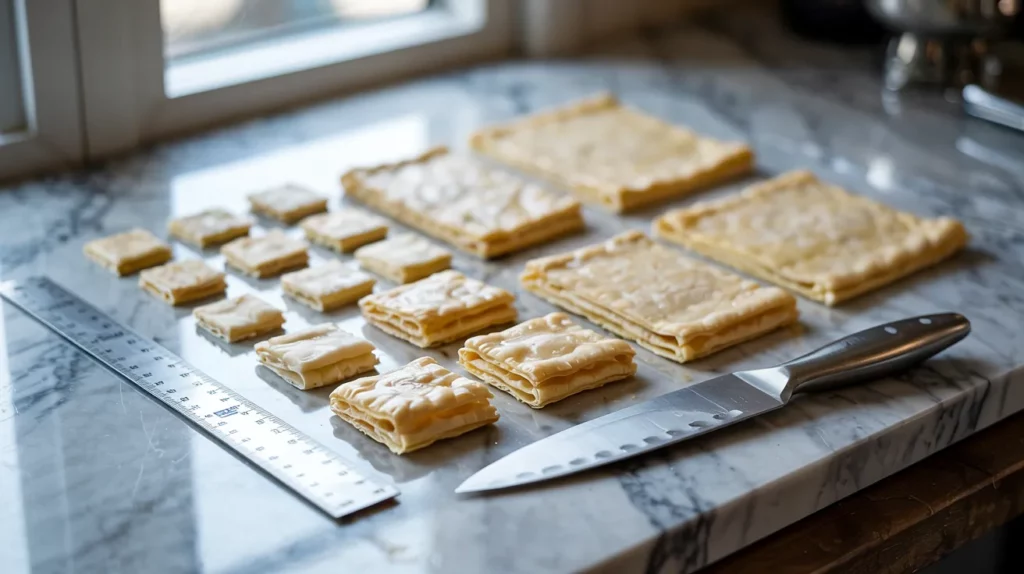
Recipes often specify the size of puff pastry needed. Some call for small squares for appetizers. Others require large sheets for main dishes or desserts. Follow these guidelines to get the right fit. This helps the pastry cook evenly and match the recipe’s intent. Adjusting the size can change the texture and cooking time.
Portion Control
Choosing the right puff pastry size helps control portions. Smaller sizes work well for snacks or finger foods. Larger sizes suit full meals or shared dishes. Using consistent sizes makes serving easier. It also helps with calorie counting and meal planning. Cutting pastry into equal parts keeps servings fair and neat.
Cutting Puff Pastry
Cutting puff pastry is an important step that affects your recipe’s success. You need clean, even cuts to ensure the pastry bakes well. Proper cutting helps keep the layers intact and gives a nice, flaky texture. Using the right tools and techniques can make this task easier and more precise.
Tools And Techniques
Use a sharp knife or a pizza cutter for smooth, straight cuts. Avoid pressing too hard to keep the layers from squishing. A ruler or a cutting mat with measurements helps make even pieces. Chill the puff pastry before cutting to keep it firm. Cut quickly but carefully to prevent the dough from warming up and sticking.
Avoiding Dough Waste
Plan your cuts to use the dough fully and reduce scraps. Arrange pieces close together with little space in between. Save any leftover dough to patch small holes or shape new pieces. Roll out scraps gently instead of throwing them away. This way, you get more out of the puff pastry and reduce waste.
Adjusting Baking Times
Adjusting baking times is important for perfect puff pastry results. Different sizes and thicknesses change how heat moves through the dough. Baking too long can burn edges. Baking too short leaves the inside raw. Knowing how to adjust time helps you bake evenly and get great texture every time.
Size And Thickness Impact
Small puff pastry pieces bake faster than large ones. Thick layers take longer to cook through. Thin sheets crisp up quickly. Thick dough needs more time for the center to cook. Always check your pastry early to avoid overbaking. Use this size and thickness guide to plan your baking time.
Tips For Even Baking
Cut puff pastry into similar sizes for even heat. Space pieces apart on the baking tray. Rotate the tray halfway through baking for uniform color. Use a baking sheet with good heat conduction. Watch the pastry in the last minutes to stop baking at the right time.
Storing And Handling Sizes
Knowing how to store and handle puff pastry sizes keeps them fresh and ready to use. Proper storage stops the dough from drying out or sticking together. Handling the pastry carefully protects its delicate layers and texture. Follow these tips to maintain the best quality for your puff pastry.
Freezing Tips
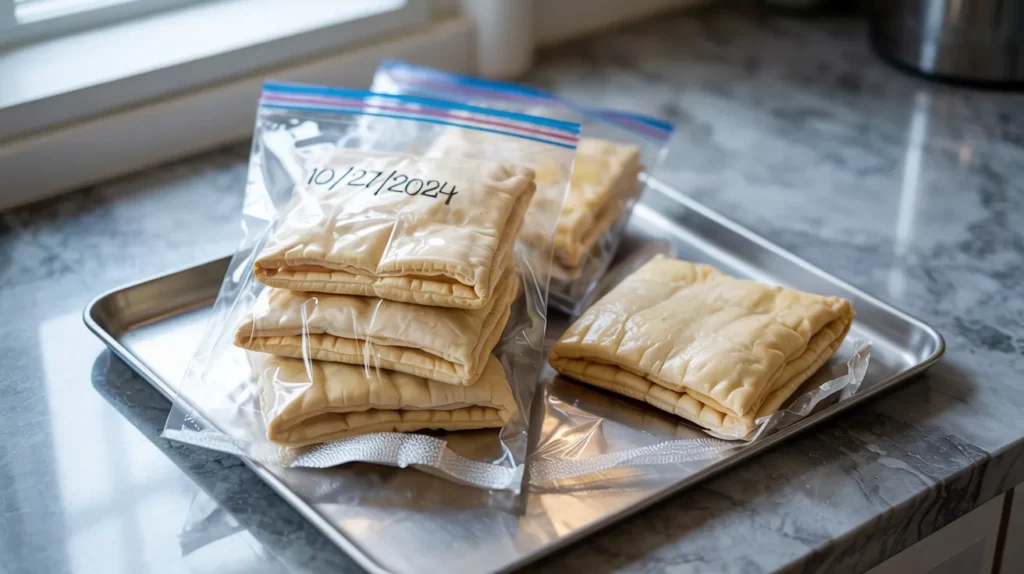
Freeze puff pastry to keep it fresh for longer. Wrap the dough tightly in plastic wrap. Place it inside an airtight container or freezer bag. Label the package with the date. Store flat to avoid bending or breaking. Use within 1 to 2 months for best results.
Thawing Guidelines
Thaw puff pastry slowly for even texture. Move it from freezer to fridge. Let it sit for 6 to 8 hours or overnight. Avoid thawing at room temperature to stop stickiness. Keep the dough wrapped while thawing. Use the pastry soon after thawing for best results.
Troubleshooting Size Issues
Dealing with puff pastry size problems can be frustrating. The pastry may turn out too thick, thin, or uneven. These issues affect baking time and texture. Knowing common mistakes helps avoid these problems. Also, simple fixes can save your pastry from being overbaked or underbaked.
Common Mistakes
Using the wrong rolling pin pressure often causes uneven thickness. Rolling too hard makes pastry thin in some parts. Rolling too softly leaves thick spots. Cutting pastry without measuring can lead to uneven sizes. Not chilling the dough before baking makes it shrink or puff too much. Baking at the wrong temperature causes size and texture problems.
Fixes For Over Or Underbaked Pastry
For overbaked pastry, lower oven temperature next time. Watch the pastry closely to avoid burning. Cover edges with foil if they brown too fast. For underbaked pastry, increase baking time slightly. Check if the oven heats correctly using an oven thermometer. Prick the pastry with a fork to help steam escape and bake evenly.
Frequently Asked Questions
What Are The Common Puff Pastry Sizes Available?
Puff pastry sheets commonly come in 9×9, 12×12, and 17×12 inch sizes. These sizes suit various baking needs, from small tarts to large pies. Knowing the size helps in selecting the right pastry for your recipe and portion requirements.
How To Choose Puff Pastry Size For Recipes?
Select puff pastry size based on your dish’s dimensions and servings. For small appetizers, 9×9 inches works well. For larger pies or tarts, 12×12 or 17×12 inches is ideal. Always check recipe instructions to match the pastry size for perfect results.
Can Puff Pastry Sheets Be Cut To Size?
Yes, puff pastry sheets can be trimmed to any size. Use a sharp knife or pizza cutter for clean edges. Cutting allows customization for various recipes, like mini pastries or specific shapes, without affecting the puff or texture during baking.
What Is The Best Puff Pastry Size For Beginners?
Beginners should start with standard 9×9 or 12×12 inch puff pastry sheets. These sizes are easy to handle and versatile for many recipes. Smaller sheets reduce waste and simplify portion control, making baking less intimidating for new cooks.
Conclusion
Choosing the right puff pastry size matters for your recipe success. Use the chart to pick sizes that fit your baking needs. Small or large, the right size helps pastries cook evenly. Save time and avoid waste by measuring carefully.
Keep this chart handy in your kitchen for quick reference. Baking becomes easier and more fun with clear size guidance. Try different sizes to see what works best for you. Puff pastry size chart helps you bake with confidence every time.
