
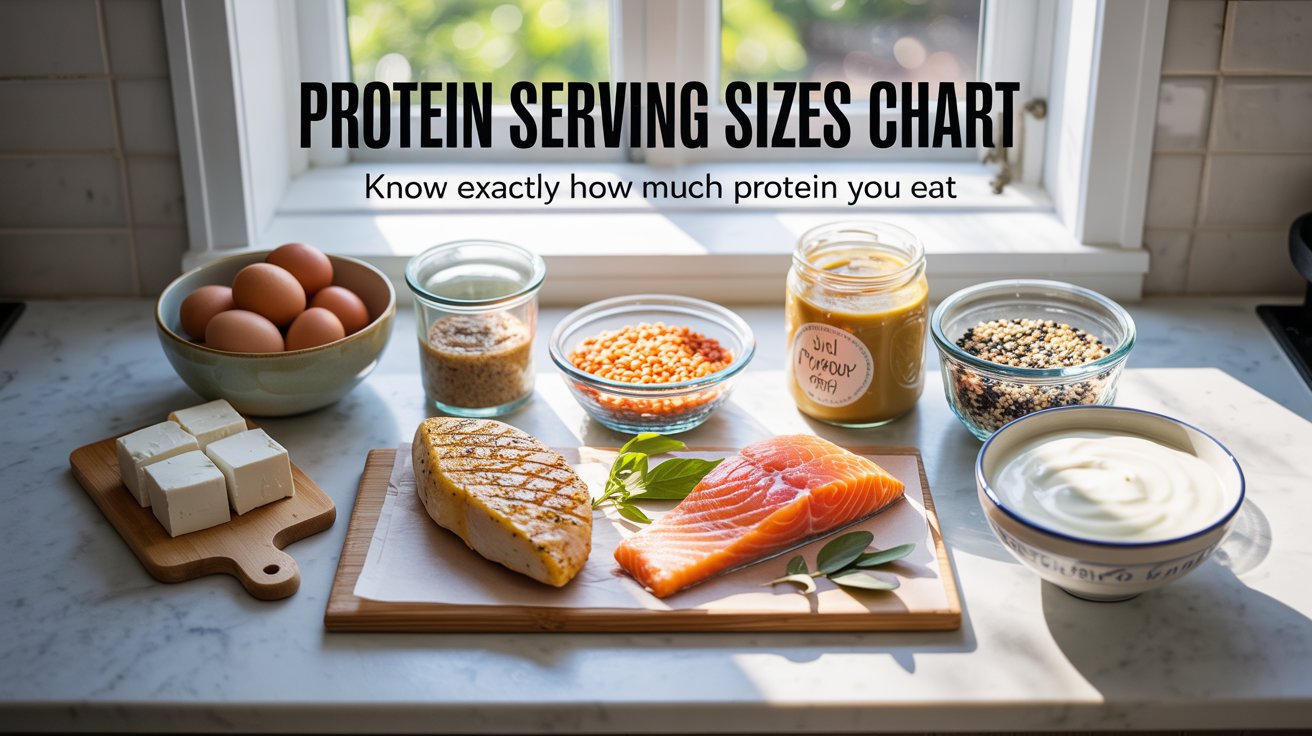
Nothing beats the comfort of a well-balanced meal packed with protein, especially on those busy weeknights when you need something quick yet satisfying. Imagine a plate filled with juicy grilled chicken, perfectly seasoned and accompanied by colorful veggies, making every bite a delight. It’s a dish that not only fills you up but also fuels your body!
Here’s what you can expect: a comprehensive protein serving sizes chart that includes 15-20 protein sources, complete with exact measurements and practical meal ideas. You’ll know how much protein you’re getting and how to incorporate it into your meals effortlessly.
Importance of Protein
Protein is a vital macronutrient that plays a crucial role in maintaining a healthy body. It is essential for building and repairing tissues, producing enzymes and hormones, and supporting overall immune function. Understanding your daily protein needs and how to meet them through various sources can significantly enhance your overall health.
Health Benefits
- Muscle Growth: Protein is critical for muscle development, especially for those who engage in regular strength training.
- Weight Management: Incorporating protein-rich foods can help you feel fuller for longer, reducing overall calorie intake.
- Bone Health: Adequate protein intake supports bone density and strength, reducing the risk of fractures.
- Recovery: Protein helps in the recovery of muscles after exercise, minimizing soreness and fatigue.
Daily Protein Needs
Your protein requirements can vary based on age, sex, and level of physical activity. On average, adults should aim for:
| Age Group | Daily Protein Intake |
|---|---|
| Adults (18-65 years) | 46-56 grams |
| Active Individuals | 1.2-2.0 grams per kg of body weight |
| Seniors (65+ years) | 1.0-1.2 grams per kg of body weight |
To ensure you’re meeting your protein needs, consider incorporating a variety of protein sources into your meals, such as lean meats, dairy products, legumes, and nuts. By being mindful of portion sizes and selecting diverse protein-rich foods, you can easily achieve your daily requirements.
Protein Sources Chart
This section provides a comprehensive chart detailing various protein sources along with their recommended serving sizes. Understanding these measurements is essential for meal planning and ensuring you meet your nutritional needs, whether you’re focusing on animal or plant-based proteins.
? Protein Serving Size Chart
| Food | Serving Size | Protein | Easy Meal Idea |
|---|---|---|---|
| Chicken breast (cooked) | 3 oz (85 g) | 26 g | grilled salad or rice bowl |
| Salmon | 3 oz (85 g) | 22 g | with vegetables |
| Tuna (canned) | 1 can (100 g drained) | 25 g | sandwich or salad |
| Lean beef | 3 oz (85 g) | 22 g | stir-fry |
| Egg | 1 large | 6 g | breakfast |
| Greek yogurt | 1 cup (245 g) | 23 g | parfait |
| Milk | 1 cup (240 ml) | 8 g | smoothie |
| Cottage cheese | ½ cup (110 g) | 14 g | snack bowl |
| Tofu | ½ cup (126 g) | 20 g | stir-fry |
| Tempeh | ½ cup (84 g) | 16 g | vegan bowl |
| Lentils (cooked) | ½ cup (100 g) | 9 g | soup |
| Chickpeas | ½ cup (82 g) | 7 g | hummus |
| Black beans | ½ cup (86 g) | 7 g | burrito |
| Quinoa | 1 cup cooked | 8 g | grain bowl |
| Peanut butter | 2 tbsp | 8 g | toast |
| Almonds | 28 g (small handful) | 6 g | snack |
| Pumpkin seeds | 28 g | 7 g | topping |
| Protein powder | 1 scoop (30 g) | 20–25 g | shake |
Animal Proteins
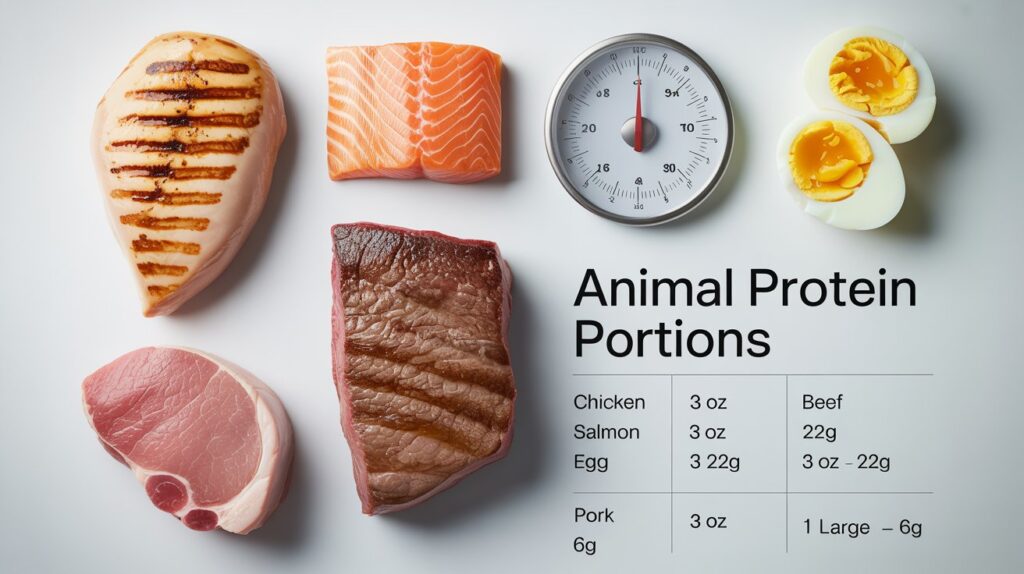
| Chicken Breast (cooked) | 3 ounces (85g) | 26g |
| Salmon (cooked) | 3 ounces (85g) | 22g |
| Ground Beef (cooked) | 3 ounces (85g) | 22g |
| Pork Tenderloin (cooked) | 3 ounces (85g) | 23g |
| Eggs | 1 large egg | 6g |
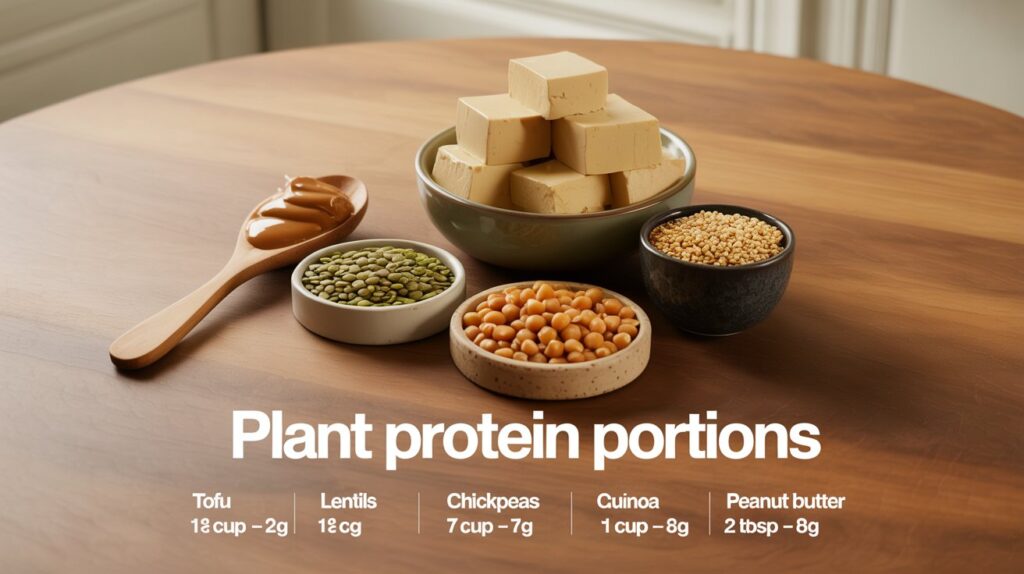
Plant-Based Proteins
| Tofu (firm) | ½ cup (126g) | 20g |
| Lentils (cooked) | ½ cup (99g) | 9g |
| Chickpeas (cooked) | ½ cup (82g) | 7g |
| Quinoa (cooked) | 1 cup (185g) | 8g |
| Peanut Butter | 2 tablespoons (32g) | 8g |
Chef’s tip: Incorporate a mix of both animal and plant-based proteins in your meals for a balanced diet. For example, add lentils to your chicken soup for extra protein and fiber.
When planning your meals, consider these serving sizes to ensure you’re getting enough protein for your dietary needs. Adjust portion sizes based on your activity level and nutritional goals.
Exact Serving Sizes
This section provides precise measurements for various protein sources, ensuring you know exactly how much to include in your meals. Understanding serving sizes not only helps in meal planning but also aids in maintaining a balanced diet.
| Chicken Breast (cooked) | 3-4 oz | 85-113 g |
| Salmon (cooked) | 3-4 oz | 85-113 g |
| Ground Beef (cooked) | 3 oz | 85 g |
| Tofu (firm) | 3-4 oz | 85-113 g |
| Eggs | 2 large | 100 g |
| Lentils (cooked) | ½ cup | 100 g |
| Greek Yogurt | 1 cup | 245 g |
- Chicken Breast: Cook until the internal temperature reaches 165°F (75°C). It should be juicy and not dry.
- Salmon: Cook until it flakes easily with a fork and reaches an internal temperature of 145°F (63°C).
- Ground Beef: Brown in a skillet over medium heat; ensure it’s cooked to at least 160°F (71°C).
- Tofu: Sauté or grill until golden brown and crisp on the outside.
Chef’s tip: Measure your protein sources using a kitchen scale for accuracy, especially when portioning for specific dietary needs.
Protein Content Overview
This section provides a detailed overview of protein content per serving for various sources, highlighting both high and moderate protein options. Understanding these measurements will help you make informed choices about incorporating protein into your meals, ensuring you meet your nutritional needs effectively.
High Protein Options
- Chicken Breast (cooked): 3 ounces (85g) – 26g of protein
- Salmon (cooked): 3 ounces (85g) – 22g of protein
- Tofu (firm): ½ cup (126g) – 20g of protein
- Greek Yogurt (plain, non-fat): 1 cup (245g) – 23g of protein
Moderate Protein Options
- Quinoa (cooked): 1 cup (185g) – 8g of protein
- Egg (large): 1 egg – 6g of protein
- Black Beans (cooked): ½ cup (130g) – 7g of protein
- Peanut Butter: 2 tablespoons (32g) – 8g of protein
Chef’s tip: Pair high protein options like chicken or salmon with moderate ones such as quinoa or black beans to create a balanced meal.
| Chicken Breast | 3 oz (85g) | 26g |
| Salmon | 3 oz (85g) | 22g |
| Greek Yogurt | 1 cup (245g) | 23g |
| Quinoa | 1 cup (185g) | 8g |
Keep these protein sources in mind when planning your meals. For example, consider grilling chicken and serving it over a bed of quinoa for a nutritious dinner that’s packed with flavor and protein.
Meal Ideas for Proteins
This section provides practical meal ideas for incorporating various protein sources into your diet. Understanding how to effectively use these proteins in your meals not only helps with nutritional balance but also keeps your meals interesting and satisfying.
Breakfast Ideas
- Scrambled Eggs: Use 2 large eggs (about 140g) per serving. Whisk with a pinch of salt and pepper. Cook in a non-stick skillet over medium heat with 1 tablespoon of butter for about 3-4 minutes until fluffy and slightly golden.
- Greek Yogurt Parfait: Layer 1 cup (245g) of Greek yogurt with ½ cup (75g) of mixed berries and 2 tablespoons of granola for a delicious start to your day.
- Protein Smoothie: Blend 1 cup (240ml) of almond milk, 1 scoop (30g) of protein powder, 1 banana, and a handful of spinach. Blend until smooth and enjoy immediately.
Lunch and Dinner Suggestions
- Grilled Chicken Salad: Grill 4 ounces (113g) of chicken breast at 375°F (190°C) for about 6-7 minutes on each side until cooked through. Slice and serve over mixed greens with 2 tablespoons of your favorite dressing.
- Quinoa Bowl: Cook ½ cup (90g) of quinoa according to package instructions. Top with ½ cup (70g) of black beans, diced bell peppers, and a squeeze of lime for a filling meal.
- Baked Salmon: Season a 4-ounce (113g) salmon fillet with salt, pepper, and lemon juice. Bake at 400°F (200°C) for about 12-15 minutes until flaky and cooked through.
Chef’s tip: Marinate proteins for at least 30 minutes to enhance flavor and tenderness.
| Protein Source | Serving Size | Preparation Ideas |
|---|---|---|
| Chicken Breast | 4 ounces (113g) | Grilled, baked, or sautéed |
| Salmon | 4 ounces (113g) | Baked, grilled, or pan-seared |
| Eggs | 2 large eggs | Scrambled, poached, or boiled |
| Greek Yogurt | 1 cup (245g) | As a base for parfaits or smoothies |
Cooking and Preparation Tips
Understanding how to effectively prepare and cook proteins can enhance flavor and ensure proper serving sizes. Here are some practical tips on marinating techniques and cooking methods that will elevate your protein dishes.
Marinating Techniques
- Choose the right marinade: A good marinade typically includes an acid (like lemon juice or vinegar), oil, and seasonings. For example, combine ¼ cup soy sauce, 2 tablespoons olive oil, and 1 tablespoon minced garlic for a flavorful chicken marinade.
- Timing is key: Marinate proteins for at least 30 minutes for smaller cuts (like chicken breasts) and up to 24 hours for larger cuts (like beef roasts). This allows the flavors to penetrate deeply. Avoid marinating too long, as acids can break down proteins and make them mushy.
- Use a non-reactive container: Always marinate in glass, ceramic, or food-safe plastic containers to prevent chemical reactions that can alter flavor. Never marinate in aluminum containers.
Cooking Methods
- Grilling: Preheat your grill to medium-high heat (around 400°F or 200°C). Grill chicken breasts for 6-8 minutes per side until they reach an internal temperature of 165°F (75°C) and have nice grill marks.
- Sautéing: Heat 2 tablespoons olive oil in a skillet over medium heat. Add diced chicken and sauté for 5-7 minutes until golden brown and cooked through. Make sure not to overcrowd the pan; otherwise, the chicken will steam instead of brown.
- Roasting: For a whole chicken, preheat your oven to 375°F (190°C). Season the chicken with salt and pepper, then roast for 1-1.5 hours, basting occasionally, until the juices run clear and the internal temperature reaches 165°F (75°C).
Substitutions and Variations
When it comes to protein sources, having alternatives is essential for accommodating various dietary preferences and restrictions. This section outlines vegan options and gluten-free substitutes that can easily replace common protein sources without sacrificing flavor or nutrition.
Vegan Options
- Chickpeas: 1 cup cooked (240g) provides about 15g of protein. Great for salads, soups, or blended into hummus.
- Lentils: 1 cup cooked (200g) offers approximately 18g of protein. Perfect in stews or as a meat replacement in tacos.
- Quinoa: 1 cup cooked (185g) contains around 8g of protein. Use it as a base for grain bowls or pilafs.
- Tofu: 1 cup firm (248g) provides about 20g of protein. Excellent when stir-fried or grilled.
Gluten-Free Substitutes
- Edamame: 1 cup cooked (155g) has about 17g of protein. Toss into salads or enjoy as a snack.
- Tempeh: 1 cup (166g) contains approximately 31g of protein. Sauté or marinate for added flavor in dishes.
- Pumpkin Seeds: 1 oz (28g) provides about 7g of protein. Sprinkle on salads or yogurt for crunch.
Chef’s tip: Always check labels for gluten-free certifications, especially with packaged goods.
| Chickpeas | 1 cup cooked | 15g |
| Lentils | 1 cup cooked | 18g |
| Quinoa | 1 cup cooked | 8g |
| Tofu | 1 cup firm | 20g |
Serving and Pairing Suggestions
Understanding how to serve and pair proteins can elevate your meals and ensure you enjoy balanced nutrition. Here are some practical tips on plating your proteins and complementing them with delicious sides.
- Plating Your Protein: Start by placing your protein at the center of the plate. For instance, a grilled chicken breast should be sliced on the diagonal to reveal its juicy interior, showcasing the golden-brown sear. Aim for a portion size of about 3-4 ounces (85-113g) for adults, which is roughly the size of a deck of cards.
- Adding Color: Use vibrant vegetables to create a visually appealing plate. Think of roasted asparagus or sautéed spinach, which not only adds color but also essential nutrients. Aim for at least 1 cup of vegetables on the side, which can be seasoned with a drizzle of olive oil and a squeeze of lemon for brightness.
- Incorporating Carbs: Pair your proteins with whole grains like quinoa or brown rice. A serving size of about ½ cup (90g) cooked is perfect. This adds texture and helps balance the meal, making it more satisfying. You can also consider sweet potatoes or whole grain bread for variety.
- Flavor Enhancements: Don’t forget to add sauces or garnishes that complement the protein. For fish, a light dill sauce works wonders, while a rich mushroom gravy pairs beautifully with beef. Just remember, a tablespoon or two is enough to enhance flavor without overwhelming the dish.
- Meal Prep Tips: When meal prepping, portion out proteins, vegetables, and carbs into containers for easy access during the week. This ensures you stick to recommended serving sizes and helps you maintain a balanced diet.
Quick Summary
| Prep Time | Cook Time | Total Time | Servings |
|---|---|---|---|
| 10 mins | 0 mins | 10 mins | 1 |
- Understand portions: Use 3 oz of cooked meat as a standard serving size.
- Measure accurately: Invest in a kitchen scale for precise protein measurements.
- Include variety: Rotate protein sources like chicken, fish, and legumes for balanced nutrition.
- Check labels: Always read packaging for serving sizes when using processed proteins.
- Plan ahead: Pre-portion protein servings for easy meal prep during busy weeks.
Frequently Asked Questions
Can I make this ahead of time? How to store and reheat?
You can prepare the protein serving sizes chart ahead of time and store it in an airtight container in the refrigerator for up to 3 days. To reheat, simply refer back to your serving sizes and adjust as needed for freshness.
What can I substitute for [key ingredient]?
If you need to substitute a protein, options like tofu for meat or beans for legumes can provide similar nutritional benefits. Make sure to adjust the serving sizes based on the protein content of the substitute.
How do I know when it’s done?
For protein, check that it reaches the recommended internal temperature: 165°F (74°C) for poultry and 145°F (63°C) for fish. Using a meat thermometer is the best way to ensure it’s cooked through.
Can I freeze this? How long does it last?
Yes, you can freeze protein portions, and they will last for up to 6 months in the freezer. Just make sure to label the container with the date and type of protein for easy reference.
What if I don’t have [specific equipment]?
If you don’t have a food scale to measure your protein portions, you can use common kitchen items as a reference; for example, a deck of cards is roughly 3 ounces of meat. Additionally, measuring cups can provide approximate volume measurements for various proteins.
