
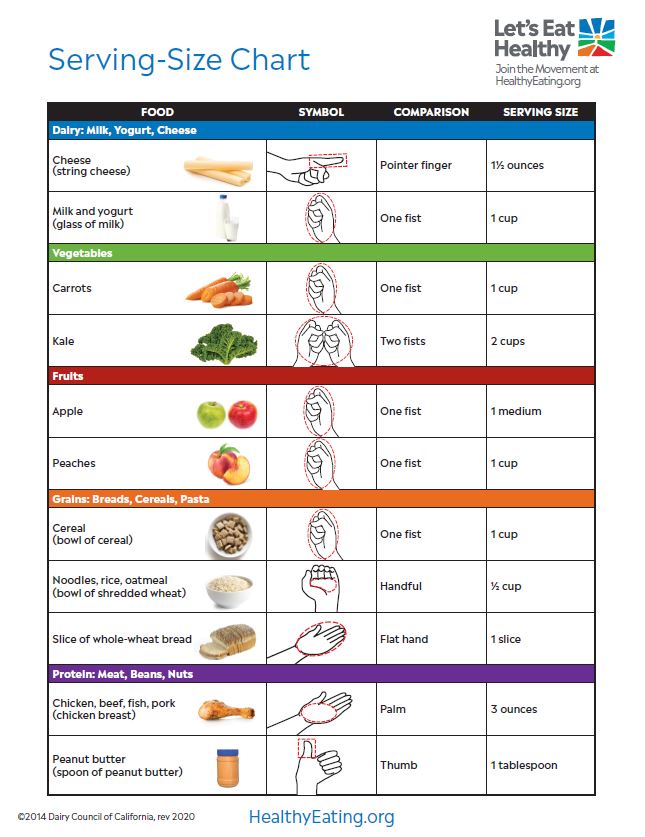
A protein serving size chart helps you understand how much protein to consume. It provides specific measurements for various food sources.
Protein is essential for muscle repair, immune function, and overall health. Many people struggle to meet their daily protein needs, leading to confusion about serving sizes. This chart simplifies protein intake, offering clear guidelines for different foods. From meat and dairy to plant-based options, knowing the right serving sizes can enhance your diet.
Understanding protein content in everyday foods aids in meal planning and ensures you hit your nutritional goals. Whether you’re an athlete or just looking to maintain a balanced diet, this information is valuable for everyone seeking a healthier lifestyle.

Credit: www.heart.org
The Role Of Protein In Nutrition
Protein is essential for our bodies. It helps build and repair tissues. Protein supports immune function and hormone production. It also provides energy. Understanding protein’s role is crucial for a balanced diet.
Key Functions Of Dietary Protein
Dietary protein serves many vital functions:
- Building Blocks: Proteins are made of amino acids. These amino acids form muscles, skin, and organs.
- Repair: Protein helps heal injuries and recover from exercise.
- Enzymes: Many enzymes are proteins. They speed up chemical reactions in the body.
- Hormones: Some hormones are proteins. They regulate various body functions.
- Immune Function: Antibodies are proteins that help fight infections.
Recommended Dietary Allowance (rda) For Protein
The Recommended Dietary Allowance (RDA) varies by age and gender. Here’s a simple table showing the RDA:
| Age Group | RDA (grams per day) |
| Children (1-3 years) | 13g |
| Children (4-8 years) | 19g |
| Teens (9-13 years) | 34g |
| Women (14-18 years) | 46g |
| Men (14-18 years) | 52g |
| Adults (19 years and older) | 46g (women) / 56g (men) |
Meeting these protein needs is important for health. Use this chart to plan your meals.
Decoding Protein Serving Sizes
Understanding protein serving sizes is crucial for a healthy diet. Protein fuels our bodies and helps build muscles. Knowing how much protein you need can improve your meals. Let’s explore the protein content in common foods and visual guides for estimating servings.
Protein Content In Common Foods
Different foods have varying amounts of protein. Here’s a quick look at some common items:
| Food Item | Serving Size | Protein Content (grams) |
| Chicken Breast | 3 oz | 26 |
| Egg | 1 large | 6 |
| Greek Yogurt | 1 cup | 20 |
| Tofu | 3 oz | 9 |
| Lentils | 1 cup cooked | 18 |
| Almonds | 1 oz | 6 |
Visual Guides For Estimating Servings
Estimating protein servings can be simple with visual guides. Use these tips to make it easy:
- Deck of Cards: A serving of meat is about the size of a deck of cards.
- Baseball: A serving of pasta should be the size of a baseball.
- Thumb: A serving of cheese is about the size of your thumb.
- Fist: Use your fist to measure a serving of fruits or vegetables.
Using these visual cues can help you control your protein intake. Keep these measurements in mind during meals. It makes tracking protein easier and more accurate.
Animal Vs. Plant-based Proteins
Choosing between animal and plant-based proteins can be tricky. Both sources provide essential nutrients. Understanding their differences helps you make informed choices for your diet.
Nutritional Value Comparison
Animal proteins come from meat, dairy, and eggs. They usually contain all essential amino acids. This makes them complete proteins. Plant proteins come from beans, nuts, and grains. They often lack one or more essential amino acids.
| Protein Source | Amino Acid Profile | Calories per 100g | Protein Content (g) |
| Chicken | Complete | 239 | 31 |
| Egg | Complete | 155 | 13 |
| Tofu | Incomplete | 144 | 8 |
| Lentils | Incomplete | 116 | 9 |
Animal proteins often provide more protein per serving. They also contain vital nutrients like vitamin B12 and iron. Plant proteins usually offer fiber and antioxidants. These help with digestion and overall health.
Combining Sources For Complete Proteins
Eating a variety of plant proteins can create complete proteins. Here are some effective combinations:
- Rice and beans
- Peanut butter on whole grain bread
- Lentils and quinoa
These combinations help ensure you get all essential amino acids. Mixing different sources supports a balanced diet. This strategy is especially helpful for vegetarians and vegans.
Customizing Protein Intake
Customizing protein intake is crucial for health and fitness. Understanding your individual needs helps achieve your goals. This section explores protein requirements based on lifestyle and weight management.
Protein Needs For Different Lifestyles
Protein needs vary by activity level. Here are general guidelines:
| Lifestyle | Protein Needs (grams per kg) |
| Sedentary | 0.8 |
| Active | 1.0 – 1.2 |
| Athlete | 1.2 – 2.0 |
| Older Adults | 1.2 – 1.5 |
Consider your daily activities. Sedentary individuals need less protein. Athletes require more for muscle recovery. Tailor your intake based on your lifestyle.
Adjusting Servings For Weight Management
Protein plays a key role in weight management. It helps build muscle and keeps you full longer. Here are tips for adjusting protein servings:
- Track Your Intake: Use apps to monitor protein consumption.
- Choose Lean Sources: Opt for chicken, fish, and legumes.
- Prioritize Protein at Meals: Fill half your plate with protein-rich foods.
- Snack Wisely: Select protein bars or Greek yogurt.
Adjust portion sizes based on your weight goals. Increase protein for muscle gain. Decrease servings for weight loss. Always listen to your body’s hunger cues.
Protein Intake For Athletes
Protein is crucial for athletes. It helps build and repair muscles. Knowing how much protein to consume can enhance performance. This section will explore optimal protein intake for athletes.
Optimizing Muscle Repair And Growth
Protein plays a vital role in muscle recovery. Athletes need more protein than average individuals. Here are some key points:
- Muscle Repair: Protein helps heal muscle tissues after exercise.
- Muscle Growth: It supports the development of new muscle fibers.
- Daily Intake: Aim for about 1.2 to 2.0 grams of protein per kilogram of body weight.
This intake can vary based on the type of sport and training intensity. A weightlifter may require more protein than a runner.
Timing Protein Consumption Around Workouts
When you eat protein matters. Consuming protein around workouts boosts recovery. Here’s a simple guide:
| Timing | Recommended Intake |
| Pre-Workout | 20-30 grams |
| Post-Workout | 20-40 grams |
Eating protein before and after workouts enhances performance. It helps replenish energy stores and repair muscles.
Consider these tips:
- Choose high-quality protein sources.
- Mix protein with carbohydrates for better results.
- Stay hydrated to support protein metabolism.
Proper protein timing can make a significant difference in athletic performance.
Special Considerations
Understanding protein needs is vital for specific life stages and health conditions. Certain groups require special attention to their protein intake. This section covers important considerations for pregnant women, breastfeeding mothers, and individuals with kidney disease.
Protein Needs During Pregnancy And Breastfeeding
Pregnancy and breastfeeding significantly increase protein requirements. Adequate protein supports fetal development and milk production.
- Pregnant Women: Aim for an additional 25 grams of protein daily.
- Breastfeeding Mothers: Increase protein intake by about 20 grams per day.
Focus on high-quality protein sources. Include:
- Lean meats
- Eggs
- Dairy products
- Legumes
- Nuts and seeds
| Life Stage | Recommended Protein Intake |
| Pregnancy | 70 grams per day |
| Breastfeeding | 71 grams per day |
Managing Protein Intake With Kidney Disease
Individuals with kidney disease must monitor protein intake carefully. Too much protein can worsen kidney function.
- Consult a healthcare provider: Get personalized protein recommendations.
- Limit high-protein foods: Reduce intake of red meats and dairy.
- Focus on quality: Choose lean meats and plant proteins.
Consider protein alternatives like:
- Tofu
- Quinoa
- Beans
Always prioritize kidney health while meeting nutritional needs.
Supplements Vs. Whole Foods
Understanding the difference between protein supplements and whole foods is essential. Both options offer unique benefits and drawbacks. Choosing the right source depends on individual needs and lifestyle.
Pros And Cons Of Protein Powders
| Pros | Cons |
| Quick and easy to prepare.Portable for on-the-go use.Variety of flavors available.High protein content per serving. | May contain added sugars.Not a complete food source.Possible digestive issues.Some brands use artificial ingredients. |
Integrating Supplements Into Your Diet
Integrating protein supplements can enhance your daily intake. Here are some tips:
- Choose high-quality protein powders.
- Use them post-workout for recovery.
- Mix with smoothies or oatmeal for added nutrition.
- Limit use to avoid dependency.
Balance protein powder with whole food sources. This ensures a diverse nutrient profile. Whole foods provide vitamins, minerals, and fiber. Examples include:
- Chicken, fish, and lean meats.
- Beans, lentils, and legumes.
- Nuts and seeds.
- Dairy products like yogurt and cheese.
Finding the right balance keeps your diet healthy and satisfying.

Credit: www.pinterest.com
Reading Food Labels For Protein Content
Understanding how to read food labels helps you track protein intake. Protein is essential for growth and repair. Accurate knowledge aids in choosing the right foods.
Understanding Serving Sizes And Percent Daily Value
Serving sizes on food labels show how much you should eat. They help you compare different products easily.
- Look for the serving size: This indicates the amount used for nutrition facts.
- Check the protein amount: It tells how much protein is in one serving.
- Percent Daily Value (%DV): This shows how much protein contributes to your daily needs.
For example, a label may state:
| Food Item | Serving Size | Protein (g) | %DV |
| Greek Yogurt | 1 cup | 20 | 40% |
| Chicken Breast | 3 oz | 26 | 52% |
Identifying High-protein Foods
Finding high-protein foods is simple with labels. Look for items with at least 10 grams of protein per serving.
- Eggs: Great source of complete protein.
- Beans: High in protein and fiber.
- Fish: Tuna and salmon are excellent choices.
- Nuts and seeds: Almonds and chia seeds pack protein.
Remember to check for added sugars or unhealthy fats. Healthy proteins support your body without extra calories.
Practical Tips For Meal Planning
Planning meals with the right protein is essential. It helps you stay full and energized. Use these tips to create balanced meals easily.
Creating Balanced Meals With Adequate Protein
Balanced meals include protein, carbs, and healthy fats. Aim for a variety of protein sources. Here are some tips:
- Choose lean meats: Chicken, turkey, and fish are great options.
- Include plant-based proteins: Beans, lentils, and tofu are excellent choices.
- Incorporate dairy: Yogurt and cheese add protein and flavor.
- Mix and match: Combine different proteins for variety.
Use a protein serving size chart to help you. Check serving sizes to meet your daily needs. Here’s a simple reference:
| Protein Source | Serving Size | Protein Content (grams) |
| Chicken Breast | 3 oz | 26 |
| Tofu | 1/2 cup | 20 |
| Lentils | 1 cup cooked | 18 |
| Greek Yogurt | 1 cup | 23 |
Protein-packed Recipes For Every Meal
Enjoy meals that are rich in protein. Here are some tasty recipes:
- Breakfast: Scrambled eggs with spinach and feta.
- Lunch: Quinoa salad with black beans and corn.
- Dinner: Grilled salmon with roasted vegetables.
- Snack: Hummus with carrot sticks and whole-grain pita.
Experiment with these recipes. Adjust serving sizes to fit your needs. Enjoy delicious meals while meeting your protein goals!

Credit: www.mowsatx.org
Overcoming Common Obstacles
Understanding protein serving sizes can be challenging. Many face obstacles that hinder their ability to meet protein goals. Here are some common issues and solutions.
Dealing With Dietary Restrictions And Allergies
Dietary restrictions can complicate protein intake. Many people have allergies or follow specific diets. Here are some tips:
- Know your options: Explore various protein sources.
- Read labels: Check for hidden allergens in packaged foods.
- Consult a nutritionist: Get personalized advice for your needs.
Consider alternative protein sources:
| Protein Source | Type | Serving Size |
| Quinoa | Grain | 1 cup cooked |
| Chickpeas | Legume | 1 cup cooked |
| Tofu | Plant-based | 1/2 cup |
| Fish | Animal-based | 3 ounces |
Staying On Track With Busy Schedules
Busy lives often lead to skipped meals. This can affect protein intake. Here are strategies to help:
- Meal prep: Prepare meals in advance for the week.
- Quick snacks: Keep protein-rich snacks handy.
- Use supplements: Consider protein powders for convenience.
Some easy protein-rich snack ideas:
- Greek yogurt with fruit.
- Nuts and seeds mix.
- Protein bars.
Stay organized to meet your protein goals. Use a planner to track meals.
Frequently Asked Questions
What Is A Normal Serving Size Of Protein?
A normal serving size of protein is typically 3 to 4 ounces for meat, poultry, or fish. For plant-based sources, aim for about ½ cup of beans or legumes. Adjust based on individual dietary needs and activity levels for optimal health.
What Is A Good Amount Of Protein Per Serving?
A good amount of protein per serving typically ranges from 20 to 30 grams. This amount supports muscle growth and repair. Adjust based on individual needs, activity level, and dietary goals for optimal results. Always consult with a nutritionist for personalized recommendations.
What Is A 30g Protein Portion Size?
A 30g protein portion size typically includes about 4 ounces of chicken, 5 ounces of fish, or 1 cup of cooked lentils. For protein powder, one scoop usually contains around 20-25g of protein. Adjust portion sizes based on the specific food type to reach 30g.
What Does 3 Ounces Of Protein Look Like?
Three ounces of protein is roughly the size of a deck of cards or the palm of your hand. For meat, it’s about the size of a small chicken breast. For fish, it resembles a medium fillet. This visual helps gauge portion sizes effectively.
Conclusion
Understanding protein serving sizes is essential for meeting your nutritional goals. This chart serves as a helpful guide to ensure you consume the right amounts. Whether you’re building muscle or maintaining a healthy diet, knowing how much protein to include is key.
Stay informed and enjoy the benefits of balanced nutrition.
