
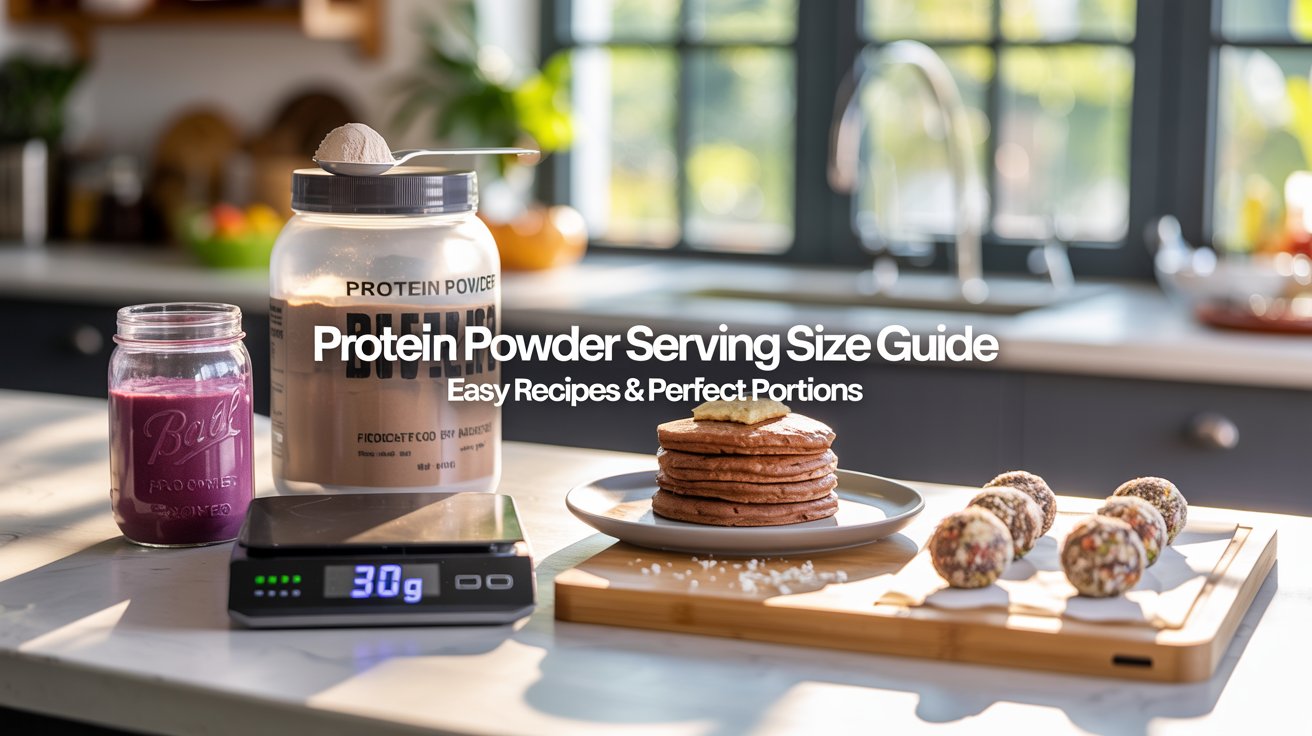
Protein powder can transform a simple dish into a nutritious powerhouse, making it a fantastic addition to your weeknight favorites. Whether you’re blending it into a smoothie, baking it into muffins, or stirring it into savory dishes, it packs a protein punch that satisfies hunger and fuels your day.
Get ready for easy recipes that include protein powder serving sizes, with clear instructions and delicious flavors! You’ll find total time, difficulty level, and servings for each recipe, ensuring you know exactly what to expect.
Importance of Protein Powder Size
Understanding the significance of protein powder serving sizes is crucial for both flavor and nutrition in your recipes. Properly measuring protein powder not only ensures that you meet your dietary needs but also enhances the overall taste and texture of your dishes.
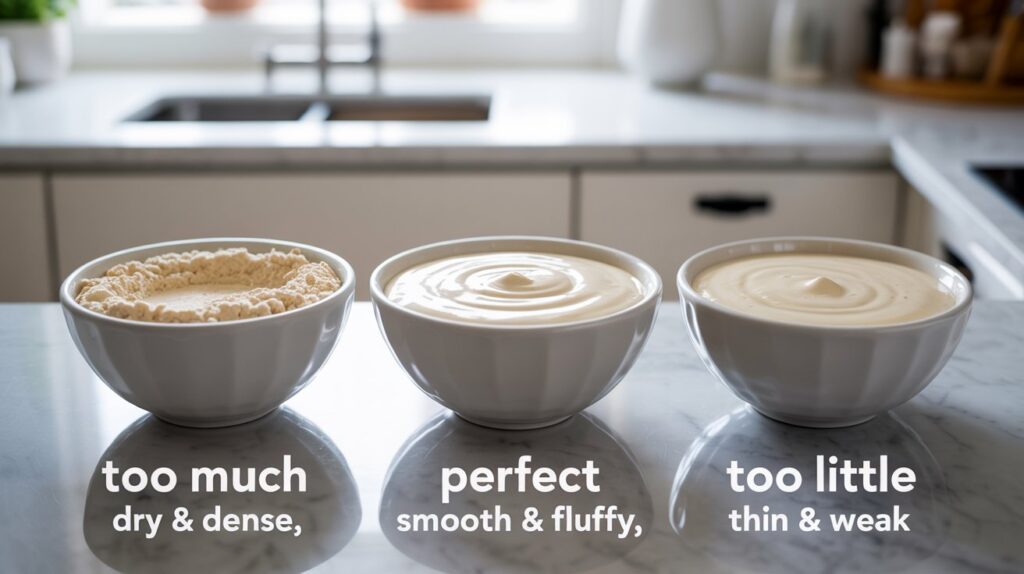
- Consistency in Recipes: Using the correct serving size helps maintain the consistency of your recipes. Too much protein powder can make dishes dry or chalky, while too little may not yield the desired protein content or texture.
- Meeting Dietary Needs: Knowing how much protein powder to incorporate directly affects your protein intake. This is especially important if you are following a specific dietary plan, whether for muscle gain, weight loss, or general health.
- Flavor Balance: Protein powders come in various flavors, and the serving size can impact the overall flavor profile of your dish. Using the right amount ensures that the taste of the protein complements rather than overpowers the other ingredients.
- Texture Considerations: The right amount of protein powder can improve the texture of baked goods or smoothies, making them fluffier or creamier. Too much can lead to density, while too little might result in a lack of structure.
When incorporating protein powder into your meals, consider these factors to enhance not only the nutritional value but also the enjoyment of your culinary creations.
Recommended Serving Sizes
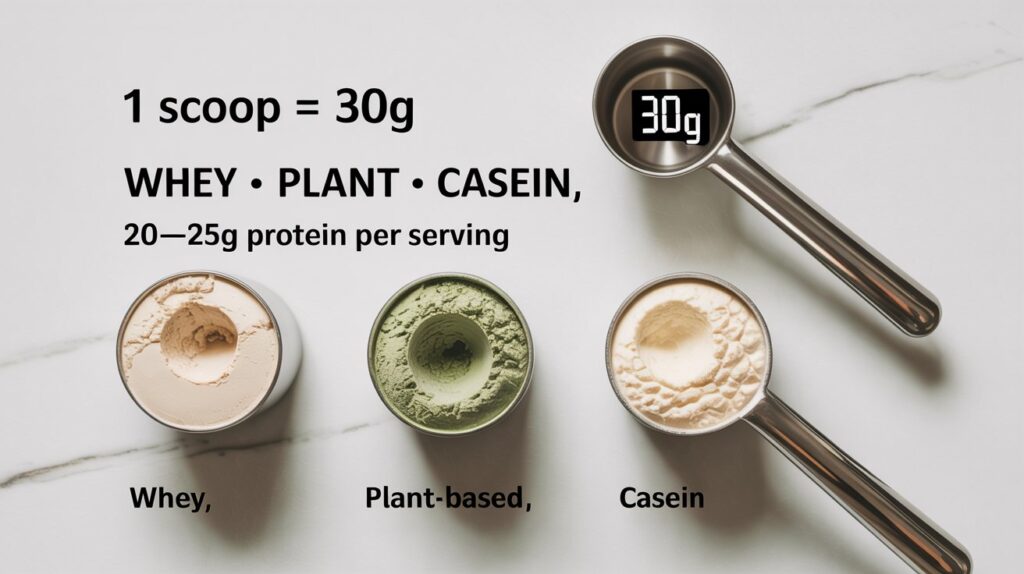
Understanding the appropriate serving sizes for protein powders is crucial for meeting your dietary goals without overdoing it. Different types of protein powders come with varying recommended serving sizes based on their protein content and your nutritional needs. Here, I’ll break down the serving sizes for whey protein, plant-based protein, and casein protein.
? Protein Powder Serving Size Chart
| Type | Standard Serving | Protein Per Serving | Best Time to Use | Best For |
|---|---|---|---|---|
| Whey Protein | 1 scoop (30 g) | 20–25 g | Post-workout | Shakes, pancakes |
| Plant-Based | 1 scoop (30 g) | 18–22 g | Anytime | Smoothies, baking |
| Casein | 1 scoop (30 g) | 20–24 g | Before bed | Thick shakes |
| Collagen | 1 scoop (10–20 g) | 9–18 g | Morning/coffee | Coffee, soups |
| Mass Gainer | 1–2 scoops (50–100 g) | 25–50 g | High-calorie needs | Bulking shakes |
Whey Protein
The typical serving size for whey protein is about 1 scoop (approximately 30 grams), which usually provides around 20-25 grams of protein. This makes it an excellent choice for post-workout recovery. When mixing, aim for a blend with 8-12 ounces of water or milk to achieve a creamy texture.
Plant-Based Protein
For plant-based protein powders, such as pea or hemp, the recommended serving size is also 1 scoop (about 30 grams). However, confirm the protein content on the label as it can vary significantly. Mix with 8-10 ounces of almond milk or a smoothie to enhance flavor, as some plant proteins can have a grainy texture.
Casein Protein
Casein protein is best consumed at a serving size of 1 scoop (approximately 30 grams) before bedtime due to its slow-digesting properties. This can help with muscle recovery overnight. Mix it with 12 ounces of water or milk for a thicker shake, which will also help you feel satiated until morning.
Chef’s tip: Always check the protein content on your specific powder’s label, as different brands may vary in serving size recommendations.
Chocolate Protein Pancakes
These Chocolate Protein Pancakes are not only delicious but also a fantastic way to incorporate protein powder into your diet. With the right serving size, these pancakes can serve as a hearty breakfast or snack that satisfies your taste buds while supporting your nutritional needs. Let’s get started with the ingredients and instructions!
Ingredients List
- 1 cup rolled oats (90g)
- 2 tablespoons unsweetened cocoa powder (15g)
- 1 scoop chocolate protein powder (30g)
- 1 ripe banana, mashed
- 1 cup almond milk (240ml) or regular milk
- 1 teaspoon baking powder
- ½ teaspoon vanilla extract
- ½ teaspoon cinnamon (optional)
- Cooking spray or 1 tablespoon coconut oil for the pan
Cooking Instructions
- In a blender, combine the rolled oats, cocoa powder, protein powder, mashed banana, almond milk, baking powder, vanilla extract, and cinnamon. Blend until smooth, about 30-45 seconds. The batter should be thick and pourable.
- Heat a non-stick skillet over medium heat (about 350°F or 175°C) and lightly grease it with cooking spray or coconut oil. You’ll know the pan is ready when a drop of water sizzles upon contact.
- Pour about ¼ cup of the batter onto the skillet for each pancake. Cook for 2-3 minutes until small bubbles start to form on the surface, and the edges appear set. This indicates they are ready to flip.
- Carefully flip the pancakes and cook for an additional 1-2 minutes until they are firm and slightly browned. The pancakes should be fluffy and soft to the touch.
- Serve warm with your choice of toppings like fresh fruit, maple syrup, or nut butter.
Chef’s tip: If the batter seems too thick, add a little more almond milk to reach your desired consistency.
| Calories | 150 |
| Protein | 12g |
| Carbohydrates | 20g |
| Fat | 4g |
Do not overcrowd the pan when cooking, as this will lower the temperature and result in uneven cooking.
Protein Smoothie Bowl
This Protein Smoothie Bowl is a delicious and nutritious way to incorporate protein powder into your diet. With a perfect serving size, it not only fuels your body but also satisfies your taste buds. Let’s dive into the recipe and make a bowl that’s both filling and refreshing!
Ingredients List
- 1 medium banana, frozen
- 1 cup spinach (30g)
- 1 tablespoon almond butter (16g)
- 1 scoop protein powder (about 30g, any flavor you prefer)
- ½ cup unsweetened almond milk (120ml)
- ¼ teaspoon vanilla extract
- Toppings: 2 tablespoons granola, 1 tablespoon chia seeds, and fresh berries (strawberries or blueberries)
Cooking Instructions
- In a blender, combine the frozen banana, spinach, almond butter, protein powder, almond milk, and vanilla extract. Blend on high until smooth, about 30-45 seconds. The mixture should be creamy and slightly thick.
- Once blended, check the consistency. If it’s too thick, add a splash more almond milk (1-2 tablespoons) and blend again. The smoothie should pour easily but still hold its shape.
- Pour the smoothie mixture into a bowl. The color should be a vibrant green, and it should smell deliciously nutty and fruity.
- Top with granola, chia seeds, and fresh berries. This adds a delightful crunch and extra nutrients. Serve immediately for the best texture.
Chef’s tip: For added creaminess, try using coconut milk instead of almond milk!
| Calories | 350 |
| Protein | 25g |
| Fat | 15g |
| Carbohydrates | 40g |
Common Mistake: Don’t skip the frozen banana; it’s crucial for achieving the right texture! Fresh bananas will make the smoothie too runny.
Protein-Packed Energy Bites
Protein-packed energy bites are a fantastic way to incorporate protein powder into your snacks without sacrificing flavor. Understanding the right serving size for protein powder is crucial for meeting your dietary goals while enjoying delicious treats. Here’s a reliable no-bake recipe that balances flavor and nutrition perfectly, along with guidance on the ideal protein powder serving size.
Ingredients List
- 1 cup rolled oats (90g)
- ½ cup nut butter (peanut, almond, or sunflower) (128g)
- ¼ cup honey or maple syrup (85g)
- 1 scoop protein powder (about 30g)
- ¼ cup mini chocolate chips (optional) (45g)
- 1 teaspoon vanilla extract
- Pinch of salt
Cooking Instructions
- In a large mixing bowl, combine the rolled oats, protein powder, and salt. Mix until evenly distributed. The protein powder should blend seamlessly with the oats, creating a uniform dry mixture.
- Add the nut butter, honey or maple syrup, and vanilla extract to the bowl. Use a spatula to fold the ingredients together until a sticky dough forms. It should feel slightly tacky but hold together without crumbling.
- If desired, fold in the mini chocolate chips. They add a delightful touch of sweetness and texture.
- Using your hands, roll the mixture into bite-sized balls, about 1 inch in diameter. Place them on a parchment-lined baking sheet. This step is crucial—if the mixture is too dry, add a bit more nut butter or honey.
- Refrigerate the energy bites for at least 30 minutes to firm up. They should feel solid and maintain their shape when ready to eat.
Chef’s tip: If you’re using a different protein powder, check the serving size on the label, as it may differ slightly from the standard 30g.
Nutritional Information
| Calories | 100 |
| Protein | 5g |
| Carbohydrates | 12g |
| Fat | 5g |
By following these measurements and steps, you can ensure your protein-packed energy bites are both nutritious and delicious. Enjoy them as a quick snack or a post-workout treat!
Savory Protein Powder Soup
This section focuses on creating a delicious Savory Protein Powder Soup while ensuring you know the right serving size of protein powder to meet your nutritional needs. This recipe allows you to enjoy a warm, hearty soup packed with protein, perfect for a satisfying meal any time of the day.
Ingredients List
- 2 tablespoons olive oil
- 1 medium onion, diced
- 2 cloves garlic, minced
- 1 carrot, diced
- 1 celery stalk, diced
- 4 cups vegetable broth
- 1 cup spinach, chopped
- ½ cup protein powder (unflavored or savory blend)
- 1 teaspoon dried thyme
- Salt and pepper to taste
Cooking Instructions
- In a large pot, heat 2 tablespoons of olive oil over medium heat. Once hot, add the diced onion and sauté for 4-5 minutes until translucent and fragrant.
- Next, add minced garlic, diced carrot, and diced celery. Sauté for an additional 3-4 minutes until the vegetables soften and the garlic is lightly golden.
- Pour in 4 cups of vegetable broth and bring to a gentle boil. Add ½ cup of protein powder, whisking continuously to prevent clumping. The mixture should be smooth and creamy.
- Stir in chopped spinach and dried thyme. Let the soup simmer for about 10 minutes, allowing the flavors to meld together. It should smell aromatic and vibrant.
- Season with salt and pepper to taste before serving. The soup should be warm and inviting, with a rich color and a delightful aroma.
Chef’s tip: For a creamier texture, blend a portion of the soup before adding the spinach.
Protein Powder Serving Size
For this Savory Protein Powder Soup, the recommended serving size of protein powder is ½ cup, which provides a substantial protein boost without overwhelming the flavor. Adjust based on your dietary needs, but be cautious not to exceed 1 cup, as it may affect the soup’s consistency.
| Ingredient | Amount |
|---|---|
| Protein Powder | ½ cup (40g) |
| Vegetable Broth | 4 cups (960ml) |
Common Mistake: Avoid adding protein powder too quickly; whisk continuously to ensure it incorporates smoothly into the soup.
Protein Powder Baking Tips
Understanding the appropriate serving sizes for protein powder can significantly enhance your baking results while ensuring you meet your dietary needs. This section shares practical tips on how to measure and incorporate protein powder into your recipes effectively.
- Start with the recommended serving size: Most protein powders suggest a serving size of 1 to 2 scoops, typically around 20 to 40 grams. Check the label for specifics, as different brands may vary in protein concentration.
- Adjust based on the recipe: If you’re adding protein powder to a recipe, consider starting with ¼ cup (30g) and adjust based on your taste and texture preferences. Too much protein powder can make baked goods dry or dense.
- Balance with other ingredients: When increasing the protein powder in your recipe, you might need to adjust the liquid ingredients. For every additional scoop (30g) of protein powder, add 2-3 tablespoons of liquid to maintain a proper batter consistency.
- Use a kitchen scale for accuracy: For precise measurements, especially in baking, use a kitchen scale. This ensures you’re using the correct amount of protein powder, which can affect the overall outcome.
- Experiment with flavors: Protein powders come in various flavors, from vanilla to chocolate. Choose one that complements your dish, but start with a smaller amount to avoid overpowering the other flavors.
- Watch for texture changes: As you bake with protein powder, note that baked goods may rise less than those made with regular flour. Expect a denser texture and adjust your expectations accordingly.
Serving Suggestions and Pairings
Understanding how to serve protein powder can enhance your meals and ensure you meet your dietary needs without sacrificing flavor. Here’s a guide on how to incorporate the right serving sizes into your recipes, along with suggestions for delicious pairings.
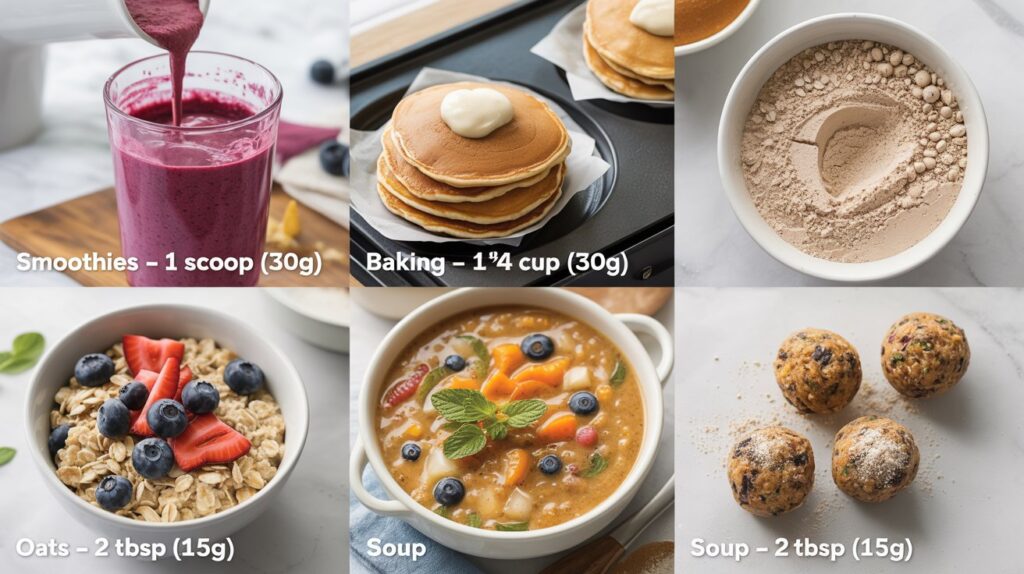
- Smoothies: For a refreshing protein-packed smoothie, blend 1 scoop (30g) of protein powder with 1 cup (240ml) of your favorite milk (dairy or non-dairy), 1 medium banana, and a handful of spinach. Blend until smooth and creamy. The mixture should be vibrant green with a thick consistency, perfect for breakfast or a post-workout snack.
- Baking: When baking, incorporate ¼ cup (30g) of protein powder into recipes for muffins or pancakes. For example, if you’re making banana muffins, replace ¼ cup of flour with protein powder. The batter should be slightly thick but pourable. Bake at 350°F (175°C) for 20-25 minutes until golden brown and a toothpick comes out clean.
- Oatmeal: Stir in 2 tablespoons (15g) of protein powder into your morning oatmeal. Cook oats on the stove or microwave according to package instructions, then mix thoroughly. The oatmeal should be creamy and slightly thicker after adding the powder. This transforms a simple breakfast into a nutrient-dense meal.
- Soups and Stews: Add 2 tablespoons (15g) of protein powder to soups or stews to enhance their nutritional profile. Whisk the powder into the broth before adding vegetables and other ingredients. Ensure it dissolves completely to avoid clumps, creating a hearty and filling dish.
- Energy Bites: For a quick snack, combine 1 cup (100g) of oats, 1/2 cup (125g) of nut butter, 1/4 cup (30g) of protein powder, and 1/4 cup (60ml) of honey. Roll into bite-sized balls and refrigerate for at least 30 minutes. These should feel firm and hold their shape, offering a satisfying crunch with every bite.
Chef’s tip: Adjust the amount of protein powder based on your dietary needs, but be mindful that too much can affect the texture of your recipes.
Quick Summary
| Prep Time | 5 minutes |
|---|---|
| Cook Time | 0 minutes |
| Total Time | 5 minutes |
| Servings | 1 |
- Measure correctly: Use a kitchen scale for precise serving sizes.
- Mix well: Blend protein powder with liquids for a smooth texture.
- Check label: Serving sizes can vary by brand; follow package instructions.
- Start small: Begin with 1 scoop if new to protein powder to assess tolerance.
- Adjust to taste: Customize with fruits or spices for enhanced flavor.
Frequently Asked Questions
Can I make protein powder recipes ahead of time? How to store and reheat?
You can make protein powder recipes ahead of time and store them in an airtight container in the fridge for up to 3-5 days. To reheat, simply warm in the microwave for 30-60 seconds, or until heated through.
What can I substitute for protein powder?
If you don’t have protein powder, you can use Greek yogurt, silken tofu, or cottage cheese as a substitute for added protein in recipes. Just keep in mind that these alternatives may alter the texture and flavor slightly.
How do I know when my protein powder recipe is done?
Your protein powder recipe is typically done when it reaches the desired consistency; for baked goods, use a toothpick to test for doneness — it should come out clean or with a few crumbs.
Can I freeze protein powder recipes? How long does it last?
Yes, you can freeze protein powder recipes, and they will last in the freezer for up to 3 months. Just make sure to wrap them tightly to prevent freezer burn.
What if I don’t have a blender for my protein powder recipe?
If you don’t have a blender, you can use a whisk or a fork to mix the ingredients by hand, though it may take more effort to achieve a smooth consistency. Alternatively, a shaker bottle can work well for mixing protein powder with liquids.
