
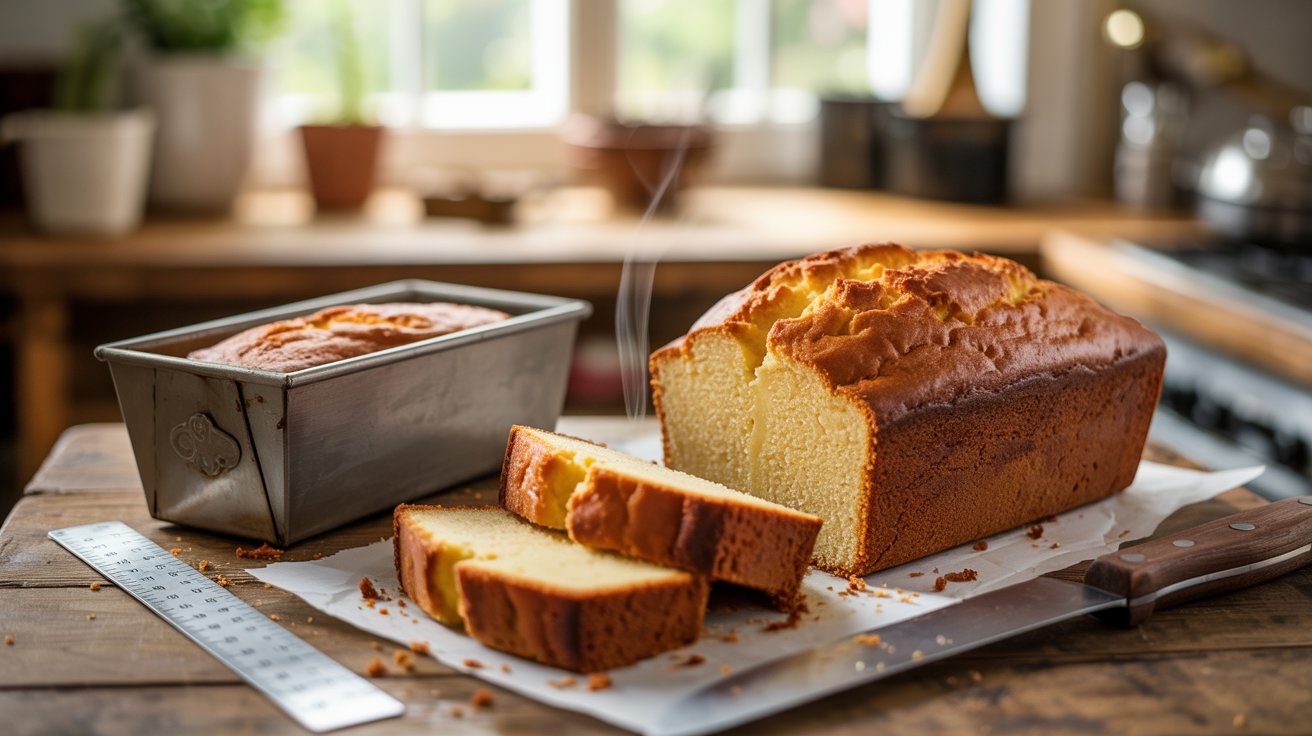
Are you planning to bake a pound cake but unsure about the right size to make? Knowing the perfect pound cake size can save you time, prevent baking mishaps, and ensure your cake turns out just right every time.
Whether you’re baking for a small family gathering or a big celebration, this pound cake size chart will guide you to choose the ideal pan and portion. Keep reading to discover how to get your pound cake size spot on and impress everyone with your baking skills!
Pound Cake Basics
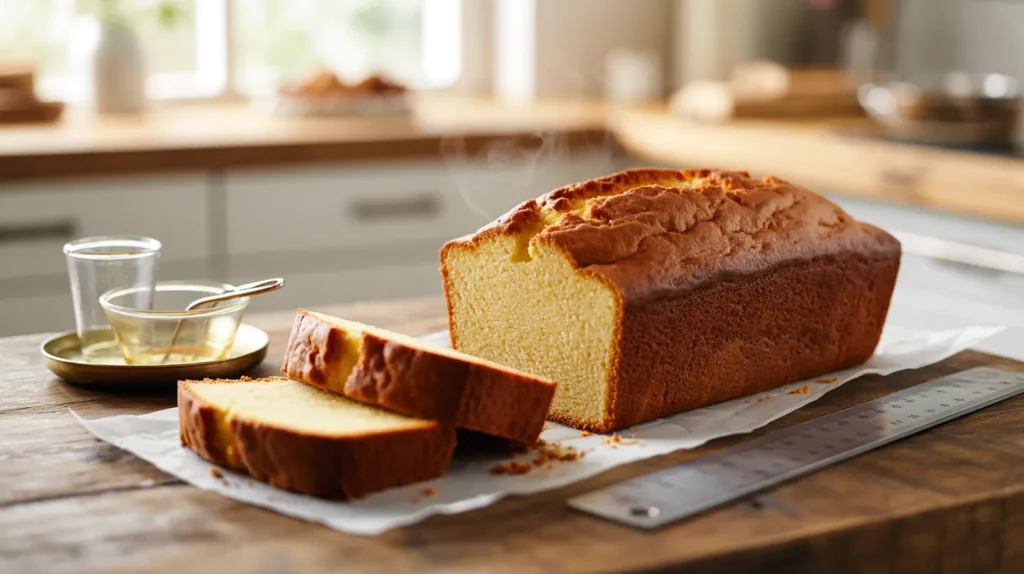
Pound cake is a simple, classic dessert loved by many. It has a rich texture and a buttery flavor that feels comforting. Understanding the basics of pound cake helps bakers create the perfect cake every time. This includes knowing the traditional ingredients and the baking methods used.
Traditional Ingredients
Pound cake got its name from the original recipe. It used one pound each of flour, butter, sugar, and eggs. These four ingredients form the cake’s dense and moist texture. Butter adds richness, sugar brings sweetness, eggs give structure, and flour holds everything together. Some recipes may add vanilla or salt for extra taste.
Classic Baking Methods
Classic pound cake recipes use simple baking steps. First, butter and sugar are creamed until light and fluffy. Then, eggs are added one at a time. Finally, flour is gently mixed in to keep the batter smooth. The batter is poured into a loaf or bundt pan and baked slowly. Slow baking helps the cake cook evenly and stay moist inside.
Common Pound Cake Sizes
Pound cakes come in different sizes based on the pan used for baking. Each size affects baking time and cake shape. Understanding common pound cake sizes helps with recipe planning and portion control.
? Pound Cake Size Chart
| Pan Type | Dimensions / Capacity | Baking Time | Servings |
|---|---|---|---|
| Loaf Pan (Small) | 8.5 x 4.5 in | 50–60 min | 8–10 |
| Loaf Pan (Standard) | 9 x 5 in | 55–70 min | 10–12 |
| Bundt Pan | 10–12 cups batter | 50–60 min | 12–16 |
| Tube Pan | 10 in / 4 in deep | 55–70 min | 16–20 |
| Quarter Sheet | 9 x 13 in | 30–40 min | 20–24 |
| Mini Pound Cakes | 2–4 oz each | 15–25 min | 1 serving each |
Standard Loaf Pans
Standard loaf pans are the most common choice for pound cakes. They usually measure 8.5 x 4.5 inches or 9 x 5 inches. These pans create a classic rectangular shape. Baking time ranges from 50 to 70 minutes. The cake bakes evenly and holds its shape well.
Bundt Pans
Bundt pans have a ring shape with decorative sides. Sizes vary but often hold 10 to 12 cups of batter. This shape makes the cake look fancy without extra effort. Baking time is usually 50 to 60 minutes. The hole in the middle helps heat reach the center faster.
Sheet Pans
Sheet pans produce a flat, rectangular cake. Sizes range from quarter sheet (9 x 13 inches) to full sheet pans. Baking time is shorter, around 30 to 40 minutes. These pans are great for large groups or for cutting into smaller pieces. The cake cooks quickly and evenly.
Portioning Pound Cake
Portioning pound cake correctly helps serve the right amount to everyone. It keeps the cake fresh longer and avoids waste. Knowing how to cut and size slices matters for parties, snacks, or dessert plates.
Use a pound cake size chart for perfect portions every time. This guide helps balance slice size and servings. It ensures fair portions and a pleasant eating experience.
Slice Thickness Tips
Cut pound cake slices about one inch thick for a good balance. Thinner slices work well for tasting or light snacks. Thicker slices satisfy bigger appetites and look nice on dessert plates.
Use a serrated knife to cut clean, even slices. Saw slowly to avoid crumbs or squashing the cake. Chill the cake slightly before slicing for cleaner cuts.
Serving Size Recommendations
A standard 9×5 inch pound cake usually serves 10 to 12 people. Each serving is about one inch thick slice. For smaller servings, cut slices half an inch thick, doubling the servings.
Consider the occasion and appetite when deciding portion size. For kids or light eaters, smaller slices work best. For special meals, larger slices can be more satisfying.
Adjusting Recipes For Size
Adjusting a pound cake recipe to fit different pan sizes requires care. Changing the size affects ingredient amounts and baking time. This section explains how to scale ingredients and adjust baking time for perfect results.
Scaling Ingredients
Start by knowing your pan’s volume in cups or ounces. Compare it to the original recipe’s pan size. Multiply each ingredient by the same ratio. For example, if your pan holds half the volume, use half the ingredients.
Measure carefully to keep the cake’s texture balanced. Avoid guessing, as it can cause dense or dry cakes. Use a kitchen scale for best accuracy.
Baking Time Adjustments
Smaller cakes bake faster. Larger cakes need more time. Check the cake 5 to 10 minutes before the original recipe’s time. Use a toothpick to test doneness. It should come out clean or with few crumbs.
Lower the oven temperature slightly for larger cakes. This helps the center bake without burning the edges. Adjust times gradually and watch the cake closely.
Visual Size Comparison
Understanding pound cake sizes helps you pick the right pan for baking. Visual size comparison shows how different pans affect the cake’s shape and quantity. This makes it easy to plan your baking and serving needs.
Choosing the correct pan size prevents overflows and undercooked centers. It also helps estimate how many slices you can serve. This knowledge saves time and ingredients.
Pan Dimensions Chart
Common pound cake pans come in various shapes and sizes. For example, a standard loaf pan measures 9 x 5 inches. Bundt pans often have a 10-inch diameter. Tube pans usually measure 10 inches across and 4 inches deep.
Each pan size changes the cake’s thickness and baking time. Smaller pans create thicker cakes. Larger pans yield thinner, wider cakes. Knowing dimensions helps match your recipe to the pan.
Expected Yield Estimates
Yield depends on pan size and slice thickness. A 9 x 5 inch loaf pan gives about 10 to 12 slices. A 10-inch Bundt pan produces 12 to 16 slices. A 10-inch tube pan can serve 16 to 20 slices.
Planning servings avoids waste and ensures enough cake for guests. Slice size also affects the total servings. Thicker slices mean fewer servings, thinner slices mean more.
Specialty Pound Cake Sizes
Specialty pound cake sizes bring variety to classic baking. These sizes fit different occasions and preferences. Choosing the right size helps with portion control and presentation. They make pound cakes perfect for gifts, parties, or personal treats.
Mini Pound Cakes
Mini pound cakes are small and easy to eat. They usually weigh between 2 to 4 ounces. These cakes are great for snacks or small dessert servings. Their size makes them perfect for kids and gatherings. Mini pound cakes bake faster and are easy to store.
Layered Pound Cakes
Layered pound cakes have two or more stacked layers. Each layer can have different flavors or fillings. These cakes often serve as centerpieces for celebrations. Layered cakes weigh more and need special pans. They offer more texture and taste variety in one cake.
Storage And Shelf Life By Size
Storing pound cakes properly depends on their size. Size affects how long the cake stays fresh and tasty. Large cakes need different care than smaller slices or pieces. Understanding storage methods helps keep your pound cake soft and moist. It also prevents it from drying out or going stale too fast.
Storing Large Cakes
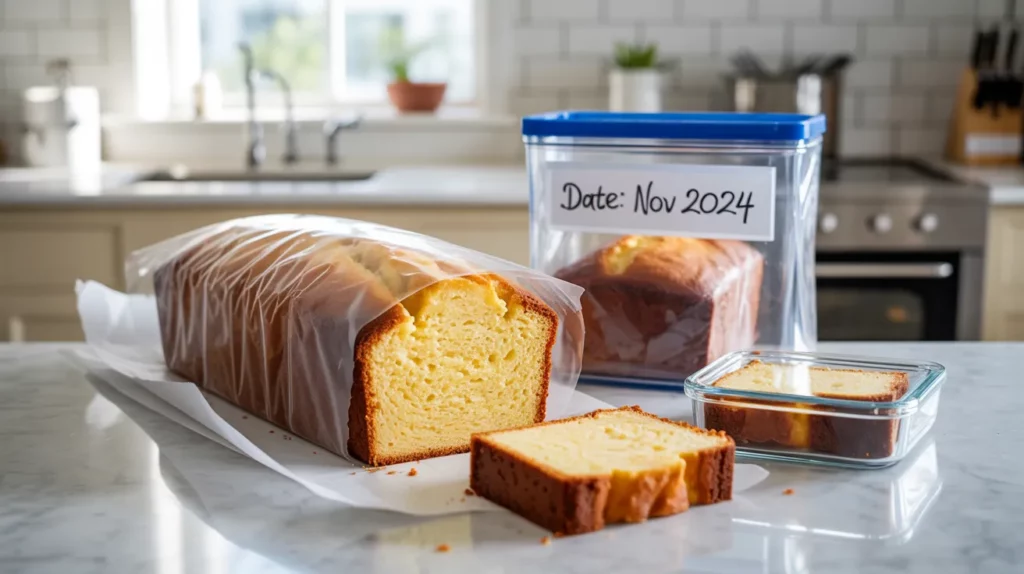
Large pound cakes should stay in an airtight container. Wrap the cake tightly with plastic wrap or foil. This stops air from drying it out. Store the cake at room temperature for up to 3 days. Keep it away from heat or direct sunlight. For longer storage, freeze the cake. Wrap it well and place it in a freezer bag. Frozen pound cake can last up to 3 months.
Preserving Smaller Portions
Smaller pound cake pieces dry out faster than large cakes. Store them in small airtight containers or wrap each piece tightly. Refrigerate smaller portions to keep them fresh for up to 1 week. Before serving, warm them slightly to bring back softness. You can also freeze individual portions. Freeze wrapped pieces for up to 2 months for best taste.
Tips For Perfect Portions Every Time
Getting the right portion size for pound cake makes every serving enjoyable. Too big a slice feels heavy. Too small leaves guests wanting more. Perfect portions help balance taste and satisfaction. Use clear tips to cut and serve pound cake neatly. These small steps create a better experience every time.
Cutting Techniques
Start by letting the cake cool completely. Use a sharp knife for clean slices. Wipe the knife between cuts to keep edges smooth. Cut the cake into equal parts using a ruler or guide. For classic portions, cut the cake into 1-inch thick slices. This size works well for most servings. Smaller pieces suit tea time or snacks. Larger slices fit as dessert with toppings. Straight cuts give a neat look. For special occasions, try decorative cuts like triangles or diamonds.
Serving Suggestions
Serve pound cake with fresh fruit for color and flavor. A dollop of whipped cream adds lightness. Dust with powdered sugar for a simple touch. Warm slices pair well with ice cream. Use small plates to keep portions controlled. Offer forks or dessert spoons for easy eating. Present slices on a nice platter to impress guests. Keep extra cake covered to stay fresh. Portion control helps reduce waste and saves money.
Frequently Asked Questions
What Are The Common Pound Cake Sizes Available?
Common pound cake sizes include 8-inch, 9-inch, and loaf pans. These sizes affect baking time and portion quantity. Choosing the right size depends on your recipe and serving needs.
How Does Pan Size Affect Pound Cake Baking?
Pan size impacts baking time and cake texture. Smaller pans bake faster, while larger pans require longer times. Using the correct pan size ensures even baking and desired cake density.
What Size Pan Is Best For A Classic Pound Cake?
An 8 or 9-inch loaf pan is ideal for classic pound cake. This size balances baking time and cake thickness perfectly. It yields about 8 to 10 servings.
Can I Use Round Pans For Pound Cake?
Yes, round pans can be used but affect baking time. Round pans usually require shorter baking times than loaf pans. Adjust baking time accordingly to avoid overbaking.
Conclusion
Choosing the right pound cake size is easier with this chart. It helps you plan servings and bake with confidence. Sizes match different pans and recipes clearly. This guide saves time and avoids guesswork in baking. Enjoy perfect cakes every time with simple size tips.
Keep this chart handy for your next baking day. Baking becomes fun and stress-free with the right measurements. Your cakes will look great and taste just right.
