
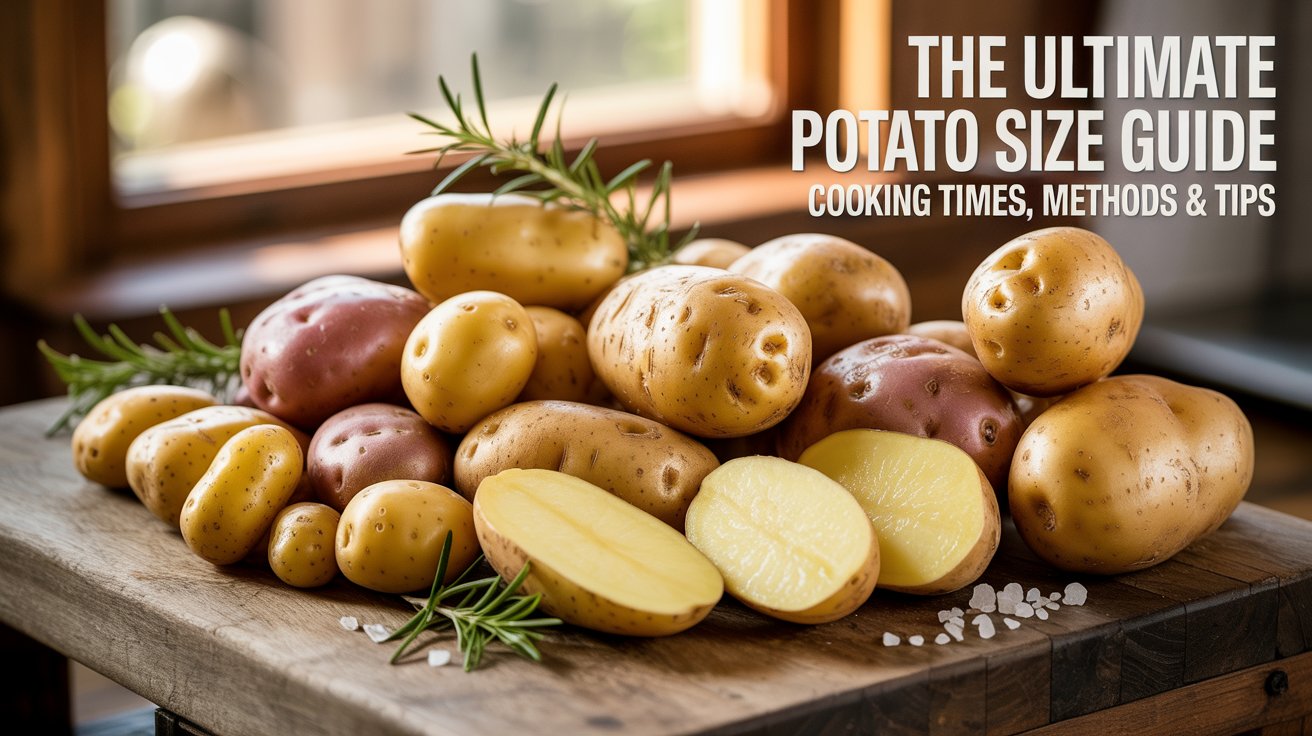
Potatoes are the ultimate comfort food, perfect for bringing warmth to any weeknight dinner. Whether roasted, mashed, or fried, they have a way of making everyone feel at home. Imagine crispy skins and fluffy insides, all seasoned just right—it’s hard not to feel hungry thinking about them!
This guide features a comprehensive potato size chart that categorizes potatoes by size along with their best cooking methods. You’ll find prep and cook times for each recipe, ensuring your meals are as delicious as they are easy to prepare. Servings vary by dish, making it perfect for both solo cooks and family gatherings.
History of Potatoes
The potato, a staple in many diets around the world, has a rich history that highlights its cultural significance and variety over time. Understanding its origins and evolution can enhance our appreciation for this versatile ingredient, especially when we categorize it by size for cooking.
- Origin in the Andes: Potatoes originated in the Andean region of South America, where they were cultivated by indigenous peoples over 7,000 years ago. This ancient crop was not only a food source but also held spiritual significance, often referred to as “the mother of all foods” in local cultures.
- Spread to Europe: Following the Spanish conquest in the 16th century, potatoes were introduced to Europe. Initially met with skepticism, they eventually became a staple food, appreciated for their versatility and ability to thrive in various climates.
- Diversity of Varieties: Over time, thousands of potato varieties have been developed, each with unique flavors, textures, and sizes. From small fingerlings to large baking potatoes, this diversity allows for a wide range of culinary applications, influencing recipes and cooking methods worldwide.
- Cultural Importance: In various cultures, potatoes have taken on symbolic meanings, representing sustenance and resilience. They play a crucial role in traditional dishes, from Irish colcannon to Peruvian causa, showcasing their adaptability in global cuisines.
Potato Size Categories
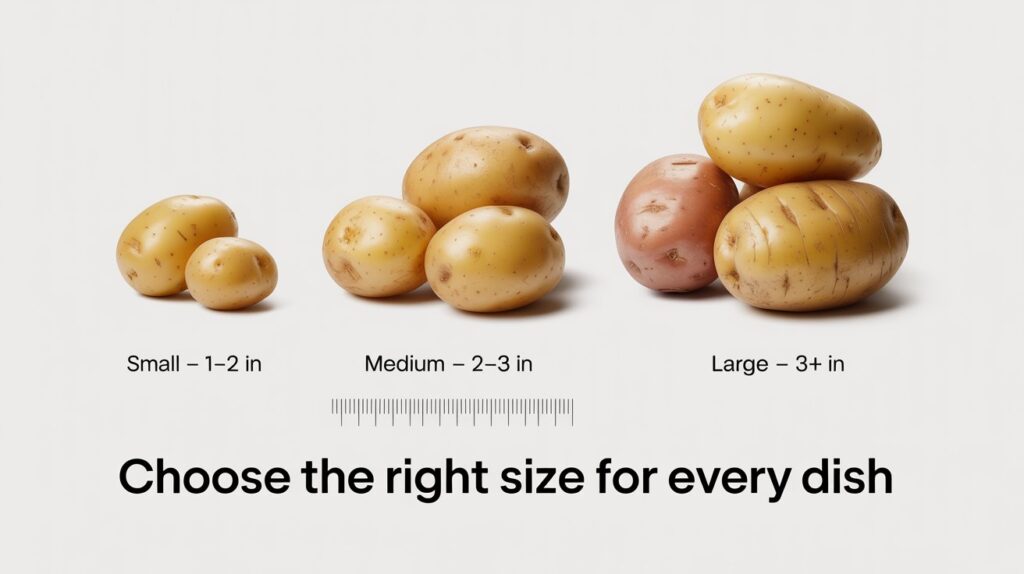
Understanding potato sizes is essential for selecting the right type for your dish. Each size of potato offers different textures and cooking applications, making it crucial to choose wisely based on your recipe’s needs.
Small Potatoes
Small potatoes, typically measuring 1 to 2 inches in diameter, are perfect for roasting and boiling. They have a tender skin and creamy texture, making them delightful in salads or as a side dish.
- Examples: Baby potatoes, New potatoes
- Best Uses: Roasted, boiled, or in potato salads
Medium Potatoes
Medium potatoes range from 2 to 3 inches in diameter and are versatile in cooking. They can be mashed, baked, or used in soups, providing a fluffy texture when cooked.
- Examples: Yukon Gold, Red Potatoes
- Best Uses: Mashed, baked, or in casseroles
Large Potatoes
Large potatoes are generally over 3 inches in diameter and are ideal for baking and frying. Their starchy content makes them fluffy on the inside, perfect for hearty meals.
- Examples: Russet potatoes, Idaho potatoes
- Best Uses: Baked potatoes, fries, or potato wedges
Chef’s tip: Always wash potatoes thoroughly before cooking to remove any dirt or pesticides.
| Small | 1-2 inches | Roasting, boiling |
| Medium | 2-3 inches | Mashing, baking |
| Large | 3 inches+ | Baking, frying |
Best Cooking Methods
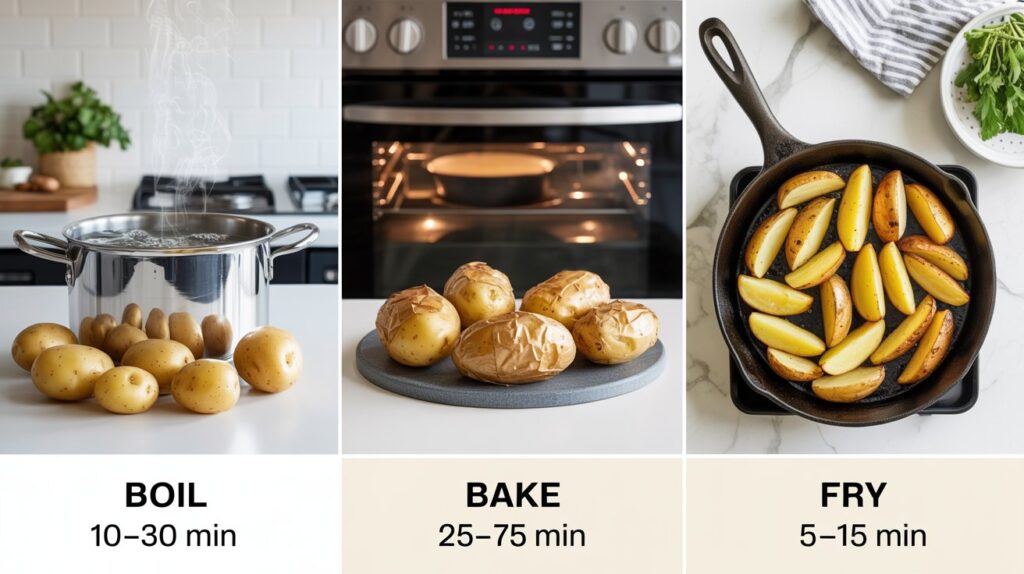
Understanding the best cooking methods for different potato sizes helps to maximize flavor, texture, and overall enjoyment of your dishes. Each size of potato lends itself to specific techniques that enhance their natural qualities, making your meals more delicious and satisfying.
Boiling
- Small potatoes (1-2 inches): Boil for 10-15 minutes until fork-tender. They should be easily pierced but not falling apart.
- Medium potatoes (2-3 inches): Boil for 15-20 minutes. They should feel soft when poked but firm enough to hold their shape.
- Large potatoes (3-4 inches): Boil for 20-30 minutes. When done, they should be tender throughout and can be easily mashed.
Chef’s tip: Always start with cold water and add salt for enhanced flavor.
Baking
- Small potatoes: Bake at 400°F (200°C) for 25-30 minutes until crispy on the outside and soft inside.
- Medium potatoes: Bake for 40-45 minutes at 375°F (190°C). Look for a golden-brown skin and a fluffy interior.
- Large potatoes: Bake for 60-75 minutes at 350°F (175°C). The skin should be crisp, and the flesh should feel soft when squeezed gently.
Frying
- Small potatoes: Cut into halves and fry in 2 tablespoons of olive oil over medium heat for 10-12 minutes until golden brown.
- Medium potatoes: Cut into wedges and fry for 12-15 minutes until crispy and golden.
- Large potatoes: Cut into fries and fry in batches for 5-7 minutes per batch at 375°F (190°C), ensuring not to overcrowd the pan for optimal crispiness.
Common mistake: Avoid frying cold potatoes; they should be at room temperature to ensure even cooking.
| Size | Boiling Time | Baking Temperature | Frying Time |
|---|---|---|---|
| Small | 10-15 mins | 400°F (200°C) for 25-30 mins | 10-12 mins |
| Medium | 15-20 mins | 375°F (190°C) for 40-45 mins | 12-15 mins |
| Large | 20-30 mins | 350°F (175°C) for 60-75 mins | 5-7 mins per batch |
Preparation Tips
Selecting and prepping potatoes properly can significantly enhance your cooking experience and the final dish’s quality. Here are some essential tips to help you choose fresh potatoes and clean them effectively.
Choosing Fresh Potatoes
- Look for firm skin: Fresh potatoes should feel solid and firm to the touch. Avoid any that are soft, shriveled, or have visible blemishes, which can indicate spoilage.
- Check for sprouts: While sprouting is common, it’s best to avoid potatoes with long sprouts. If you find small sprouts, you can simply cut them off, but if they’re extensive, opt for a different potato.
- Color matters: Potatoes should have a consistent color without green patches. Green areas can indicate solanine, a toxic compound that can cause nausea. If you spot green, peel it off before cooking.
Cleaning Techniques
- Rinse before peeling: Always rinse your potatoes under cold running water before peeling to remove any soil or pesticides. Use a vegetable brush to scrub the skin gently for extra cleanliness.
- Peel with care: When peeling, use a sharp vegetable peeler and try to keep as much of the potato flesh as possible. This retains nutrients and adds to the flavor.
- Soak in water: If you’re prepping potatoes in advance, soak them in cold water to prevent browning. Just make sure to drain and dry them before cooking to achieve the best texture.
Recommended Recipes
This section highlights delicious recipes tailored to different potato sizes, ensuring you make the most of each variety. Choosing the right recipe for the size of potato can enhance flavor, texture, and presentation, making your meal preparation both enjoyable and rewarding.
Small Potato Recipes
- Roasted Baby Potatoes: Toss 1 pound of baby potatoes with 2 tablespoons olive oil, salt, and pepper. Roast at 400°F (200°C) for 25-30 minutes until crispy, shaking the pan halfway through.
- Potato Salad: Boil 1 pound of small potatoes for 15-20 minutes until tender. Mix with ¼ cup mayonnaise, 1 tablespoon mustard, 2 tablespoons chopped dill, and salt to taste.
Medium Potato Recipes
- Mashed Potatoes: Boil 2 pounds of medium potatoes for 20 minutes until fork-tender. Drain and mash with ½ cup milk, 4 tablespoons butter, salt, and pepper to taste.
- Potato Wedges: Cut 4 medium potatoes into wedges, coat with 3 tablespoons olive oil, and season with paprika. Bake at 425°F (220°C) for 30 minutes, flipping halfway through until golden brown.
Large Potato Recipes
- Stuffed Baked Potatoes: Bake 4 large russet potatoes at 375°F (190°C) for 60-75 minutes until tender. Scoop out the insides, mix with ½ cup sour cream, 1 cup shredded cheese, and return to the skins.
- Potato Gratin: Thinly slice 2 large potatoes and layer them with 1 cup cream, 1 cup grated cheese, and bake at 350°F (175°C) for 45 minutes until bubbly and golden.
Chef’s tip: For the best flavor in mashed potatoes, use Yukon Gold potatoes for their creamy texture.
Storage Guidelines
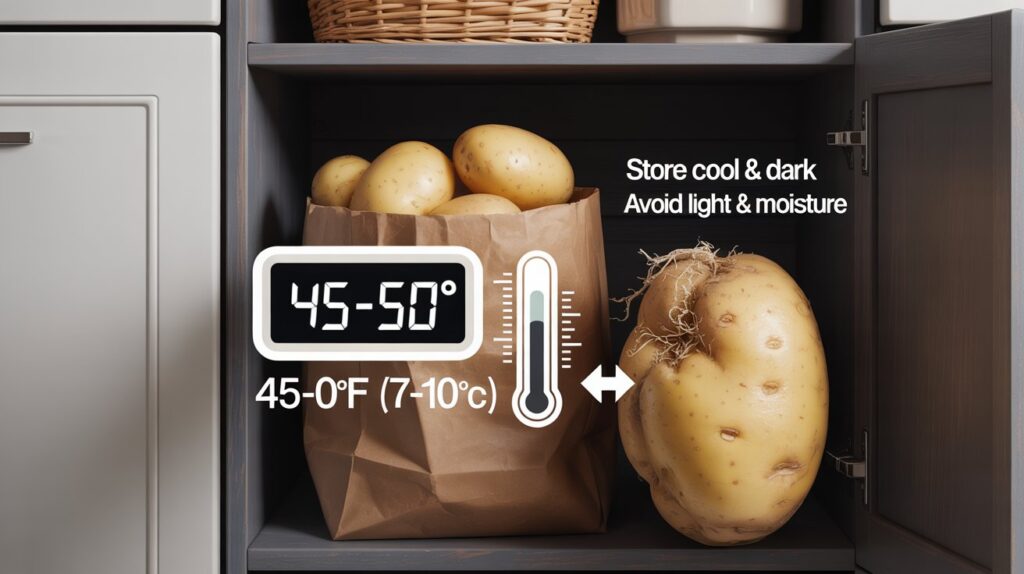
Proper storage of potatoes can extend their shelf life and maintain their quality, making it essential for any home cook. Depending on the size and type of potato, different storage methods should be employed to retain flavor and texture.
Short-term Storage
For short-term storage, keep your potatoes in a cool, dark, and well-ventilated area, ideally at temperatures between 45°F and 50°F (7°C to 10°C). Avoid placing them in the refrigerator, as cold temperatures can alter their taste and texture. Check them regularly for any signs of sprouting or spoilage.
Long-term Storage
For long-term storage, consider using a root cellar or a similar environment where the temperature remains stable. Wrap them in burlap or paper to allow airflow while protecting them from light. Storing larger potatoes in a single layer can help prevent bruising; keep them away from onions, as these can cause potatoes to spoil faster.
Remember that different varieties may have slightly different storage needs, but following these guidelines will help maintain their quality for as long as possible. Regularly inspect your stored potatoes and remove any that show signs of rot to prevent them from affecting the others.
Serving Suggestions
When it comes to serving potatoes, the size and variety play a significant role in how they can complement your meals. Understanding the best ways to pair and garnish potatoes can elevate your dish and enhance the overall dining experience.
Garnishing Tips
Garnishing can turn a simple potato dish into a culinary delight. Here are some ideas:
- Chives: Finely chop 2 tablespoons of fresh chives and sprinkle over baked or mashed potatoes for a fresh flavor burst.
- Cheese: For a creamy touch, add ¼ cup of shredded cheddar or parmesan over hot baked potatoes, allowing it to melt slightly.
- Sour Cream: A dollop of sour cream (about 2 tablespoons) pairs perfectly with baked potatoes, enhancing their richness.
- Herbs: Fresh herbs like parsley or dill can add color and aroma; consider using 1 tablespoon of chopped herbs per serving.
Pairing Options
Choosing the right protein or vegetable to serve with potatoes can create a balanced meal. Here are some suggested pairings:
| Russet Potatoes | Grilled Steak | Serve with a side of garlic butter |
| Red Potatoes | Roasted Chicken | Add rosemary for an aromatic twist |
| Yukon Gold | Salmon | Pair with lemon and dill for freshness |
| Fingerling Potatoes | Vegetable Stir-Fry | Drizzle with soy sauce for flavor |
With these garnishing and pairing suggestions, you can make the most of your potatoes in any meal. Enjoy experimenting with different combinations to find what works best for your taste buds!
Quick Summary
| Prep Time | Cook Time | Total Time | Servings |
|---|---|---|---|
| 10 minutes | Varies by size | Depends on cooking method | 4 |
- Understand potato sizes: Choose between small, medium, and large for your recipe.
- Cooking times vary: Small potatoes take about 15-20 minutes, while large can take 30-40 minutes.
- Uniform size is key: Cut potatoes evenly for consistent cooking.
- Check doneness: Use a fork; it should pierce easily when done.
- Rinse before cooking: This removes excess starch and helps with texture.
- Tip 1: Always adjust cooking time based on potato size for perfect results.
- Tip 2: Pair sizes with cooking methods: roast small, boil large.
Frequently Asked Questions
Can I make potato dishes ahead of time? How to store and reheat?
You can prepare potato dishes in advance by cooking and storing them in an airtight container in the refrigerator for up to 3-4 days. To reheat, simply pop them in the oven at 350°F (175°C) until warmed through, about 15-20 minutes.
What can I substitute for a specific type of potato?
If a recipe calls for a specific potato type, like Yukon Gold, you can substitute it with Russet or Red potatoes, keeping in mind that texture and flavor may vary slightly. Choose a potato that has similar starch content for the best results.
How do I know when my potatoes are done cooking?
Potatoes are done when they are fork-tender, which usually takes about 15-20 minutes for cubed potatoes or 30-40 minutes for whole potatoes boiling in water. You can check doneness by piercing them with a fork; it should slide in easily.
Can I freeze cooked potatoes? How long do they last?
You can freeze cooked potatoes, but they are best used within 1-2 months for optimal flavor and texture. To freeze, let them cool completely, then store in an airtight container or freezer bag.
What if I don’t have a kitchen scale for measuring potatoes?
If you don’t have a kitchen scale, you can estimate that a medium potato typically weighs around 5-7 ounces (150-200 grams). You can also use volume measurements, where 1 medium potato equals about 1 cup of cubed potatoes.
