
Nothing beats the comfort of perfectly cooked potatoes, whether they’re fluffy mashed potatoes on a chilly evening or crispy fries that disappear in seconds at a gathering. Potatoes are versatile, satisfying, and bring everyone together around the table, making them a beloved staple in any home kitchen.
In this guide, you’ll find a detailed serving sizes chart for different types of potatoes, including raw, cooked, and various preparations. Expect clear measurements, cooking times, and even nutritional values to help you plan your meals.
History of Potatoes
The potato, originally cultivated in the Andean region of South America, has grown into a staple food in many cultures around the world. Understanding its historical significance and variety can enhance our appreciation of this versatile tuber, especially when determining appropriate serving sizes in various preparations.
- Cultural Importance: The potato was first domesticated by indigenous people over 7,000 years ago. It became a fundamental part of their diet and was later introduced to Europe in the late 16th century, transforming agricultural practices and food security across the continent.
- Types of Potatoes: There are numerous varieties of potatoes, each suited for different cooking methods. Common types include russet, red, yellow, and fingerling potatoes, each offering unique flavors and textures that influence serving sizes and nutritional profiles.
- Nutritional Value: Potatoes are a great source of carbohydrates, vitamins, and minerals. For example, a medium-sized russet potato (about 213g) contains approximately 160 calories, 37g of carbs, and 4g of protein, making it essential to consider portion sizes based on preparation methods.
- Global Variations: Different cuisines utilize potatoes in various ways, from French fries in America to aloo gobi in India. This cultural diversity necessitates a serving size chart that accommodates different cooking styles and flavor profiles.
Serving Sizes for Raw Potatoes
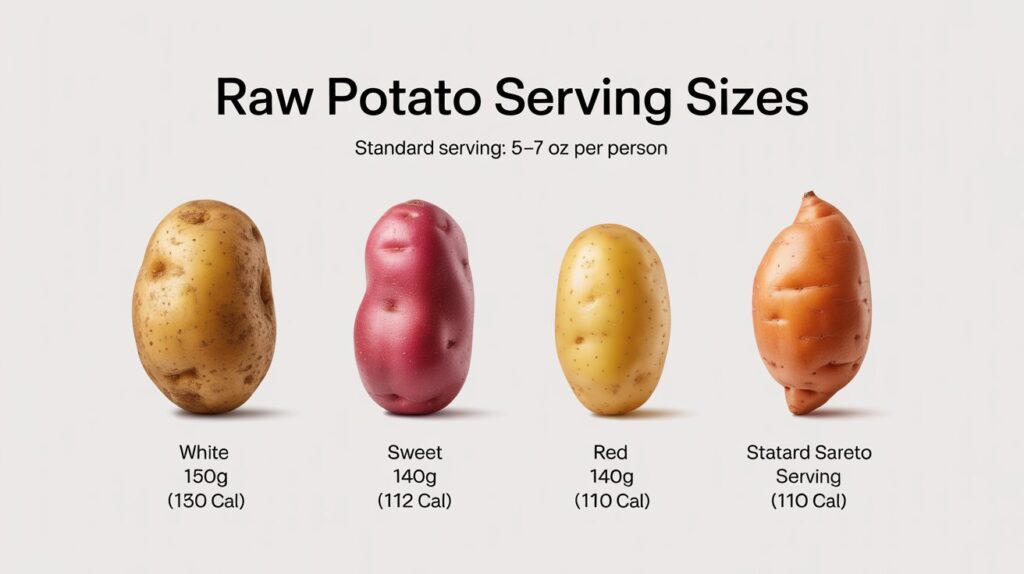
Understanding the serving sizes for raw potatoes is essential for meal planning and ensuring balanced nutrition. Each type of potato has its own unique characteristics, which affects how much you might want to serve based on your dish. Below, you’ll find a detailed chart that outlines recommended serving sizes for white, sweet, and red potatoes, along with their nutritional values.
| White Potatoes | 1 medium (about 5.3 oz / 150g) | 130 | 30 |
| Sweet Potatoes | 1 medium (about 5 oz / 140g) | 112 | 26 |
| Red Potatoes | 1 medium (about 5 oz / 140g) | 110 | 26 |
Here’s a quick reference for what to expect from each type:
- White Potatoes: Creamy texture and mild flavor, great for mashing or baking.
- Sweet Potatoes: Slightly sweet with a dense texture, ideal for roasting or mashing.
- Red Potatoes: Waxy and smooth, perfect for salads or steaming.
Chef’s tip: Always wash your potatoes thoroughly to remove any dirt, especially if you’re leaving the skin on for recipes.
By keeping these serving sizes in mind, you can better manage your ingredients and ensure your meals are both satisfying and nutritious.
Serving Sizes for Cooked Potatoes
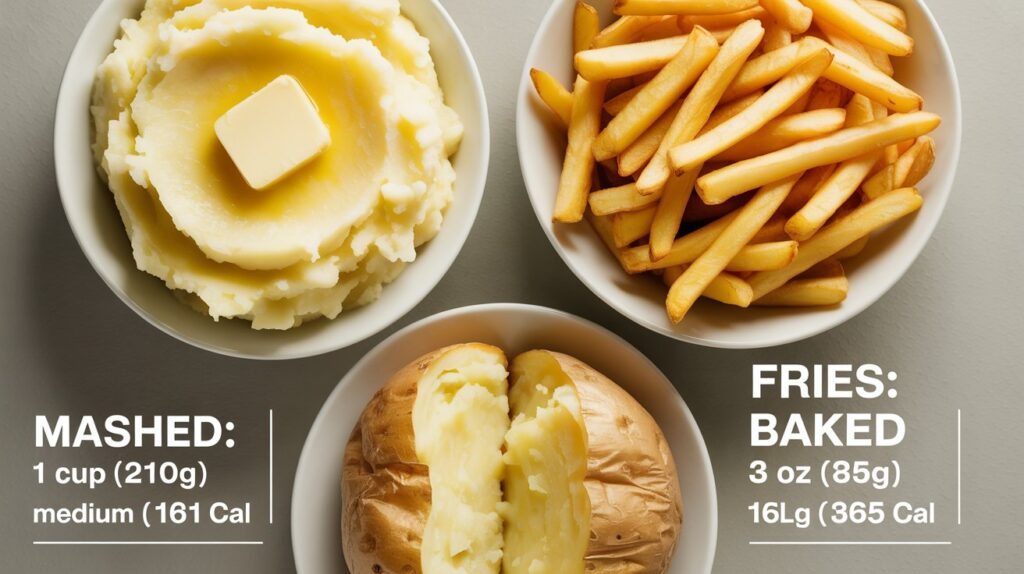
Understanding the serving sizes for various cooked potato preparations is essential for meal planning and ensuring everyone enjoys the right amount. This section provides a comprehensive look at common ways to serve cooked potatoes, including mashed, baked, and fried, along with their respective portion sizes.
Mashed Potatoes
Mashed potatoes are a classic comfort food, perfect as a side dish. A standard serving size is about 1 cup (approximately 240g), which typically contains around 210 calories and 35g of carbohydrates. To achieve a creamy texture, use 2 tablespoons of butter and ¼ cup of milk per cup of potatoes.
- 1 cup mashed potatoes (240g)
- Calories: 210
- Carbohydrates: 35g
Baked Potatoes
A medium-sized baked potato (about 5-6 ounces or 140-170g) is considered a single serving. This portion has about 160 calories and 37g of carbohydrates. For perfect baking, preheat your oven to 425°F (220°C) and bake for 45-60 minutes until the skin is crispy and the inside is tender.
- 1 medium baked potato (140-170g)
- Calories: 160
- Carbohydrates: 37g
Fried Potatoes
For fried potatoes, such as French fries or hash browns, a serving size is approximately 1 cup (around 150g). This serving typically contains about 365 calories and 50g of carbohydrates. To avoid sogginess, ensure your oil is heated to 350°F (175°C) before frying, and do not overcrowd the pan.
- 1 cup fried potatoes (150g)
- Calories: 365
- Carbohydrates: 50g
Chef’s tip: If your fried potatoes aren’t crispy, try increasing the frying temperature by 25°F (about 14°C) and ensure you dry the potatoes thoroughly before frying.
Nutritional Information Breakdown
Understanding the nutritional values associated with different potato serving sizes is crucial for making informed dietary choices. This section provides a comprehensive breakdown of calories, carbohydrates, and fiber for various potato preparations, helping you gauge portion sizes effectively.
| Raw Potato | 1 medium (5.3 oz or 150g) | 130 | 30 | 2 |
| Baked Potato | 1 medium (5.3 oz or 150g) | 161 | 37 | 4 |
| Mashed Potato | 1 cup (210g) | 214 | 37 | 3 |
| French Fries | 1 medium (4 oz or 113g) | 365 | 63 | 4 |
| Potato Salad | 1 cup (210g) | 358 | 52 | 4 |
- Tip: If you’re trying to cut back on carbs, consider swapping out some of your potato servings for lower-carb vegetables like cauliflower.
- Common Mistake: Overcooking mashed potatoes can lead to a gluey texture. Aim for a smooth consistency without over-mashing.
Measuring Serving Sizes Accurately
Understanding how to measure serving sizes for potatoes correctly is essential for portion control and nutritional balance. Whether you’re preparing a simple dinner or planning a meal, knowing the right serving size can help you manage ingredients effectively and avoid waste.
- Using a Food Scale: A digital kitchen scale is one of the most precise tools you can use. Weighing potatoes ensures you get accurate serving sizes; for example, a medium potato typically weighs about 5 to 7 ounces (140 to 200 grams). This method is particularly useful for recipes requiring specific amounts or when counting calories.
- Measuring Cups: For cooked potatoes, measuring cups can be handy. One cup of mashed potatoes is roughly equivalent to 210 grams. When measuring, make sure to pack the mash gently into the cup without compressing it too much, which could lead to excess portions.
- Visual Guides: If you don’t have a scale or measuring cups handy, visual guides can help. A medium potato is about the size of a computer mouse, while a serving of fries should fill about one-quarter of your plate. This can help you estimate serving sizes on the fly.
Chef’s tip: Keep in mind that cooking methods affect volume. For instance, 1 pound of raw potatoes will yield less than 1 pound of mashed potatoes due to moisture loss during cooking.
Meal Planning with Potatoes
Understanding potato serving sizes is essential for creating balanced meals and meeting dietary needs. This section provides practical examples of how to incorporate various potato serving sizes into your daily meal planning while considering portion control and dietary considerations.
Balanced Meals: Aim for a balanced plate by combining potatoes with lean proteins and vegetables. For instance, a serving of 1 medium baked potato (about 5.3 ounces or 150 grams) pairs well with 4 ounces of grilled chicken and a cup of steamed broccoli. This combination provides a nutritious mix of carbohydrates, protein, and fiber.
Dietary Considerations: Keep in mind that different dietary needs may require adjustments in potato serving sizes. For example, someone following a low-carb diet might limit themselves to ½ medium potato (about 75 grams) per meal, whereas athletes may need a larger serving to fuel their energy needs, such as 2 medium potatoes (300 grams) in a post-workout meal.
Portion Control: Managing portion sizes is crucial, especially with high-calorie preparations like fried potatoes. A serving of French fries is typically 3 ounces (about 85 grams), which is roughly a handful. Be mindful of how much you serve to avoid excess calories while still enjoying your favorite dishes.
| Baked Potato | 1 medium (150g) | 161 |
| Mashed Potatoes | 1 cup (210g) | 238 |
| Fried Potatoes | 3 ounces (85g) | 365 |
Chef’s tip: Always measure your serving sizes to maintain consistency and track your nutritional intake effectively.
Common Mistakes in Serving Sizes
Understanding correct serving sizes for potatoes is essential to ensure balanced meals and avoid waste. Many home cooks make common mistakes that can skew their portioning, leading to either excessive leftovers or insufficient servings. Let’s take a closer look at these pitfalls.
Overestimating Portions
One of the most frequent errors is overestimating how much potato you need per person. While it’s easy to assume that larger servings will make everyone happy, this can lead to excessive waste. A general guideline for serving sizes is:
- Raw potatoes: 5-7 ounces (140-200g) per person
- Mashed potatoes: 1 cup (240ml) per person
- Baked potatoes: 1 medium potato (about 6-8 ounces or 170-225g) per person
- Fried potatoes: ½ cup (120ml) per person
Ignoring Cooking Method
The cooking method significantly affects the final volume and texture of potatoes. For example, mashed potatoes will take up less space than whole baked potatoes, making it easy to misjudge serving sizes.
Chef’s tip: Always measure potatoes after cooking for more accurate serving sizes, especially for mashed or fried preparations.
Not Considering Additives
When preparing potatoes, the addition of ingredients like butter, cream, or cheese can substantially increase caloric content and impact serving sizes. Here’s a quick reference for common additives:
| Butter | 1 tablespoon (14g) | 102 |
| Heavy Cream | 2 tablespoons (30ml) | 52 |
| Shredded Cheese | ¼ cup (28g) | 110 |
Being mindful of these common mistakes can help ensure you’re serving the right amount of potatoes, making your meals satisfying and balanced.
Quick Summary
| Prep Time | Cook Time | Total Time | Servings |
|---|---|---|---|
| 10 minutes | 15 minutes | 25 minutes | 4 servings |
- Measure accurately: Use a kitchen scale for precise serving sizes.
- Choose the right type: Use starchy potatoes like Russets for baking.
- Cut uniformly: Ensure even cooking by cutting potatoes into similar sizes.
- Check doneness: Fork-tender potatoes take about 15 minutes when boiled.
- Account for skin: One medium potato (5-6 oz) is a standard serving without skin.
Frequently Asked Questions
Can I make this ahead of time? How to store and reheat?
You can prepare potatoes ahead of time by boiling or roasting them; store them in an airtight container in the fridge for up to 3 days. To reheat, simply warm them in the oven at 350°F (175°C) for about 15 minutes or until heated through.
What can I substitute for a key ingredient?
If you’re out of fresh potatoes, you can substitute with frozen potatoes or even sweet potatoes, adjusting cooking times slightly as necessary. For mashed potatoes, using cauliflower can create a lower-carb alternative.
How do I know when it’s done?
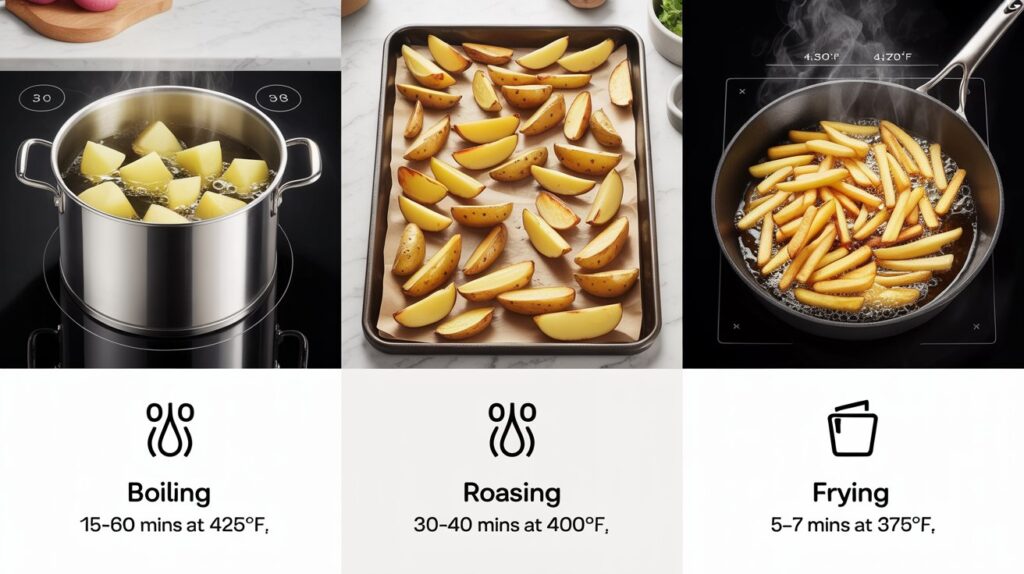
Your potatoes are done when they are tender enough to pierce easily with a fork, usually after about 15-20 minutes of boiling, or when they are golden and crispy after about 30-40 minutes of roasting. Always check with a fork — if it slides in easily, they’re ready!
Can I freeze this? How long does it last?
You can freeze cooked potatoes, but they are best used within 1-2 months for optimal texture. When freezing, let them cool completely and store in an airtight container or freezer bag to prevent freezer burn.
What if I don’t have specific equipment?
If you don’t have a potato masher, you can use a fork or a food processor to mash them instead — just be careful not to over-process for a gummy texture. A baking sheet can be replaced with a cast-iron skillet for roasting potatoes effectively.
