
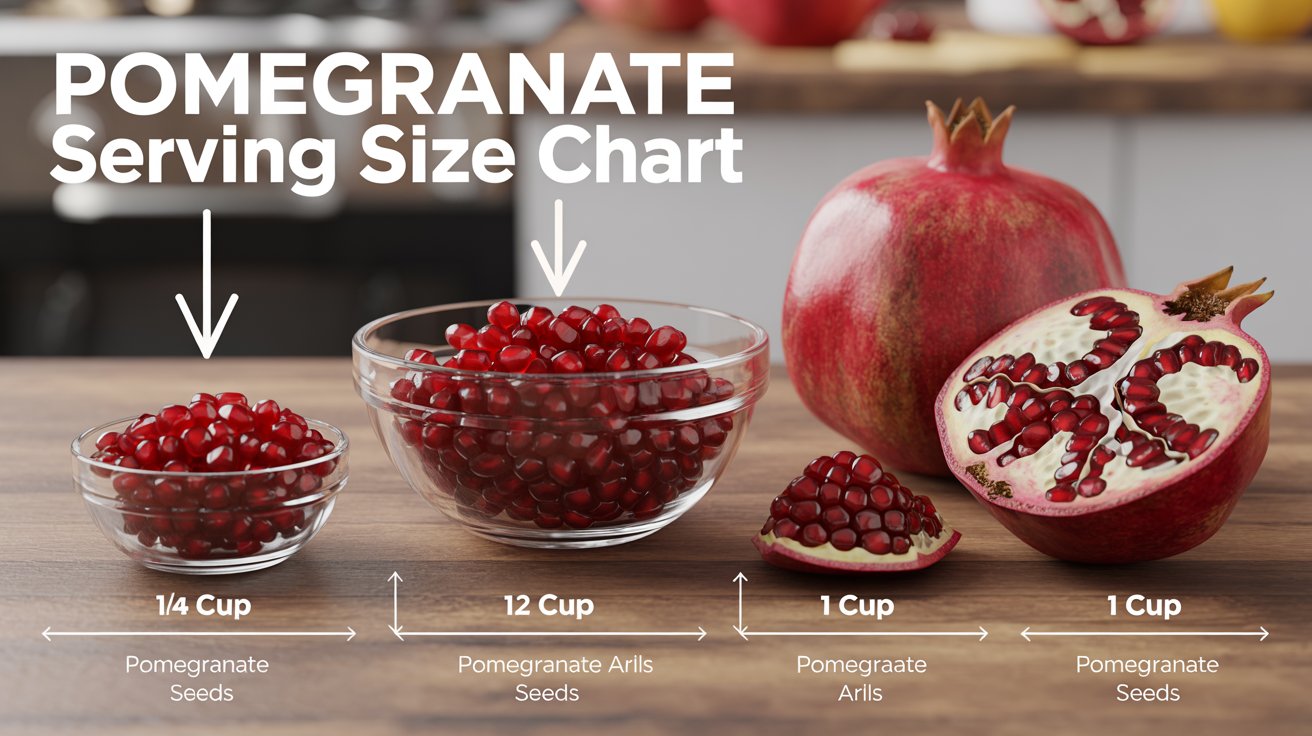
Pomegranates are not only visually stunning but also bursting with flavor and nutrition, making them a favorite in my kitchen. Their sweet-tart seeds add a delightful crunch to salads, desserts, and even savory dishes, elevating your meals to something truly special. Plus, they’re a fantastic source of antioxidants!
In this guide, you’ll discover the standard serving size for pomegranates, nutritional benefits per serving, and some delicious ways to incorporate them into your meals. Let’s make the most of these juicy gems!
Pomegranate Origins
Pomegranates have a rich cultural history and are celebrated for their numerous health benefits. Understanding their origins not only enhances our appreciation for this vibrant fruit but also informs us about their nutritional significance and appropriate serving sizes in our diets.
Cultural History
- Ancient Symbolism: Pomegranates are often associated with life and fertility in various cultures. In ancient Greece, they were linked to the goddess Persephone, symbolizing rebirth and renewal.
- Historical Use: This fruit has been cultivated since antiquity, with evidence found in archaeological sites across the Mediterranean and the Middle East. It has played a role in religious and cultural traditions, often representing prosperity and abundance.
Health Benefits
- Rich in Nutrients: Pomegranates are packed with vitamins C and K, potassium, and fiber, making them a healthy addition to your diet. A serving typically contains about 234 calories and is an excellent source of antioxidants.
- Heart Health: Studies suggest that pomegranates may help lower blood pressure and cholesterol levels, contributing to overall heart health. Regular consumption can also improve blood circulation.
- Anti-Inflammatory Properties: The antioxidants in pomegranates can reduce inflammation in the body, which is beneficial for managing chronic conditions such as arthritis.
Standard Serving Size
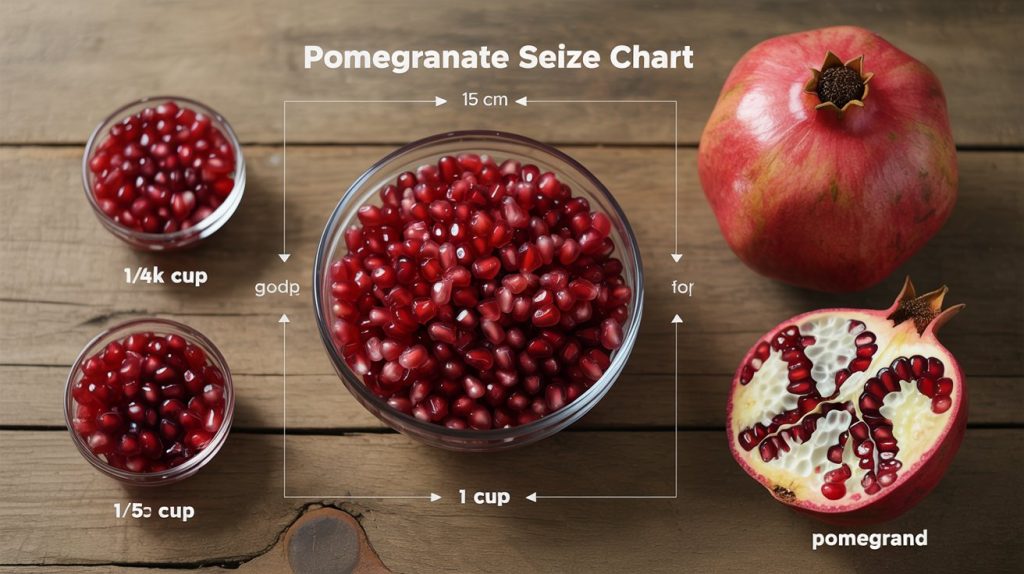
Understanding the appropriate serving size for pomegranates is essential for incorporating this delicious fruit into your meals and snacks. Whether you’re enjoying them fresh or using them in recipes, knowing the right amount can enhance your culinary experience and provide the nutritional benefits you’re looking for.
Whole Fruit
A standard serving size for a whole pomegranate is typically one medium fruit, which weighs about 12 to 14 ounces (340 to 400 grams). When purchasing, look for pomegranates that feel heavy for their size and have a firm, unblemished skin. This indicates ripeness and juiciness.
Seed Measurements
Pomegranate seeds, also known as arils, are often used in salads, desserts, and as garnishes. A standard serving of pomegranate seeds is about ½ cup (approximately 87 grams). This amount provides a burst of flavor and a satisfying crunch without overwhelming other ingredients.
| Serving Type | Measurement | Weight |
|---|---|---|
| Pomegranate arils (seeds) | ½ cup | ~87 g |
| Pomegranate arils | 1 cup | ~174 g |
| Whole pomegranate | 1 fruit | ~340–400 g |
| Snack portion | ¼ cup arils | ~40 g |
✔ The recommended serving size is about ½ cup of pomegranate seeds (87 g).
Chef’s tip: To easily remove seeds, cut the pomegranate in half and gently tap the back with a wooden spoon to release the arils.
Keep in mind that while enjoying pomegranates can be delightful, moderation is key. Overindulging can lead to excessive sugar intake, so sticking to these serving sizes can help maintain a balanced diet.
Nutritional Information
Understanding the nutritional content of pomegranates is essential when determining the appropriate serving size. This section will detail the calories, vitamins, and minerals found in a typical serving, which can help you make informed choices for incorporating them into your meals or snacks.
A 1-cup serving (174 g) of pomegranate arils provides approximately:
| Nutrient | Amount |
|---|---|
| Calories | 144 kcal |
| Carbohydrates | 33 g |
| Fiber | 7 g |
| Protein | 3 g |
| Fat | 2 g |
Important nutrients include:
- Vitamin C
- Vitamin K
- Folate
- Potassium
Calories
A standard serving size of pomegranate is about 1 cup of arils (approximately 174 grams). This serving provides:
- Calories: 144
Vitamins and Minerals
Pomegranates are packed with vitamins and minerals that contribute to a healthy diet. Here’s a breakdown of the key nutrients in a 1-cup serving:
| Vitamin C | 30 mg | 50% |
| Vitamin K | 36.5 mcg | 30% |
| Folate | 107 mcg | 27% |
| Potassium | 413 mg | 12% |
| Fiber | 7 grams | 28% |
Chef’s tip: For added health benefits, try pairing pomegranate arils with yogurt or salads to boost your vitamin intake!
Incorporating pomegranates into your diet not only enhances flavor but also provides a rich source of essential nutrients. Enjoy them fresh, in smoothies, or as a garnish for savory dishes to make the most of their health benefits!
Selecting Ripe Pomegranates
Choosing the right pomegranates is essential for getting the most out of their flavor and nutritional benefits, especially when determining the appropriate serving size. A ripe pomegranate ensures you enjoy juicy, sweet seeds that can enhance your recipes and snacks.
- Color: Look for pomegranates that have a rich, vibrant color, which can range from deep red to burgundy. The more intense the color, the riper the fruit is likely to be. Avoid any pomegranates that have dull or faded skin.
- Weight: A ripe pomegranate should feel heavy for its size. When you pick one up, it should feel full and dense, indicating that the seeds inside are plump and juicy. If it feels light, it may be under-ripe or dried out.
- Skin Condition: Inspect the skin for any blemishes or cracks. A smooth and slightly glossy surface is a good indicator of freshness. If you find any soft spots or signs of wrinkling, it’s best to avoid that fruit, as it may not have the best flavor or texture.
By selecting ripe pomegranates, you can ensure you’re using the right amount in your dishes, whether it’s for a salad, smoothie, or as a snack. A typical serving size is about ½ cup of arils (seeds) or roughly 100 grams, which yields an optimal balance of flavor and nutrition.
Storing Pomegranates
Understanding how to store pomegranates properly is crucial to maintaining their freshness and flavor, which can impact portion sizes in your recipes. Whether you plan to enjoy them right away or save some for later, proper storage techniques will help you get the most out of your pomegranates.
| Storage Method | Shelf Life |
|---|---|
| Whole fruit at room temp | 5–7 days |
| Whole fruit refrigerated | up to 2 months |
| Fresh arils refrigerated | 5–7 days |
| Frozen arils | up to 12 months |
Freezing arils is great for smoothies or desserts.
Short-term Storage
If you plan to eat your pomegranates within a few days, store them at room temperature away from direct sunlight. They can remain fresh for about 5 to 7 days in this manner. If you want to preserve their juiciness, consider the following:
- Keep whole pomegranates in a cool, dry place.
- Avoid stacking them too high, as this can bruise the fruit.
Long-term Storage
For longer storage, refrigerating pomegranates is your best bet. Here’s how to do it effectively:
- Place whole pomegranates in a plastic bag and seal it, ensuring some air is left inside.
- Store in the crisper drawer of your refrigerator where they can last up to 2 months.
If you have already extracted the seeds, store them in an airtight container in the refrigerator for up to 5 to 7 days. For even longer storage:
- Freeze the seeds in a single layer on a baking sheet, then transfer them to a freezer-safe bag. They can last up to a year.
Chef’s tip: If your pomegranates start to feel soft or squishy, that indicates they are past their prime. Use them immediately in recipes to avoid waste.
Recipe Ideas with Pomegranates
Pomegranates are not only visually stunning but also pack a nutritional punch. Understanding the appropriate serving size can help you incorporate these vibrant fruits into your meals and snacks effectively, enhancing both flavor and health benefits. Here are some practical ideas for using pomegranates in your dishes.
Salads
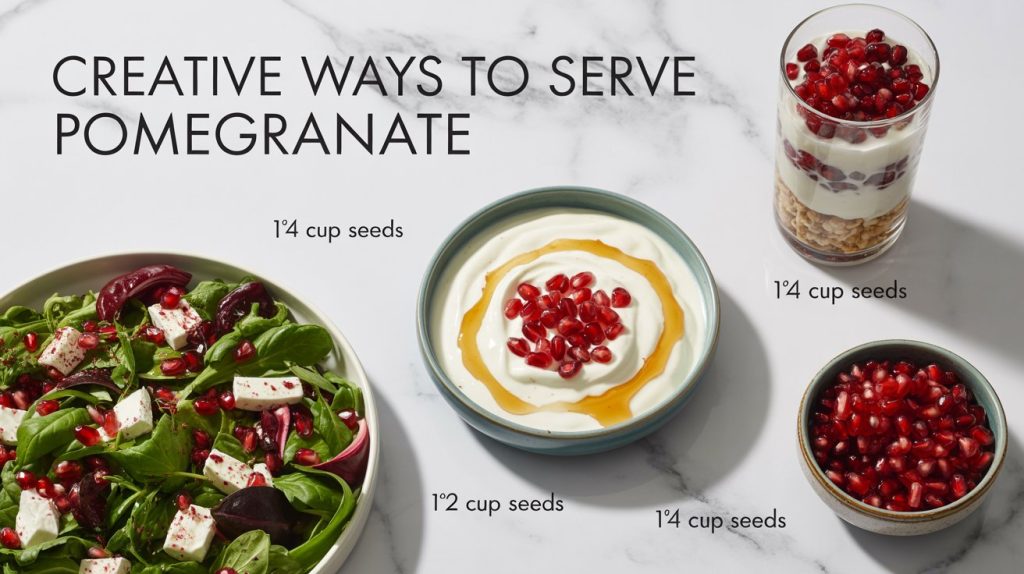
Pomegranate seeds add a delightful crunch and burst of flavor to salads. A standard serving size is about ½ cup of pomegranate seeds (approximately 87g), which provides a good balance of taste and nutrition. Here’s a quick salad recipe:
- 4 cups mixed greens
- ½ cup pomegranate seeds (87g)
- 1 cup diced cucumber
- ½ cup crumbled feta cheese
- 2 tablespoons olive oil
- 1 tablespoon balsamic vinegar
- Salt and pepper to taste
- In a large bowl, combine mixed greens, cucumber, and pomegranate seeds.
- In a small bowl, whisk together olive oil, balsamic vinegar, salt, and pepper.
- Drizzle the dressing over the salad and toss gently to combine. Serve immediately.
Snacks
Pomegranate seeds can also be enjoyed as a healthy snack. A serving size of ¼ cup (around 43g) is a great option for a quick, nutritious treat. Here’s an easy snack idea:
- 1 medium apple, sliced
- ¼ cup pomegranate seeds (43g)
- 2 tablespoons almond butter
- Slice the apple and arrange it on a plate.
- Top the apple slices with almond butter and sprinkle pomegranate seeds on top.
- Enjoy your delicious and healthy snack!
Chef’s tip: For added flavor, try mixing pomegranate seeds with yogurt and a drizzle of honey for a refreshing dip!
| Ingredient | Amount per Serving |
|---|---|
| Pomegranate seeds | ½ cup (87g) |
| Mixed greens | 4 cups |
| Apple | 1 medium |
Plating and Serving Suggestions
Presenting pomegranates beautifully can enhance both the aesthetic and flavor of your dishes. With their vibrant ruby-red seeds and unique taste, they add visual appeal and nutritional benefits. Here are some practical serving suggestions to elevate your pomegranate experience.
- Pairing Foods: Pomegranates pair wonderfully with a variety of flavors. Try combining them with creamy goat cheese or feta on a salad. The tanginess of the cheese complements the sweet-tart flavor of the pomegranate perfectly. Aim for about ¼ cup of pomegranate seeds per serving to keep the balance right.
- Garnishing Tips: When garnishing dishes, sprinkle pomegranate seeds over entrees or desserts for a pop of color. For instance, use 2 tablespoons of seeds to top a bowl of yogurt or oatmeal. This not only adds visual appeal but also provides a burst of flavor.
- Serving Sizes: A typical serving size of pomegranate seeds is about ½ cup (about 87 grams). This amount is perfect for snacking or as a refreshing addition to a fruit salad. To prepare, simply cut a pomegranate in half and gently tap the back with a wooden spoon to release the seeds.
- Creative Presentation: For an elegant touch, serve pomegranate seeds in a clear glass bowl to showcase their jewel-like appearance. You can also layer them in parfaits with yogurt and granola, using ¼ cup of seeds per layer for a stunning visual effect.
Chef’s tip: Always serve pomegranates chilled for the best taste and crunch!
Quick Summary
| Prep Time | Cook Time | Total Time | Servings |
|---|---|---|---|
| 10 min | 0 min | 10 min | 2-4 servings |
- Ideal serving size: 1/2 to 1 cup of pomegranate arils per person.
- Storage: Keep uncut pomegranates at room temperature; arils should be refrigerated.
- Cutting technique: Score the skin and break apart to avoid juice splatter.
- Flavor enhancement: Pair with citrus or honey for a delightful balance.
- Freshness check: Choose heavy pomegranates with a firm skin for the best flavor.
Frequently Asked Questions
Can I make a pomegranate dish ahead of time? How to store and reheat?
You can prepare pomegranate dishes up to 24 hours in advance, but it’s best to store them in an airtight container in the refrigerator. Reheat gently on the stove over low heat to preserve the flavor and texture.
What can I substitute for pomegranate seeds?
If you can’t find pomegranate seeds, fresh cranberries or chopped apples can be a great alternative for their tartness and crunch. Just be sure to adjust the sweetness in your recipe, as cranberries are more tart than pomegranates.
How do I know when my pomegranate is ripe?
A ripe pomegranate will feel heavy for its size and have a deep, vibrant color with a slightly shiny exterior. If you gently press the skin, it should feel firm but have a slight give.
Can I freeze pomegranate seeds? How long do they last?
You can freeze pomegranate seeds for up to 6 months in a sealed freezer bag. Just spread them out on a baking sheet first to prevent clumping before transferring them to the bag.
What if I don’t have a pomegranate juicer?
If you don’t have a pomegranate juicer, you can simply cut the fruit in half and use a wooden spoon to tap the back while holding it over a bowl to extract the juice. This method works well, just be prepared for a bit of juice splash!
