
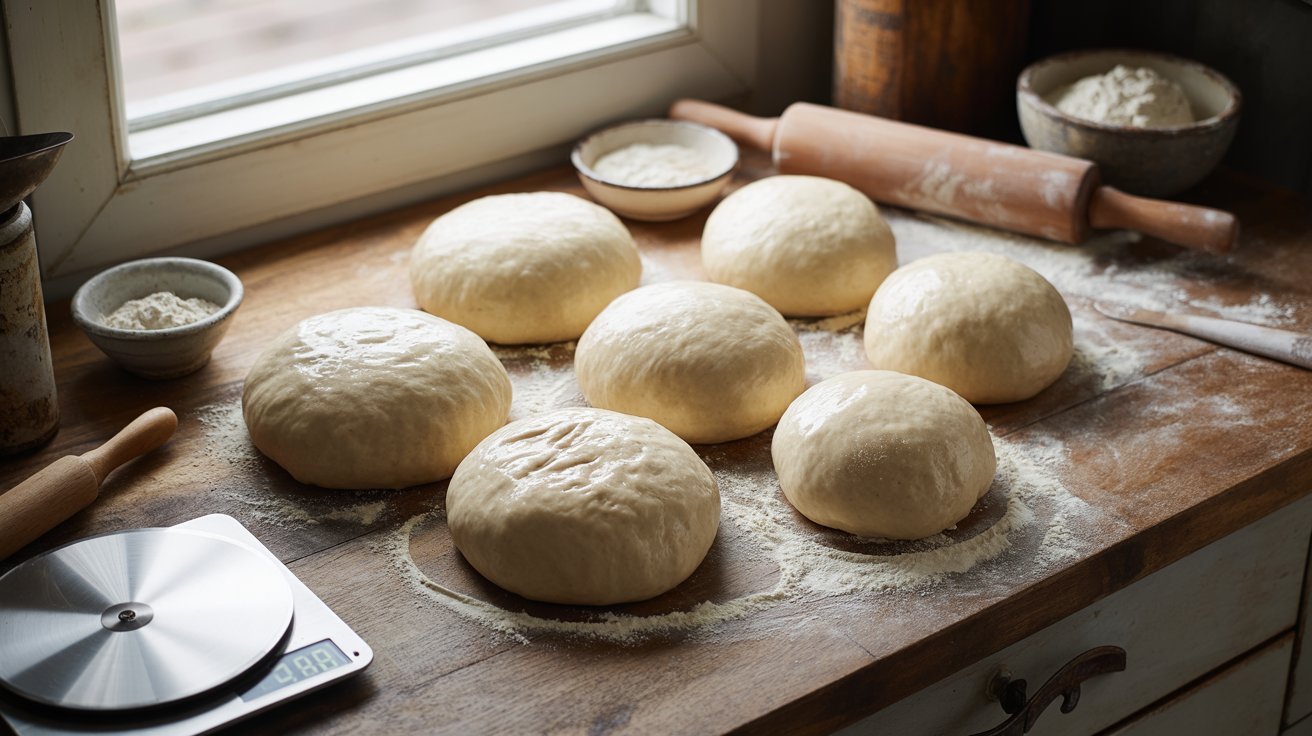
Are you tired of guessing how much pizza dough you need for the perfect crust? Whether you’re making a small personal pizza or feeding a crowd, knowing the right dough weight can make all the difference.
This Pizza Dough Weight Chart is here to take the guesswork out of your pizza-making. By understanding the exact dough amounts, you’ll get consistent results every time—crispy edges, soft centers, and just the right thickness. Keep reading to discover how to measure your dough like a pro and elevate your homemade pizza game effortlessly.
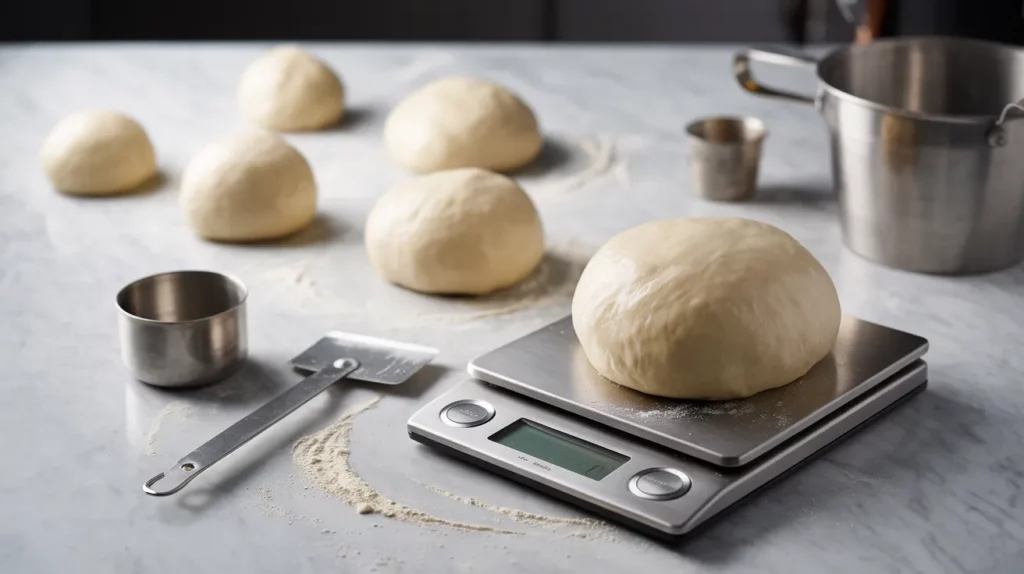
Choosing Dough Weight
Choosing the right dough weight is key for making perfect pizza. It affects the crust’s thickness and texture. The dough weight depends on several factors. Understanding these helps in making pizza just the way you like it.
Factors Affecting Dough Weight
Type of pizza affects dough weight a lot. Thin crust pizza needs less dough. Thick crust pizza needs more dough. The type of flour also plays a role. Some flours absorb more water and feel heavier. Hydration level matters too. More water means softer dough and lighter weight. Dough rising time changes weight slightly. Longer fermentation can make dough lighter and airier.
Dough Weight For Different Pizza Sizes
Pizza size decides dough weight clearly. Small 8-inch pizzas use about 150 grams of dough. Medium 12-inch pizzas need around 300 grams. Large 16-inch pizzas require about 450 grams. Extra-large pizzas can go up to 600 grams or more. Adjusting dough weight changes crust thickness. Use less dough for thinner crust. Use more dough for thicker and chewier crust.
Dough Weight Chart
A dough weight chart helps make perfect pizza every time. It shows how much dough you need for different pizza sizes. Using the right weight keeps the crust even and tasty. It also helps avoid thin or doughy spots. This chart is a simple guide for home cooks and pizza makers.
Standard Dough Weights By Diameter
Pizza dough weight changes with pizza size. A 10-inch pizza usually needs about 7 ounces of dough. A 12-inch pizza uses around 10 ounces. For 14 inches, 14 ounces works well. Larger pizzas need more dough to cover the area. This helps keep the crust balanced and easy to handle.
Adjusting Dough Weight For Thickness
Thicker crusts need more dough. Thin crusts require less dough for crispiness. For a thick 12-inch pizza, use 12 ounces of dough. For a thin crust, 8 ounces is enough. Adjusting weight lets you control how soft or crunchy the crust feels.
Weight Variations For Crust Styles
Different crusts need different dough amounts. A stuffed crust pizza needs extra dough around the edges. Deep dish pizzas require much more dough overall. Flatbreads use less dough and bake faster. Knowing these differences helps you make the right dough amount each time.
Pizza Dough Weight Chart
| Pizza Size | Diameter | Dough Weight |
|---|---|---|
| Small | 8 inch | ~150 g |
| Medium | 12 inch | ~300 g |
| Large | 16 inch | ~450 g |
| Extra-Large | 18 inch+ | ~600 g |
Measuring Dough Accurately
Measuring dough accurately is key to making perfect pizza every time. The right dough weight ensures even cooking and consistent size. It helps keep your pizza crust texture just right. Small differences in dough weight can change the baking time and final taste. Using a reliable method to measure dough makes your pizza experience better.
Tools For Weighing Dough
A digital kitchen scale works best for weighing dough. It gives precise measurements in grams or ounces. Mechanical scales can work but may be less accurate. Use a bowl or tray on the scale to hold the dough. Tare the scale to subtract the container’s weight. This method prevents guesswork and keeps portions even.
Tips For Consistent Portions
Divide the dough into equal parts using the scale. Cut the dough with a sharp knife or dough cutter. Weigh each piece after cutting to confirm size. Adjust pieces by adding or removing small amounts. Consistent dough portions help pizzas bake evenly. This also improves the look and taste of your pizza crust.
Dough Hydration And Texture
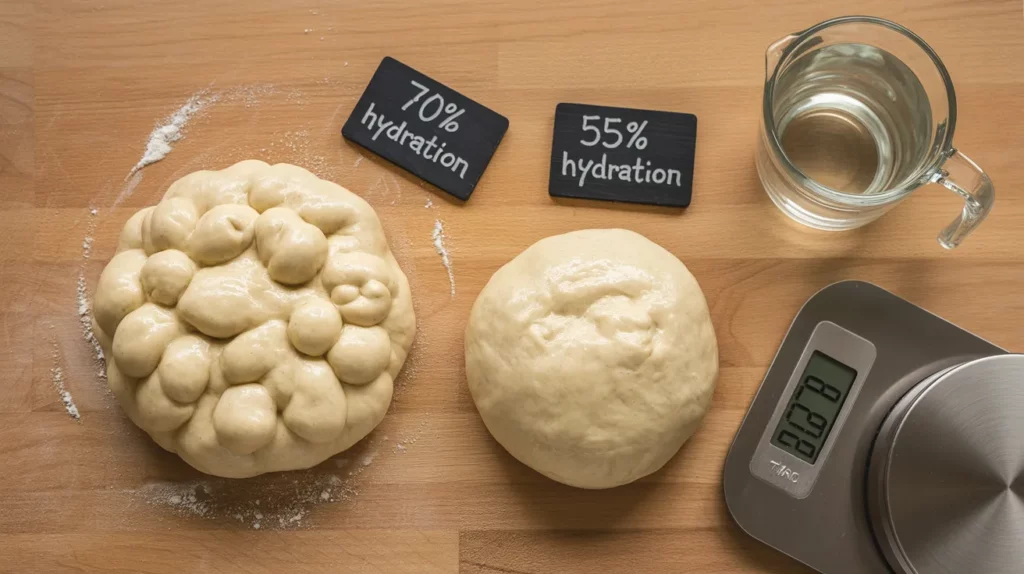
Dough hydration means the amount of water in the dough compared to flour. It affects how soft or firm the dough feels. Higher hydration makes dough wetter and stickier. Lower hydration gives a drier, stiffer dough. Texture changes from chewy to light depending on hydration.
Understanding hydration helps control the dough’s weight and texture. It guides how much water to add for your pizza style. Hydration also changes how the dough grows and bakes. This balance is key for the perfect pizza base.
Impact Of Hydration On Weight
Water adds weight to the dough. More water means heavier dough. For example, 70% hydration means 70 grams of water per 100 grams of flour. This increases the total dough weight. Tracking hydration helps keep pizza dough weight consistent.
Higher hydration dough weighs more but feels lighter after baking. It creates more air bubbles inside the crust. Lower hydration dough weighs less but feels denser. Dough weight changes affect portion sizes and cooking time.
Balancing Hydration And Dough Handling
High hydration dough is soft and sticky. It can be hard to shape and stretch. Bakers use flour on hands or work surface to manage stickiness. Lower hydration dough is easier to handle but less flexible.
Finding the right hydration level depends on skill and recipe. A balance makes dough easy to work with and gives good texture. Testing different hydration levels helps find what works best.
Scaling Recipes With Dough Weight
Scaling recipes using dough weight helps create consistent pizzas every time. It removes guesswork from portion sizes. Knowing exact dough weight makes baking easier and precise. This method suits home cooks and professionals alike. It also helps manage ingredients efficiently and reduce waste.
Converting Recipe Quantities
Start by knowing the dough weight for one pizza. Use this weight as your base number. Multiply each ingredient by the same factor. This keeps the dough texture and taste balanced. For example, double the dough weight means double all ingredients. Use a kitchen scale for accuracy. This way, the dough rises and bakes perfectly every time.
Adjusting For Multiple Pizzas
Calculate total dough weight by multiplying single pizza weight by pizza count. Adjust ingredient amounts to match total dough weight. Mix dough in one batch or divide into smaller portions. Scaling up saves time and keeps quality consistent. Store extra dough properly to maintain freshness. This approach helps during busy pizza nights or parties.
Troubleshooting Dough Weight Issues
Getting the dough weight right is key to making great pizza. Dough weight affects the pizza’s size, thickness, and cooking time. Even small mistakes can change the pizza’s texture and taste. Troubleshooting dough weight problems helps keep your pizza consistent and delicious.
Common Weight Mistakes
Many beginners weigh dough incorrectly. Using the wrong scale or not zeroing it causes errors. Some do not measure flour and water carefully. Dough can end up too heavy or too light. Not dividing dough evenly is another common issue. These mistakes affect the pizza’s final shape and bake.
Fixing Overweight And Underweight Dough
Overweight dough makes thick, dense crusts that take longer to cook. Cut the dough into smaller pieces to fix this. Weigh each piece to match your chart’s recommended size. Underweight dough creates thin, fragile crusts that burn easily. Add a small amount of dough or combine two pieces. Adjust the weight slowly for best results.
Frequently Asked Questions
What Is The Ideal Weight For Pizza Dough?
The ideal pizza dough weight varies by pizza size. For a 12-inch pizza, 250-300 grams of dough is common. This weight ensures a balanced crust thickness and proper cooking.
How To Measure Pizza Dough Weight Accurately?
Use a digital kitchen scale to measure dough weight accurately. Weigh your dough before shaping to maintain consistency. This helps achieve uniform pizza sizes and even cooking.
How Does Dough Weight Affect Pizza Crust?
Dough weight impacts crust thickness and texture. Heavier dough makes thicker, chewier crusts, while lighter dough yields thinner, crispier crusts. Adjust weight based on your preferred pizza style.
Can I Use The Dough Weight Chart For Different Pizza Types?
Yes, the dough weight chart can guide various pizza styles. Adjust weights slightly for thin crust, Neapolitan, or deep-dish pizzas. Always consider dough hydration and baking method.
Conclusion
Using the pizza dough weight chart makes baking easier and more precise. You can measure dough quickly for any pizza size. This helps keep your pizza crust just right every time. No more guessing or uneven slices. Enjoy baking with confidence and simple tools.
Keep this chart handy for your next pizza night. Baking becomes more fun and less stressful. Try different dough weights to find your favorite crust. Perfect pizzas start with the right dough amount. Simple, clear, and useful for every home cook.
